
Hear from Our Customers
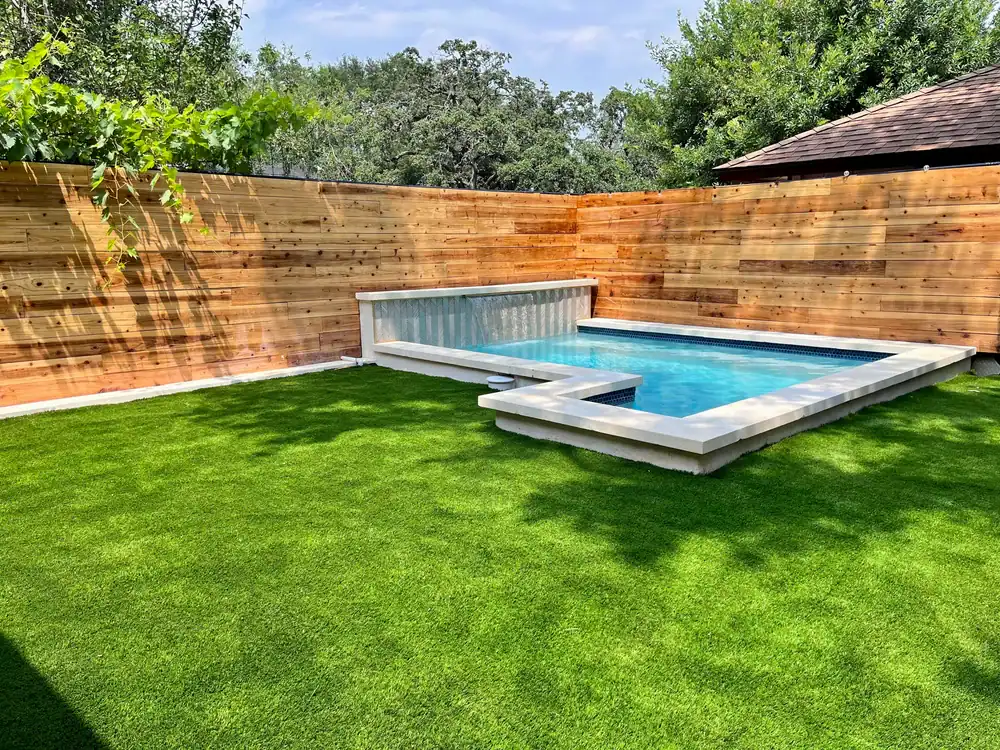
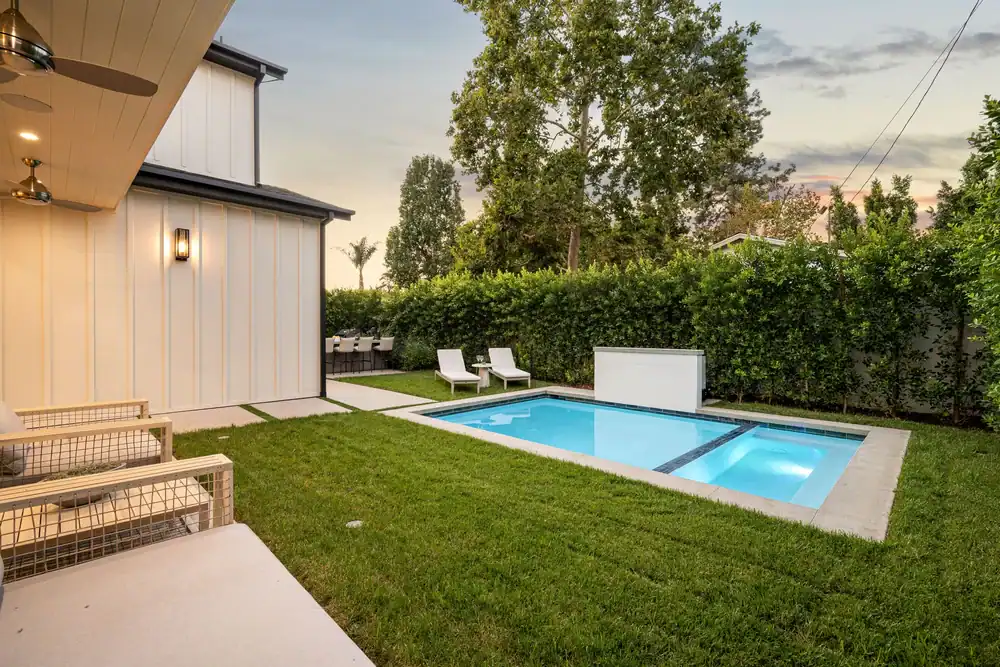
Your backyard becomes the place your family actually wants to be. Not just on weekends in July, but most of the year thanks to Georgia’s extended warm season. You’re looking at a space designed around how your family lives—whether that’s lap swimming before work, shallow play areas for young kids, or an attached spa for year-round use.
The pool itself is built to last decades, not just look good at the ribbon cutting. Concrete construction gives you design flexibility that prefab options can’t touch, and it’s engineered specifically for Douglas County’s soil conditions. That matters more than most people realize when they start this process.
Your home value goes up by around 7% with a professionally installed inground pool in Georgia’s climate. But more than the appraisal, you get a backyard that makes sense for your lot size, complements your home’s architecture, and doesn’t come with the surprise costs or construction delays that make pool projects miserable.
We’ve been building custom inground cement pools in Douglas County for over 30 years. That’s not a marketing line—it means we’ve seen what works in Lotts yards and what doesn’t. We know which soil conditions require extra engineering, how to handle permits without delays, and what design choices hold up long-term in Georgia weather.
We’re licensed and insured, and we specialize exclusively in inground cement pools. That focus matters because concrete construction is different from fiberglass or liner pools. The installation process is more involved, the customization options are unlimited, and the durability requirements are higher.
You’re not getting pressured into features you don’t want or shortcuts on the ones you do. Just honest advice from builders who’ve done this enough times to know what questions you should be asking.
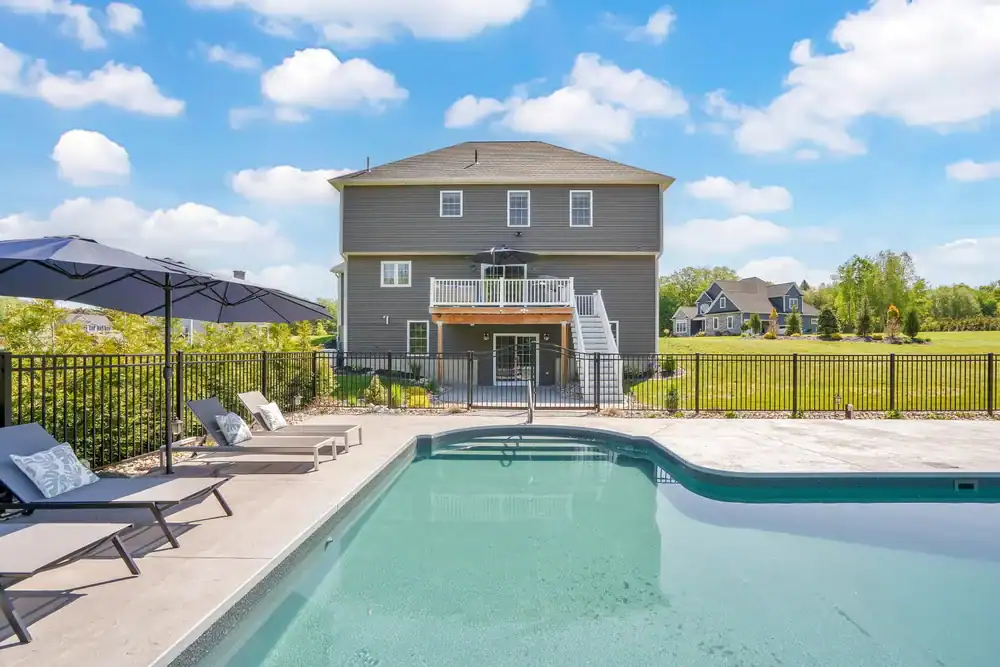
We start with a site evaluation of your specific property. That means looking at soil conditions, drainage, access for equipment, and how the pool layout works with your existing yard. This step prevents the surprises that blow up budgets and timelines later.
Once you approve the design, we handle all the permit paperwork. You don’t chase down inspections or worry about compliance issues—that’s on us. Then excavation begins, followed by steel reinforcement installation and gunite application. Gunite is a dry-mix concrete that’s pneumatically applied, creating a dense, durable shell that’s ideal for Georgia’s varied soil conditions.
After the shell cures, we install your chosen finishes—tile, coping, decking—and all the equipment. Filtration, heating if you want it, automation systems, lighting. We test everything, walk you through the controls, and make sure you know how to maintain what you’re getting. The whole process typically takes several weeks from start to finish, depending on design complexity and weather. We keep you updated at each stage so you know exactly where things stand.
Ready to get started?
Your inground pool installation includes complete design consultation where we map out dimensions, depth, features, and how everything fits your lot. You get detailed cost estimates that break down permits, excavation, construction, equipment, and finishing—no vague line items that become problems later.
The construction itself covers excavation, steel reinforcement, gunite application, and all the structural work that makes your pool last. We’re talking about professional-grade construction that withstands Georgia’s soil movement and weather patterns, not the shortcuts that lead to cracking or shifting down the road.
Equipment installation includes your filtration system, pumps, and any automation or heating you choose. We also handle the finishing work—tile, coping, and decking that completes the look and functionality. In Douglas County, we’re seeing more homeowners add tanning ledges and integrated spas, both of which work well with gunite construction’s design flexibility.
You also get our knowledge of local conditions. Lotts sits in an area where soil composition varies significantly from lot to lot. Some properties have clay-heavy soil that requires specific drainage solutions. Others have sandy soil that affects how we approach excavation and backfill. We evaluate your site and adjust our construction methods accordingly, which is why you don’t see the common issues like pools settling unevenly or developing structural cracks within the first few years.
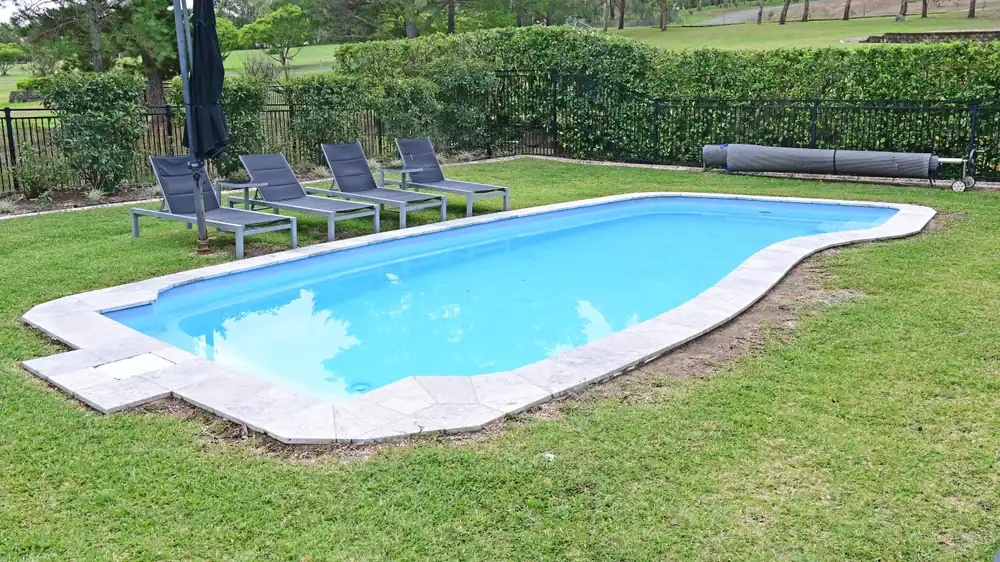
Most custom inground cement pools in Douglas County run between $35,000 and $65,000, depending on size, features, and what your specific site requires. A basic inground pool starts around $33,000, but that number moves based on real factors—not upsells.
Lot conditions make a big difference. If your property has significant slope, you’re looking at additional engineering and possibly retaining walls. Rocky soil means more excavation cost. High water tables require extra drainage work. These aren’t surprise charges if your contractor evaluates the site properly from the start.
Features add up predictably. A standard rectangular pool costs less than a freeform design with a tanning ledge and attached spa. Automation systems, heating, upgraded finishes, custom lighting—each has a clear cost. We break down every line item so you can make informed decisions about where to spend and where to save. The goal is a pool that fits your budget and your actual needs, not the most expensive version we can talk you into.
Gunite gives you unlimited design flexibility and superior durability for Georgia’s soil conditions. Fiberglass pools come in pre-formed shapes—you’re limited to what the manufacturer offers. Liner pools can be any shape, but the vinyl liner needs replacement every 7-10 years, and they’re more prone to damage from sharp objects or pets.
Gunite is a concrete application that’s formed on-site, which means your pool can be any shape, any depth, with custom features built right into the structure. Want a beach entry that gradually slopes from zero depth? Built-in benches? An integrated spa? All of that is structurally part of the pool, not added components that can fail separately.
For Douglas County specifically, gunite handles soil movement better than other options. The steel-reinforced concrete shell is engineered to flex slightly without cracking, which matters when you have clay soil that expands and contracts with moisture changes. Fiberglass shells can crack if the soil shifts. Liner pools can pull away from the walls. Gunite, when installed correctly, accommodates the ground movement that’s normal in this area. You’re looking at a pool that lasts 30+ years with proper maintenance, versus options that need major repairs or replacement much sooner.
Most inground cement pool installations take 6-10 weeks from permit approval to completion, but your specific timeline depends on design complexity, weather, and inspection schedules. A straightforward rectangular pool with standard features moves faster than a custom freeform design with multiple water features and integrated landscaping.
Permit processing in Douglas County typically takes 2-3 weeks once we submit complete plans. We handle that paperwork and coordinate inspections so you’re not chasing down county offices. Once permits clear, excavation happens in 1-2 days for most residential pools. Steel installation and gunite application follow within the next week.
The gunite shell needs time to cure properly—that’s not a step you rush. After curing, we move into finishing work: tile, coping, decking, equipment installation. Weather affects this timeline more than people expect. Heavy rain delays concrete work. Extreme heat affects curing times. We build realistic schedules and keep you updated when conditions push dates back. The contractors who promise 4-week turnarounds are either cutting corners or setting you up for disappointment when reality hits.
Yes, you need building permits from Douglas County, and depending on your property, possibly additional approvals for setbacks, drainage, or HOA requirements. This isn’t optional, and skipping permits creates serious problems when you try to sell your home or if something goes wrong with the installation.
Douglas County requires permits for all inground pool construction. The permit process includes plan review to ensure your pool meets setback requirements from property lines, complies with fencing and safety regulations, and doesn’t create drainage issues for neighboring properties. If you’re in a subdivision with an HOA, you’ll also need their architectural approval before construction starts.
We handle the entire permit process as part of your pool installation. That means preparing the site plans, submitting applications, coordinating required inspections at each construction phase, and making sure everything passes. You don’t need to understand county codes or track down inspection schedules—that’s our job. The permit cost is included in your detailed estimate upfront, so there’s no surprise fee when paperwork time comes. Trying to DIY permits or hiring a contractor who doesn’t handle this properly leads to construction delays, failed inspections, and potentially having to modify or remove work that doesn’t meet code.
Your gunite pool needs regular chemical balancing, filtration system maintenance, and periodic surface care to stay in good condition for decades. The maintenance isn’t complicated, but it is consistent—you can’t ignore a pool for months and expect it to be fine.
Weekly tasks include testing and adjusting water chemistry—pH, chlorine, alkalinity. You’re looking at 15-20 minutes once you know what you’re doing. Your filtration system needs the pump basket cleaned weekly and the filter itself cleaned or backwashed monthly, depending on the type. Skimming debris and brushing the walls takes another 15 minutes weekly.
Every few years, you’ll need to drain and acid wash the pool to remove buildup and staining. The plaster or aggregate finish typically lasts 10-15 years before it needs resurfacing, which costs $5,000-$8,000 depending on the finish you choose. Equipment like pumps and heaters last 8-12 years with proper maintenance. These aren’t surprise costs—they’re predictable expenses that come with pool ownership. The tradeoff is you get a pool that’s structurally sound for 30+ years, unlike liner pools that need complete liner replacement every decade or fiberglass pools where gel coat damage can require expensive repairs.
You can swim comfortably in an unheated pool roughly April through October in Douglas County, and with a heater, you extend that to most of the year. Georgia’s climate is one of the reasons inground pools add significant home value here—you actually get to use them.
Average temperatures in Lotts stay above 70°F from late April through early October. Water temperature lags behind air temperature, so your pool typically reaches comfortable swimming temperature (78-82°F) by May and stays there through September without heating. That’s a solid 5-6 month season where the pool is usable without additional cost.
Add a heat pump or gas heater, and you’re swimming in March and November easily. Some people keep heated pools going year-round, though you’ll see higher energy costs in December through February. Heat pumps are more energy-efficient but work best when air temperature is above 50°F. Gas heaters cost more to run but heat water faster and work in colder weather. The decision depends on how much you’ll realistically use the pool in cooler months and whether the energy cost is worth it for your family. Most people in this area find that 6-8 months of pool use justifies the investment, especially compared to northern states where you’re looking at 3-4 months maximum.