
Hear from Our Customers
Most people in Bridgetown aren’t building a pool because they saw one in a magazine. They’re building it because Coffee County summers are brutal, their kids are outside all season, and they’ve got the land to do it right. From late April through early October, the heat index regularly pushes past 100°F out here. A well-built inground pool doesn’t just cool you off it changes how your whole family uses the property.
What makes a Bridgetown build different from a suburban job is the land itself. You’re likely on a larger rural lot, probably on a private septic system, and sitting on the coastal plain soil that runs through the southern end of Coffee County. That soil profile sandier and more permeable than the red clay up north drains differently, behaves differently under hydrostatic pressure during heavy rain events, and requires a builder who understands what’s underneath before they start digging. A pool engineered for your specific site holds up. One that isn’t can shift, crack, or cause drainage problems you didn’t sign up for.
The other thing worth saying clearly: a concrete inground pool on a rural Coffee County property is a long-term asset. It adds real value to your home typically 5 to 7 percent and when it’s built right, it’s not something you’re replacing in ten years. You’re building something your family will use for decades, on land you already own outright or nearly so. That’s worth doing once, and doing correctly.
We were founded in Douglas the Coffee County seat by tradespeople who spent over thirty years in concrete, plumbing, and construction before ever putting our name on a pool company. That’s not a footnote. It’s the reason we build the way we do. We didn’t start this business to learn the trade on your property. We started it because we’d already mastered it.
Being based in Douglas means we pull permits at the Coffee County Building Department, we know the inspectors, and we’ve built pools on the same kind of rural South Georgia land that surrounds Bridgetown. When something comes up mid-project and in construction, something always does you’re not waiting on a call from a regional office. You’re talking to the people who built it.
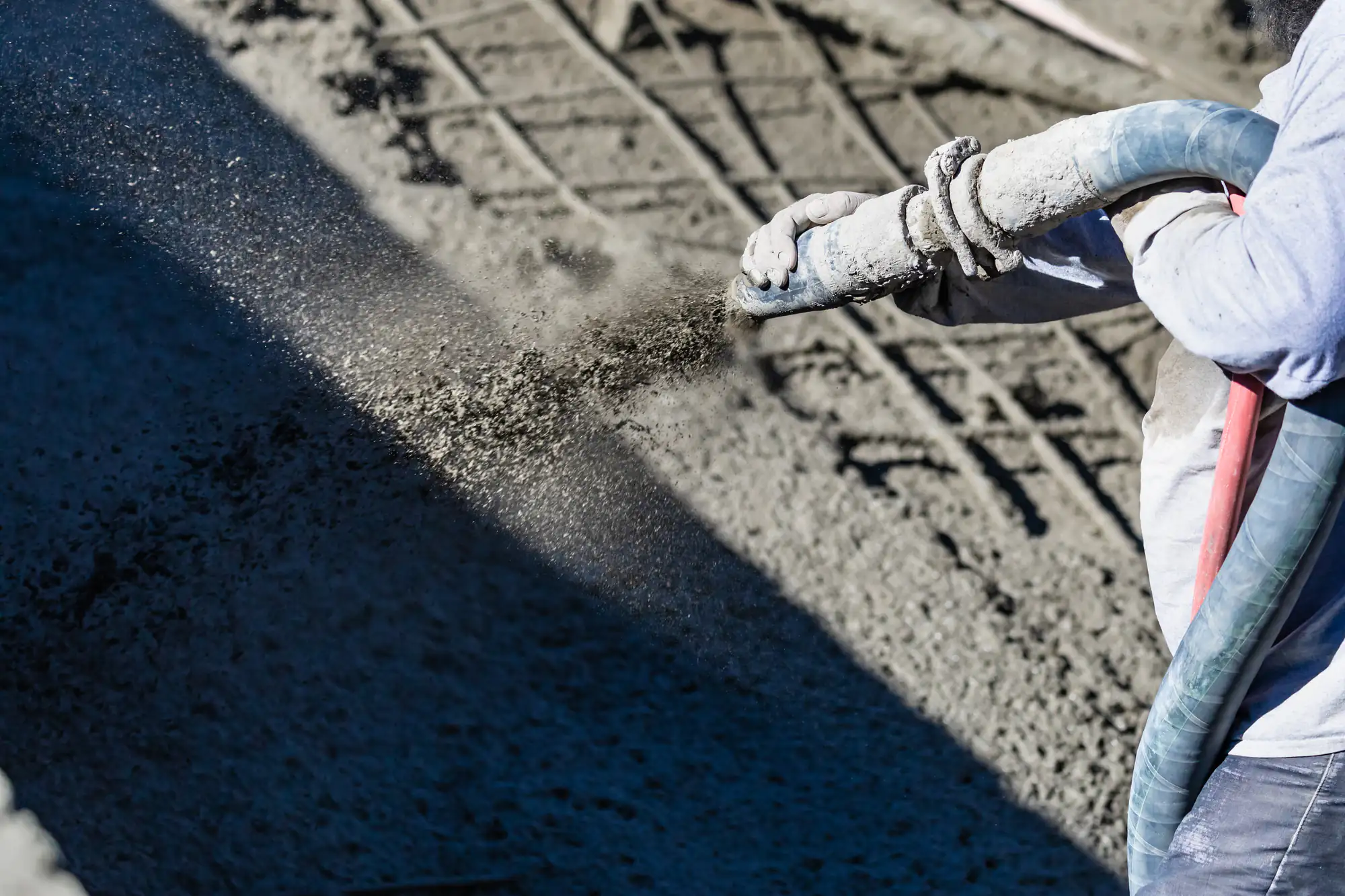
We build exclusively in concrete, and that’s a deliberate choice. Fiberglass shells can pop out of the ground when hydrostatic pressure builds beneath them a real concern in South Georgia’s rainy seasons. Vinyl liners need full replacement every seven to ten years. Concrete, built and engineered for your site, gets stronger over time. That’s the only kind of pool we build, because it’s the only kind worth building out here.
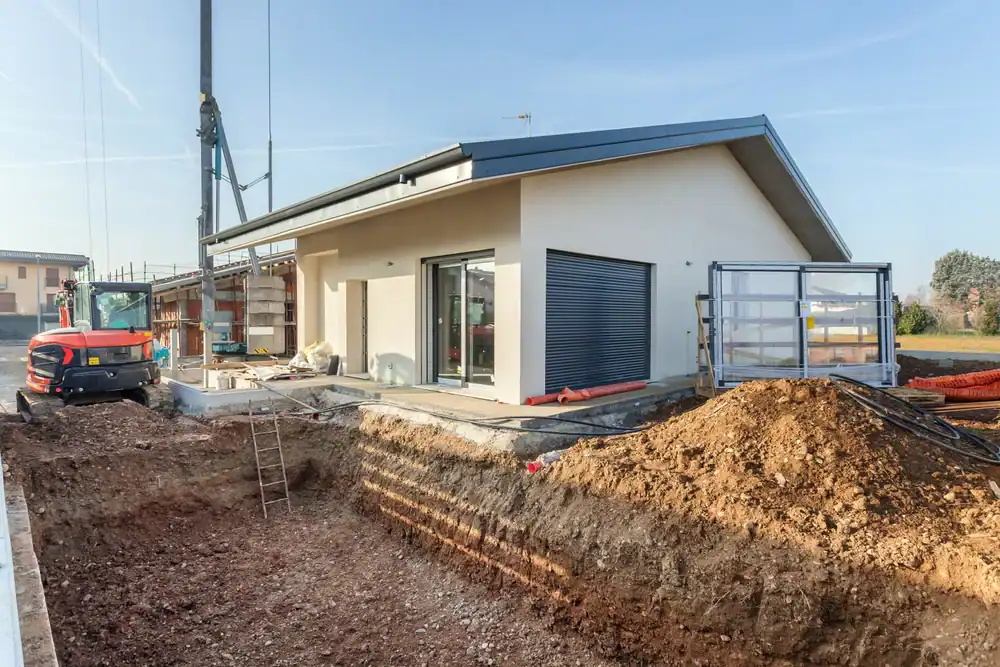
It starts with a conversation about your property and how your family actually uses it. We’ll walk through your lot, look at the space you’re working with, and ask the right questions before anything else happens. If your home is on a private septic system which is common for properties along Bridgetown Road and throughout unincorporated Coffee County that gets factored in from the start. The pool’s placement has to account for your drain field, and Georgia’s Environmental Health Division has to sign off before excavation begins. We handle that coordination. You don’t have to figure out which office to call.
Once the design is locked in, you’ll see your pool in a full 3D rendering before a single shovel of Coffee County dirt is moved. Shape, depth transitions, spa placement, deck layout all of it, in your actual backyard. If something needs to change, you change it in the design phase, not mid-pour. From there, the Coffee County Building Department permit is pulled, the steel framework goes in, inspections happen at each required milestone, and construction moves forward on a clear timeline.
The realistic window for a custom concrete inground pool from permit approval through completion is roughly eight to sixteen weeks depending on design complexity and scheduling. We’ll give you an honest timeline upfront, not a best-case number designed to get you to sign. South Georgia’s mild winters mean ground work can move year-round, but the buyers who plan ahead in fall or early winter are the ones swimming by Memorial Day.
Ready to get started?
Every pool we build is a custom inground concrete build no two are the same, and that’s intentional. Your lot, your soil, your septic layout, your family’s needs all of it shapes the design. Whether you’re looking at a straightforward rectangular pool with a sun shelf, a freeform design with an attached spa, or a full backyard installation with a surrounding patio, the build is engineered specifically for your property in Bridgetown, not adapted from a catalog template.
Included in every build is a custom-fitted safety cover designed for that pool’s exact shape and dimensions. This isn’t an upsell or an add-on it’s standard. For a rural property where a pool may be visible from the road or where neighbors’ kids come around, a properly fitted safety cover is part of responsible pool ownership, and we treat it that way.
The full permitting process is also handled for you the Coffee County Building Department application, the site plan, the environmental health coordination for septic system properties, and all required construction inspections. For Bridgetown homeowners who have never navigated county-level permitting, that’s not a small thing. Georgia follows the International Swimming Pool and Spa Code, and Coffee County enforces barrier requirements a minimum four-foot enclosure with self-latching gates as part of final approval. We know these requirements, meet them, and make sure your project closes clean.
Yes Georgia requires a building permit for any inground pool deeper than 24 inches, and because Bridgetown is unincorporated, all permits are issued through the Coffee County Building Department in Douglas. There’s no city office involved, no separate municipal process. Everything goes through the county.
The permit process involves submitting a site plan that shows the pool’s location relative to your property lines, your home, and any septic system components. From there, inspections are required at key construction milestones steel and rebar framework, concealed plumbing, and final completion. If your property is on a private septic system, which is the norm for most Bridgetown-area homes, Georgia’s Environmental Health Division also has to review and approve the pool’s placement before excavation begins. We handle all of this as part of the build you don’t have to coordinate between offices or figure out the sequence yourself.
Yes, but it requires an additional review step that a lot of out-of-area contractors skip or don’t know to plan for. Georgia’s Environmental Health Division requires that pool construction doesn’t compromise your drain field or septic tank placement. The pool has to be sited at a safe distance from those components, and that review has to be completed and approved before any excavation happens.
For rural Coffee County properties and most homes in and around Bridgetown are on private septic this is a standard part of the process, not a complication. The issue arises when a builder doesn’t account for it upfront, which leads to stop-work orders, failed inspections, and weeks of delay. We build in this county and know this requirement well. We factor the environmental health coordination into the project timeline from day one, so it doesn’t become a surprise three weeks into your build.
It matters more than most people realize, and the soil profile in Coffee County is a specific reason why. Bridgetown sits on the Atlantic Coastal Plain sandier, more permeable soil than the red clay you’d find further north. That soil drains differently and can behave unpredictably under hydrostatic pressure during the heavy, concentrated rain events that South Georgia gets regularly through summer and fall.
Fiberglass shells are a real risk in these conditions. When hydrostatic pressure builds beneath a fiberglass pool from a saturated water table or poor drainage the shell can literally pop out of the ground. Vinyl liner pools avoid that particular problem but introduce their own: liners degrade under UV exposure and require full replacement every seven to ten years, which adds up fast. Concrete, engineered for your specific site and soil conditions, handles hydrostatic pressure differently because it’s not a shell sitting in the ground it’s a structure built into it. It also gets stronger over time, not weaker. For a long-term investment on rural South Georgia land, concrete is the only material that makes sense.
A custom concrete inground pool in Coffee County typically starts around $70,000 and can exceed $200,000 for fully custom builds with spas, elaborate decking, and premium finishes. The range is wide because the variables are wide pool size, shape, depth configuration, attached spa, patio work, and equipment selection all affect the final number.
What matters more than the starting figure is knowing exactly what you’re getting for it before you commit. We provide a transparent, itemized quote upfront not a low number designed to get you to sign, followed by change orders that push the real cost up after excavation has already started. The quote you receive is the price you pay. If you’re early in the research phase and trying to build a realistic budget, the best starting point is a site visit and a conversation about what you actually want not a ballpark from a website.
Once permits are approved, the actual construction of a custom concrete inground pool typically runs eight to sixteen weeks, depending on design complexity, scheduling, and weather. South Georgia’s mild winters are an advantage here ground work can proceed year-round without the freeze delays that complicate builds in northern states. Brief stoppages during summer thunderstorm season are normal and planned for, not treated as excuses to slow down.
The part most buyers underestimate is the time before construction starts. Permit review, environmental health sign-off for septic-system properties, and the design finalization process all take time regardless of season. If you want to be swimming by Memorial Day, the conversation should start in the fall or early winter not in March. Buyers who reach out in January hoping for a June pool opening are almost always working against a tight window. Planning ahead is the single most effective thing you can do to get the timeline you want.
Generally, yes inground pools add an average of 5 to 7 percent to residential property values in Georgia, and in a rural market like Coffee County, a well-built pool on a large lot can be a genuine differentiator when it comes time to sell. Buyers looking for acreage properties with outdoor living amenities see a concrete inground pool as an asset, not a maintenance liability.
The key word is well-built. A pool that cracks within a few seasons, requires a liner replacement before the decade is out, or was built without proper engineering for local soil conditions is a liability on a property disclosure, not a selling point. A concrete pool built by a builder who understands Coffee County’s coastal plain soil and hydrology and who engineered the structure for your specific site holds its value because it was built to last. That’s the difference between a pool that adds to your property and one that complicates it.