
Hear from Our Customers
A pool on a rural Mora property isn’t the same project as one squeezed into a subdivision lot in the suburbs. You have space real space and that means the design can actually work around your land instead of fighting it. When the build is done right, you’re not just adding water to your backyard. You’re adding something your family will use from April through October without a second thought, and something that adds lasting value to your property.
Mora sits on South Georgia’s Upper Coastal Plain, where the soil is a mix of sandy loams, fine sands, and clay-bearing subsoils. That matters more than most people realize. Poorly engineered pools in this soil environment shift, settle unevenly, and crack over time. A properly built concrete pool with a reinforced steel framework designed for these specific ground conditions doesn’t have that problem. It becomes more structurally sound over time, not less.
South Georgia also gets serious rain. Heavy summer storms, occasional tropical weather pushing inland from the Gulf and the Atlantic this is not a mild-weather market. Fiberglass pools are known to float or pop out of the ground when the water table rises fast. Concrete doesn’t do that. It stays exactly where it was built, because it was built to stay.
We’re based in Douglas the Coffee County seat, maybe 15 to 20 miles from Mora. This isn’t a regional company extending its reach into unfamiliar territory. We’re a local business that knows Mora’s land, knows the Coffee County permit offices, and has been building here long enough to understand what’s under the ground before the excavator arrives.
The company was founded in 2014, but the experience behind it goes back more than 30 years in concrete, plumbing, and pool construction. That’s not a resume line it’s the difference between a crew that’s seen every problem before and one that’s still figuring it out on your property.
Every pool comes with a custom safety cover included as standard. Every project includes full permit handling through Coffee County. And the price you’re quoted is the price you pay no change orders showing up mid-build, no scope creep dressed up as unforeseen conditions.
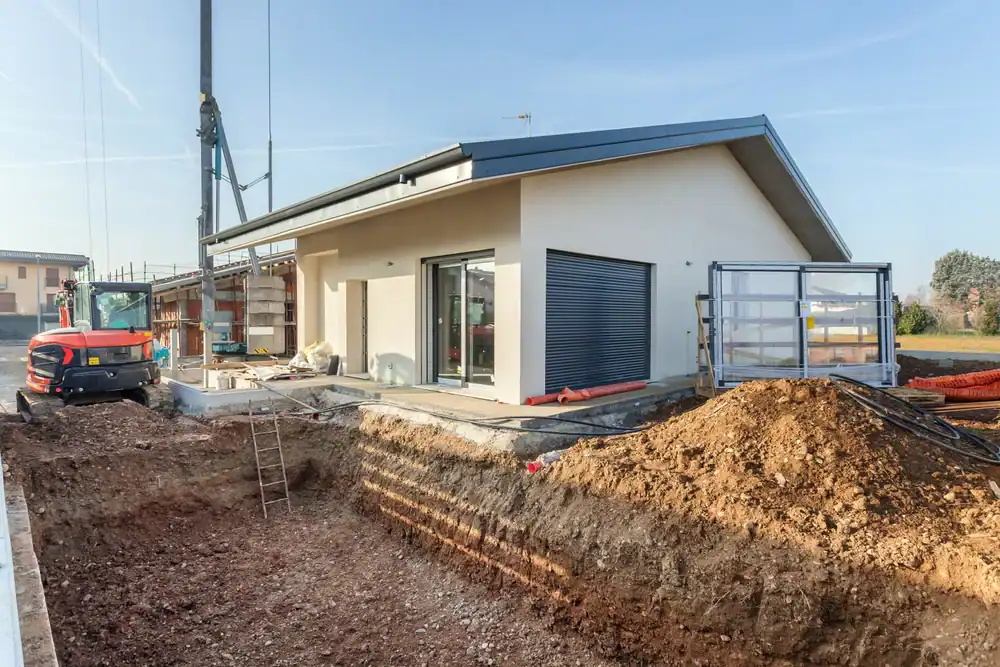
It starts with your property. Before anything else, we walk your land and take the time to understand how your specific lot, drainage, and soil conditions should shape the design. For rural Mora properties, that site evaluation matters more than it does on a flat suburban lot elevation changes, drainage patterns, and soil composition all factor into where and how the pool gets built.
From there, you’ll see a 3D rendering of your pool in your actual backyard before any excavation begins. Not a generic template dropped onto a satellite image a real design built around your space. That step alone eliminates most of the regret that comes from pool projects where the buyer didn’t fully see what they were getting until it was already in the ground.
Once the design is locked in, we handle every permit through Coffee County building, electrical, plumbing, and final inspection. You don’t have to figure out what the county needs or make a single trip to a permit office. Construction on a residential concrete pool typically runs 8 to 16 weeks depending on site conditions and scope. The goal is always to get you in the water before South Georgia’s summer heat peaks and that timeline is managed from day one, not adjusted after the fact.
Ready to get started?
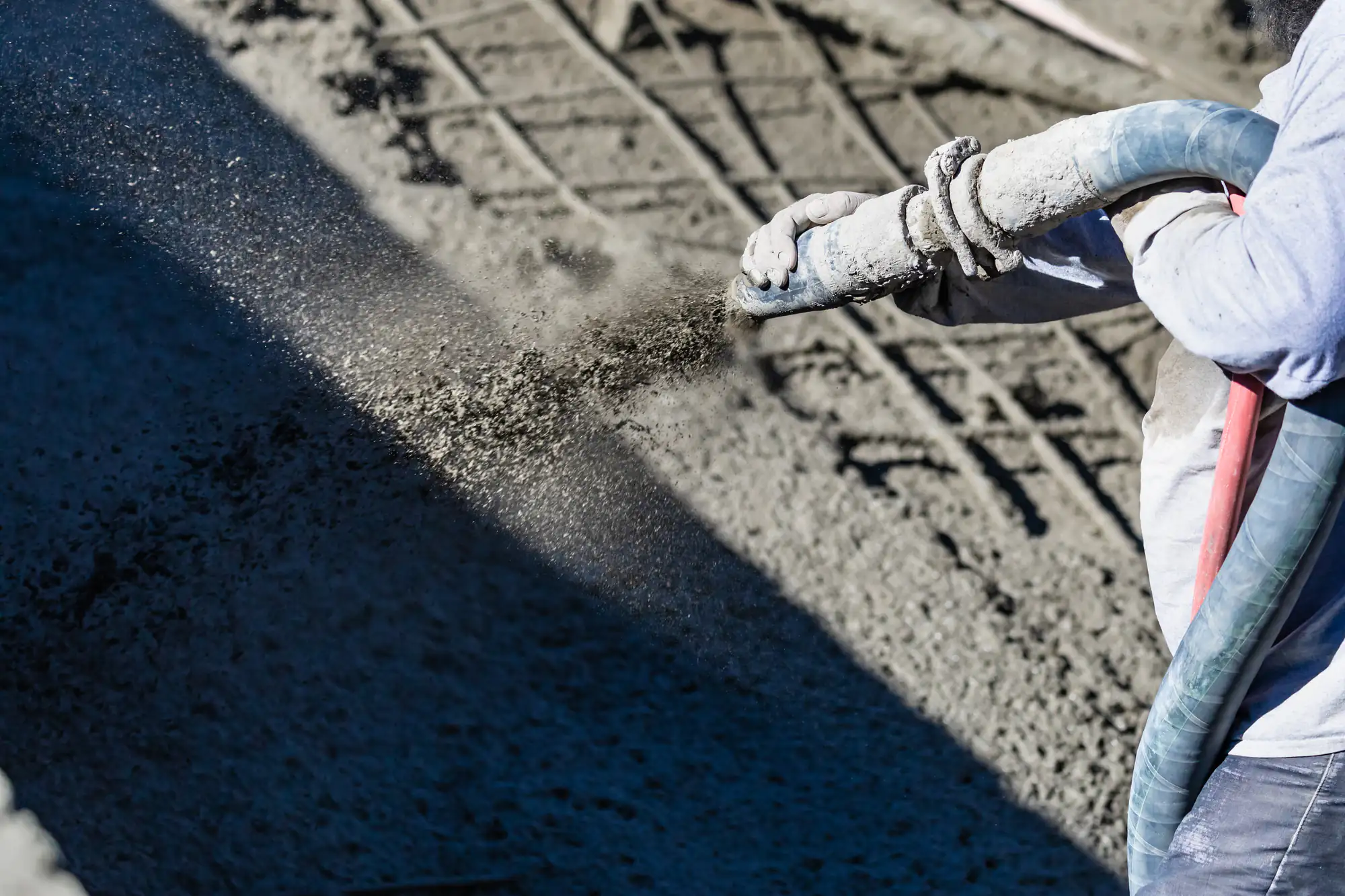
Custom inground concrete pool construction is the core of what we do and it’s the only material we build with. Concrete pools engineered for South Georgia’s Coastal Plain soil are built to last for decades without the structural compromises that come with fiberglass or the recurring cost of vinyl liner replacements every seven to ten years. The steel reinforcement framework is designed specifically for the soil conditions under your Mora property, not borrowed from a North Georgia template.
Every build includes full Coffee County permit coordination from boundary survey through final inspection, a 3D design rendering before excavation begins, and a custom-fitted safety cover sized to your pool’s exact dimensions. On a rural Mora property where children, animals, and neighbors have open access to the land, that cover isn’t optional it’s part of building the thing correctly.
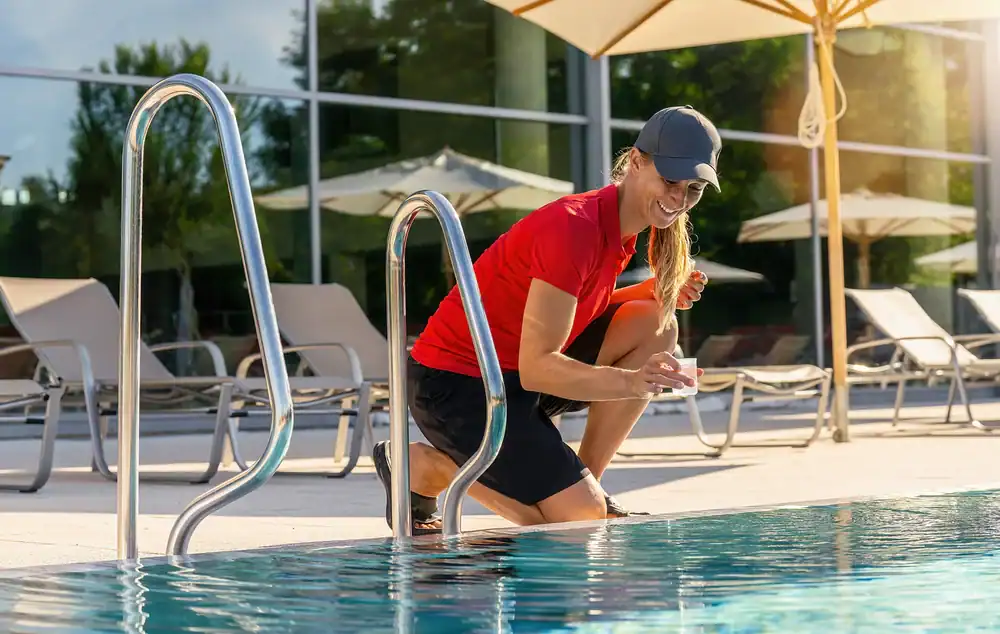
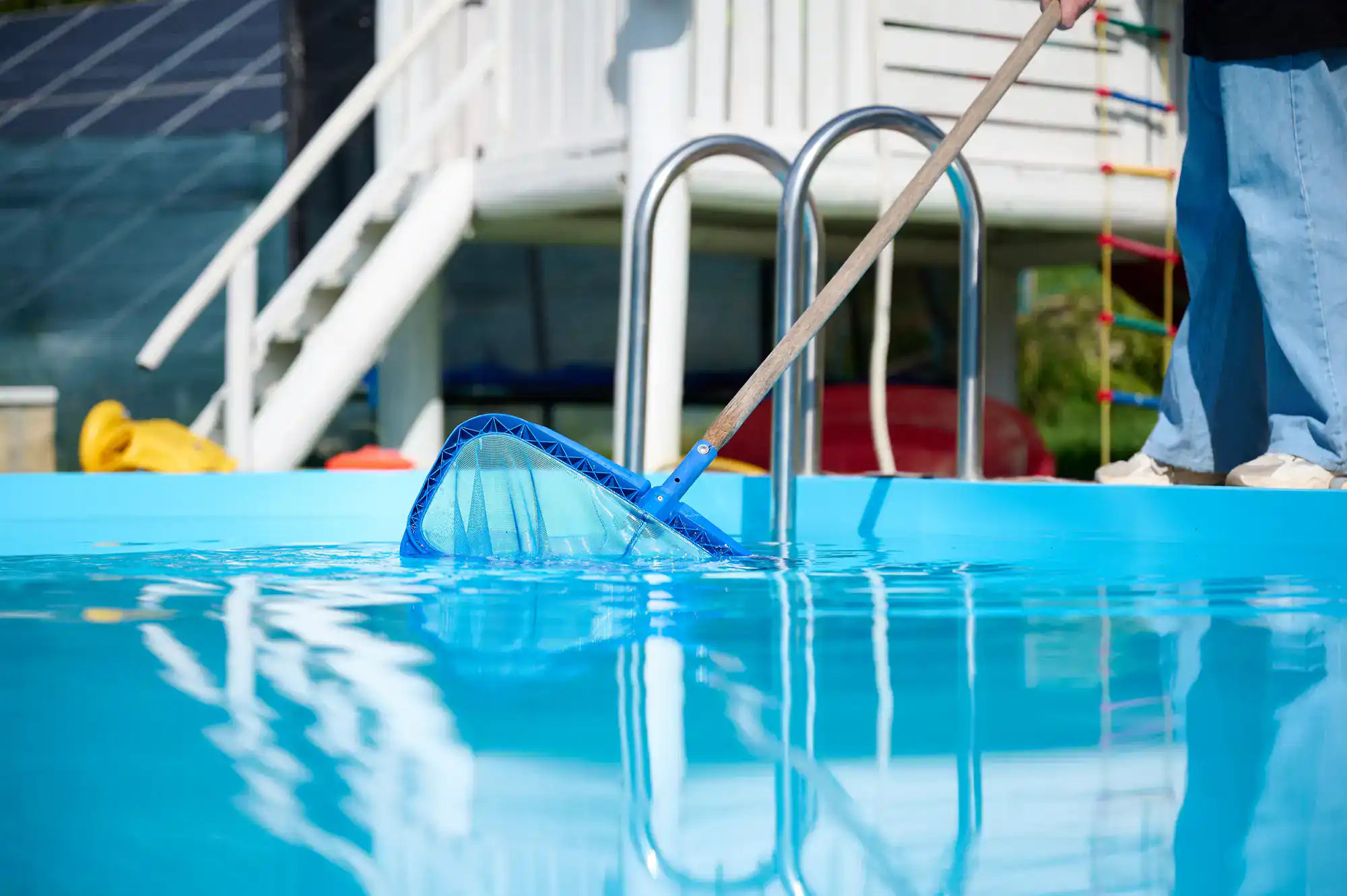
Beyond the pool itself, we also build luxury spas, custom patios, and complete outdoor living installations. If you have the land to do it right and most Mora properties do the design can go well beyond the water. Weekly maintenance plans are also available after construction, so the same team that built your pool keeps it running through the full Coffee County pool season without you spending your weekends on water chemistry.
Yes and because Mora is an unincorporated community, all of that goes through Coffee County, not a city building department. There’s no municipal permit office for Mora. The county handles building permits, electrical permits, plumbing permits, and the inspections that follow. You’ll also need to meet Coffee County’s setback requirements, which govern how far the pool must sit from your property lines and any structures on the lot.
For most homeowners in Mora, the permit process is unfamiliar territory. We manage every step of it from the initial boundary survey to scheduling the final county inspection. You don’t have to figure out what the county requires, fill out the paperwork, or make a trip to the permit office. That’s handled.
The short answer is soil and rain. Coffee County sits on the Upper Coastal Plain, where the ground is a mix of sandy loams, fine sands, and clay-bearing subsoils. Fiberglass pools are essentially large shells sitting in the ground and when the water table rises fast during heavy South Georgia storms, they can float. That’s a documented failure mode for fiberglass in high-rainfall areas, and South Georgia gets serious rain, including tropical weather systems that push inland from the Gulf and the Atlantic.
Concrete pools are permanent, in-ground structures anchored by their own mass and their reinforced steel framework. They don’t float. They also don’t limit your design options the way a pre-manufactured fiberglass shell does if you want a specific shape, a sun shelf in a particular spot, or a spa attached at a custom angle, concrete can do it. And unlike vinyl liners, which need full replacement every seven to ten years, a concrete pool can be resurfaced and updated indefinitely without structural compromise.
For a residential concrete pool, you’re typically looking at 8 to 16 weeks from the start of construction to completion. The range depends on the size and complexity of the project, site conditions on your specific Mora property, and how smoothly the permit process moves through Coffee County.
The most common source of delays in pool construction isn’t the build itself it’s permit coordination that wasn’t managed proactively. When a builder handles permits as an afterthought, county review timelines can push your completion date weeks later than expected. We manage permit coordination from the beginning of the project, not as a last-minute checklist item. If you’re planning to be in the water by summer, the conversation should start in late winter or early spring February or March gives a realistic runway to hit a June or July completion, even accounting for Coffee County’s review process.
A realistic range for a custom residential concrete pool in Coffee County is $70,000 to $150,000 or more, depending on size, features, and site conditions. A straightforward pool with standard finishes and a patio surround sits toward the lower end of that range. Add a spa, water features, custom tile work, or a more complex outdoor living installation, and the number moves up accordingly.
What matters more than the number is how the quote is structured. Some builders in this market present a low initial figure and then introduce change orders and scope additions once the project is underway. We quote the full project upfront the price you receive is the price you pay. No mid-build surprises. For a major investment on a Mora property, that transparency isn’t a minor detail. It’s the difference between a project that goes the way you planned and one that doesn’t.
It does and in a warm-climate market like South Georgia, the impact tends to be more meaningful than in states where the pool season is short. Nationally, inground pools add roughly 5 to 7 percent to a home’s value on average. In Georgia, where a pool is usable from April through October without heating and year-round with a heated pool or spa, buyers recognize that value more directly than they would in a northern market where the pool sits covered for half the year.
For rural Mora properties specifically, a well-built pool and outdoor living installation can be a meaningful differentiator when it comes time to sell. Coffee County’s real estate market rewards quality improvements on larger parcels and a custom concrete pool with a patio and spa is the kind of improvement that photographs well, shows well, and holds its value. The key word is well-built. A pool with structural issues or deferred maintenance works against a sale. A properly engineered concrete pool that’s been maintained correctly is an asset.
That’s actually where the work gets more interesting. Rural Mora properties give you options that a standard subdivision lot doesn’t room to orient the pool for privacy, space to design a full outdoor living area without crowding the house, and flexibility to place a spa or patio in a way that actually makes sense for how you use your land. We design for open rural properties regularly, and the 3D rendering process is especially useful on larger lots where placement decisions have more variables.
Building on rural acreage in Mora does come with its own site-specific considerations drainage patterns, soil composition, distance from the house to the equipment pad, and access for excavation equipment all factor into the design and build plan. That’s why the site evaluation happens before anything else. A crew that knows Coffee County’s Coastal Plain soil environment comes to that evaluation with the right questions already in mind, rather than discovering site conditions for the first time after the contract is signed.