
Hear from Our Customers
Alapaha sits right along the river, surrounded by pine forests that have been part of this county’s identity since the timber boom of the 1880s. Those same pines dump pollen every spring and that pollen doesn’t just coat your car. It loads your skimmer basket, coats your pool walls, and eats through chlorine faster than most homeowners expect. By the time you notice the water going cloudy, the chemistry is already off and you’re playing catch-up.
South Georgia summers push pool water temperatures into the upper 80s. At that temperature, chlorine degrades fast a pool that tested fine on Monday can drop below safe levels by Wednesday without intervention. That’s just what happens here from June through September, and it’s why professional weekly service makes a real difference in this climate.
When your pool is being maintained consistently, you’re not just getting cleaner water. You’re protecting the pump, the filter, and the equipment you paid good money for. A clogged skimmer basket restricts water flow to the pump, and running a pump under that kind of strain shortens its life. Routine maintenance catches those things early before a $50 service call turns into a $2,000 repair.
We’re based out of Douglas, GA in Coffee County right next door to Berrien County where Alapaha sits. This isn’t a metro company stretching its service map to pick up rural zip codes. South Georgia is where we built this business, and the Alapaha area is part of the region we’ve been working in for decades.
Deep Waters Pools was founded in 2014, but the experience behind it goes back over 30 years concrete work, plumbing, custom pool construction, and everything that comes with maintaining pools in this specific climate. We started Deep Waters specifically because South Georgia families kept getting burned by contractors who didn’t follow through. That’s still the standard every service visit is held to.
When you’re hiring someone to come onto your property regularly especially in a community as close-knit as Alapaha you want to know they’ll show up, do the work, and tell you what they found. That’s what we do, every time.
Every visit starts with a full inspection of the water and equipment before anything gets touched. We test your water chemistry first pH, chlorine, alkalinity, and calcium hardness because the treatment plan for that visit depends on what the water actually looks like, not a generic protocol. Alapaha’s local water supply has its own mineral profile, and we balance chemistry based on what’s coming out of your tap, not a national average.
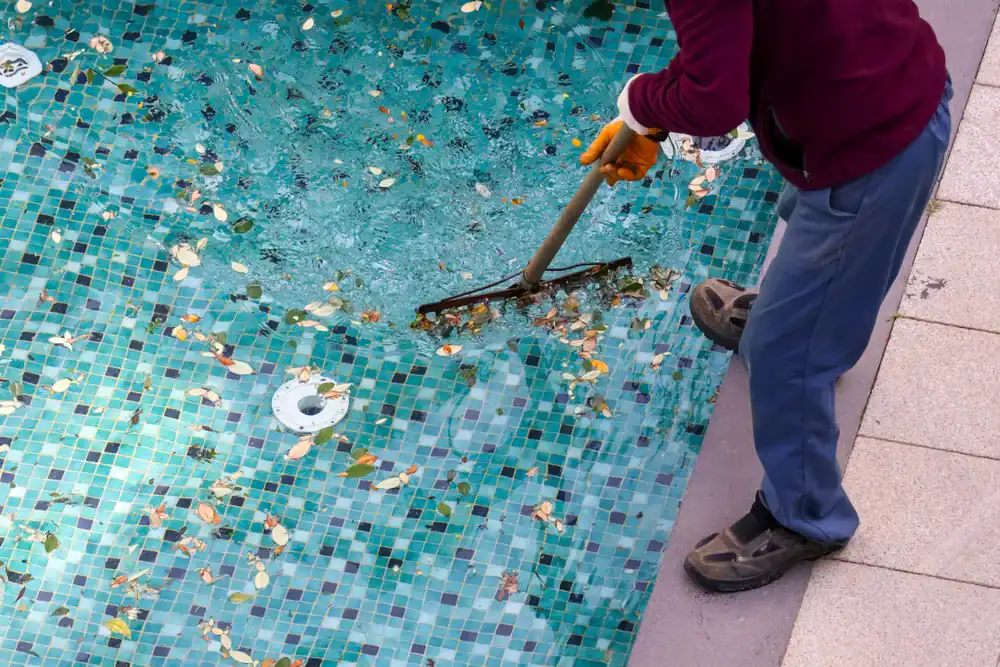
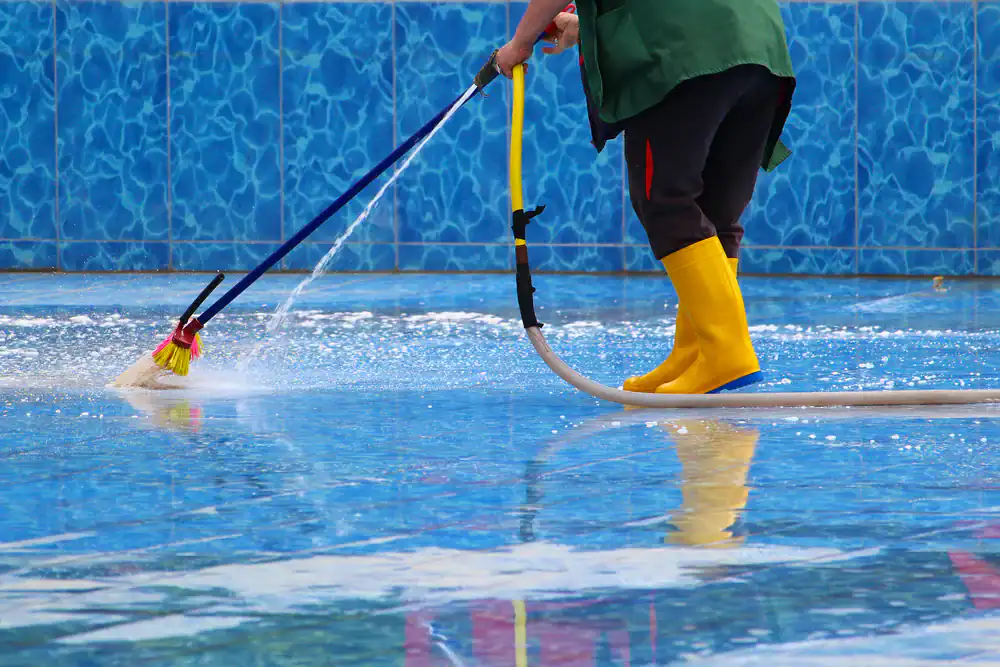
From there, we skim the surface, brush the walls and stairs, and vacuum the floor. Skimmer and pump baskets get cleared out completely during pollen season along the Alapaha River corridor, that step alone can make the difference between a functioning pump and a stressed one. Filters get backwashed as needed, and any chemical adjustments are made before we leave.
After the visit, you get a service report that tells you exactly what was tested, what was treated, and whether anything needs attention. No mystery billing. No wondering if someone actually came by. If something looks like it’s heading toward a repair, you’ll hear about it before it becomes an emergency not after.
Ready to get started?
Routine weekly service covers the full scope water testing and chemical balancing, surface skimming, wall and floor brushing, vacuuming, skimmer and pump basket cleaning, and filter maintenance. That’s not a checklist we rush through. Each step connects to the next, and skipping one creates a problem somewhere else down the line.
Beyond weekly maintenance, we handle seasonal pool care calibrated to South Georgia’s actual weather not a northern climate’s schedule. Alapaha does see overnight lows in the low-to-mid 30s during winter, and pool plumbing that isn’t properly prepared for a freeze event can crack. We don’t over-engineer the winterization process, but we don’t skip it either. Opening and closing are done right so your equipment is protected and your pool is ready when the season changes.
If your pool has already gone green, we handle remediation too. Shock treatment, algae clearing, and full chemical rebalancing are part of what we do not something we refer out. And because we build and repair pools in addition to maintaining them, if a service visit turns up an equipment issue, we can handle it directly. One company, one call, no runaround.
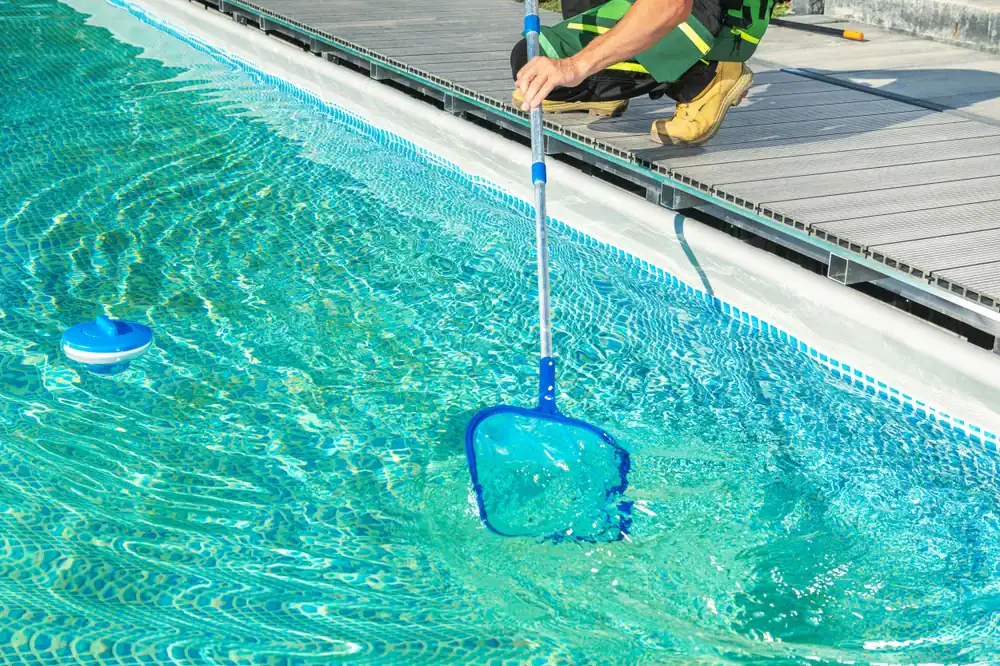
For most homeowners in Alapaha, weekly service is the right call from roughly April through October. South Georgia summers are long and hot, and pool water in this climate doesn’t stay balanced on its own for more than a few days during peak heat. Chlorine degrades faster when water temperatures climb into the upper 80s, which happens consistently here from late spring through early fall.
During spring, the pine pollen load in Berrien County is heavy enough that skimmer baskets can clog between visits if you’re not staying on top of it. Weekly professional service during that window keeps the equipment running clean and the water chemistry stable. In the cooler months November through March bi-weekly visits are often sufficient, though that depends on how much you’re using the pool and what the weather is doing. We’ll tell you honestly what schedule makes sense for your setup rather than defaulting to the most frequent option.
A full service visit covers water testing and chemical balancing, surface skimming, wall and stair brushing, floor vacuuming, and thorough cleaning of both the skimmer and pump baskets. The filter gets backwashed when needed, and any chemical adjustments chlorine, pH, alkalinity, calcium hardness are made based on what the water tests show that day, not a standard formula applied every time.
After the visit, you receive a service report that documents what was tested, what was treated, and the current condition of your equipment. If something looks like it’s developing into a repair issue, you’ll know about it from that report not when it fails. For Alapaha homeowners who aren’t home during the service window, that documentation is how you stay informed without having to be there in person.
Weekly pool cleaning service typically runs in the range of $80 to $150 per month for standard residential pools, depending on pool size, condition, and how frequently service is needed. One-time visits for a green pool cleanup, post-storm remediation, or a seasonal opening generally fall between $90 and $270 depending on what the pool needs when we get there.
The more useful way to think about the cost is against what it protects. A pump replacement runs $1,500 to $3,000. A full green pool remediation can cost $200 to $500 on top of your regular service rate. Consistent maintenance prevents most of those situations from developing in the first place. For homeowners along the Alapaha River corridor where storm debris and organic load can spike quickly after heavy rain, that protection is genuinely worth the monthly cost.
You can, and some homeowners do. The honest answer is that it depends on how much time you have and how comfortable you are with water chemistry. Testing and balancing chemicals correctly takes more than dropping a test strip in the water alkalinity, pH, calcium hardness, and stabilizer levels all interact with each other, and getting one wrong affects the others. In South Georgia’s summer heat, those levels shift faster than in cooler climates, which means more frequent testing and adjustment.
The other factor is equipment maintenance. Skimmer and pump baskets need attention at least weekly more often during pollen season in Berrien County. Filters need backwashing on a schedule. Brushing walls and vacuuming the floor consistently prevents algae from getting a foothold. If you have the time and the inclination to stay on top of all of that, DIY is workable. If your schedule is full and the pool is a place to relax rather than a project to manage, professional service usually pays for itself in avoided repairs and saved time.
A pool left unattended for two weeks in an Alapaha summer is a pool that will almost certainly need remediation when you get back. Chlorine levels drop, algae takes hold quickly in warm water, and debris accumulates in the skimmer until the pump is working against restricted flow. By the time you return, you’re looking at a green pool, a stressed pump, and a chemical rebalancing job that costs more than several weeks of regular service would have.
For families in Berrien County including those connected to Moody Air Force Base who may be away for extended periods having a reliable maintenance schedule in place before you leave is the simplest way to avoid that situation. We keep your pool on its regular service schedule while you’re gone, and the service reports give you a clear picture of what happened while you were away. You come home to clean water, not a project.
It’s mild enough that full northern-style winterization isn’t necessary but it’s not mild enough to ignore. Alapaha sees overnight lows in the low-to-mid 30s°F during winter months, and occasional frost events are part of the local weather pattern. Pool plumbing, fittings, and equipment that aren’t properly prepared for a freeze can crack or fail when temperatures drop, and those repairs are expensive and avoidable.
The approach we use for South Georgia pools isn’t the same as what you’d do in Ohio. We’re not draining lines to six feet below the skimmer or pulling equipment into storage for five months. It’s a calibrated process protecting the components that are actually at risk in this climate without going overboard on a pool that may still be usable through much of the winter. If you’ve skipped winterization in the past because “it doesn’t really freeze here,” that logic tends to hold right up until the one January night it doesn’t and that’s usually when the repair calls come in.