

Hear from Our Customers
You get your weekends back. No more spending Saturday mornings testing pH levels or vacuuming debris. No more guessing whether your chlorine is right or wondering why the water looks cloudy even after you shocked it.
Your pool stays swim-ready. That means balanced chemicals that don’t sting eyes or fade swimsuits. Clear water that looks inviting, not questionable. Equipment that runs efficiently because someone’s actually checking the filters and baskets before they clog.
You avoid the expensive surprises. Algae blooms that require drain-and-refills. Pump failures from debris buildup. Stained plaster from unbalanced water. Regular residential pool cleaning in GA isn’t just about appearance—it’s about protecting what you’ve invested in your backyard.
We’ve maintained pools in Douglas County for over 30 years. We know how Georgia clay affects your water chemistry. We understand how our humid summers accelerate algae growth and how our mild winters still require attention to prevent equipment damage.
We’re licensed and insured, which matters more than most people realize until something goes wrong. We built our reputation in Lax and the surrounding area by showing up consistently and fixing problems before they become emergencies.
You’re not getting a national franchise that rotates technicians every few months. You’re getting local expertise that understands your pool because we’ve likely serviced others just like it in your neighborhood.
We start with water testing. Not just chlorine—we’re checking pH, alkalinity, calcium hardness, and stabilizer levels. These numbers tell us what your pool needs before problems show up visually.
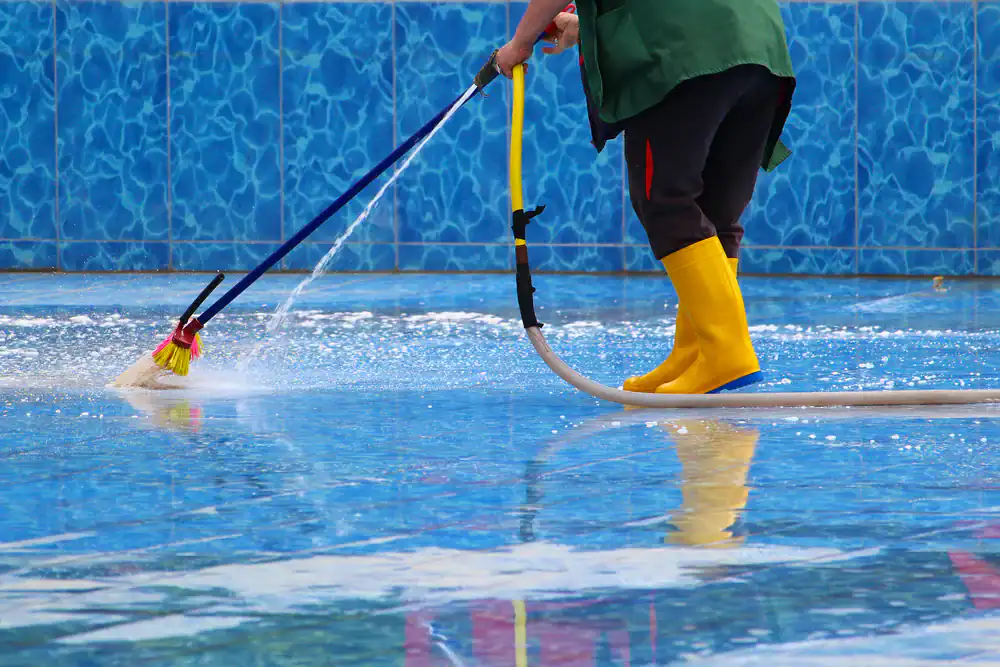
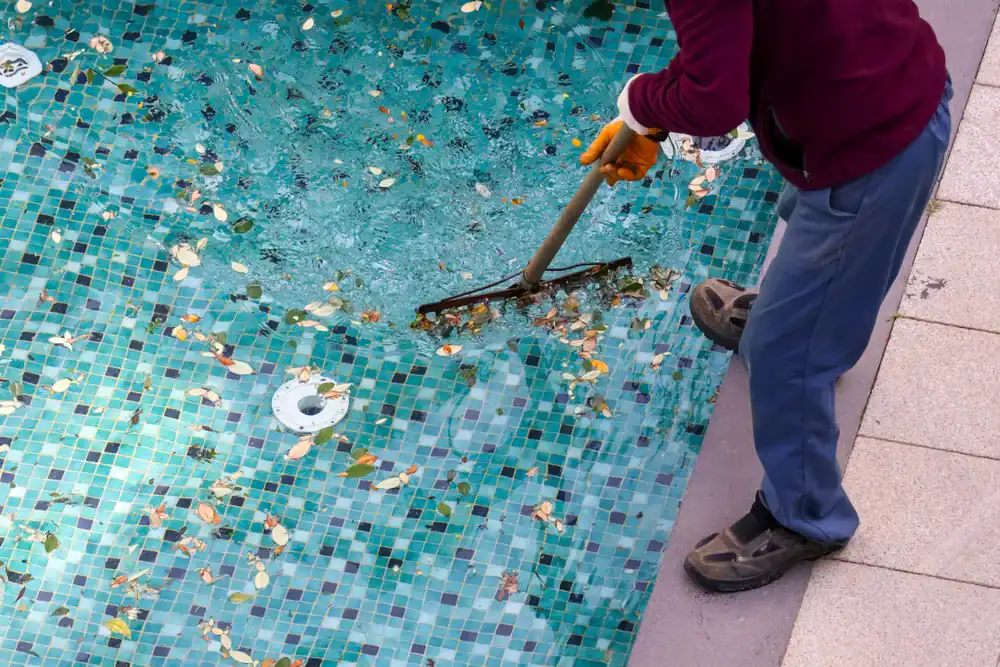
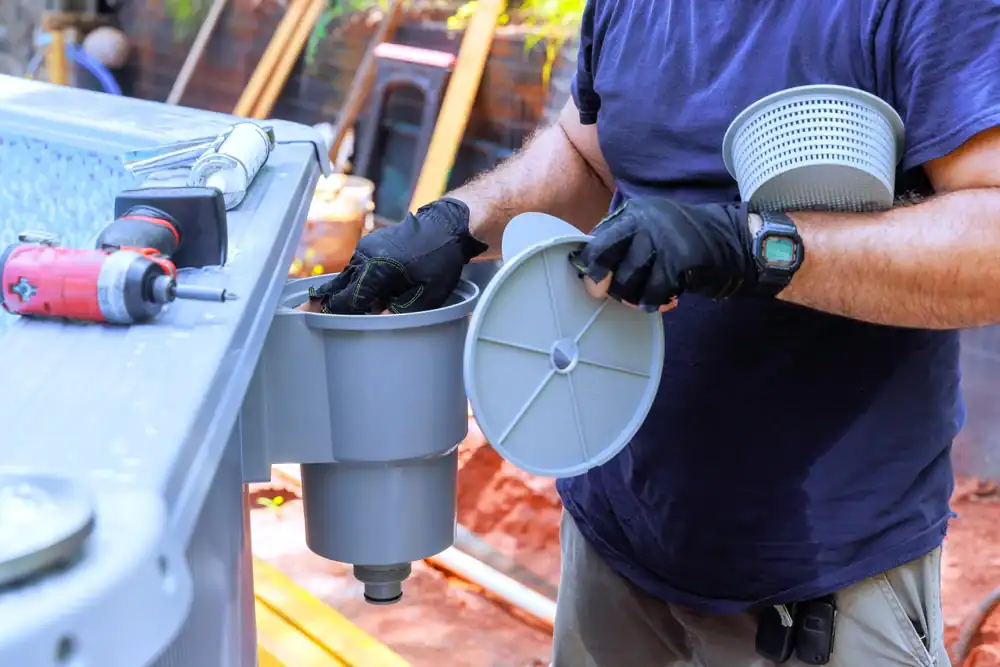
Then we handle the physical cleaning. Skimming surface debris, brushing walls and steps, vacuuming the floor, and emptying skimmer and pump baskets. We’re checking your equipment while we’re at it—looking for leaks, unusual sounds, or pressure readings that signal developing issues.
Chemical balancing comes next. We add what’s needed based on the test results and what we know about your specific pool. Cement pools in this area often need different treatment than fiberglass or vinyl because of how the surface interacts with water chemistry.
You get a service report after each visit. You’ll know what we did, what we found, and what might need attention soon. No surprises, no guessing about whether the work actually happened.
Ready to get started?
Every visit covers the essentials: water testing and balancing, surface skimming, wall and floor brushing, vacuuming, filter cleaning, and equipment inspection. We’re not just making your pool look clean—we’re maintaining the systems that keep it functioning.
Chemical balancing is where most pool owners struggle. You need the right chlorine level to sanitize without irritation. The pH has to stay in range or your chlorine stops working effectively. Alkalinity buffers pH swings. Calcium prevents plaster etching but causes scaling if it’s too high. We track all of this weekly because these levels shift constantly in Lax’s climate.
Georgia’s weather creates specific challenges. Our long swimming season means more sunlight breaking down chlorine. High humidity accelerates evaporation, concentrating chemicals. Afternoon thunderstorms dilute everything. Pollen season dumps organic material that feeds algae. We adjust our approach based on what’s actually happening with your pool, not a generic maintenance schedule.
Equipment checks catch problems early. A small leak becomes a major repair if ignored. A struggling pump uses more electricity and fails sooner. Clogged filters reduce circulation and create dead spots where algae grows. We’re looking for these issues while they’re still cheap and easy to fix.
Most residential pools in Lax need weekly service during swimming season and bi-weekly during cooler months. That’s not a sales pitch—it’s based on how quickly chemistry shifts and debris accumulates in our climate.
Weekly maintenance keeps problems from developing. Algae spores are always present, but they only bloom when conditions favor them—usually when chlorine drops or pH drifts out of range for a few days. By the time you notice green water, you’re looking at shock treatments, algaecide, and possibly draining the pool. Weekly service catches the imbalance before it becomes visible.
If you’re diligent about testing and adjusting chemicals yourself, you might stretch to bi-weekly professional service. But most pool owners we talk to tried that approach and found the time and complexity wasn’t worth the savings. Water chemistry isn’t intuitive, and the test strips from the pool store often aren’t accurate enough to catch problems early.
Cleaning is the physical work—skimming, brushing, vacuuming. Maintenance includes cleaning but adds water testing, chemical balancing, and equipment inspection. You need both, and they happen together during service visits.
Some companies offer “cleaning only” at a lower price, but you’re still responsible for chemistry and equipment. That setup fails because most people don’t have the knowledge or time to handle the technical side. You end up with a pool that looks clean on the surface but has unbalanced water damaging your plaster or equipment developing problems you don’t notice.
Full-service pool maintenance means we’re accountable for everything. If something’s wrong with your water chemistry or equipment, it’s our job to catch it and fix it. That’s the difference between a service that protects your investment and one that just makes your pool look presentable for a few days.
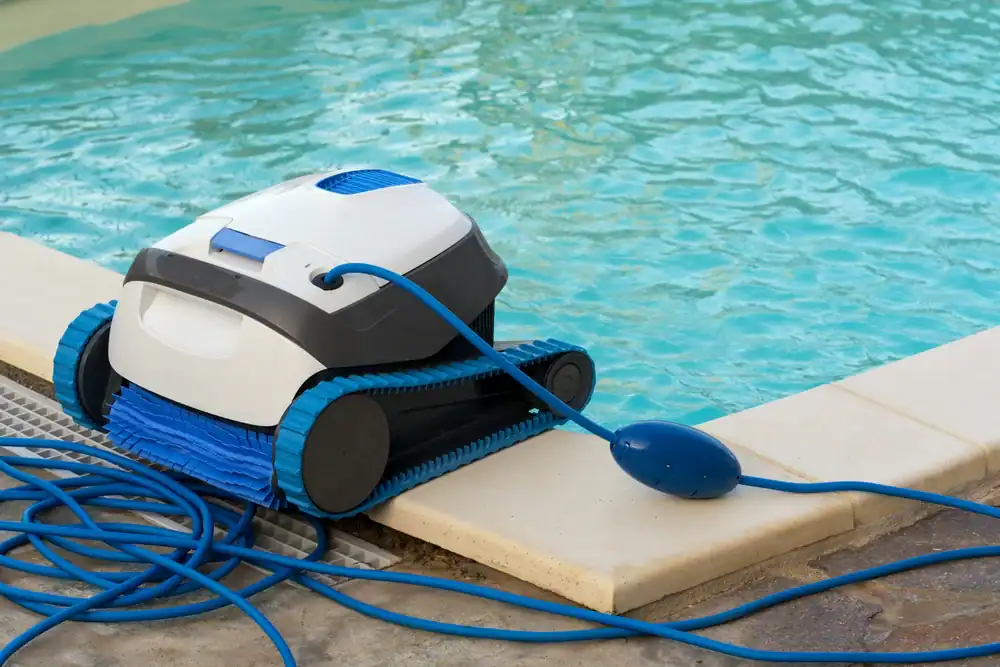
Automatic cleaners handle vacuuming, but they don’t test water, balance chemicals, brush walls, clean filters, or inspect equipment. They’re useful tools, not replacements for professional service.
We actually recommend automatic cleaners to our clients because they reduce debris between visits. But they miss steps and corners, don’t brush effectively enough to prevent algae, and can’t tell you when your pH is climbing or your filter pressure is too high. They also break down and need maintenance themselves.
Think of it this way: an automatic cleaner is like a robot vacuum for your house. Helpful for daily upkeep, but you’re still going to deep clean regularly and handle everything the robot can’t reach or doesn’t know how to do. Your pool needs the same approach—automation for convenience, professional service for actual maintenance.
Pollen season in Lax means daily surface skimming is necessary, and we adjust our chemical approach because organic material affects chlorine demand. Spring is actually one of the most important times for professional service.
Pollen doesn’t just make your pool look dirty—it feeds algae and consumes chlorine as it breaks down. If you’re only skimming the surface, you’re missing the pollen that sinks and accumulates on the floor and in corners. We increase brushing and vacuuming frequency during heavy pollen weeks and often boost chlorine levels to compensate for the organic load.
Your filter works harder during pollen season too. We’re checking and cleaning it more frequently because a clogged filter reduces circulation, creating dead spots where debris settles and algae starts growing. Most pool owners don’t realize their filter needs attention until circulation problems are obvious, by which point you’re dealing with cloudy water and algae blooms.
Your pool doesn’t immediately turn green, but chemistry starts drifting and debris accumulates faster than you’d expect. By week three or four, you’re usually looking at algae growth, cloudy water, or equipment problems that cost more to fix than the service you skipped.
The first week, you’ll probably just notice more leaves and debris. By week two, chlorine levels have likely dropped and pH has shifted—you might see cloudy water or notice the pool doesn’t feel as clean when you swim. Week three is when algae typically appears, starting in corners and on steps where circulation is weakest.
The real cost is in recovery. Bringing a neglected pool back to proper condition often requires shock treatments, algaecide, extra chemicals to rebalance everything, and additional labor to scrub and vacuum algae. You’ll spend more fixing the problems than you would’ve spent on regular service, plus you lose weeks of swim time while the pool recovers.
We service pools year-round because Georgia’s climate means your pool needs attention even in winter. Skipping off-season maintenance leads to equipment damage, surface staining, and expensive spring startups.
Winter service looks different than summer maintenance. We reduce the frequency to bi-weekly or monthly depending on your pool’s needs, but we’re still checking chemistry, running equipment to prevent freezing damage during cold snaps, and removing debris that would stain your plaster if left sitting all winter.
Pool owners who shut down completely in winter usually face problems in spring. Stagnant water develops algae even in cool temperatures. Equipment seals dry out and crack. Plaster stains from leaves and organic material that sat in the pool for months. We’ve seen pools require acid washing or replastering because of winter neglect that could’ve been prevented with minimal off-season service.