
Hear from Our Customers
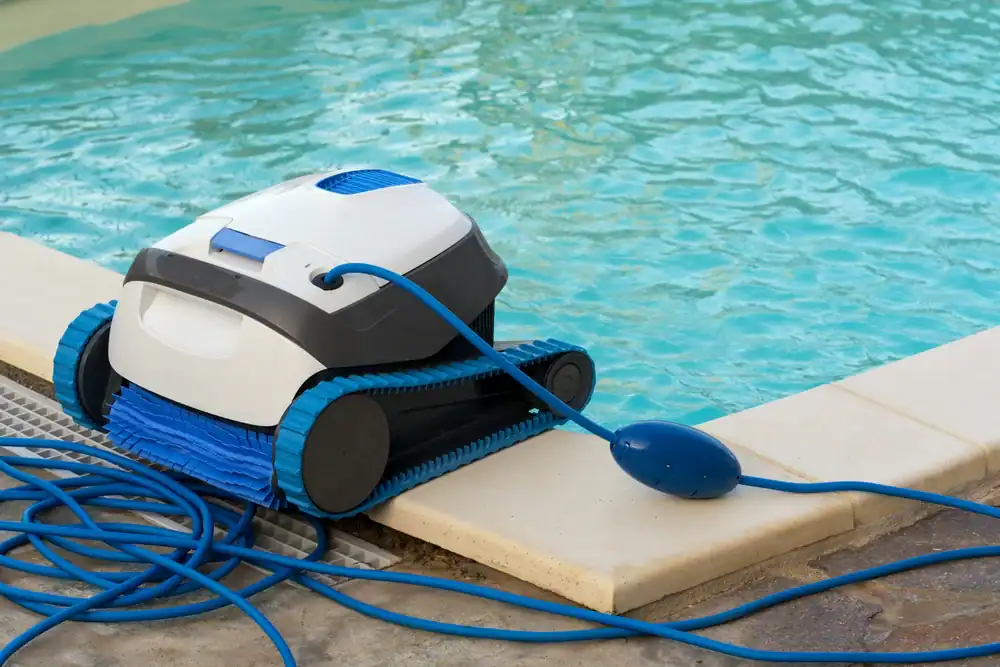
McRae-Helena sits surrounded by pine forests and river bottomland, and from February through April, that environment dumps pollen into your pool faster than most filtration systems can handle it alone. That organic load doesn’t just make the water look bad it depletes your chlorine, clogs your filter, and sets the stage for an algae bloom if nobody’s staying on top of it. A consistent maintenance schedule stops that cycle before it starts.
South Georgia’s summer UV is intense enough to burn through chlorine levels in a single day during peak heat. That means a pool that tested fine on Monday can be borderline unsafe by Wednesday. Routine chemical balancing done on a real schedule, not whenever someone gets around to it is what keeps your water safe for your family, not just clear-looking.
When your pool is actually maintained, you use it. That’s the whole point. You come home from a long week, the water’s ready, the chemistry’s right, and there’s no green film creeping up the walls. For a home in McRae-Helena where your pool is one of the more significant investments on the property, keeping it in good shape isn’t optional it’s just smart.
We’re based in Douglas, GA less than an hour from McRae-Helena down US 341 and have been doing this work in South Georgia for over three decades. Not a franchise. Not a call center dispatching someone from three counties away. An owner-operated company that started because too many South Georgia homeowners were getting burned by contractors who made promises they didn’t keep.
That same standard applies to every maintenance visit we make in McRae-Helena and Telfair County. You get transparent pricing before the work starts, a service report after every visit, and a consistent schedule you can actually count on. No surprise invoices. No guessing whether the job got done.
We know this region the soil, the water chemistry, the climate patterns that affect pools differently here than anywhere else. When we show up at your McRae-Helena property, we’re not applying a generic checklist. We’re applying real experience from thirty-plus years of working in conditions just like yours.
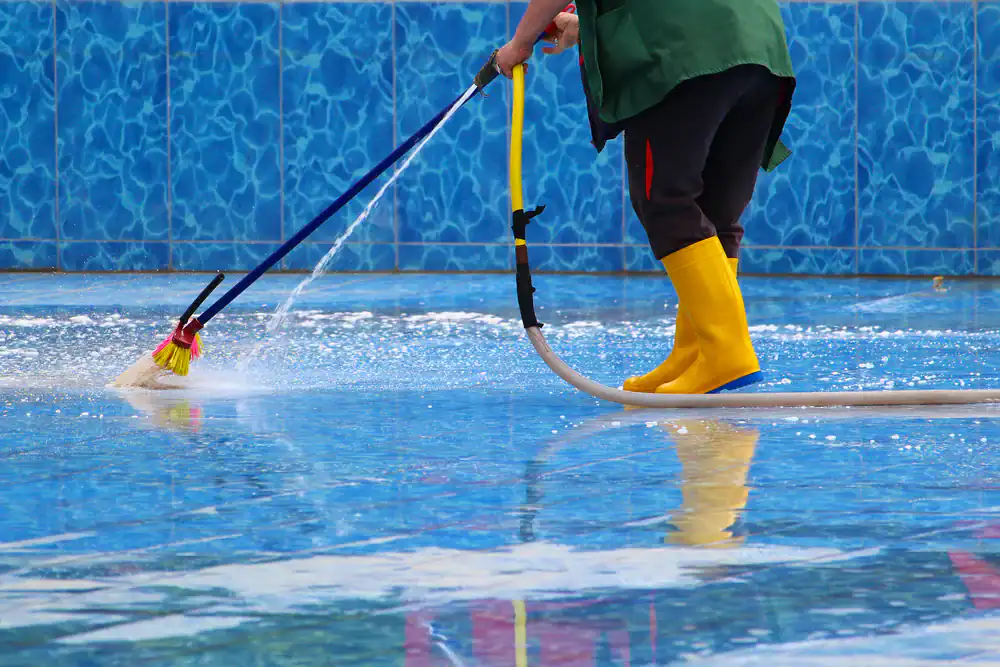
Every service visit starts with a full visual inspection of your equipment pump, filter, skimmer baskets, and water line. In South Georgia’s extended pool season, small issues like a partially clogged pump basket or a cracked skimmer lid have a way of becoming expensive repairs fast. Catching them early is part of the job, not an upsell.
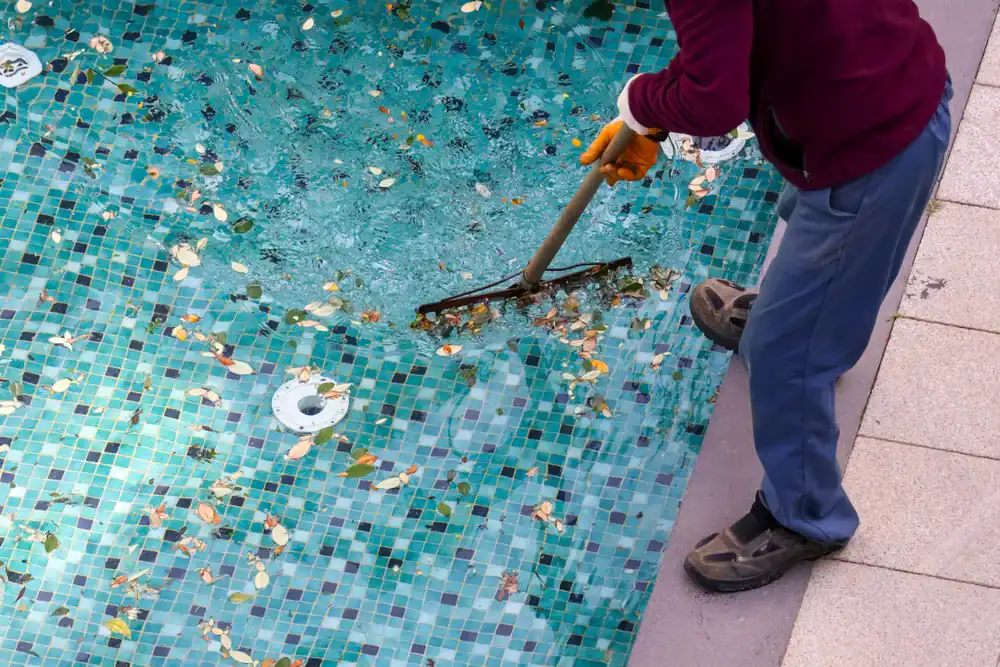
From there, we pull and clean the skimmer and pump baskets, skim the surface for debris, and brush the walls and floor as needed. Given the organic load that comes off the pine trees and bottomland surrounding McRae-Helena, this step matters more here than in a lot of other markets. We’re not just scooping out a few leaves we’re removing the material that’s actively working against your water chemistry.
Then we test your water across the full chemistry profile chlorine, pH, alkalinity, stabilizer, calcium hardness and balance accordingly. You get a service report after every visit that tells you what we found, what we adjusted, and what to keep an eye on. If you’re at work during the visit, you’ll know exactly what happened when you get home. Seasonal opening and closing follow the same standard done right, documented, no shortcuts.
Ready to get started?
Pool cleaning service in McRae-Helena isn’t one-size-fits-all. The combination of high heat, intense UV, heavy pollen seasons, and the occasional winter freeze event creates a maintenance environment that demands real attention across the full year not just during summer. Our service covers routine maintenance visits, chemical balancing, debris removal, skimmer basket cleaning, and seasonal pool care for both the opening and closing of your pool each year.
Chemical balancing here means testing and adjusting the full chemistry profile, not just dropping in chlorine tablets and calling it done. Stabilizer levels matter in South Georgia’s UV exposure. pH and alkalinity affect both your equipment and your family’s comfort in the water. Calcium hardness affects your plaster and tile. We test all of it, every visit.
Seasonal care is especially important in McRae-Helena, where winters are mild but not freeze-proof. Temperatures do dip below freezing in Telfair County, and plumbing lines that aren’t properly winterized can crack during a cold snap. A proper seasonal closing protects your equipment through the dormant months and means your pool is ready to open clean in the spring not sitting on a repair bill before you’ve even had your first swim.
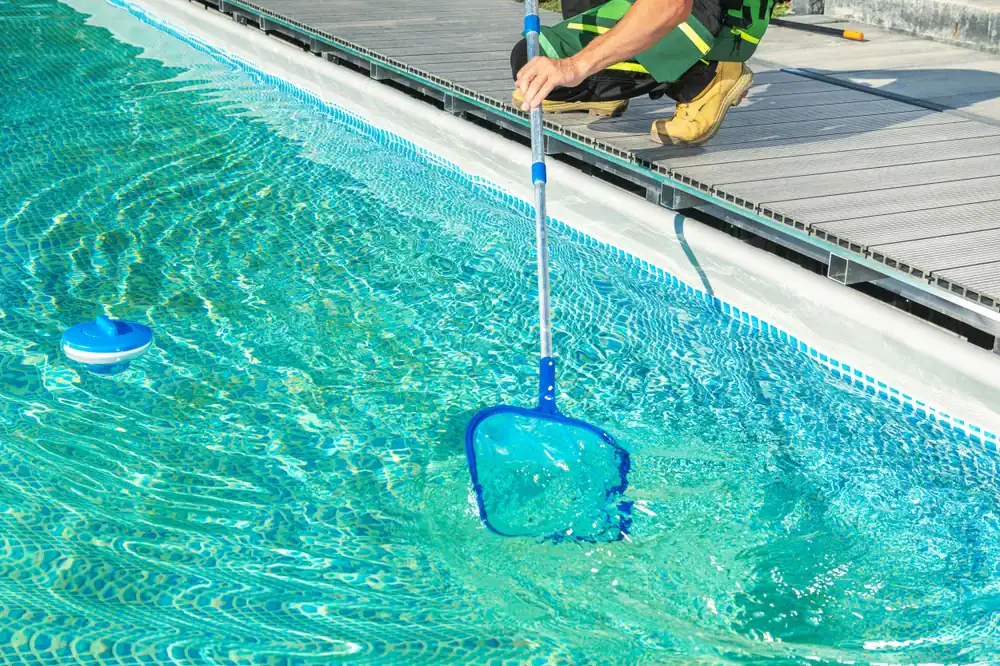
For most McRae-Helena homeowners, weekly service during the active pool season roughly April through October is the realistic standard, not an upsell. South Georgia’s summer heat pushes water temperatures high enough that chlorine demand spikes significantly. Algae can establish in a matter of days when chlorine drops below 1 ppm, and in this climate, that can happen between visits if the chemistry isn’t dialed in correctly.
During the cooler months, bi-weekly or monthly visits are often sufficient to maintain water quality and protect equipment. But the transition periods early spring when pollen is loading the water, and late fall when leaves are dropping often need closer attention than mid-winter. The honest answer is that the schedule depends on your specific pool, your tree coverage, and how heavily it gets used. We’ll give you a straight recommendation based on what we actually see, not a package that’s priced for maximum visits.
A standard maintenance visit covers surface skimming, skimmer basket and pump basket cleaning, brushing of walls and floor as needed, full water chemistry testing, and chemical balancing across all key parameters chlorine, pH, alkalinity, stabilizer, and calcium hardness. Every visit ends with a written service report so you know exactly what was done and what was found.
What that means in practice for a McRae-Helena pool is that we’re addressing the specific things that degrade water quality here the pine pollen and organic debris that loads up fast in this environment, the chlorine burn-off that comes with South Georgia’s UV intensity, and the equipment wear that happens when skimmer baskets go unchecked through a long, hot summer. We’re not running through a generic checklist. We’re working through what your pool actually needs based on what we find when we get there.
Chemical balancing means testing and adjusting six key water chemistry parameters: free chlorine, pH, total alkalinity, cyanuric acid (stabilizer), calcium hardness, and total dissolved solids. Each one affects the others, and each one affects your pool differently. Low pH corrodes your equipment and irritates eyes and skin. High stabilizer levels make chlorine less effective a real problem in South Georgia where you’re already fighting intense UV degradation. Imbalanced calcium hardness leads to scaling on your plaster and tile over time.
The reason it matters more in McRae-Helena’s climate than in a lot of other places is the combination of heat, UV, and organic debris load. Chlorine burns off faster here. Algae grows faster here. A pool that’s chemically balanced on Monday can be out of range by Thursday during peak summer. Professional chemical balancing on a consistent schedule is what keeps your water safe and your equipment intact not just aesthetically acceptable, but genuinely functional and healthy for the people swimming in it.
Yes and the reason is specific to this area. McRae-Helena winters are mild compared to most of the country, but temperatures do drop below freezing, sometimes reaching into the upper 20s. That’s cold enough to crack plumbing lines and damage equipment that wasn’t properly winterized. A single freeze event can cause $500 to $1,500 or more in plumbing repairs far more than the cost of a proper seasonal closing.
Beyond freeze protection, maintaining water chemistry through the dormant season matters too. A pool that sits untreated through the winter will develop staining, scaling, and algae growth that requires significant remediation before you can use it in the spring. A proper seasonal closing lowering water levels, treating the water, protecting the equipment, and covering the pool correctly means you open in April to a clean, balanced pool instead of a green one that needs days of work before it’s swimmable.
Pricing varies based on pool size, how much debris loading your specific yard produces, and how many visits per month make sense for your situation. We price transparently, and we’ll give you a clear number before any work starts.
The more useful way to think about the cost is against the alternative. A single algae remediation treatment runs $200 to $500. Replacing a burned-out pump from a clogged skimmer basket runs $300 to $800. A cracked plumbing line from an improperly closed pool can run $500 to $1,500 or more. In McRae-Helena where your pool represents a meaningful share of your property value, consistent professional maintenance isn’t an added expense it’s what keeps the bigger expenses from showing up.
It’s a fair question. Douglas is less than an hour from McRae-Helena via US 341 and US 23 the same highway corridor that connects these two South Georgia communities so the distance is manageable. But the more relevant answer is what that proximity actually represents: we’ve been working in South Georgia for over thirty years, in the same climate, the same soil conditions, and with the same water chemistry characteristics that affect every pool in McRae-Helena and Telfair County.
The honest reality in McRae-Helena’s market right now is that there’s no dominant local pool cleaning service actively serving this area. Register’s Pool Supplies on East Ave carries chemicals and equipment, but recurring professional maintenance is a different service entirely. What we bring is a regional company with real experience in conditions identical to yours, a consistent schedule, transparent pricing, and accountability through documented service reports which is exactly what most pool owners in McRae-Helena haven’t been able to find locally.