
Hear from Our Customers
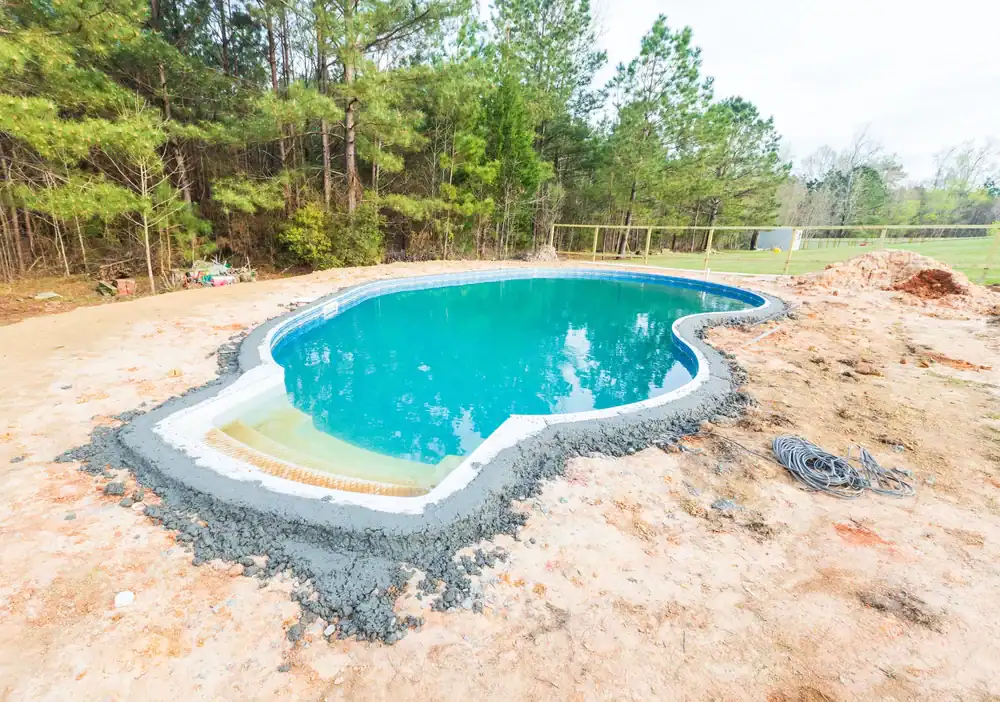
You’ll have a pool that fits your property, not a cookie-cutter design dropped into your backyard. That means working with the land you’ve got—whether it’s sloped, wooded, or wide open—and building something that makes sense for how you’ll actually use it.
Most families around Denton are on multi-acre lots. You’ve got the space, and you want a pool that takes advantage of it without looking like an afterthought. Custom inground cement pools let you control the shape, depth, features, and finish. You’re not picking from three options in a catalog.
And when it’s done, you’re not just adding a pool. You’re creating a space where your family actually wants to be. Weekends look different. Summer feels longer. You stop talking about driving somewhere and start staying home more often.
We operate out of Douglas, Georgia, and we’re a licensed pool contractor serving Denton and the surrounding Douglas County area. We specialize in custom inground cement pools, renovations, and full-service repairs.
Most of the homes we work on sit on larger lots—properties where homeowners are building custom or upgrading what’s already there. That’s the Denton market. People aren’t looking for the cheapest option. They’re looking for someone who shows up, does the work correctly, and doesn’t disappear when something needs fixing.
We’ve built pools on sloped yards, wooded properties, and open acreage. We handle the grading, the permits, the inspections, and the finish work. You’re not coordinating five different contractors. You’re working with one team from start to finish.
It starts with a site visit. We walk your property, talk about what you want, and figure out what’s realistic given the terrain, access, and your budget. If your yard has a slope or drainage issues, we address that up front—not halfway through the job.
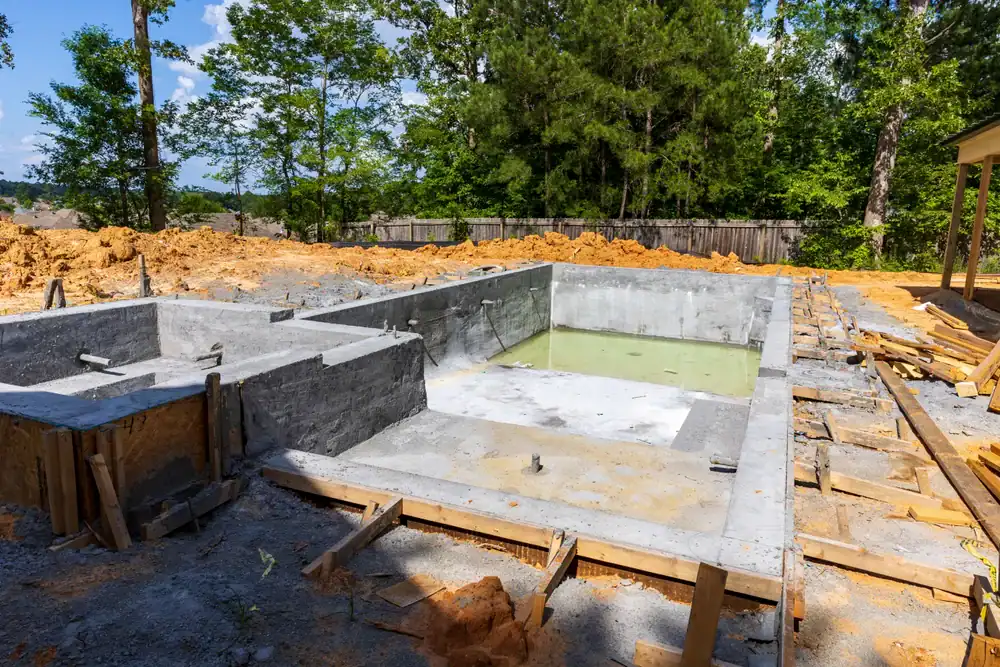
Once the design is set, we pull permits and schedule excavation. The hole gets dug, plumbing and electrical go in, and then we form and pour the concrete shell. This is where quality matters most. Shortcuts here show up later as cracks, leaks, or structural problems.
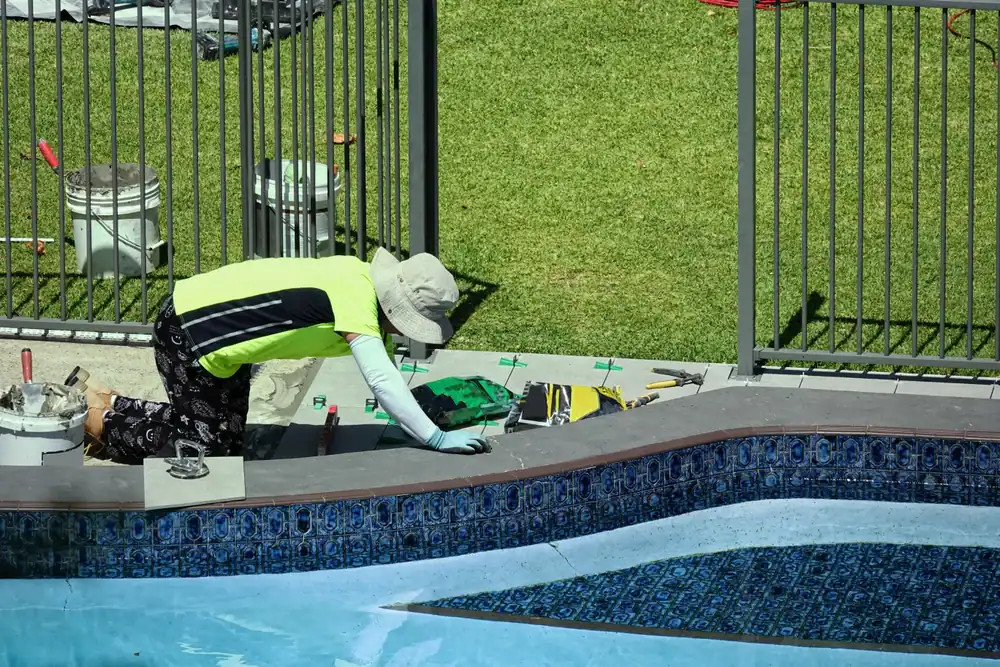
After the shell cures, we install your filtration system, add the interior finish (plaster, pebble, or tile), and build out any decking or hardscape around the pool. Then we fill it, balance the water, and walk you through how everything works. You’ll know how to run the pump, clean the filter, and handle basic maintenance before we leave.
Ready to get started?
Every custom pool we build includes site prep, excavation, steel reinforcement, concrete shell construction, plumbing, electrical, filtration system installation, and your choice of interior finish. We also handle all permitting and inspections required by Douglas County.
You’ll choose your pool shape, depth, entry style, and features like benches, steps, or swim-outs. If you want a spa, waterfall, or built-in lighting, those get integrated during construction—not tacked on later. Decking is part of the project too, whether that’s concrete, pavers, or stone.
Denton properties tend to have more space than typical suburban lots, so we’re often building larger pools with custom features that take advantage of the setting. If you’re near wooded areas, we plan for shade and debris. If your lot is open, we design for sun exposure and wind. It’s not one-size-fits-all.
The typical build timeline is 8 to 12 weeks depending on weather, inspections, and the complexity of your design. We’re not the fastest option, but we’re not cutting corners to hit an arbitrary deadline either.
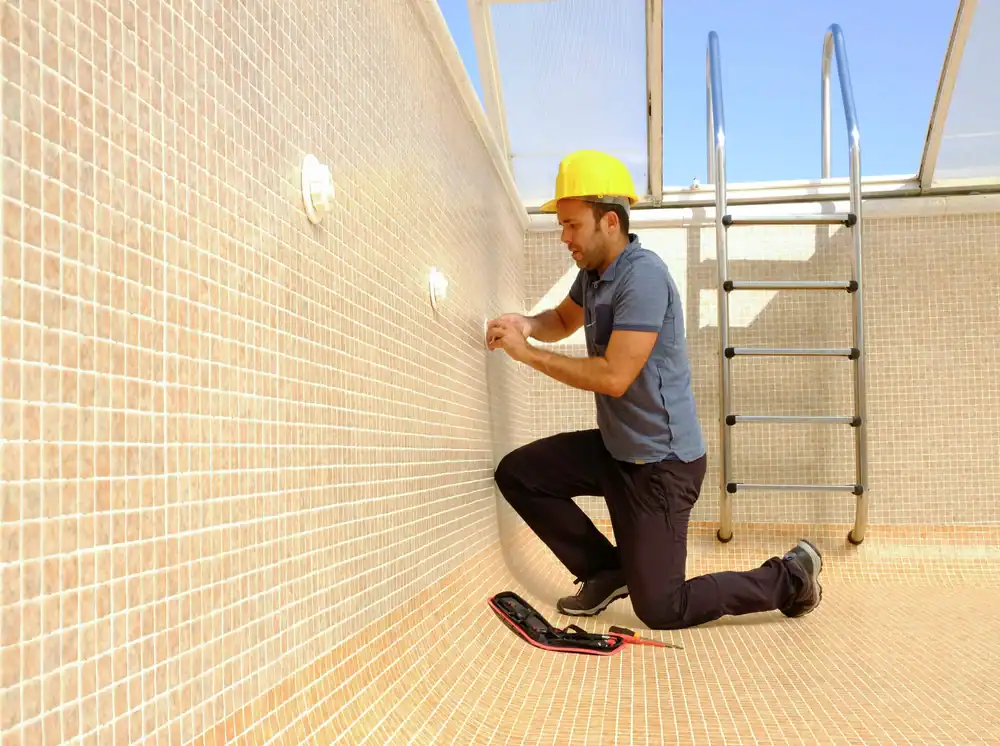
Most custom inground concrete pools in the Denton area run between $40,000 and $65,000, depending on size, features, and site conditions. That’s for a complete installation—excavation, shell, plumbing, equipment, finish, and basic decking.
If your property has challenging terrain, needs significant grading, or requires additional drainage work, that adds to the cost. Same goes for custom features like spas, waterfalls, built-in seating, or upgraded finishes like glass tile or pebble interiors.
We don’t give quotes over the phone because every property is different. A flat, accessible lot is straightforward. A sloped, wooded property with limited access requires more labor and equipment. We’ll visit your site, assess what’s involved, and give you a detailed estimate that covers everything—not a low number that balloons once we start digging.
Plan on 8 to 12 weeks from the day we break ground to the day you’re swimming. That includes excavation, construction, inspections, finishing, and startup.
Weather impacts the timeline more than anything else. Heavy rain delays concrete work. Freezing temps mean we can’t pour or finish. Permit approvals through Douglas County typically take one to two weeks, and inspections have to happen at specific stages—you can’t skip ahead.
If you’re adding complex features like a spa, custom lighting, or extensive hardscaping, expect the longer end of that range. We’re not rushing to hit a deadline if it means compromising the quality of the build. You’re better off waiting an extra week than dealing with a poorly constructed pool that cracks or leaks a year later.
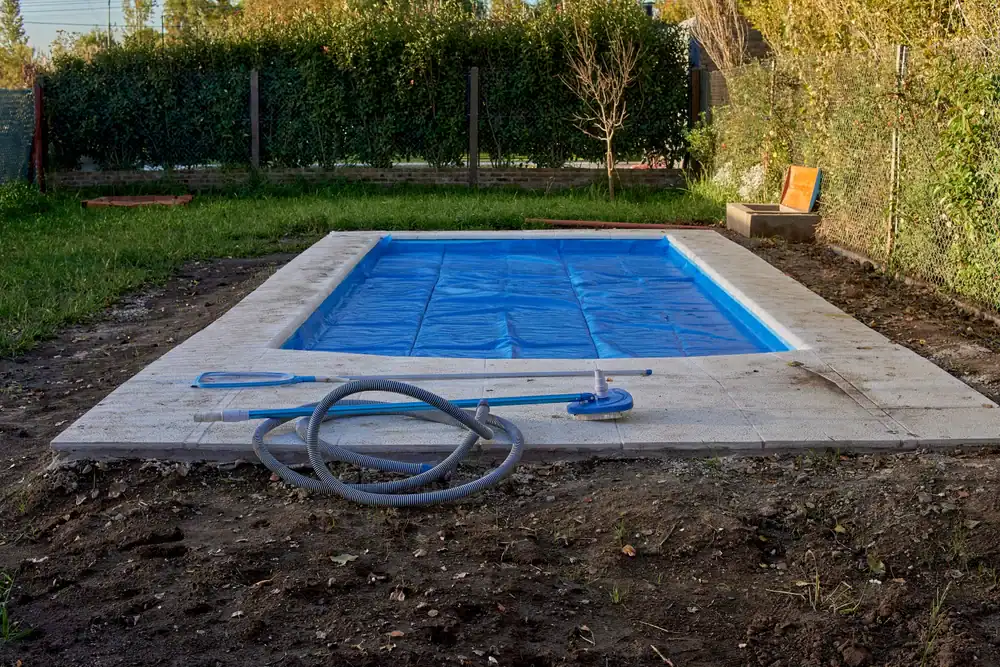
You’ll need to check and balance your water chemistry weekly, clean the skimmer and pump baskets regularly, and brush the walls and floor to prevent algae buildup. Most pool owners spend 30 minutes to an hour per week on basic upkeep.
Your filtration system does the heavy lifting, but it only works if you maintain it. That means backwashing or cleaning your filter every few weeks depending on usage and debris load. If you’re near trees, you’ll deal with more leaves and organic matter, which means more frequent cleaning.
Annual costs for chemicals, electricity, and water typically run $1,200 to $1,800. You can reduce energy costs by upgrading to a variable-speed pump, which uses significantly less power than older single-speed models. If you don’t want to handle maintenance yourself, most pool service companies in Douglas County charge $100 to $150 per month for weekly service.
Yes. Georgia law requires a barrier around any residential pool that’s deeper than 24 inches. That can be a fence, wall, or the walls of your house if doors have self-closing, self-latching mechanisms.
The fence has to be at least four feet high, and any gaps or openings can’t be wider than four inches. Gates need to be self-closing and self-latching, with the latch at least 54 inches above ground. These aren’t suggestions—they’re code requirements, and they’ll be checked during your final inspection.
Most homeowners in Denton install a fence that encloses the pool area separately from the rest of the yard. That gives you flexibility with pets, kids, and guests without restricting access to your entire property. We can recommend local fence contractors who know the code requirements and work on the same timeline as the pool build.
Yes, and we do it regularly in Douglas County. Sloped lots actually offer some advantages—you can create a more dramatic design with elevated decking, retaining walls, or a vanishing edge that takes advantage of the grade.
The trade-off is cost. Sloped sites require more excavation, grading, and often retaining walls or additional drainage to manage water runoff. Depending on the severity of the slope, you might also need engineered solutions to ensure long-term stability.
We’ll evaluate your property during the site visit and tell you what’s required. Some slopes are manageable with standard grading. Others need significant earthwork or structural support. Either way, you’ll know up front what’s involved and what it costs—no surprises halfway through the project.
We handle repairs and service for all the pools we build, and we also fix pools installed by other companies. Most issues fall into a few categories: equipment failure (pumps, heaters, filters), surface damage (cracks, staining, plaster deterioration), or plumbing leaks.
Pumps and heaters are the most common service calls. Pumps typically last 8 to 12 years depending on usage and maintenance. When they fail, we replace them with updated, energy-efficient models that cost less to operate. Heaters last a bit longer but eventually corrode or develop leaks, especially if water chemistry hasn’t been balanced properly.
Surface repairs depend on the type of finish you have. Plaster lasts 7 to 15 years before it needs resurfacing. Pebble finishes last longer—often 15 to 20 years. If you’re seeing cracks, rough spots, or staining, we’ll assess whether it’s a cosmetic issue or a structural problem. Most repairs can be done without draining the entire pool, but full resurfacing requires a drain, prep, and reapplication.