
Hear from Our Customers
A pool that isn’t getting consistent professional attention in Deenwood’s climate isn’t just inconvenient it gets expensive fast. Waycross summers regularly hit 90°F with humidity pushing past 76% in August. At those levels, chlorine burns off faster than most homeowners realize, and all it takes is one missed week for algae to take hold. Remediation alone can run $200–$400 in chemicals and labor. That’s before you factor in any equipment damage.
The homes in Deenwood tell their own story too. A significant portion of the housing stock here was built between the 1940s and 1960s, which means a lot of pools in this area have been through decades of South Georgia weather, ground movement from coastal plain soils, and equipment that’s well past its prime. A pool that looks fine on the surface can be quietly developing a slow leak, a cracking shell, or a pump that’s working twice as hard as it should.
When you stay on top of pool maintenance with us, you’re not just keeping the water clear. You’re protecting an asset. A properly maintained inground pool adds real value to a home in a warm-climate market like this one. A neglected pool does the opposite and buyers notice.
We’ve been operating since 2014, but the experience behind Deep Waters Pools goes back over 30 years of hands-on work in South Georgia the same coastal plain soils, the same humid summers, and the same county-level permitting processes that Deenwood homeowners deal with. This isn’t a franchise following a manual. We’re a team that has seen what this region does to a pool over time and built our entire service model around it.
Ware County’s unincorporated areas come with their own set of requirements building permits through the county, environmental health review for homes on private septic systems, and Georgia’s pool safety codes that don’t get any simpler just because there’s no city hall involved. We know how that process works and handle it as part of the job.
From the older brick ranches near Deenwood Baptist Church to the newer builds in Winona Park, the pools in this area each have their own history. We bring the kind of experience that recognizes problems early, quotes repairs honestly, and shows up when it’s scheduled not just when it’s convenient.
It starts with understanding what we’re working with. Whether you’re calling about weekly maintenance, a piece of equipment that’s acting up, or a pool that’s been sitting without service, the first step is a straightforward assessment what’s the current condition, what does it need, and what’s the most practical path forward. No upsell pressure, no vague estimates.
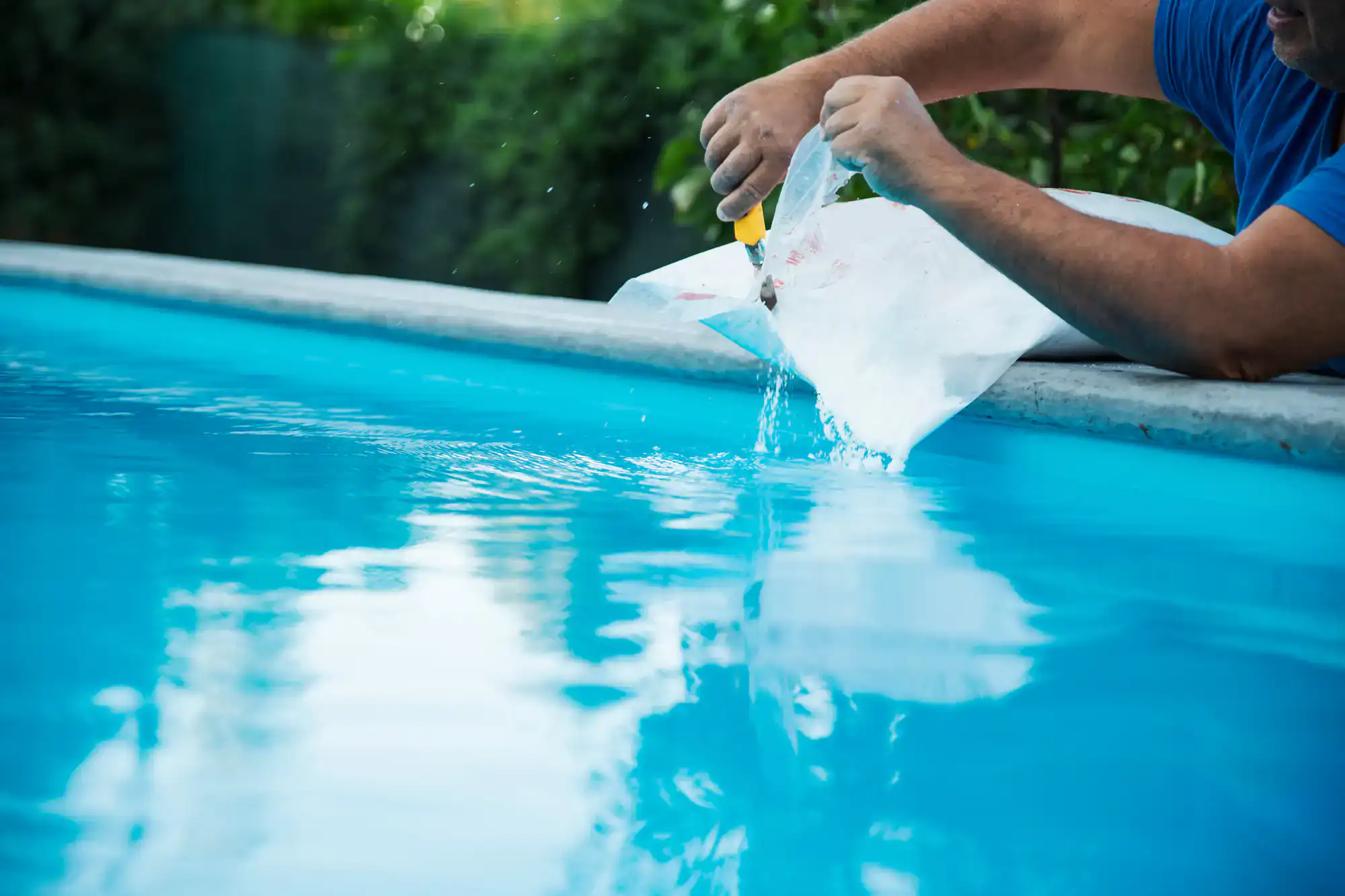
For weekly maintenance visits, we show up on schedule, test and adjust your water chemistry, inspect your equipment, clean filters and skimmer baskets, and leave you a clear record of what was done. For Deenwood pools specifically, that chemistry check matters every single week during summer. The combination of heat, rainfall, and organic debris especially given the proximity to Ware County’s natural surroundings keeps pool water in a constant state of flux. Skipping a week here isn’t like skipping a week somewhere with a drier climate.
For repairs, leak detection, liner work, or heater installation, the process is the same: a clear diagnosis, a written scope of work, and no surprises when the invoice comes. If a job requires a Ware County building permit, we handle that coordination. You don’t have to figure out what the county needs that’s already part of how we work here.
Ready to get started?
We cover the full range of what a pool in this area requires weekly maintenance, pool equipment repair, leak detection, pool liner replacement, and heater installation. We service all major equipment brands: Hayward, Pentair, Jandy, Sta-Rite, and Zodiac. That matters in a neighborhood like Deenwood, where older homes may have any number of brands installed over the years, and a company that only services what it sells leaves you stranded.
Weekly maintenance is built around Deenwood’s specific conditions not a generic checklist. That means accounting for the heavy summer rainfall that dilutes alkalinity and chlorine levels, the organic debris load that comes with South Georgia’s natural environment, and the occasional hard freeze that Waycross does see. The recorded low here is 4°F. Heaters, pipes, and pump housings are all vulnerable when that happens, and equipment that’s been properly maintained weathers those events far better than equipment that hasn’t.
Leak detection and liner replacement are particularly relevant for Deenwood’s older pool stock. Concrete pools built in the 1950s and 1960s have been through decades of ground movement in coastal plain soils, and what looks like minor surface wear can be the early sign of something that gets significantly more expensive if it’s left alone. Catching it early and fixing it right is the entire point.

For most pools in Deenwood, weekly professional maintenance during the swim season is the realistic standard not a upsell. Waycross-area summers are genuinely demanding on pool chemistry. When temperatures are consistently above 90°F and humidity is pushing 76% or higher, chlorine burns off faster than it does in cooler or drier climates. A pool that tests fine on Monday can be out of balance by Thursday, and by the following Monday it may already be showing the early signs of an algae bloom.
The rainfall here adds another layer. Deenwood and the broader Ware County area get close to 49 inches of rain per year, with June being the heaviest month. Every significant rain event dilutes your chlorine and alkalinity levels and introduces organic matter into the water. Weekly service catches those shifts before they become visible problems. Bi-weekly or monthly service in this climate typically means you’re spending more on remediation than you would have spent on consistent maintenance.
A standard weekly maintenance visit covers water chemistry testing and adjustment, skimmer basket and pump basket cleaning, filter inspection, and a visual check of your equipment for anything that looks off. You’ll receive a record of what was tested, what was adjusted, and what was found so you’re not left wondering whether the visit actually happened or what was done while you were at work.
For Deenwood pools specifically, that equipment inspection matters more than it might in other markets. A lot of the pools in this area have older systems original or near-original equipment that’s been running for decades. A pump that’s starting to work harder than it should, a filter that’s losing pressure, or a heater showing early corrosion from South Georgia’s humidity are all things we catch during a routine visit. Addressing those issues early is almost always cheaper than replacing the equipment after it fails.
The most common sign of a pool leak is water loss that exceeds what you’d expect from normal evaporation. In Deenwood’s summer heat, evaporation can account for about a quarter to half an inch of water per day so if you’re losing more than that consistently, especially without heavy splash-out, a leak is worth investigating. Other signs include soggy ground around the pool, equipment that runs constantly, or chemical usage that seems higher than normal.
Professional leak detection for an inground pool typically runs $300–$1,000 depending on the complexity of the investigation. Repairs, once the source is identified, generally range from $500 to $1,500 for most common scenarios. For Deenwood’s older concrete pools many built during the 1950s and 1960s on coastal plain soils that shift over time leaks are not uncommon and tend to develop gradually. Catching them early, before the surrounding soil becomes saturated or the structural integrity of the shell is compromised, is significantly cheaper than waiting until the problem is obvious.
Yes. Because Deenwood is an unincorporated community, pool construction and major repairs fall under Ware County’s building department rather than any city government. Georgia follows the International Swimming Pool and Spa Code, which all counties are required to enforce, and Ware County requires a building permit before any land disturbance, installation, or construction begins.
There are a few additional requirements worth knowing. Pool equipment must be set back at least 10 feet from the property line. Fencing and barrier details that comply with Georgia’s pool safety requirements need to be included in the site plan. And if your home is on a private septic system which is common in unincorporated Ware County you’ll also need environmental health approval before a permit can be issued, to confirm the pool won’t compromise your drain field. Hiring a contractor who already knows this county-level process means you’re not learning it the hard way through a stop-work order or a failed inspection.
A pool heater in South Georgia’s climate lasts 8–12 years with proper maintenance and closer to 3–5 years without it. The humidity here accelerates corrosion in outdoor equipment, and a heater that isn’t being serviced regularly will show the effects of that faster than homeowners typically expect. The good news is that the Deenwood area’s long pool season usable water for roughly 7–8 months of the year means a heater genuinely extends your time in the pool at both ends of the season, not just for a few weeks in spring.
The other factor specific to this area is the occasional hard freeze. Waycross has recorded temperatures as low as 4°F, and when that happens, an unprotected or poorly maintained heater can crack or fail outright. A heater that’s been properly installed, inspected annually, and winterized when needed handles those events without issue. The investment in a quality heater and consistent service pays off in equipment longevity and in the actual hours you get out of your pool each year.
It comes down to the combination of heat, humidity, rainfall, and organic debris that’s specific to this part of South Georgia. When temperatures are consistently above 90°F, chlorine degrades much faster than it does in cooler climates sometimes within 24 to 48 hours of a service visit if the water isn’t properly stabilized. High humidity compounds this by keeping the water temperature elevated even at night, which means algae growth conditions don’t get a break the way they might in a drier climate.
Rainfall is the other major factor. A heavy summer storm in Deenwood doesn’t just add water to your pool it dilutes your chlorine, throws off your pH and alkalinity, and introduces organic material from the surrounding environment. Ware County’s proximity to the Okefenokee ecosystem means there’s no shortage of organic debris in the air and on the ground, and it finds its way into your pool. A pool that was balanced on Monday can be visibly green by the weekend after a few summer storms. Weekly professional maintenance with chemistry adjustments that account for what the weather actually did that week is what keeps that cycle from repeating every month.