Essential guidance for Mora homeowners on selecting trustworthy pool builders and avoiding costly contractor mistakes.
You’ve been dreaming about that perfect backyard pool for years. The family gatherings, the summer relaxation, the property value boost. But here’s what nobody talks about until it’s too late: choosing the wrong pool builder can turn your dream into a financial and emotional nightmare that lasts for years.
In Georgia, homeowners are dealing with contractors who disappear mid-project, demand massive upfront payments, and leave families with concrete holes instead of swimming pools. The good news? You can avoid these disasters entirely by knowing exactly what to look for before you sign anything.
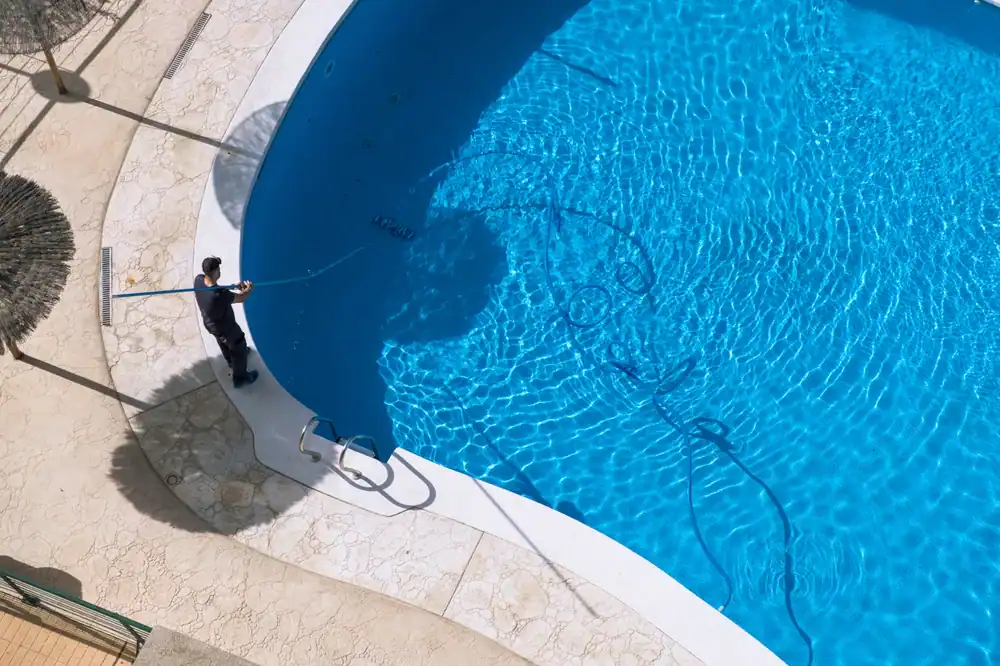
Working with experienced professionals who also offer ongoing pool services can make a major difference. A reliable company doesn’t just build your pool—they help maintain it, balance chemicals, inspect equipment, and ensure everything continues running smoothly long after construction is complete.
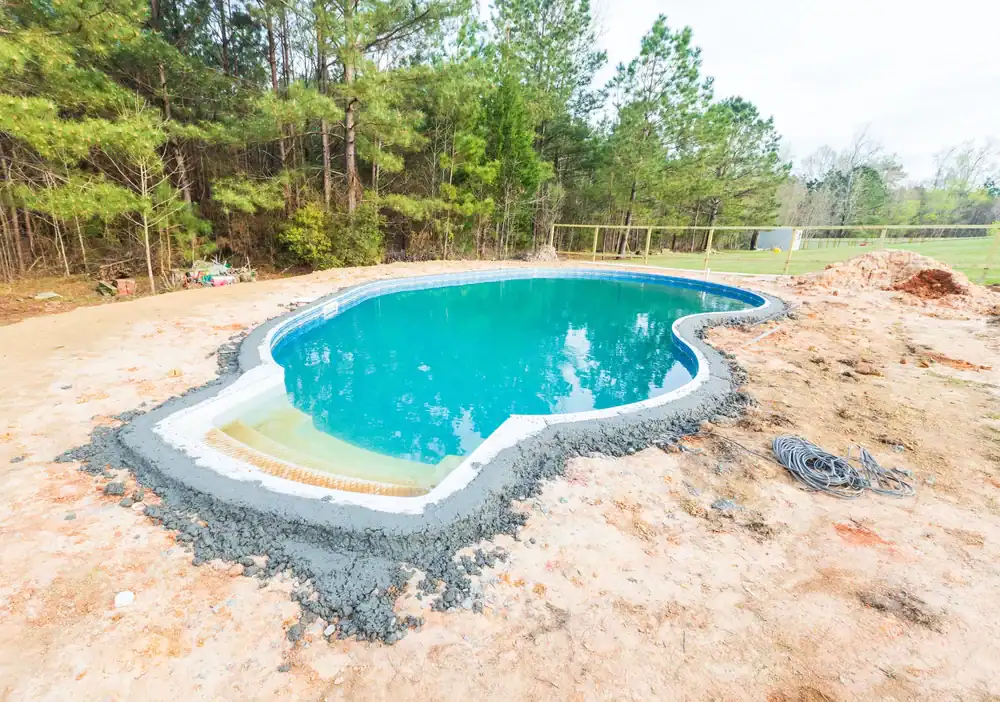
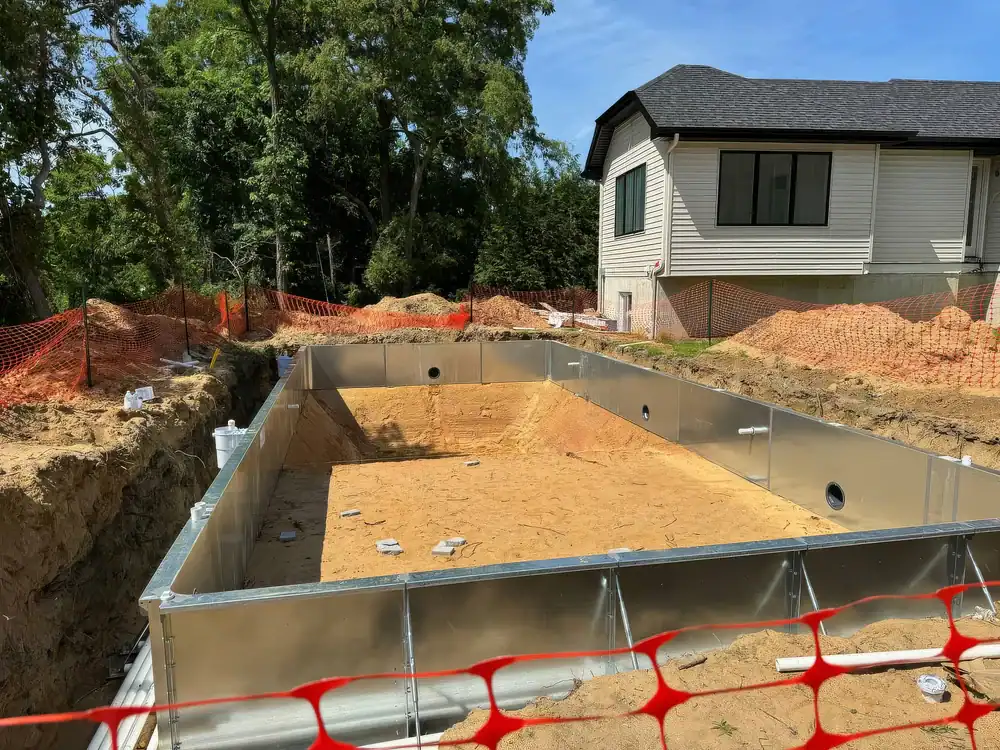
Georgia homeowners are experiencing their second summer without usable pools due to contractors who started strong but abandoned projects. This isn’t just about inconvenience—families have lost tens of thousands of dollars to builders who collected payments and disappeared.
Georgia’s climate means you’ll use your pool extensively throughout the year, with temperatures reaching ideal swimming range for most months, making the right builder choice even more critical for maximizing your investment. When you’re looking at using your pool nearly year-round, you can’t afford to have it sitting unfinished.
The stakes are higher here because of Georgia’s unique construction challenges. Northern Georgia’s red clay soil can be expansive and absorb more water, creating pressure on improperly installed pool structures, while southern Georgia’s sandy soil can shift more easily.
The pattern is predictable: contractors collect 50% at excavation, another 25% at tile installation, and then disappear when they have 75% of your money with their “famous last words” being promises to return on Friday. This payment structure has left families across Georgia with unfinished pools and drained savings accounts.
Avoid any builder who won’t show previous work or insists on large upfront payments. Legitimate contractors understand that their work should speak for itself. If they’re hesitant to provide references or show completed projects, there’s usually a reason.
Watch for contractors who seem to be juggling too many projects simultaneously. Unlike builders who stretch construction timelines by managing multiple projects, quality contractors dedicate undivided attention to one project at a time. This focused approach minimizes disruptions to your daily life and ensures consistent progress.
Communication patterns reveal a lot about future problems. Poor communication and project abandonment are common complaints that leave homeowners dealing with unfinished work. Pay attention to how quickly they respond to your initial inquiries and how thoroughly they answer your questions.
Be especially wary of contractors whose business credentials don’t check out. Some operate with companies that have been administratively dissolved for years, continuing to take on new projects despite being out of compliance with state requirements.
A legitimate pool contractor must have state licensing, liability insurance, and workers’ compensation coverage, and you shouldn’t hesitate to ask for proof since Georgia contractors must meet specific licensing requirements. This isn’t just paperwork—it’s your protection against financial disaster.
Proper licensing ensures your pool builder meets all state and county requirements, while insurance including liability and workers’ compensation protects you from accidents or property damage. Without these protections, you could be personally liable for injuries that occur on your property during construction.
Financial stability includes carrying proper insurance, because homeowners can be ultimately responsible for personal injury of construction workers or lawsuits due to subcontractors’ negligence, leaving consumers open to tremendous liability if the contractor lacks proper coverage.
Don’t just take their word for it. Request to see current certificates of insurance and verify the license numbers with state authorities. Local experience matters because understanding soil conditions and navigating city permits requires builders who work in the area regularly, saving you time and stress.
The licensing requirements exist for good reason. They ensure contractors understand local building codes, safety requirements, and proper construction techniques. State and local laws change periodically, so working with a licensed professional builder helps you understand your responsibilities and ensures your pool meets all compliance requirements.
Want live answers?
Connect with a Deep Waters Pools expert for fast, friendly support.
Reputable builders use milestone-based payment schedules rather than demanding large upfront deposits, with terms clearly spelled out before signing. This payment structure protects you by ensuring you only pay for completed work that meets your approval.
The safest approach involves paying contractors directly after work completion and your project manager’s approval, with no advance payments, clear upfront budgets, and protection against companies going out of business mid-project. This eliminates the risk of losing money to contractors who disappear.
Understanding the typical cost structure helps you evaluate quotes more effectively. Georgia pool prices start in the $33,000-$45,000 range for basic inground pools, but remember that the lowest bid isn’t always the best value.
One of the biggest mistakes when selecting contractors is basing everything on price alone instead of considering the options you want and need. The cheapest option often becomes the most expensive when you factor in delays, poor workmanship, and the cost of hiring someone else to fix problems.
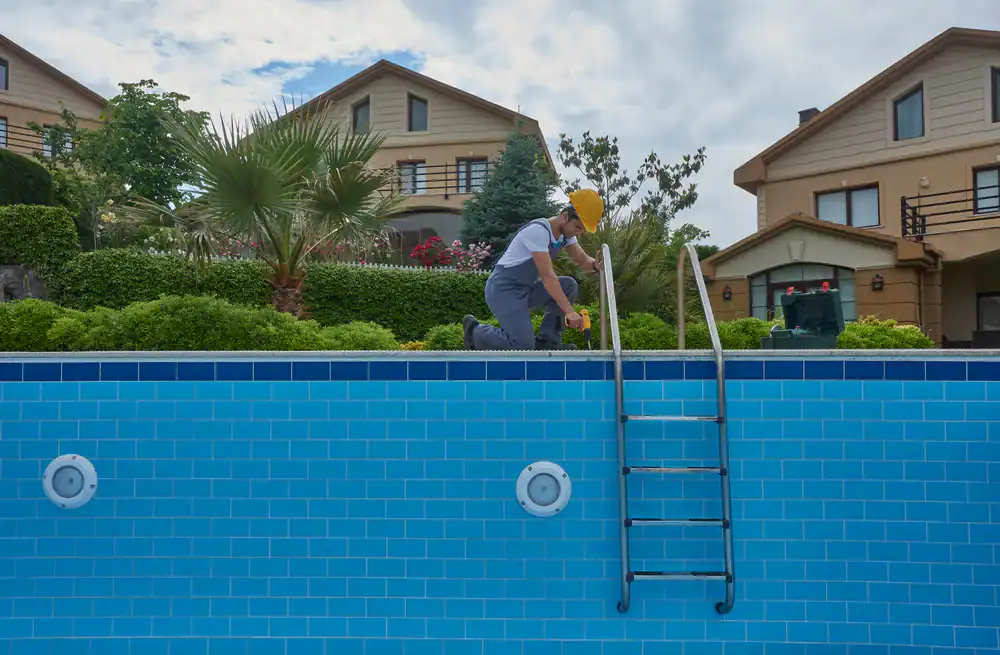
Don’t expect to sign a contract in May and swim by Memorial Day, as custom pool projects typically take 8-12 weeks or more depending on size, weather delays, and permitting, with professional contractors walking you through the full timeline including prep work and inspections. Realistic expectations prevent disappointment and help you plan accordingly.
We aim to complete pool construction within 120 days, though weather conditions, project complexity, and additional elements like cabanas or intricate hardscapes can influence the timeline. Projects involving additional elements may require around 180 days, with “Day 1” typically referring to pool excavation start.
Factors impacting completion time include weather delays, material delays or shortages, and scheduling conflicts, with projects potentially taking most of the pool season depending on your location, making it wise to start getting estimates at least a year before anticipated installation.
Weather plays a significant role in Georgia construction schedules. Summer storms are common in the South, so we plan around Georgia’s seasonal quirks. The best approach is beginning pool planning in late fall or early winter, providing ample time for completion before spring and full enjoyment when hot Georgia summers arrive.
Pool construction is more like a marathon than a sprint, involving multiple specialized crews with distinct skill sets, and while we coordinate efficiently to maintain consistent schedules, occasional delays can result in days without work, which we factor into our completion timeline.
Online reviews are helpful, but talking to past clients directly provides the best insights into communication quality, deadline adherence, and final results, with consistent patterns in feedback being more telling than isolated complaints. One bad review might be a fluke, but several complaints about delays or poor workmanship signal red flags.
A proven track record in your area speaks volumes about a builder’s reliability and craftsmanship, so ask to see photos, videos, or even in-person examples of their work, with quality contractors proud to share portfolios of stunning local projects and connect you with satisfied homeowners.
Get a reference list and contact the references to find contractor strengths and weaknesses, checking Google reviews and asking others who have had similar work done. Don’t just rely on the references they provide—do your own research through online reviews and local community groups.
When evaluating references, ask specific questions about the construction process. How was the communication throughout the project? Did they stay on schedule? Were there any unexpected costs? How did they handle problems that arose? Quality contractors maintain excellent communication, keep clients informed every step of the way, explain everything in detail, stay on schedule, show up when promised, and handle projects with professionalism from start to finish.
Look for contractors who can show you multiple completed projects in your area. Visit active job sites if possible, read reviews on local platforms like Google and the Better Business Bureau, and watch for red flags like vague contracts or pressure to sign quickly.
Choose someone who communicates well, listens to your vision, and makes you feel confident, since this person will be working on your property for weeks or months, and taking time to vet your pool builder upfront saves stress, money, and headaches down the line.
The key questions to ask yourself: Will the company be around if you have problems in a year, five years, or a decade from now? It’s astounding how many contractors have come and gone over the years, with few companies standing the test of time and assuring premium quality projects with long-term satisfaction commitment.
Remember that this investment goes beyond just the pool itself. A pool installation can increase your home’s value by 8-15%, but more than monetary value, you’re investing in quality time with friends and family. The right builder ensures this investment pays dividends for years to come.
Trust your instincts throughout the process. If something feels off about a contractor’s approach, communication style, or business practices, don’t ignore those red flags. Look for trusted pool builders with strong local roots, solid portfolios, and plenty of happy clients. When you find the right match, you’ll know it. Contact Deep Waters Pools today to discuss your pool project with confidence.
Summary:
Share: