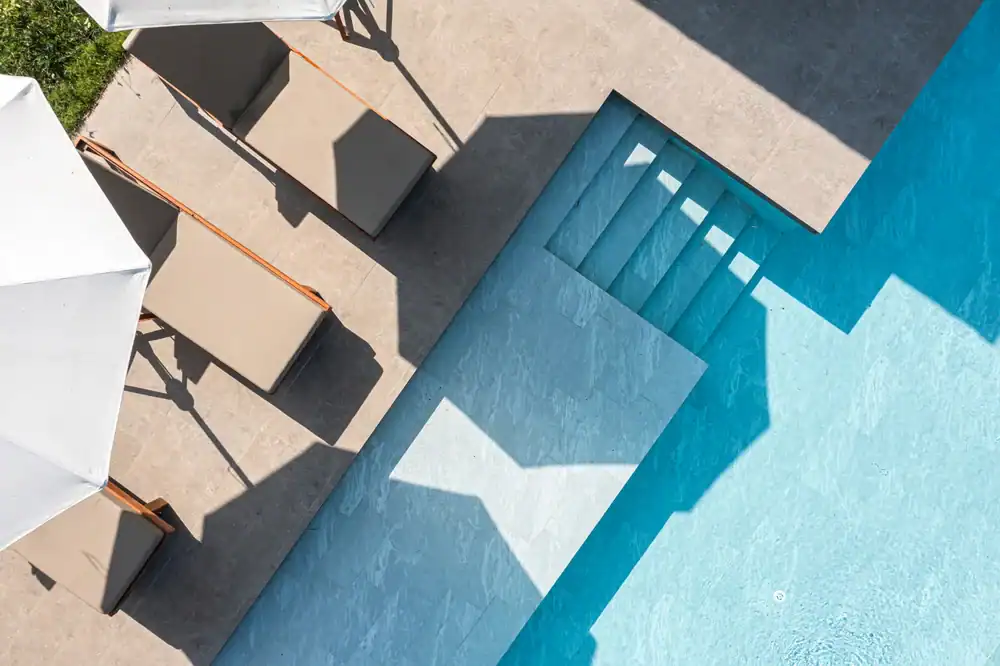
Clean lines, geometric precision, and timeless appeal—minimalist pool design leads 2026 trends. Discover why Coffee County, GA homeowners choose simplicity over complexity for pools that last.
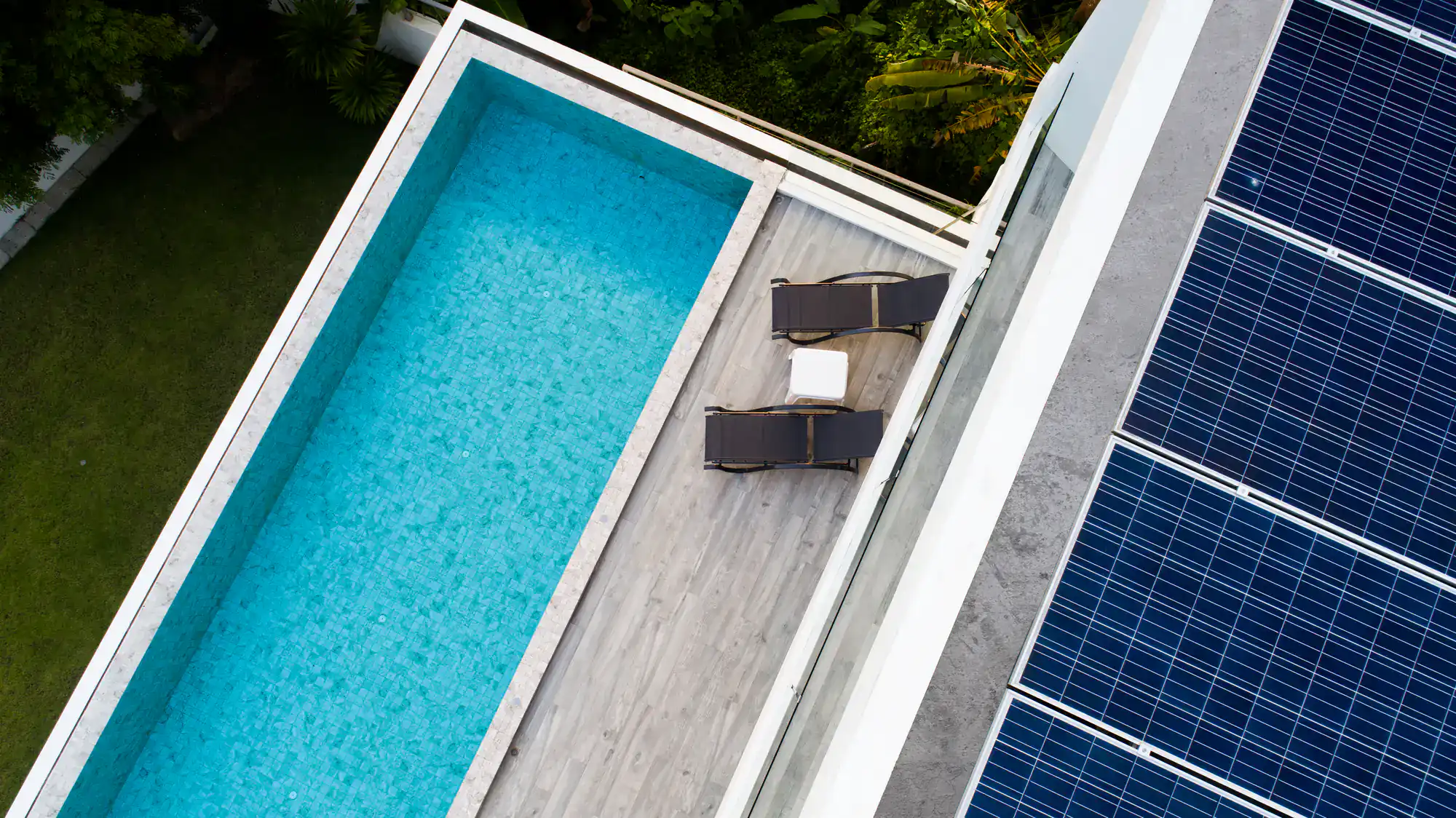
Minimalist pool design strips away unnecessary complexity to focus on what matters most: clean lines, functional space, and timeless visual appeal. Think rectangular shapes, simple geometric forms, and uncluttered surfaces that let the water itself become the focal point. This approach eliminates the decorative excess that dates pools prematurely.
The philosophy centers on “less is more.” Instead of elaborate waterfalls, dramatic curves, and ornate tile work, minimalist pools use subtle sophistication. Straight edges. Monochromatic color palettes in grays, whites, or deep blues. Flush-mounted features that don’t interrupt sight lines. The result feels intentional, not busy.
This design approach works particularly well in Coffee County, GA, where modern and traditional architecture both benefit from pools that complement rather than compete. Your pool becomes an extension of your living space, not a separate entity demanding attention.
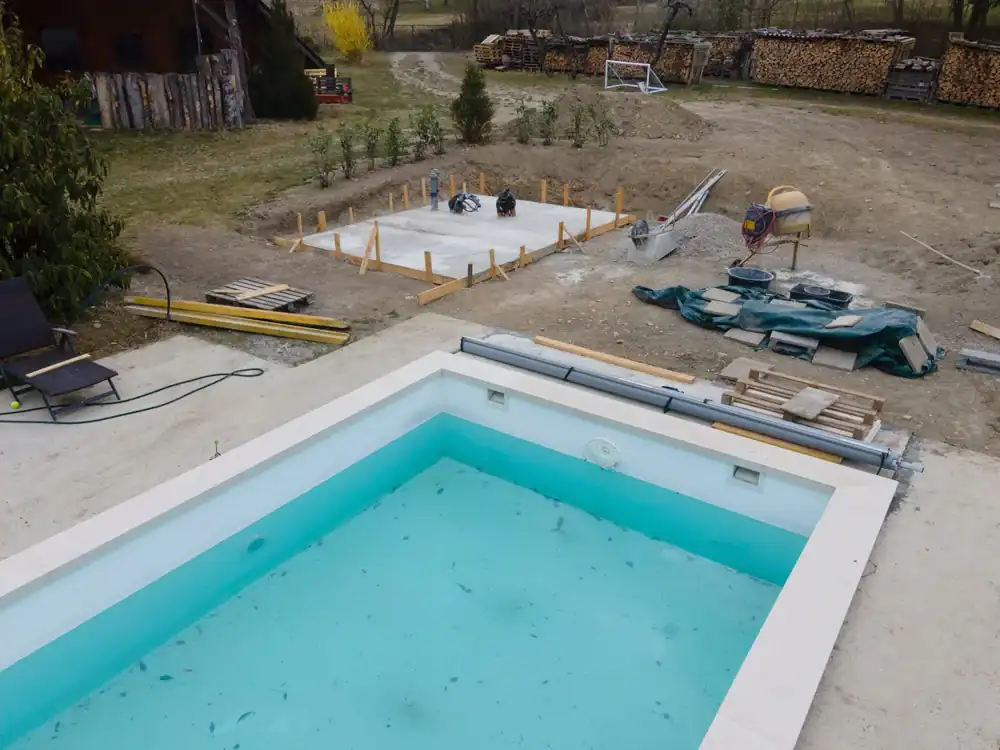
Geometric pools have taken center stage in 2026 because they solve real problems for homeowners. Rectangles, squares, and L-shaped designs aren’t just aesthetically pleasing. They’re practical in ways that freeform pools simply can’t match.
Clean lines create efficient use of space. When you’re working with a typical Coffee County, GA backyard, every square foot matters. A rectangular pool fits neatly into your yard layout, leaving room for outdoor kitchens, fire features, or simply open lawn space for kids to play. Curved, irregular shapes eat up usable area and create awkward dead zones that serve no purpose.
Maintenance becomes dramatically simpler with geometric designs. Straight edges promote better water circulation, which means your filtration system works more effectively. There are no tight curves where debris accumulates. No hidden pockets that your pool cleaner can’t reach. When it’s time to vacuum or skim, you’re done in half the time compared to complex shapes.
The structural benefits matter too, especially in Georgia’s challenging soil conditions. Geometric pools distribute weight and pressure more evenly across the shell. This reduces stress points that can lead to cracks over time. The consistent angles also make it easier to integrate proper drainage systems around your pool deck, which is critical during our summer storm season.
Modern geometric pools pair beautifully with sleek deck integration. Large-format pavers or smooth concrete surfaces with minimal grout lines create that seamless indoor-outdoor flow everyone wants. The clean pool edge meets the clean deck line, and suddenly your entire backyard feels more spacious and cohesive. It’s the kind of design that photographs well and, more importantly, lives well for decades.
These pools also accommodate modern technology more gracefully. Hidden pool covers, LED lighting systems, and automated cleaning equipment integrate into geometric designs without disrupting the aesthetic. Everything tucks away neatly, maintaining those clean lines that define the minimalist approach.
The color story in minimalist pool design has shifted dramatically. Bright blues and tropical teals have given way to sophisticated neutrals and deep, moody tones that create a more refined atmosphere.
Monochromatic color palettes dominate 2026 for good reason. Grays, whites, charcoals, and deep blues create visual calm rather than visual noise. When your pool finish, coping, and deck materials work within a tight color range, the entire space feels more cohesive and intentional. This approach also makes your pool a better backdrop for landscaping. Those pops of green from plants or seasonal flowers stand out beautifully against neutral pool surfaces.
Deep finishes like graphite and midnight blue have become particularly popular. These darker colors create a mirror-like effect on the water’s surface, reflecting sky and surrounding architecture. They also retain heat more effectively, which extends your swimming season in Georgia’s climate. The depth of color adds sophistication without requiring elaborate tile work or decorative elements.
Sleek deck integration completes the minimalist vision. Large-format concrete pavers in light gray or sand tones create expansive, uninterrupted surfaces around the pool. The minimal grout lines mean less visual clutter and easier maintenance. These materials also stay cooler underfoot during Georgia summers compared to darker options, which matters when you’re walking from house to pool on a July afternoon.
Coping choices have evolved too. Flush-edge or knife-edge coping creates that seamless transition from deck to water. The pool edge appears to vanish, which enhances the clean-line aesthetic. Alternatively, simple square-edge coping in matching materials maintains geometric precision without adding decorative fuss.
Material selection focuses on durability and timelessness. Natural stone-look porcelain tiles offer the organic appeal of travertine or slate without the maintenance headaches. These materials resist Georgia’s freeze-thaw cycles, don’t require sealing, and maintain their appearance for decades. When you’re investing in a pool, you want materials that age gracefully rather than show every season of wear.
The monochromatic approach also gives you flexibility for future changes. If you want to refresh your outdoor furniture or update your landscaping in five years, a neutral pool palette works with any direction you choose. You’re not locked into a specific style or color scheme that might feel dated as tastes evolve.
Want live answers?
Connect with a Deep Waters Pools expert for fast, friendly support.
One of the biggest challenges in pool design has always been balancing safety requirements with aesthetic goals. Georgia code requires safety barriers, but traditional pool covers and fencing can destroy the clean look you’re trying to achieve. Hidden pool covers solve this problem elegantly.
Automatic pool covers with recessed under-track systems have become the gold standard for minimalist designs. The cover mechanism installs beneath the pool coping or deck surface, completely hidden from view when not in use. When you need to cover the pool, it deploys smoothly across the water surface at the touch of a button. When you’re ready to swim, it retracts into its concealed housing, leaving nothing but clean pool edges.
These systems do more than look good. They provide legitimate safety protection, often meeting Georgia’s barrier requirements without needing additional fencing. They reduce water evaporation by up to 95%, which matters during our hot, dry summers. They retain heat, cutting your energy costs. And they keep debris out, which means less time spent on maintenance and fewer chemicals needed to keep water balanced.
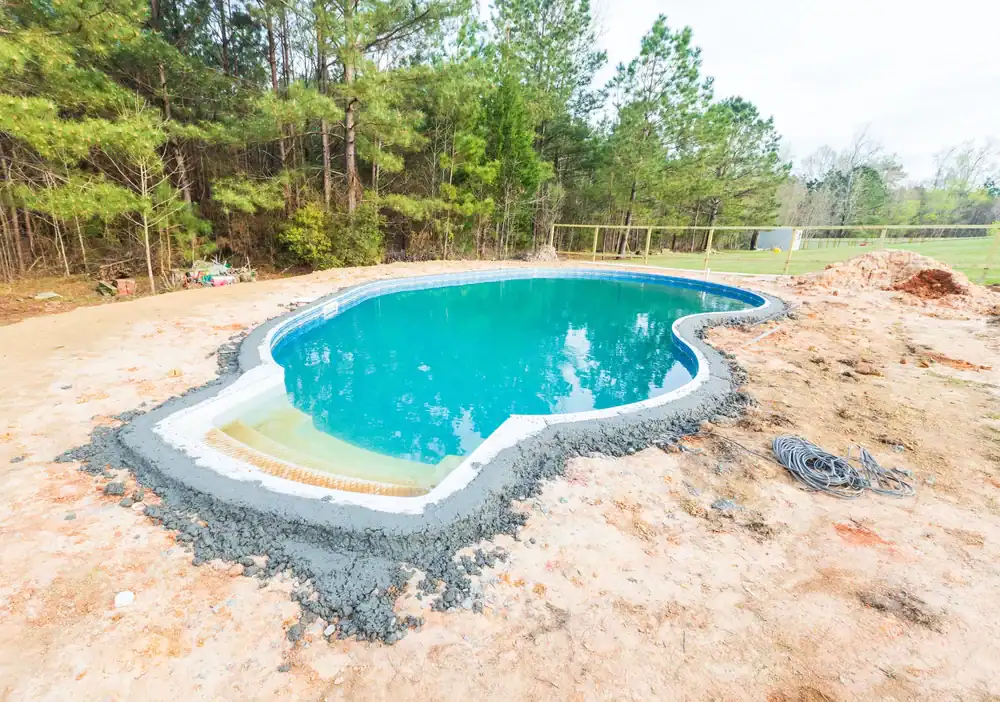
Understanding how these systems function helps you appreciate why they’ve become essential to minimalist pool design. The mechanics are surprisingly straightforward, but the results feel almost magical.
The cover itself consists of connected slats or a continuous vinyl fabric that floats on the water’s surface. These materials are engineered to support significant weight—often 485 pounds or more—which provides safety for children and pets. The slats come in neutral colors like gray, beige, or white that blend with your pool’s aesthetic rather than standing out.
At one end of the pool, typically the shallow end, a motorized roller mechanism sits in a recessed housing. This housing gets built into the pool structure during construction, with a removable deck piece covering it when the system isn’t operating. The track that guides the cover runs along both sides of the pool, either mounted beneath the coping or recessed into the deck edge. When properly installed, these tracks are virtually invisible.
Operation couldn’t be simpler. A key switch or wireless remote activates the motor, which rolls the cover across the pool in 45 seconds or less. The tracks keep everything aligned and prevent the cover from bunching or drifting off course. When retracting, the motor reverses, and the cover rolls back into its housing automatically. No manual effort required. No ropes, pulleys, or complicated mechanisms cluttering your pool deck.
The real advantage comes during construction planning. When you incorporate an automatic cover system from the beginning, we can design the structure to accommodate the equipment seamlessly. The housing dimensions, track placement, and electrical requirements all get factored into the initial plans. This results in a much cleaner installation compared to retrofitting a cover onto an existing pool, which often requires visible equipment and compromised aesthetics.
For Coffee County, GA homeowners, these systems offer particular value. Our summer storms can dump debris into an uncovered pool quickly. Having the ability to cover your pool in under a minute before a storm hits saves hours of cleanup later. The energy savings from reduced evaporation and heat retention can offset the system’s cost within a few years, especially if you heat your pool.
Modern systems also include safety features like auto-stop sensors that prevent the cover from closing if something blocks its path. Diagnostic monitoring alerts you to potential issues before they become problems. And because the mechanical components are sealed away from the elements, they require minimal maintenance beyond periodic inspections.
Minimalist design isn’t just about what you see. It’s about what you don’t see working seamlessly in the background. Smart pool technology has reached a point where your pool can largely take care of itself, freeing you to actually enjoy it.
Automation systems now control every aspect of pool operation from your smartphone. Water temperature, filtration schedules, lighting, and chemical balance all get managed through a single app. You can heat the pool on your drive home from work. Adjust the lighting for evening entertainment. Check chemical levels without walking outside. This “set-and-forget” approach means your pool stays perfectly maintained without consuming your weekends.
Energy efficiency has become standard rather than optional. Variable-speed pumps use 30-50% less electricity than old single-speed models by adjusting their output to actual needs rather than running full-blast constantly. LED pool lighting provides brilliant illumination while drawing minimal power. Solar covers work in tandem with automatic cover systems to maximize heat retention. These features reduce operational costs significantly over the pool’s lifetime.
Water chemistry monitoring has gotten smarter too. Automated systems test pH, chlorine, and alkalinity levels multiple times daily, adding precise amounts of chemicals as needed. This keeps your water balanced consistently, which extends the life of your pool finish and equipment. It also means no more test strips, no more guessing, and no more over-chlorinating because you weren’t sure what your pool needed.
The beauty of integrating this technology into a minimalist design is that it all disappears. Equipment pads get positioned out of sight. Control panels mount discreetly. Wiring runs through conduits hidden beneath decking. When you look at your finished pool, you see clean water, clean lines, and clean surfaces. All the sophisticated technology working behind the scenes remains invisible.
For homeowners concerned about future-proofing their investment, smart systems offer upgrade paths. As new features become available, many can be added to existing automation platforms without tearing out and replacing everything. This means your pool can evolve with technology rather than becoming obsolete.
The combination of hidden covers, smart automation, and energy-efficient equipment creates what many consider the ideal modern pool: beautiful to look at, simple to operate, affordable to run, and safe for families. It’s minimalism in practice—removing complexity from your experience while maintaining sophistication in the design.
Minimalist pool design isn’t a passing trend. It’s a thoughtful approach that prioritizes what actually matters: timeless aesthetics, practical functionality, and designs that enhance rather than complicate your life. The clean lines and geometric shapes that define this style work beautifully in Coffee County, GA, complementing both modern and traditional architecture while addressing our specific soil conditions and climate challenges.
When you choose minimalist design, you’re choosing a pool that will look as sophisticated twenty years from now as it does the day it’s completed. You’re choosing easier maintenance, better space utilization, and technology that works invisibly in the background. Most importantly, you’re choosing to spend your time enjoying your pool rather than servicing it.
If you’re ready to explore how minimalist pool design can transform your outdoor space, we bring over 30 years of experience creating custom pools specifically for Georgia conditions. We understand the balance between clean aesthetics and practical functionality, and we’ll design a pool that works for how your family actually lives.
Summary:
Share: