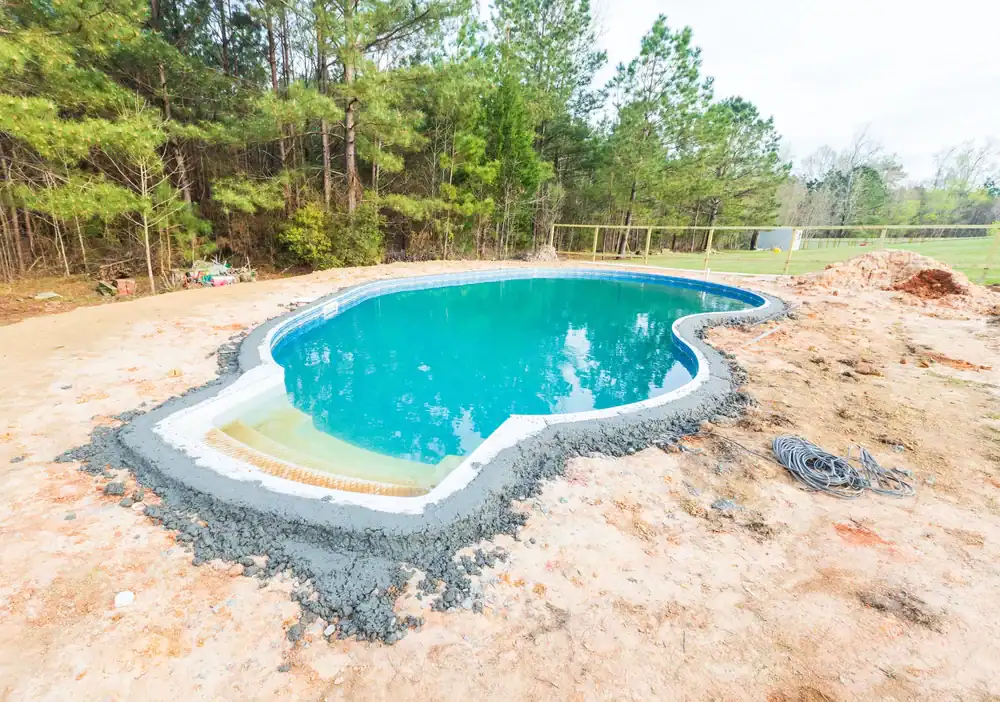
Georgia's mild winters create a unique decision for pool owners: keep it running or close it down. The right choice depends on your equipment, budget, and tolerance for maintenance.
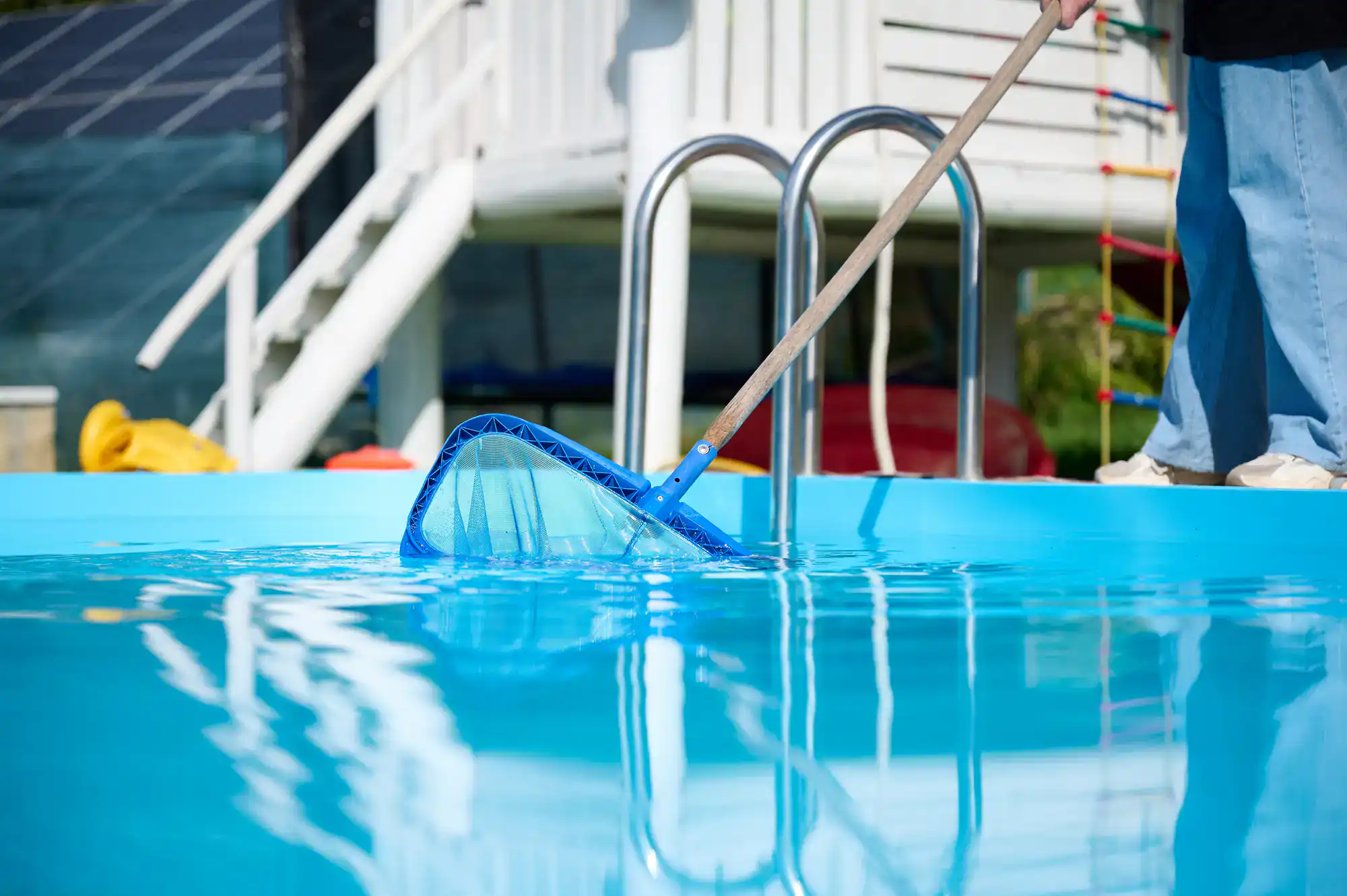
You’ve invested in a pool. Now you’re facing the question every Georgia pool owner wrestles with when temperatures start to drop: do you keep it running, or do you shut it down for the season?
It’s not a simple answer. Georgia’s winters are mild enough that both options make sense, depending on your setup, your schedule, and what you’re willing to manage. But the wrong choice can cost you—either in wasted chemicals and electricity, or in cracked pipes and green water when spring rolls around.
This guide breaks down what each approach actually involves, what it costs, and how to avoid the mistakes that turn a smart decision into an expensive one. If you own an above ground pool, the decision can be even more flexible since these pools are easier to maintain and winterize compared to permanent installations. Let’s start with what it means to keep your pool open year-round.
In Georgia, you don’t have the brutal winters that force northern pool owners to drain and cover everything. That gives you an option most other states don’t have: keeping your pool operational through the cooler months.
This doesn’t mean you’re swimming in January. It means your equipment stays active, your water stays balanced, and you skip the hassle of a full shutdown and restart. For a lot of Georgia homeowners—especially in areas like Coffee County, GA—this is the simpler path.
But “simpler” doesn’t mean “hands-off.” There are still pool services and maintenance tasks you need to manage, and if you ignore them, you’ll end up with problems that cost more than closing ever would have.
The biggest risk to an open pool in Georgia is a cold snap. Even a few hours below freezing can crack pipes, damage pumps, and ruin equipment if water sits still. The solution isn’t complicated, but it has to be in place before the temperature drops.
You need freeze protection on your equipment. In most cases, this is a thermostat that overrides your pump timer and kicks the system on when temperatures hit a certain threshold—usually around 35 degrees. Moving water doesn’t freeze, and a running pump stays warm enough to avoid damage.
If you don’t have freeze protection installed, you’ll need to monitor the forecast and manually run your equipment during cold nights. That works, but it’s risky. Miss one forecast, sleep through an alert, or lose power at the wrong time, and you’re looking at repairs that start in the hundreds and climb fast.
Beyond freeze protection, you’ll still need to manage your pool like you would in warmer months, just less frequently. That means checking chemical levels, skimming debris, and brushing walls to prevent algae. Your pump won’t need to run as many hours per day, but it still needs to circulate water regularly to keep everything balanced.
You’ll also use more chemicals than you would with a closed pool. Algae doesn’t stop growing just because it’s cold outside. You’ll burn through chlorine, shock treatments, and algaecide to keep the water clear. It’s not as much as summer, but it’s not zero either.
The trade-off is convenience. You don’t have to drain lines, winterize equipment, or deal with the mess of reopening in spring. When the weather warms up, your pool is already ready. You just turn up the pump schedule and jump in.
For homeowners who want to avoid the labor and cost of a full seasonal closing, keeping the pool open makes sense—as long as you have the right equipment and stay on top of basic pool services throughout the cooler months.
Keeping your pool open costs more in electricity and chemicals, but it saves you the upfront expense of winterization services and the spring reopening fee. Whether that’s a net savings depends on your setup and how much you’re willing to handle yourself.
Your pump will run more hours during cold weather, especially if freeze protection kicks in overnight. In Georgia, that might add $20 to $50 per month to your electric bill during the coldest months. If you’re running a variable-speed pump, you’ll be on the lower end. An older single-speed pump will push you higher.
Chemicals are the other ongoing cost. Even in winter, you’ll need to shock the pool periodically, add algaecide, and balance pH and alkalinity. Expect to spend $30 to $60 per month on chemicals during the off-season, depending on your pool size and how much debris gets in.
Compare that to the cost of closing and reopening. A professional pool closing in Georgia typically runs $95 to $200, depending on the company and your pool’s complexity. Opening it back up in spring costs about the same. So you’re looking at $190 to $400 per year just for those two services.
If you keep your pool open and spend $50 per month on electricity and chemicals for four months, that’s $200. Add in a little extra for wear and tear on your equipment, and you’re in the same ballpark as closing and reopening—sometimes a bit less, sometimes a bit more.
The real savings come from avoiding problems. A pool that’s been closed improperly can develop algae blooms, stained surfaces, or equipment damage that costs hundreds to fix. A pool that’s been kept open and maintained doesn’t have those issues. You’re not gambling on whether everything will be fine when you pull the cover off in April.
There’s also the time factor. Closing a pool properly takes a few hours if you’re doing it yourself, and reopening takes even longer. If you’re paying someone, you’re waiting on their schedule. If you keep the pool open, you skip all of that. When spring arrives, you’re already swimming while your neighbors are still dealing with green water and clogged filters.
For homeowners who value convenience and have the right equipment, keeping a pool open year-round in Georgia is often the smarter financial move. It’s not zero maintenance, but it’s predictable, manageable, and it keeps your pool ready to use whenever you want.
Want live answers?
Connect with a Deep Waters Pools expert for fast, friendly support.
Some Georgia pool owners prefer to shut everything down for the winter. Maybe the pool is in a shaded area that gets colder. Maybe you travel for months and don’t want to worry about freeze protection failing while you’re gone. Or maybe you just don’t want to think about pool maintenance from November to March.
Closing a pool the right way protects your equipment, prevents damage, and makes reopening easier. Whether you have an inground pool from a swimming pool installation years ago or a newer above ground pool, the process is similar. But closing it the wrong way creates problems that cost more than staying open ever would have.
The process isn’t complicated, but it’s detailed. Miss a step, and you’ll pay for it in the spring.

The first mistake most people make is waiting too long. If you wait until it’s already freezing at night, you’re behind. The ideal time to close a pool in Georgia is when daytime temperatures consistently stay below 60 degrees. That’s usually late October or early November, depending on where you are in the state.
Closing too early creates its own problems. If the water is still warm and you’ve already added winterizing chemicals and covered the pool, algae can bloom under the cover during warmer fall days. Then you’re opening to a swamp in spring.
Before you do anything else, the pool needs to be clean. Skim the surface, vacuum the floor, brush the walls, and get rid of every bit of debris you can. Organic matter left in the pool will decompose over winter, eating through your chlorine and leaving stains that are hard to remove. A clean pool at closing is a clean pool at opening.
Next, balance your water chemistry. Your pH should be between 7.2 and 7.6, alkalinity between 80 and 120 ppm, and calcium hardness in the 200 to 400 ppm range. This isn’t optional. Unbalanced water can etch surfaces, corrode metal fittings, and cause scale buildup that’s expensive to fix.
Once the water is balanced, add winterizing chemicals. This usually includes a heavy dose of chlorine shock and an algaecide designed for long-term prevention. Some people also add a stain preventer if they have issues with metals in their water. These chemicals buy you time—they keep the water from turning into a biology experiment while the pool sits unused.
Now comes the part that protects your equipment: draining the lines. Water left in pipes, pumps, filters, and heaters can freeze and expand, cracking housings and splitting pipes. Even in Georgia, a single hard freeze is enough to do serious damage.
You’ll need to drain water from the pump, filter, heater, and any other equipment. Most systems have drain plugs at the lowest points. Open them, let everything drain, and leave the plugs out so water doesn’t accumulate. If you have a multiport valve on your filter, set it to the winterize position if your model has one.
For the plumbing lines, you’ll either blow them out with a shop vac or air compressor, or you’ll add pool antifreeze. Blowing out the lines is more thorough, but antifreeze works if you’re not comfortable with the process. Don’t use automotive antifreeze—it’s toxic. Pool antifreeze is non-toxic and designed for this.
Lower the water level below the skimmer and return jets. This prevents ice from forming in those areas and cracking the fittings. How far you lower it depends on your pool type, but generally, you want it four to six inches below the lowest return.
Finally, cover the pool. A good cover keeps debris out, blocks sunlight that fuels algae, and reduces evaporation. If you have trees nearby, consider a leaf net on top of your main cover. It makes cleanup easier and keeps rotting leaves from sitting on the cover all winter.
Done right, closing a pool takes a few hours and protects everything until spring. Done wrong, you’re looking at green water, damaged equipment, and a reopening process that costs hundreds more than it should have.
If you’re hiring professional pool services to close your pool, expect to pay between $95 and $200 in Georgia. That price covers the labor, the winterizing chemicals, and the peace of mind that everything was done correctly. For most homeowners in Coffee County, GA and surrounding areas, it’s worth it.
A professional closing includes everything we just covered: cleaning, balancing chemicals, draining equipment, blowing out lines, lowering water level, and installing the cover. We’ll also inspect your equipment for issues and let you know if anything needs attention before spring.
The alternative is doing it yourself. You’ll save the labor cost, but you’ll need to buy or rent an air compressor or shop vac, purchase winterizing chemicals, and spend a few hours working through the process. If you’ve done it before and know what you’re doing, it’s manageable. If it’s your first time, it’s easy to miss something important.
The biggest risk with DIY closing is incomplete line drainage. If you don’t get all the water out of the pipes, you’re gambling on whether it’ll freeze. In South Georgia, you might get lucky. In North Georgia, you probably won’t. A cracked pipe or split pump housing costs $200 to $500 to fix, which wipes out any savings from doing it yourself.
Reopening in spring costs about the same as closing—$95 to $200 for professional service. That includes removing and cleaning the cover, refilling the pool to the proper level, reinstalling drain plugs, priming the pump, balancing chemicals, and shocking the water. It’s another few hours of work, and another chance to make mistakes if you’re doing it yourself.
Add it up, and you’re spending $190 to $400 per year for professional opening and closing. For some homeowners, that’s a reasonable cost for not having to think about it. For others, it’s motivation to keep the pool open year-round and avoid the expense.
The decision comes down to your situation. If you travel during winter, if your pool is in a particularly cold spot, or if you just don’t want to deal with maintenance, closing makes sense. If you’re around, if you have freeze protection, and if you don’t mind basic upkeep, keeping it open is often easier and cheaper.
Either way, the key is doing it right. Half-measures create problems. Full commitment to one approach or the other keeps your pool in good shape and your costs predictable.
There’s no universal answer to whether you should keep your pool open or close it for winter in Georgia. It depends on your equipment, your schedule, and what you’re comfortable managing. But now you know what each option actually involves, what it costs, and where people tend to go wrong.
If you have freeze protection and you’re willing to handle basic maintenance, keeping your pool open is usually the simpler, more cost-effective choice. If you’re not around during winter, if your pool is in a colder microclimate, or if you just want a break from pool care, closing it properly protects your investment and sets you up for an easier spring.
What matters most is that you commit to one approach and do it right. Trying to split the difference—keeping it open but ignoring it, or closing it halfway—is how you end up with expensive problems. If you’re not sure what your pool needs or you want help making the call, we have the experience to walk you through it and handle whichever route makes sense for you.
Summary:
Share: