Building an inground pool in Coffee County, GA involves multiple phases and careful planning. Here's what you need to know about the timeline and construction process in 2026.
You’ve decided to build a pool. Now comes the part that trips up most homeowners: figuring out how long it actually takes and what happens between signing a contract and taking that first swim.
The truth is, pool construction timelines vary based on design complexity, weather, permitting, and site conditions. But understanding the general process helps you plan better and avoid surprises.
This guide walks through the real timeline for inground pool construction in Coffee County, GA and breaks down what happens at each phase so you know exactly what to expect in 2026.
Most inground pool projects take between 8 and 12 weeks from excavation to completion. That’s the construction phase only. Add another 2 to 8 weeks for design and permitting before any digging starts, and you’re looking at 10 to 20 weeks total for a standard project.
Concrete and gunite pools typically fall into that 8-12 week construction window. Fiberglass pools can be faster since the shell arrives pre-made, sometimes wrapping up in 3-4 weeks once permits clear. Vinyl liner pools land somewhere in between.
Complex designs with custom features like waterfalls, integrated spas, or extensive decking push timelines longer. Weather delays happen. Permitting can stall. Site challenges like difficult soil or limited equipment access add days or weeks. That’s why we give realistic ranges instead of promising unrealistic deadlines.
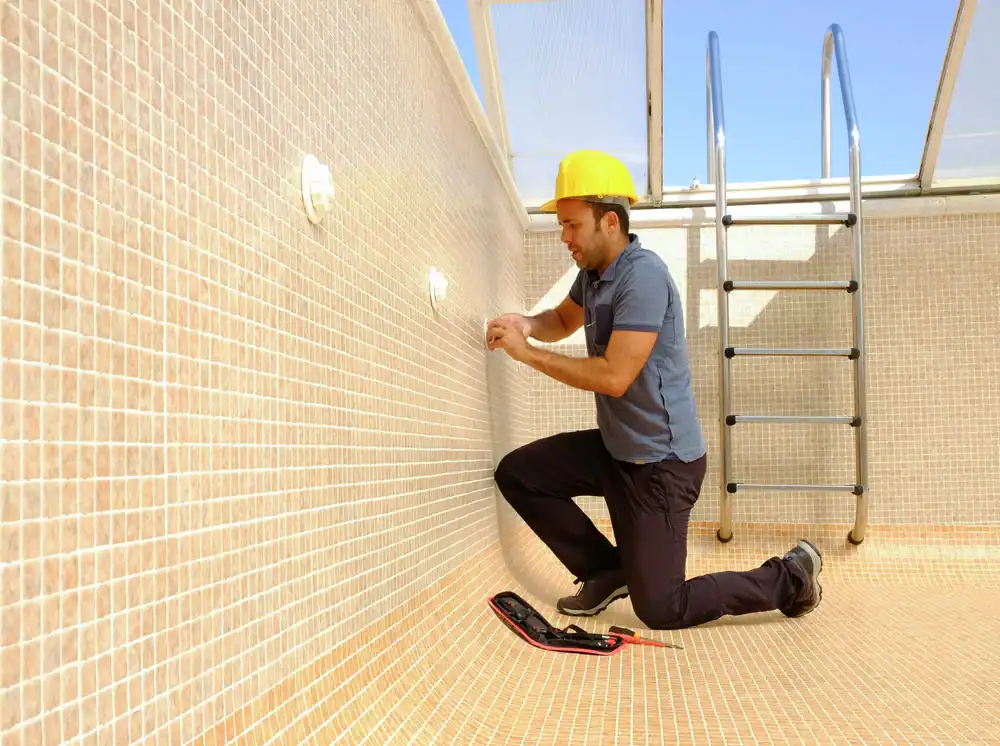
Several factors determine how quickly your pool goes from concept to reality. Design complexity ranks high on the list. A simple rectangular pool with standard features moves faster than a custom shape with multiple elevations, integrated lighting, and specialty finishes.
Permitting timelines vary by location. In Georgia, you’ll need building permits for inground pools, and some counties require additional approvals for electrical, plumbing, or structural work. This process can take 2-3 weeks if everything moves smoothly, or stretch to 2 months if your project requires multiple reviews or revisions. Starting this process early keeps your project on track.
Weather plays a bigger role than most people expect. Heavy rain delays excavation and concrete work. Extreme heat affects curing times. Cold snaps can halt certain phases entirely. Spring and summer bring peak season demand, which means busier schedules for contractors and potential material delays.
Site conditions matter significantly. Georgia’s red clay soil requires specialized excavation equipment and can complicate the dig phase. Sloped yards may need retaining walls or additional grading. Limited access for heavy machinery slows the process. Underground utilities, tree roots, or rocky soil all add time and complexity.
Material availability has become more unpredictable in recent years. Supply chain issues can delay specific finishes, equipment, or structural components. Ordering materials early and having backup options helps minimize delays.
Your responsiveness affects the timeline too. We need timely decisions on finishes, features, and design details. Delayed approvals or frequent changes can push completion dates. Clear communication and quick decision-making keep projects moving forward.
Understanding what happens during each phase helps you track progress and know what comes next. Here’s how the timeline typically breaks down for inground pool construction in Coffee County, GA.
Design and planning take 1-4 weeks depending on how quickly you make decisions and how complex your vision is. This phase involves site evaluation, discussing your needs and budget, creating detailed plans, and finalizing the design. Some builders use 3D modeling to help you visualize the finished product. This phase ends when you approve final plans and sign the contract.
Permitting requires 2-8 weeks in most Georgia counties. We submit plans to local authorities for review. Inspectors verify the design meets safety codes, setback requirements, and zoning regulations. This timeline varies significantly by jurisdiction and current workload at permitting offices. Our experience with the local process helps expedite approvals.
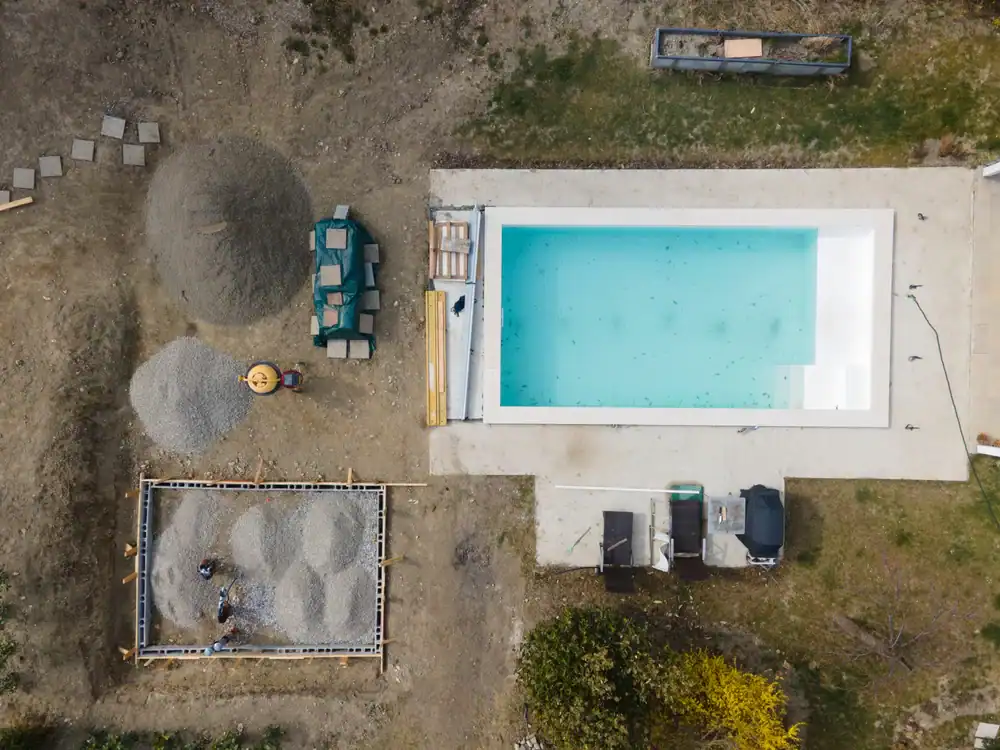
Excavation happens fast, usually in 1-2 days for most residential pools. Heavy equipment digs the hole according to your approved design. The crew hauls away dirt and grades the area. This phase makes the biggest visual impact as your backyard transforms dramatically overnight.
Steel and rebar installation takes 2-3 days. Workers build the structural framework that gives your pool its strength and shape. This reinforcement is critical for concrete and gunite pools. Inspectors typically review this phase before construction continues.
Plumbing installation requires 1-3 days. Crews run all necessary pipes for filtration, returns, drains, and any water features. This includes setting up the equipment pad where your pump, filter, and heater will live. Everything gets tested and inspected before being covered.
Electrical work takes another 1-2 days. Licensed electricians wire the pool equipment, install lighting, and connect any automated systems. This phase also requires inspection before moving forward.
Gunite or concrete application is a one-day event but then requires 7-28 days of curing time. The concrete mixture gets sprayed onto the steel framework to create your pool shell. During curing, the concrete must stay moist, which usually means you’ll need to spray it with water multiple times daily.
Tile and coping installation takes 3-5 days. Once the shell has cured sufficiently, crews install the waterline tile and coping (the cap around the pool edge). This phase adds visual appeal and protects the pool structure.
Decking construction requires 3-7 days depending on size and material. Whether you’re installing pavers, stamped concrete, or natural stone, the deck needs proper base preparation and time to set. This phase significantly impacts your pool’s overall look and functionality.
Equipment installation and startup take 2-3 days. The crew sets up your pump, filter, heater, and any automation systems. We install the interior finish (plaster, aggregate, or other surface), fill the pool, balance the water chemistry, and test all systems.
Final inspections add 1-2 days. Local authorities verify everything meets code and operates safely. Once you pass final inspection, you’re cleared to start using your pool.
Want live answers?
Connect with a Deep Waters Pools expert for fast, friendly support.
Knowing what happens during pool construction helps you understand why certain phases take time and what we’re actually doing. Each step builds on the previous one, and skipping or rushing any phase compromises the final result.
The process starts with thorough planning. We evaluate your property, discuss your vision and budget, and create detailed plans. This phase determines everything that follows, from pool placement to equipment selection to finishing touches.
Once plans are finalized and permits secured, construction begins with site preparation and excavation. The transformation happens quickly as heavy machinery removes soil and shapes the hole. Proper excavation accounts for depth variations, slopes, and drainage to ensure your pool functions correctly for decades.
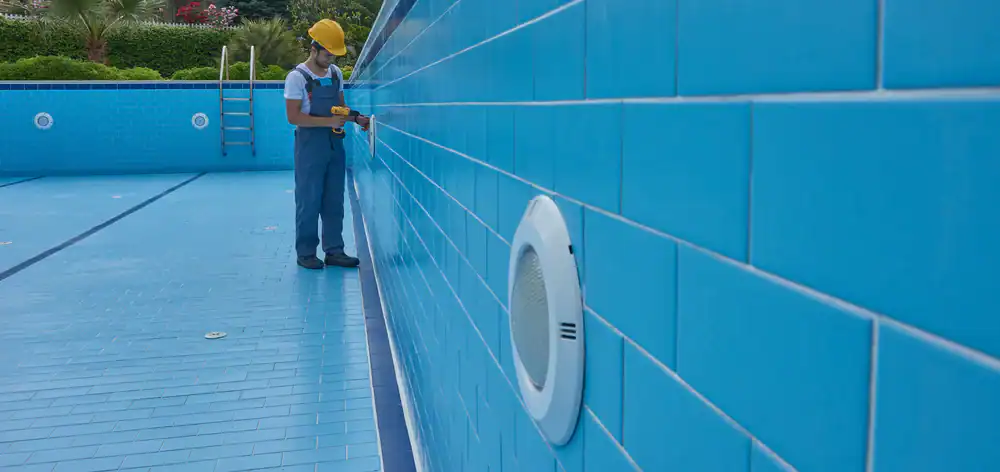
Excavation marks the official start of construction. The crew stakes out the exact pool location, then brings in machinery to dig. For most residential pools in Coffee County, GA, this takes one to two days. The excavation depth accounts for the pool floor, plumbing, and base materials.
Georgia’s red clay soil presents unique challenges during excavation. It’s dense and requires powerful equipment to remove. It also doesn’t drain as well as sandy soil, which means we need to account for proper drainage and backfill. Our experience with local conditions helps us handle these challenges.
After excavation, the crew installs plumbing lines. All pipes must be in place before any concrete work begins since they’ll be buried and inaccessible later. This includes main drains, return lines, skimmer connections, and any plumbing for water features or spa jets. Everything gets pressure-tested to ensure no leaks exist.
Next comes the steel framework. Workers bend and tie rebar according to engineering specifications, creating the skeleton that reinforces your pool shell. This framework provides structural integrity and prevents cracking. The steel grid covers the floor and walls, with extra reinforcement at corners and stress points.
Inspectors review the steel work before crews can proceed. This inspection verifies the framework meets structural requirements and building codes. Once approved, the project moves to the gunite or shotcrete phase.
Gunite application happens in a single day but requires precision and experience. Crews spray the concrete mixture onto the steel framework using high-pressure hoses. The material must be applied at the right thickness and properly finished to create a smooth, strong shell. This phase is messy and loud but transforms the steel cage into an actual pool structure.
The concrete then enters the curing phase, which takes at least a week and often longer. During this time, the concrete gains strength through a chemical process that requires moisture. You’ll need to keep the surface wet by spraying it with water several times daily. Proper curing is essential for long-term durability and prevents cracks or weak spots.
Once the shell has cured adequately, the finishing phases begin. These steps transform your pool from a concrete hole into an attractive, functional backyard feature.
Tile installation comes first. Crews apply waterline tile around the perimeter at water level. This tile serves both aesthetic and practical purposes. It creates a visual boundary, protects the pool shell from sun damage and chemical staining, and makes cleaning easier. You’ll choose from various materials including ceramic, porcelain, glass, or natural stone.
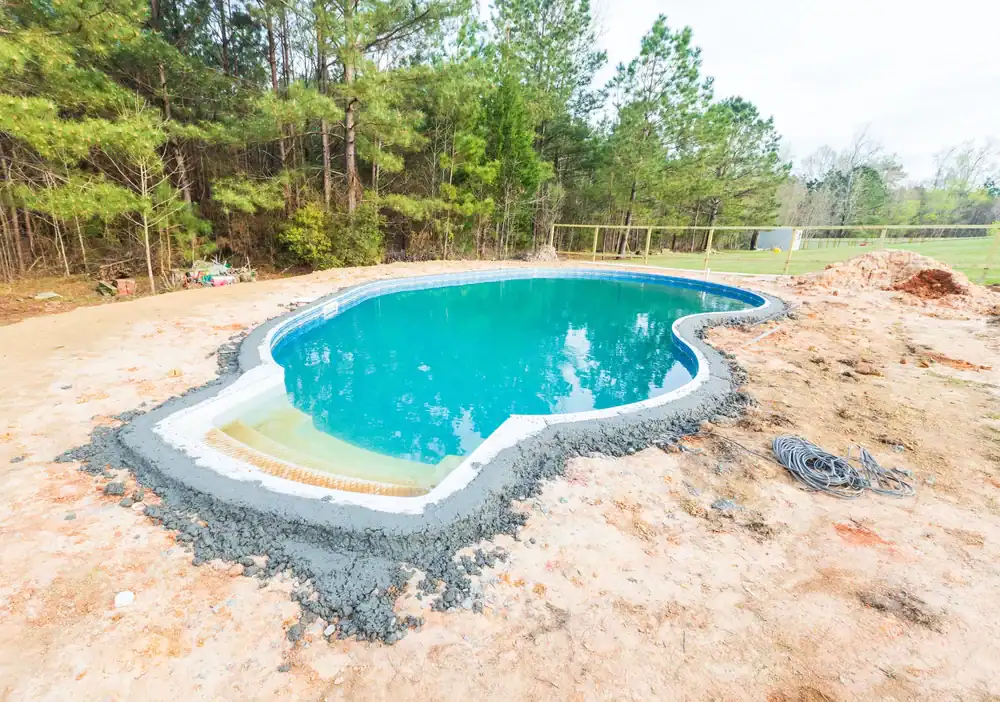
Coping installation happens simultaneously or immediately after tile work. Coping is the cap that sits on top of the pool wall edge. It provides a finished look, offers a safe gripping surface, and creates the transition between pool and deck. Popular coping materials include natural stone, pavers, and precast concrete.
Deck construction begins once tile and coping are complete. Your deck material and size significantly impact both timeline and budget. Concrete decking typically takes less time than elaborate paver patterns or natural stone installations. The crew prepares the base, installs the decking material, and allows proper curing or setting time before heavy use.
Equipment installation brings your pool to life. Technicians set up the pump, filter, heater, and any automation systems on the equipment pad. They connect all plumbing and electrical components, then test everything to ensure proper operation. Modern pool equipment includes energy-efficient options and smart controls that let you manage your pool from your phone.
The interior finish goes in near the end of the process. For concrete pools, this typically means plaster, aggregate, or specialty finishes applied over the gunite shell. This surface determines your water color and provides the smooth finish you’ll touch when swimming. The application takes one day, but the material needs time to cure properly.
Filling the pool takes 12-24 hours depending on your water pressure and pool size. Once full, we balance the water chemistry to protect the new finish and ensure safe swimming conditions. This startup phase requires careful monitoring and adjustment over the first few days.
Final inspections verify everything meets local codes and operates correctly. Inspectors check electrical work, safety features like fencing or covers, and overall construction quality. Once you pass final inspection, you receive clearance to use your pool. We also provide training on equipment operation, maintenance requirements, and water care basics.
Pool construction involves multiple phases, each requiring specific expertise and proper timing. Understanding the process helps you set realistic expectations and make informed decisions. Most projects take 10-20 weeks from initial design through final inspection, though timelines vary based on complexity, weather, and site conditions.
The key to a successful project is choosing an experienced builder who communicates clearly, handles permitting efficiently, and delivers quality workmanship. Look for contractors with a proven track record in your area who understand local soil conditions, climate factors, and permitting requirements.
Starting early gives you more control over the timeline and lets you make thoughtful decisions about design, features, and materials. If you’re ready to explore pool construction in Coffee County, GA, we bring over 30 years of experience building custom inground cement pools for South Georgia families. Reach out to discuss your vision and get clear answers about what to expect during your pool construction journey.
Summary:
Share: