Your pool can be your home's biggest asset or liability when it's time to sell. Professional maintenance makes all the difference in protecting your investment.
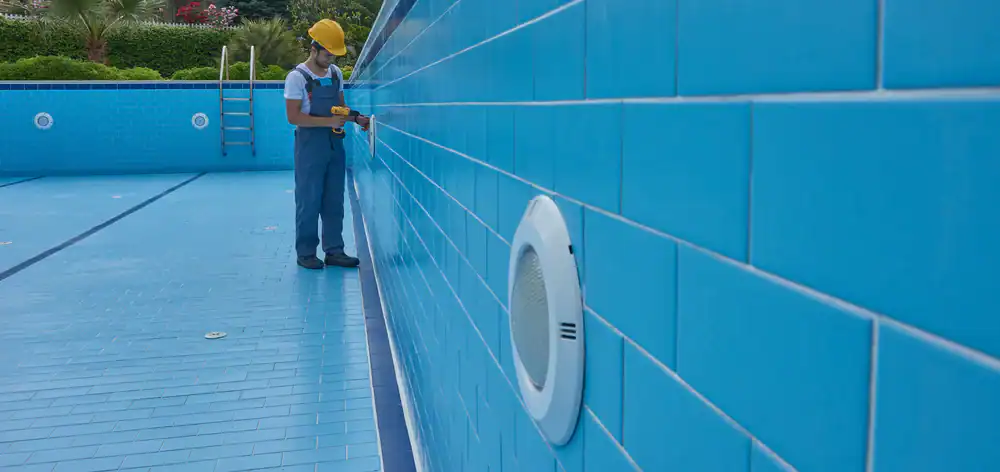
You didn’t install a pool to hurt your home’s value. But here’s the reality: a neglected pool can do exactly that. Buyers notice cracked tile, cloudy water, and failing equipment. They see maintenance headaches and dollar signs. On the flip side, a well-maintained pool with professional service records signals something entirely different—quality, care, and move-in readiness.
If you’re thinking about selling in the next few years, or you just want to protect the investment you’ve already made, understanding how professional pool maintenance directly impacts your home’s resale value isn’t optional. It’s essential. Regular inspections, balanced water chemistry, and properly functioning equipment show potential buyers that the pool has been cared for and won’t become an unexpected expense after they move in.
The question isn’t whether pools add value. It’s whether your pool adds value. In Coffee County, GA where the median home price sits around $324,000, even a modest percentage increase matters.
A well-maintained inground concrete pool can add 5 to 8 percent to your home’s resale value. That’s potentially $16,000 to $26,000 on a median-priced home. But that number drops fast if your pool looks like a liability instead of an asset. The difference between adding value and losing it comes down to one thing: consistent professional maintenance.
Buyers aren’t just looking at your pool. They’re evaluating what owning it will cost them in time, money, and stress. Professional maintenance creates documentation, demonstrates care, and removes doubt from the equation.
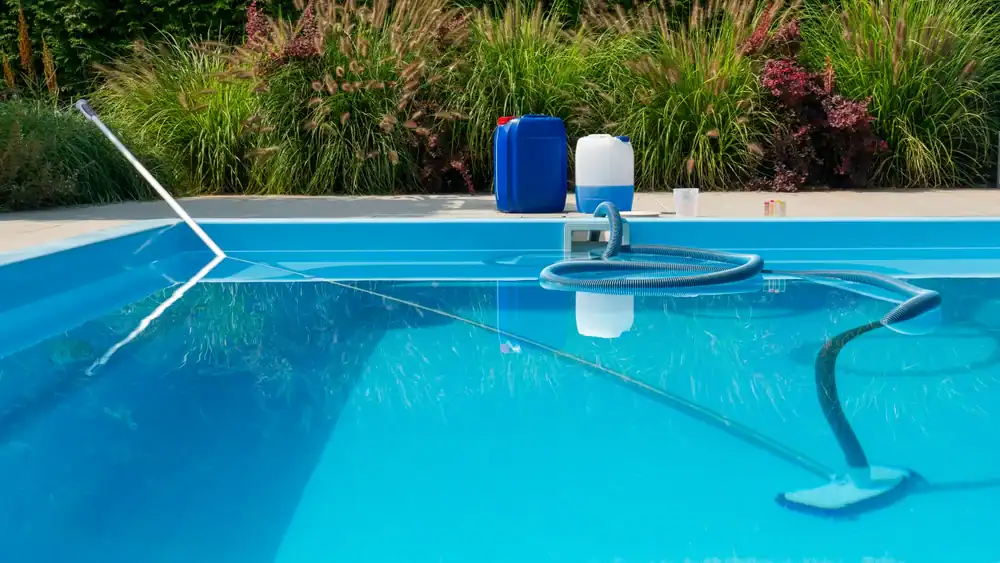
When potential buyers walk into your backyard, they’re not admiring the view. They’re inspecting. They’re looking for cracks in the tile, stains on the plaster, and algae in the corners. They’re checking whether the water is crystal clear or cloudy. They’re noticing if the deck is clean or covered in debris.
But more than that, they’re asking themselves a question: “How much is this going to cost me?” If your pool looks tired, outdated, or poorly maintained, buyers assume the worst. They factor in resurfacing costs, equipment replacements, and ongoing repair bills before they even make an offer.
Homes with pools that appear well-cared-for sell for an average of 7% more than comparable homes with rundown exteriors. That’s not just about landscaping. It’s about the total impression your property makes. A sparkling pool with balanced water, functioning equipment, and clean surroundings tells buyers this home has been maintained. It suggests the HVAC works, the roof is solid, and the plumbing is fine.
Professional pool services create that impression because it’s not just surface-level. Regular maintenance prevents the visible problems that scare buyers away. Water chemistry stays balanced, which means no staining or etching. Equipment runs efficiently, which means no loud pumps or broken heaters during showings. The pool becomes a selling point instead of a negotiating chip.
And here’s something most sellers don’t think about: service records. When you can hand a buyer a file showing monthly maintenance, chemical logs, and equipment servicing, you’re providing proof. You’re removing uncertainty. That transparency builds trust and often translates to higher offers and faster closings.
Skipping professional maintenance doesn’t just hurt your pool. It directly impacts what buyers are willing to pay for your home. Let’s talk numbers.
Imbalanced water chemistry corrodes equipment. Pumps, heaters, and filtration systems aren’t cheap to replace. A new pool pump runs $500 to $1,500. A heater replacement can cost $2,000 to $4,000. When buyers see old, struggling equipment during an inspection, they either ask for credits or walk away entirely.
Stained or etched pool surfaces are even worse. Resurfacing a concrete pool costs $10,000 to $20,000 depending on size and materials. If your pool’s finish looks damaged, buyers will assume they’ll need to handle that repair immediately. Some will reduce their offer by the full cost of resurfacing. Others will move on to the next listing.
Then there’s the curb appeal factor. Pools are visible from many backyards, and in markets where outdoor living matters, that view counts. A pool that looks like a swamp doesn’t just fail to add value—it actively reduces it. Appraisers take condition into account. Real estate agents know that poorly maintained pools shrink the buyer pool because families with young children or first-time buyers see them as safety hazards and financial burdens.
Regular professional maintenance costs around $1,200 to $1,800 per year. That’s roughly $100 to $150 per month. Compare that to a single equipment failure, which can cost $1,000 or more to repair. Or a resurfacing job that wipes out $15,000. Preventative care saves an average of $1,157 annually by catching small issues before they become expensive emergencies.
When you sell, buyers notice whether your pool has been maintained or neglected. They notice whether the water is clear or green. They notice whether the equipment hums quietly or sounds like it’s about to die. And they adjust their offers accordingly. Professional services aren’t an expense. They’re insurance against losing tens of thousands in resale value.
Want live answers?
Connect with a Deep Waters Pools expert for fast, friendly support.
Water chemistry isn’t just about keeping your pool swimmable. It’s about protecting every component of your pool system. When pH, alkalinity, and calcium hardness fall out of balance, the damage starts immediately—and it’s expensive.
Acidic water corrodes metal fixtures, eats away at pool surfaces, and shortens the lifespan of pumps and heaters. Alkaline water causes scaling, clogs filters, and creates that chalky buildup buyers hate. Both extremes cost you money and reduce your home’s value.
Professional pool services monitor and adjust water chemistry consistently. That consistency is what prevents the kind of damage that shows up during inspections and scares off buyers.
Your pool’s equipment represents a significant investment. Pumps, heaters, filters, and automation systems aren’t cheap. But their lifespan depends almost entirely on water chemistry.
When water pH drops too low, it becomes corrosive. That acidity attacks metal components in your pump, heater, and filtration system. Over time, it causes leaks, rust, and complete equipment failure. Replacing a corroded heater costs thousands. Replacing a pump costs hundreds to over a thousand. These aren’t minor repairs—they’re major expenses that directly impact resale value.
High pH creates a different problem: scaling. Calcium and minerals build up inside pipes, on heating elements, and within filtration systems. This buildup reduces efficiency, increases energy costs, and eventually causes blockages that require professional cleaning or replacement. Buyers who see scaled equipment during inspections know they’re looking at reduced efficiency and upcoming repair bills.
Balanced water chemistry prevents both scenarios. When pH stays between 7.2 and 7.8, water is neither corrosive nor scale-forming. Equipment runs efficiently, lasts longer, and performs reliably. That reliability matters when you’re selling because buyers want to know the pool works—and that it won’t need expensive repairs in the first year of ownership.
We test water multiple times per week during peak season and adjust chemicals as needed. We monitor total alkalinity, calcium hardness, and stabilizer levels. We catch imbalances before they cause damage. This proactive approach saves money on equipment replacements and creates a documented history of proper care that reassures buyers.
Think about it from a buyer’s perspective. Would you rather purchase a home with a pool that has clear maintenance records and functioning equipment, or one where the seller can’t tell you when the water was last tested? The answer is obvious. Professional maintenance removes doubt and adds value.
Let’s compare two scenarios. In the first, you invest in professional pool services year-round. In the second, you handle maintenance yourself when you remember and call professionals only when something breaks.
Scenario one costs about $1,200 to $1,800 annually for professional service. That includes weekly visits during summer, chemical balancing, equipment checks, and minor adjustments. Over five years, you spend $6,000 to $9,000. Your equipment lasts its full lifespan. Your pool surface remains in good condition. When you sell, buyers see a well-maintained amenity that justifies a premium price.
Scenario two looks cheaper at first. You buy chemicals as needed, maybe $400 to $750 per year depending on your pool type. You skim debris when you notice it. You call a professional when the pump stops working or the water turns green. But here’s what actually happens: without consistent monitoring, small problems become big ones.
A clogged filter you didn’t notice puts strain on your pump. The pump burns out. Replacement costs $1,000. Water chemistry drifts out of balance. Algae blooms. You need shock treatment and algaecide, plus professional cleaning. That’s another $300 to $500. Your heater starts making noise because of scale buildup. Repair costs $800. Over five years, you spend $2,000 to $3,750 on chemicals plus $3,000 to $5,000 on emergency repairs. Total: $5,000 to $8,750.
The costs look similar, but the outcomes aren’t. In scenario two, your equipment has a shorter lifespan. Your pool surface shows wear. When you sell, buyers see deferred maintenance. They ask for concessions or offer less. You lose $5,000 to $15,000 in resale value because the pool looks like a problem instead of an asset.
Professional maintenance pays for itself through equipment longevity, but the real ROI shows up at closing. Buyers pay more for homes where everything works and nothing needs immediate attention. They pay even more when they can see documented proof of regular care. Service records demonstrate that the pool has been a priority, not an afterthought.
Preventative maintenance also catches issues early. A small leak detected during a routine service call costs $100 to $300 to patch. That same leak, left unnoticed for months, can undermine your deck, damage your pool structure, and cost $2,000 or more to repair properly. Early detection saves money and preserves your home’s value.
Your pool should add value to your home, not subtract from it. The difference comes down to maintenance. Professional pool services protect your equipment, maintain water chemistry, prevent costly repairs, and create the kind of curb appeal that translates to higher offers when you sell.
In Coffee County, GA, where buyers expect quality and move-in readiness, a well-maintained pool sets your home apart. It signals care, reduces buyer concerns, and justifies premium pricing. The investment in professional maintenance pays dividends in equipment longevity, lower repair costs, and stronger resale value.
If you’re serious about protecting your home’s value and positioning your property competitively, professional pool care isn’t optional. At Deep Waters Pools , we understand what it takes to keep your pool in top condition year-round, ensuring it remains an asset when it’s time to sell.
Summary:
Share: