Wellness-focused pools combine cold plunge zones, hydrotherapy jets, and spa integration to create backyard recovery spaces that rival professional therapy centers.
You’ve probably seen the cold plunge videos. The wellness influencers. The athletes swearing by contrast therapy. But here’s what most people don’t realize: you don’t need a gym membership or a resort getaway to access these benefits.
Wellness pool design brings hydrotherapy, cold water immersion, and therapeutic features directly into your backyard. The question isn’t whether these features work—it’s how to design them in a way that fits your space, your budget, and your actual recovery goals.
Working with professionals who specialize in pool design can help you incorporate wellness-focused elements like spa jets, temperature-controlled plunge areas, and relaxation zones that support recovery and long-term health. Let’s break down what wellness-focused pool design actually looks like in practice.
Wellness pool design shifts the focus from recreation to function. Instead of building a pool just for swimming laps or entertaining, you’re creating a system that supports physical recovery, stress management, and long-term health. Think hydrotherapy jets positioned to target sore muscles. Cold plunge zones that improve circulation and reduce inflammation. Spa seating with adjustable water temperature for year-round use.
This isn’t about cramming every trendy feature into one space. It’s about understanding which therapeutic elements actually serve your needs and integrating them in a way that feels intentional. A well-designed wellness pool doesn’t look clinical. It looks like a natural extension of your outdoor living area—one that happens to double as your personal recovery center.
The difference between a standard pool and a wellness-focused design comes down to purpose. Standard pools prioritize depth, length, and capacity. Wellness pools prioritize water temperature control, jet placement, varied depth zones, and accessibility. You’re not just adding water to your backyard. You’re building a tool.
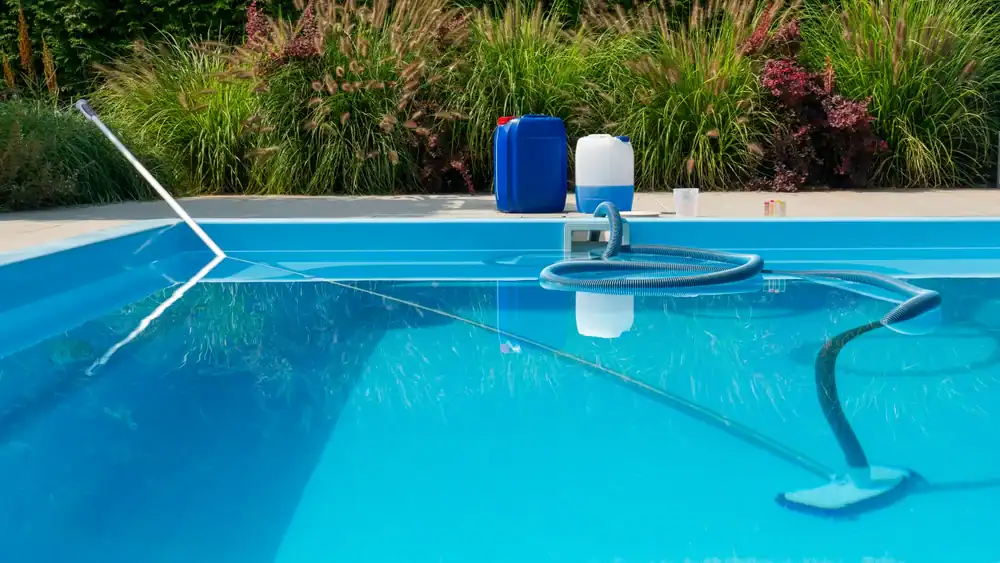
Hydrotherapy jets aren’t just bubbles. They’re strategically placed water streams designed to deliver targeted pressure to specific muscle groups. Lower back pain? Jets positioned at lumbar height. Tight shoulders? Upper-level jets angled to hit trapezius muscles. The goal is to use water resistance and pressure to increase blood flow, release tension, and promote faster recovery after workouts or long days on your feet.
The science behind this is straightforward. Warm water dilates blood vessels. Add pressurized water flow, and you’re increasing circulation to areas that need it most. This helps flush out lactic acid, reduce muscle soreness, and improve flexibility. Physical therapists have used hydrotherapy for decades because it works—not because it feels good (though that’s a bonus).
When you’re planning hydrotherapy features, placement matters more than quantity. You don’t need 50 jets. You need the right jets in the right locations. A quality wellness pool design will include adjustable jets so you can control intensity. Some days you want gentle circulation. Other days you need deep tissue pressure. Adjustability gives you both.
One thing to understand: hydrotherapy jets require dedicated pumps and plumbing systems. This isn’t something you retrofit easily. It needs to be part of the original design. That’s why working with a builder who understands wellness architecture matters. We know how to route plumbing, position jets at the correct angles, and ensure your system has enough power to deliver consistent pressure without running up your energy bill.
The therapeutic benefits extend beyond muscle recovery. Hydrotherapy helps with joint stiffness, chronic pain conditions like arthritis, and even stress-related tension. The buoyancy of water reduces the weight your joints bear, making movement easier and less painful. Combined with warm water and targeted jets, you’re creating an environment where your body can actually relax and heal.
Cold plunge pools have gone from fringe wellness trend to mainstream backyard feature. And for good reason. Cold water immersion between 50-59°F triggers a physiological response that reduces inflammation, improves circulation, boosts your immune system, and even elevates mood through endorphin release. Athletes use cold plunges to speed recovery. Regular people use them to manage stress and feel more alert.
But here’s what most DIY guides won’t tell you: a cold plunge isn’t just a small pool filled with ice. It’s a temperature-controlled system that maintains consistent cold water without constant manual intervention. That means you need a chiller unit, proper insulation, and a filtration system that can handle the specific demands of cold water. Without these, you’re either draining and refilling constantly (expensive and wasteful) or dealing with water that’s too warm to provide therapeutic benefits.
Size matters less than you think. A 7×7 foot cold plunge is enough for full-body immersion. Some people prefer slightly larger dimensions—8×10 or 10×12—to allow for movement or multiple users. The key is depth. You want at least 4 feet so you can submerge up to your neck while seated. Anything shallower limits the effectiveness.
Installation complexity depends on whether you’re going in-ground, above-ground, or semi-recessed. In-ground plunges integrate seamlessly with your existing pool or patio design. They look polished and permanent. Above-ground options install faster and cost less upfront, but they’re more visible and may not blend as well with your outdoor aesthetic. Semi-recessed splits the difference—partially sunken for a cleaner look, but without the full excavation cost.
The real game-changer is contrast therapy. This is where you alternate between hot and cold water—typically a warm spa or sauna followed by a cold plunge. The temperature shift forces your blood vessels to constrict and dilate rapidly, which improves circulation and accelerates recovery. For this to work effectively, your cold plunge needs to be positioned near your spa or hot tub. You don’t want a long walk between the two. Proximity matters.
Here’s the part most people underestimate: cold plunges require commitment. Not financial commitment (though they’re not cheap). Mental commitment. Getting into 50-degree water is uncomfortable. Your body will resist. But that discomfort is part of the process. The benefits come from pushing through the initial shock and allowing your nervous system to adapt. If you’re not willing to use it regularly, a cold plunge becomes an expensive lawn ornament. Be honest with yourself about whether you’ll actually get in the water when it’s January in Coffee County, GA.
One more thing: maintenance. Cold water doesn’t breed bacteria as quickly as warm water, but you still need proper filtration and sanitation. Most cold plunge systems run continuously to maintain temperature, which means your chiller and pump are working year-round. Factor in energy costs when budgeting. A well-insulated system will run more efficiently, but it’s still an ongoing expense.
Want live answers?
Connect with a Deep Waters Pools expert for fast, friendly support.
Integrating a spa with your pool isn’t just about placing a hot tub nearby. It’s about creating a unified system where each element serves a specific function and the transitions between them feel natural. The best wellness pool designs treat the spa, pool, and any cold plunge zones as interconnected parts of a larger recovery environment.
A properly integrated spa shares plumbing and filtration systems with your pool when possible. This reduces equipment costs and simplifies maintenance. You’re balancing one set of chemicals instead of two. The water circulates between zones, which means you’re not maintaining separate systems. That’s efficiency.
Elevation changes create visual interest and improve functionality. A raised spa with a spillover edge into the pool looks dramatic, but it also serves a purpose. The cascading water creates a soothing sound. The elevation makes it easier to enter and exit the spa without steps. And the spillover naturally circulates warm water into the pool, which can extend your swimming season in cooler months.
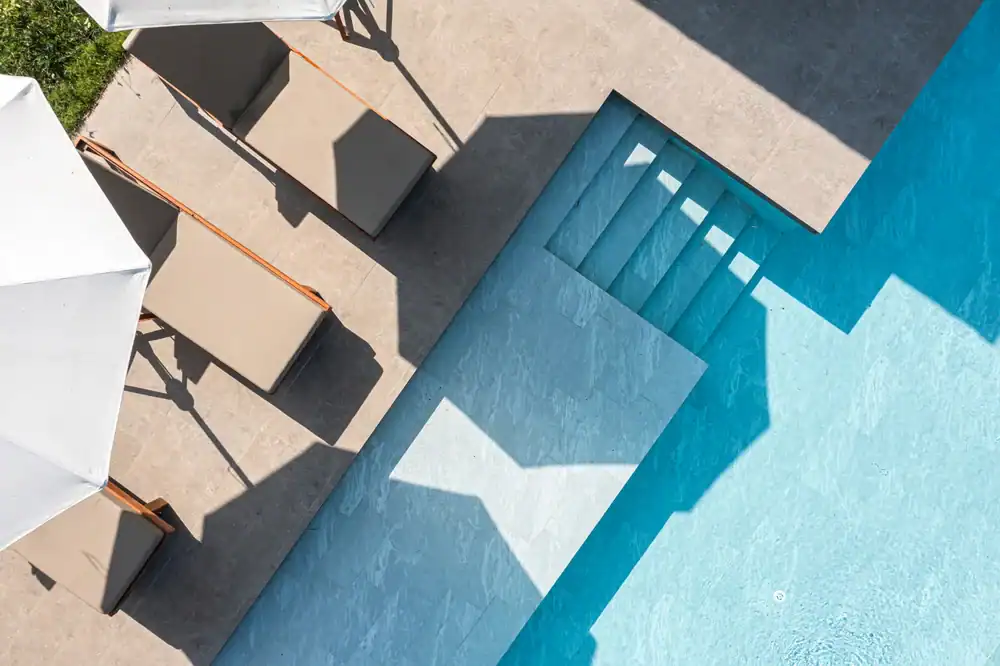
Temperature control is where wellness pool design gets technical. Different therapeutic benefits require different water temperatures, and your system needs to accommodate that range without forcing you to choose one or the other.
Cold plunge zones operate between 50-59°F. This is cold enough to trigger the physiological responses you’re after—vasoconstriction, reduced inflammation, nervous system activation—without crossing into dangerous territory. Anything colder than 50°F increases the risk of cold shock, especially for people who aren’t accustomed to cold water immersion. Anything warmer than 60°F and you’re not getting the full anti-inflammatory benefits.
Vitality pools or warm therapy zones sit between 90-95°F. This is warmer than a standard pool (which usually runs 78-82°F) but cooler than a traditional hot tub (which can reach 104°F). This temperature range is ideal for gentle exercise, stretching, and extended soaking sessions. It’s warm enough to relax muscles and increase blood flow, but not so hot that you can only tolerate short sessions.
Standard pool zones stay in the 78-82°F range. This is comfortable for swimming, playing, and general recreation. It’s cool enough that you can stay in for extended periods without overheating, but warm enough that it doesn’t feel shocking when you first enter.
The challenge is maintaining these different temperatures simultaneously. That requires separate heating systems for each zone. Your cold plunge needs a dedicated chiller. Your spa needs its own heater. Your pool may need a heat pump or solar heating depending on how warm you want it. These systems don’t have to be complicated, but they do need to be designed correctly from the start. Retrofitting temperature control into an existing pool is expensive and often impractical.
One thing people overlook: insulation. If your cold plunge isn’t properly insulated, your chiller will run constantly trying to maintain temperature. That drives up energy costs and wears out equipment faster. Same goes for your spa. Proper insulation keeps heat where you want it and reduces the workload on your heating and cooling systems. It’s not sexy, but it’s essential.
Automated controls make managing multiple temperature zones easier. You can set your cold plunge to maintain 55°F, your spa to hold at 92°F, and your pool to stay at 80°F—all from a single control panel or smartphone app. The system monitors temperatures and adjusts as needed. You’re not manually checking thermometers or adjusting valves. It just works.
Georgia’s climate is more forgiving than northern states, but you still have seasonal considerations. Summer is easy—everything works. It’s the cooler months where design choices matter. If you want year-round wellness benefits, your pool needs to be built with that goal in mind.
Heating is the obvious starting point. A spa or vitality pool without a reliable heating system is useless from November through March. You need a heater that can maintain your target temperature even when overnight lows drop into the 30s. Heat pumps work well in moderate climates like Coffee County, GA. They’re energy-efficient and can heat water effectively as long as ambient temperatures stay above 50°F. For colder nights, a gas heater provides backup.
Cold plunges are easier in winter. Your chiller won’t have to work as hard when the air temperature drops. Some people even disconnect their chiller during winter months and let ambient temperatures do the work. Just make sure your water doesn’t freeze—that can damage plumbing and equipment. If you’re in a location where freezing is a real risk, keep your circulation pump running to prevent ice formation.
Wind protection matters more than you’d think. An exposed spa or pool loses heat rapidly on windy days. Strategic landscaping, privacy screens, or even a simple pergola can block wind and help retain warmth. You don’t need a full enclosure. Just enough to create a sheltered microclimate around your wellness zones.
Covers are non-negotiable for year-round use. A quality spa cover can reduce heat loss by 70% or more. That translates directly to lower energy bills and more consistent water temperature. For cold plunges, covers prevent debris from entering the water and reduce the workload on your filtration system. Automatic covers are convenient, but even a manual cover is better than nothing.
Lighting extends usability into evening hours. You’re more likely to use your wellness pool after dark if it’s well-lit and feels safe. Underwater LED lights create ambiance without being harsh. Pathway lighting ensures you can navigate your backyard safely. Accent lighting on waterfalls or architectural features adds visual interest.
The real question is whether you’ll actually use these features in January. Be honest. If you’re someone who hates being cold, a cold plunge might not get used during winter months no matter how beneficial it is. That’s okay. But don’t invest in year-round features if you’re only going to use them six months out of the year. Design for your actual habits, not your aspirational ones.
Wellness pool design isn’t about following trends. It’s about understanding what your body needs and building a backyard system that delivers those benefits consistently. Hydrotherapy jets for targeted muscle relief. Cold plunge zones for inflammation and recovery. Spa integration for stress management and year-round relaxation. When these elements work together, you’re not just adding a pool to your property. You’re creating a space that actively improves your quality of life.
The installation process requires experience. Temperature control systems, proper plumbing for hydrotherapy jets, insulation, and equipment sizing all need to be handled correctly the first time. Mistakes are expensive to fix. That’s why working with a builder who understands wellness architecture matters.
If you’re ready to explore what wellness-focused pool design could look like in your Coffee County, GA backyard, we bring over 30 years of hands-on experience to every project. We specialize in custom inground pools built with quality and personalized service at the center of every decision. Your backyard has potential. The question is whether you’re ready to use it.
Summary:
Share: