
Hear from Our Customers
When your pool is on a consistent maintenance schedule, the biggest thing you get back is time. You’re not spending your Saturday skimming debris, testing strips, and guessing whether your chlorine is where it needs to be. You’re using the pool which is the whole reason you have one.
Out here in Mora, that matters more than people realize. Properties in this part of Coffee County sit among pine trees and open land, which means your pool is dealing with pollen loads in spring, pine needles year-round, and whatever the afternoon thunderstorms drag in during the summer. That’s a different maintenance reality than a cleared suburban lot, and it adds up fast if nobody’s staying on top of it.
The other thing that changes with regular service is what you’re not spending. A green pool remediation runs $200 to $500 or more depending on how far gone it is. Equipment failure from a clogged skimmer or poor water chemistry can push into the thousands. Consistent, professional maintenance isn’t an added cost it’s what keeps the bigger costs from showing up.
We’re based in Douglas the Coffee County seat, just down the road from Mora. This isn’t a franchise routing calls through a regional hub. We’re a local company that’s been working in this county since 2014, founded specifically because too many families in Mora and the surrounding area were getting burned by contractors who didn’t follow through.
Our founder brought more than 30 years of hands-on experience in concrete, plumbing, and pool construction before we ever opened our doors. That background matters when it comes to maintenance, because understanding how a pool is built is what helps us catch problems before they become expensive ones.
When one of our technicians shows up at your Mora property, they know the roads, the conditions, and what South Georgia’s climate actually does to a pool over a season. That’s not something you get from a company running routes out of Valdosta or Tifton.
Every maintenance visit starts with a full water chemistry test not a quick glance, an actual reading of your chlorine, pH, alkalinity, and other key levels. From there, chemicals are adjusted based on what the water actually needs that day, not a standard formula. In South Georgia’s summer heat, those numbers can shift significantly between visits, so this step isn’t optional.
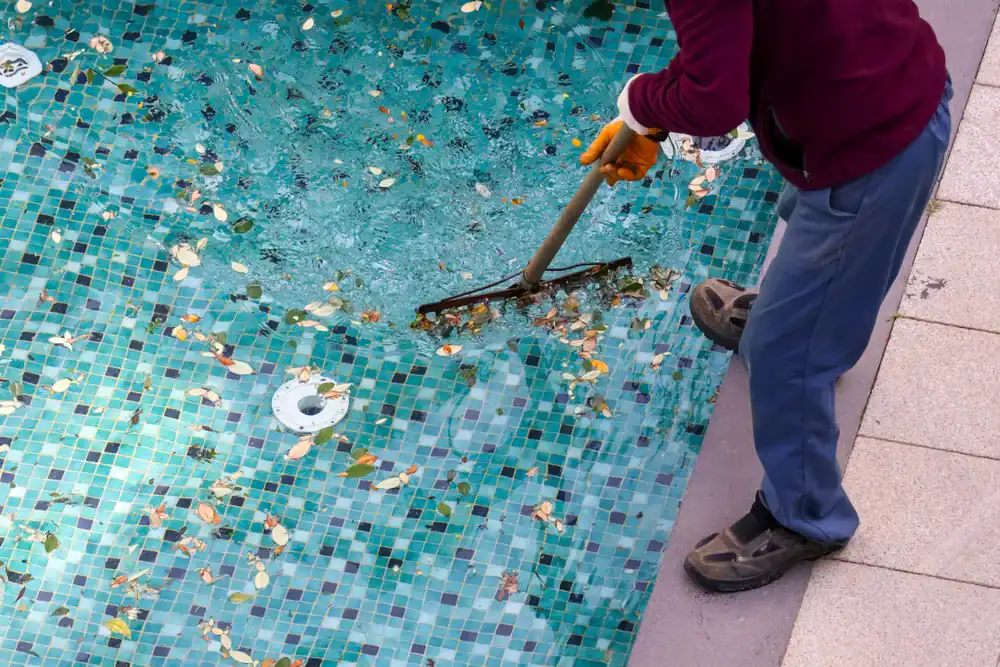
After the chemistry is handled, the physical cleaning begins. That means vacuuming the pool floor, removing debris from the water, and cleaning out your skimmer and pump baskets. In Mora, where mature trees and open land mean heavier debris loads than most, skimmer basket cleaning isn’t a formality a clogged basket restricts water flow to your pump and puts real strain on your equipment over time.
Once the visit is complete, you’ll know exactly what was done. We document every service call so you have a clear record of what was tested, what was added, and anything that needs attention. No black box, no guessing. Just a clean pool and a straight answer about its condition.
Ready to get started?
Routine maintenance is the core of what we provide weekly or bi-weekly visits that cover water testing, chemical balancing, debris removal, vacuuming, and skimmer basket cleaning. But the service doesn’t stop there. Pool ownership in Mora means dealing with a swim season that stretches from late March through October, with summer conditions that can push chlorine levels below safe thresholds in a single day. Staying ahead of that takes consistency, not occasional attention.
Seasonal care is built into the picture as well. Spring opening gets your pool chemistry restored and equipment checked before the first warm weekend hits. Fall and winter preparation accounts for Coffee County’s occasional freeze events mild winters here don’t mean maintenance-free ones, and improperly prepared plumbing can take real damage from a hard cold snap.
If something comes up beyond routine maintenance equipment that’s underperforming, water that won’t balance, or a pool that’s been sitting too long we have the construction and repair background to diagnose it accurately and tell you what it actually takes to fix it. You’re not getting a guess from a technician who only knows maintenance. You’re getting an answer from a team that builds pools from the ground up.
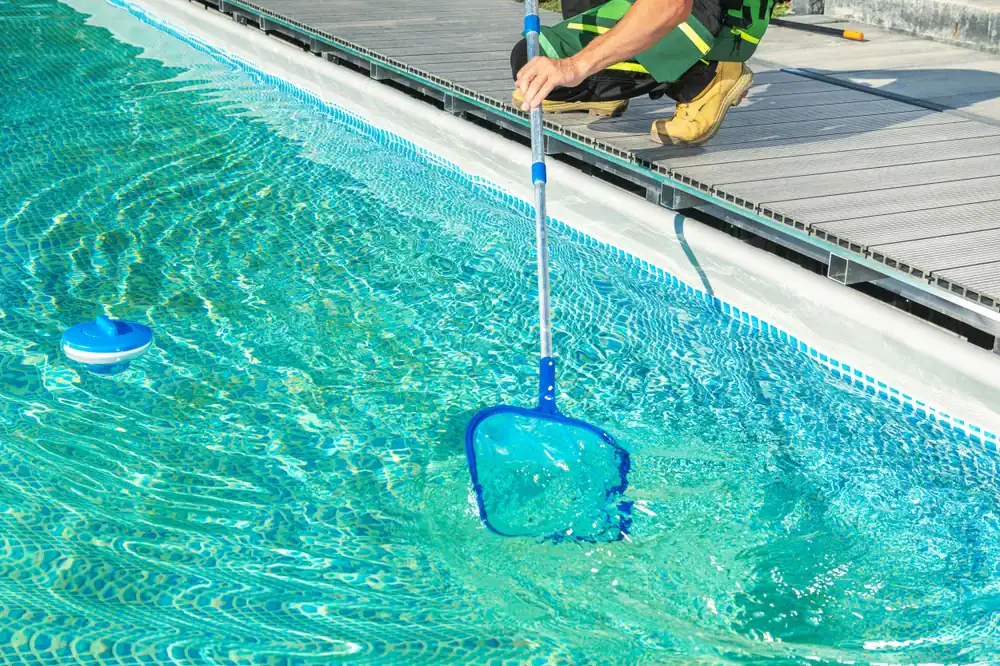
For most Mora homeowners, weekly service is the right call during the active swim season roughly late March through September. South Georgia’s summer heat is the main reason. When temperatures are sitting in the low-to-mid 90s and humidity is high, chlorine burns off faster than most people expect. A pool that tests fine on Monday can be below the safe 1 ppm threshold by Wednesday, which is when algae starts taking hold.
Bi-weekly service can work during the shoulder months when the pool sees less use and temperatures are more moderate. But during peak summer, stretching visits out that far is a gamble in this climate. Properties in Mora also deal with heavier debris loads than suburban pools pine needles, pollen, and storm debris accumulate quickly on rural lots with mature tree cover. Weekly visits keep all of that from building into a bigger problem.
Chemical balancing covers more than just chlorine. A proper service visit tests and adjusts your free chlorine level, pH, total alkalinity, calcium hardness, and cyanuric acid (stabilizer). Each of those numbers affects the others, and when one is off, the rest tend to follow. Low pH makes chlorine less effective even when the level looks fine on a test strip. High alkalinity makes pH hard to control. It’s a system, not a single dial.
The reason it matters practically is that unbalanced water causes problems you can’t always see. Skin and eye irritation, equipment corrosion, surface staining, and accelerated liner wear are all tied to chemistry that’s out of range. In Coffee County’s summer conditions high heat, heavy use, frequent afternoon rain those levels shift faster than in cooler climates. Professional testing with a calibrated kit catches what test strips miss, and adjustments get made based on actual readings rather than guesswork.
Skimmer basket cleaning means physically removing the basket from your pool’s skimmer housing, clearing out whatever debris has collected leaves, pine needles, insects, pollen clumps and reinstalling it so water can flow freely through your filtration system. It sounds simple, and it is. But it’s also one of the things that gets skipped most often, and the consequences show up in your equipment.
When a skimmer basket is clogged, your pump has to work harder to pull water through the system. Over time, that strain shortens the life of your pump and reduces the effectiveness of your filtration. On rural Mora properties surrounded by pine trees and open land, baskets fill up faster than they do in cleared suburban yards. Cleaning them at least once a week during the active season isn’t excessive it’s what keeps your pump running the way it should. Every maintenance visit we perform includes it as a standard part of the service.
You can, and plenty of people do at least for a while. The challenge is that DIY pool maintenance in South Georgia’s climate is more demanding than most homeowners expect going in. Staying on top of chemistry means testing multiple times a week during peak summer, buying and correctly dosing several different chemicals, and knowing how to respond when something is off. It’s not complicated in theory, but it takes consistent time and attention during the hottest months of the year.
The other factor is cost. Pool chemicals, testing equipment, and tools add up, and mistakes are expensive to fix. A single algae bloom that gets away from you can cost $200 to $500 to remediate. Equipment damage from poor water chemistry or a neglected skimmer can run much higher. For many Mora homeowners, professional service at $80 to $150 a month ends up being the more practical choice not because they can’t handle it, but because their weekends are better spent using the pool than maintaining it.
Full northern-style winterization where you blow out lines, add antifreeze, and fully close the pool for months isn’t typically necessary in Coffee County. The winters here are mild enough that most homeowners keep their pools operational or semi-operational through the cooler months. That said, “mild” doesn’t mean freeze-proof. The Wiregrass region does see occasional hard cold snaps, and exposed plumbing lines and equipment left without any preparation can take real damage when temperatures drop below freezing.
What makes sense for a Mora pool is a seasonal transition service rather than a full shutdown adjusting your chemical levels for reduced use, checking that your equipment is protected against the occasional freeze event, and making sure your pool is in good shape heading into winter so it’s not a project when spring arrives. If you’re planning to keep swimming through the warmer winter days, consistent light maintenance through the off-season is still worth maintaining. We can walk you through what makes sense for your specific setup.
The honest answer is that most pool service companies operating in South Georgia are working from the same general playbook regardless of where they’re actually based. The difference shows up in the details whether they account for the debris load that comes with rural Coffee County properties, whether they understand how quickly chemistry shifts during a South Georgia summer, and whether they’re actually close enough to show up consistently on the schedule they promised.
We’re based in Douglas, the Coffee County seat. Mora is in the same county, which means the same commute, the same conditions, and the same community. We were founded specifically because families in this area weren’t getting reliable, honest service from contractors who overpromised. That founding principle applies to maintenance just as much as construction. If you want to know whether a company genuinely knows your area, ask them what they do differently for rural properties with heavy tree cover, or how they adjust their service during Coffee County’s peak summer heat. The answer will tell you a lot.