
Hear from Our Customers
If you’ve done any research on inground pools in South Georgia, you’ve probably come across someone telling you gunite pools crack here. That claim gets repeated a lot and it’s not entirely made up. But the cracking isn’t a gunite problem. It’s a builder problem. Coffee County’s clay soil expands when it’s wet and contracts when it dries out. A builder who doesn’t account for that will give you a shell that fights the ground instead of working with it. The result is what gives gunite a bad name in this region.
When the pool is engineered correctly for this soil proper rebar placement, right mix design, built to move with the ground rather than resist it you get a structure that lasts 30-plus years without major issues. That’s not a promise. That’s just what happens when the builder actually knows the ground they’re building on.
There’s also the season to consider. Bridgetown sits in one of the longest outdoor swimming climates in the country. From late March through October, you’re looking at roughly seven months where the pool is genuinely usable not just technically open, but hot enough to actually want to be in the water. A well-built gunite pool on a Coffee County property isn’t a luxury add-on. For a family on a larger rural lot with room to build something real, it’s one of the better long-term investments you can make in the property.
Deep Waters Pools is based in Douglas the Coffee County seat which means when you call us, you’re calling a neighbor. Not a regional franchise. Not a company dispatching crews from three hours away. We’re down the road from Bridgetown, and we’ve been building pools in this county long enough to know how the ground behaves, how the summers hit, and exactly which office at Coffee County Code Enforcement handles your permit.
We started this company because we watched too many South Georgia families get burned. Contractors who took deposits and disappeared. Subcontractors nobody had ever met showing up to do six-figure work. Pools left unfinished. We built Deep Waters to be the opposite of that experience and the way we do that is simple: our crew handles every phase of your build, start to finish. No subcontractors. No handoffs. One team you can hold accountable.
The founding team brought over 30 years of hands-on experience in concrete, plumbing, and pool construction into this company. That experience is specific to South Georgia the soil, the climate, the permitting process, and the building conditions that come with rural Coffee County properties.
It starts with a design conversation. Before anything gets drawn up, we want to understand how you actually plan to use the pool family swimming, entertaining, a spa addition, specific depth needs. Because you’re on a rural property with more room to work with than a tight suburban lot, there’s real flexibility here. We’ll take that land and design something around it, not just drop a standard rectangle into it.
From there, you’ll see your pool in 3D before a shovel touches the ground. Every shape, every feature, every depth visualized so you know exactly what you’re getting. Once the design is locked in, we handle the permit filing with Coffee County Code Enforcement in Douglas. That includes the building permit, the electrical permit, and coordinating every required inspection. You don’t have to track down a form or call a county office. That’s our job.
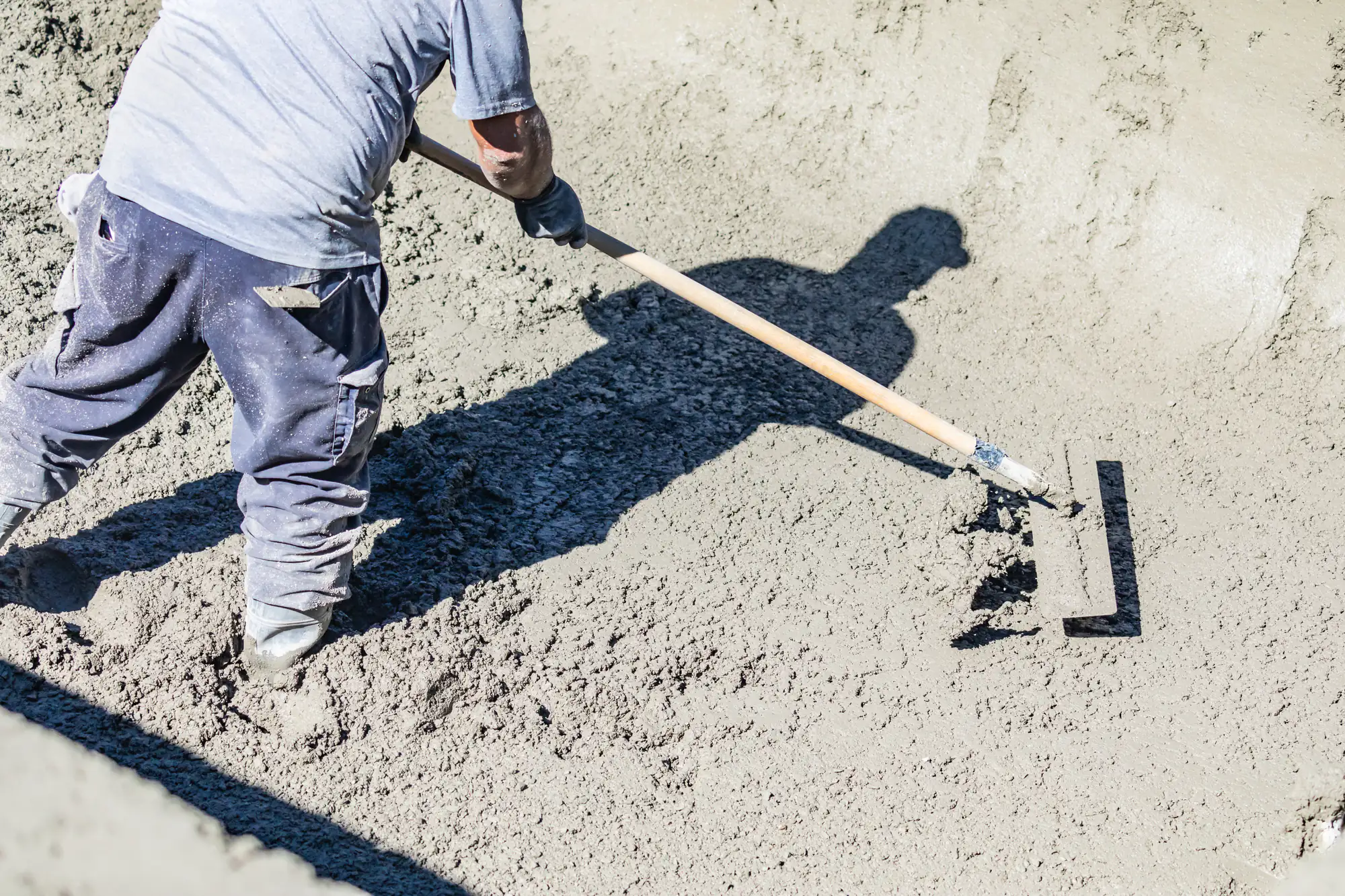
Construction typically runs three to six months for a custom gunite build. The honest reason it takes that long is that each phase has to cure and set correctly before the next one begins and in South Georgia’s summer storm season, we schedule around weather to protect the work. Rushing that process is how you end up with problems five years later. When the last inspection clears and the water goes in, we walk you through everything: equipment operation, maintenance schedule, and what to watch for in that first season.
Ready to get started?
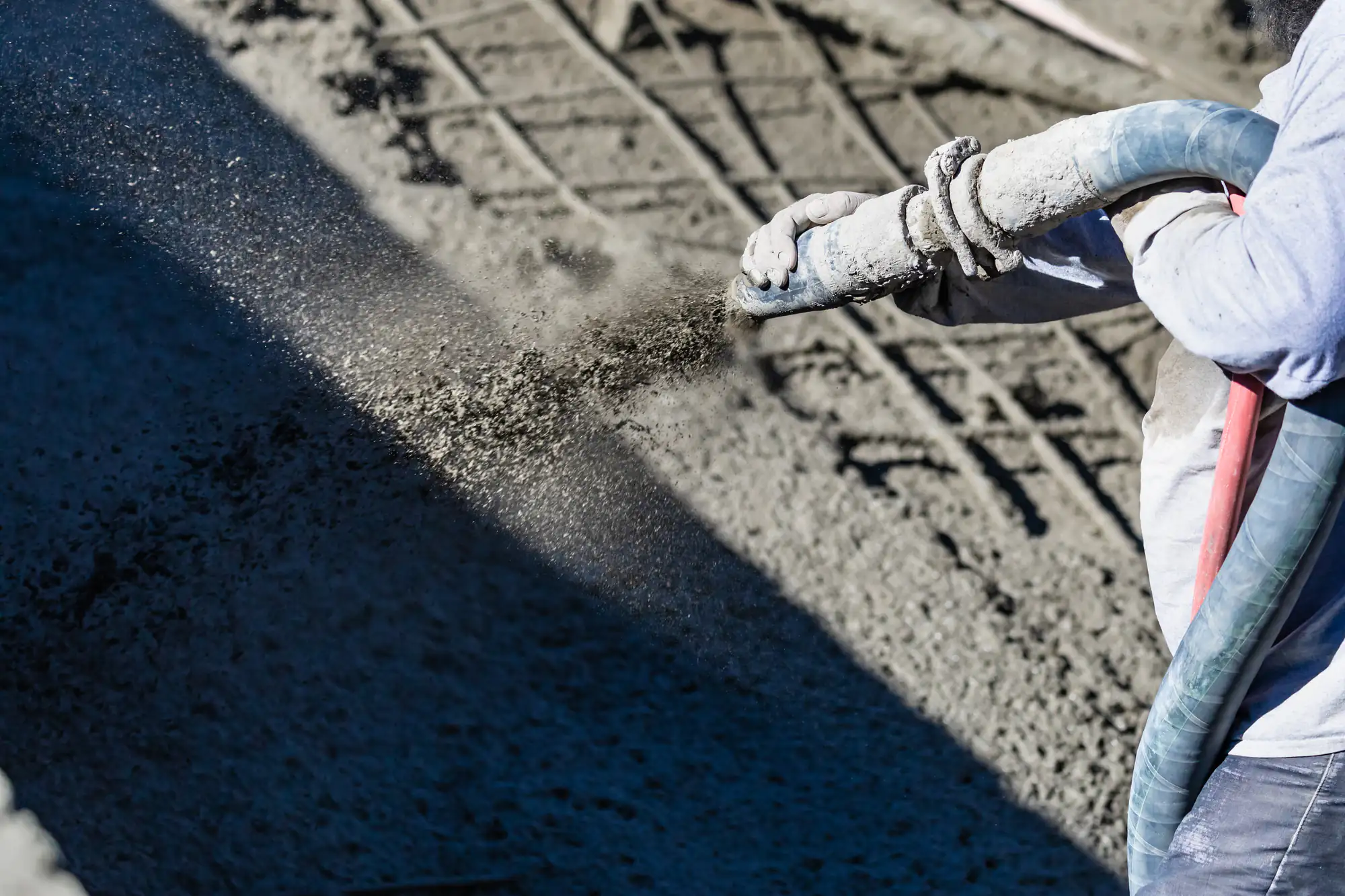
Every pool we build is fully custom no preset shapes, no catalog designs. The process covers site evaluation, 3D design, full excavation, steel reinforcement, gunite or shotcrete application, plumbing, NEC Article 680-compliant electrical work, interior finish, and decking. All of it performed by our own crew. If you’ve heard the term shotcrete used interchangeably with gunite, that’s accurate both are pneumatically applied concrete, and we use whichever application method is right for your specific build.
For Bridgetown properties specifically, the site evaluation matters more than most people expect. Rural lots in this part of Coffee County can have significant variation in soil composition across even a short distance. We assess that before we design the pool, not after excavation starts. That’s how you avoid surprises mid-build.
We also service every major equipment brand Hayward, Pentair, Jandy, Sta-Rite, and Zodiac which means the company that builds your pool is the same company that keeps it running. For a homeowner in Bridgetown or an unincorporated community nearby, that matters. You’re not hunting for a separate service provider every spring. We’re already familiar with your equipment, your build, and your property. That relationship starts at the design table and doesn’t end when the water goes in.
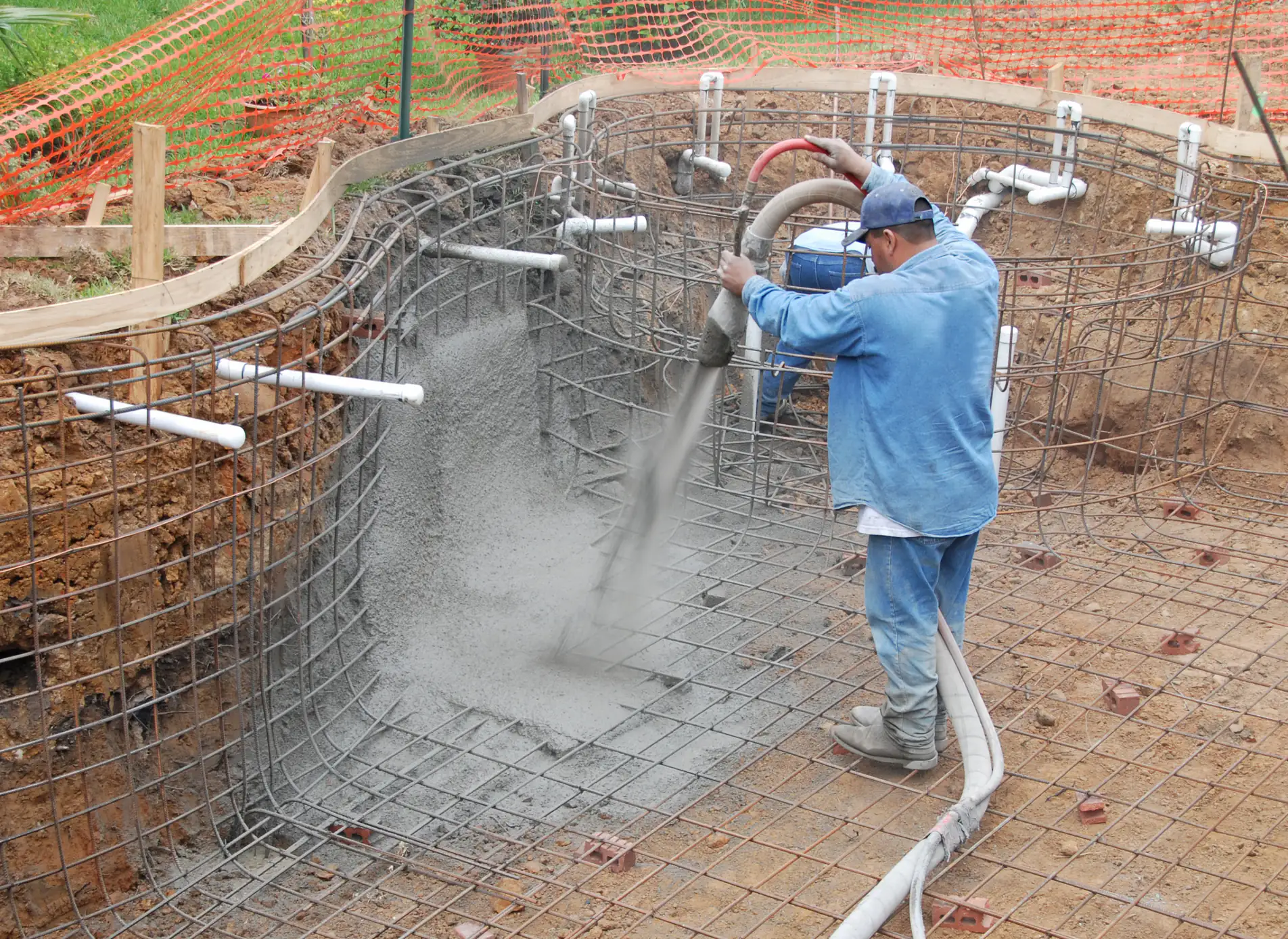
This is the most common concern we hear from homeowners in the Bridgetown area, and it’s worth answering directly. Gunite pools can crack in South Georgia but it’s not because of the material. It’s because of how the pool was engineered, or wasn’t. Coffee County’s clay soil is expansive, meaning it swells when it absorbs moisture and shrinks when it dries out. That seasonal movement puts stress on any rigid structure that wasn’t designed to handle it.
A properly engineered gunite shell accounts for that movement. The rebar schedule, the concrete mix, the shell thickness, and the way the pool is seated in the ground all factor into whether it holds up over decades or develops problems in the first few years. Builders who come into South Georgia without understanding local soil conditions skip that engineering step and that’s where the cracking stories come from. When the pool is built right for this ground, cracking is not a routine outcome. It’s a preventable one.
A quality gunite pool will last 30 years or more as a structure. The interior surface the plaster or aggregate finish is a different story, and this is where a lot of the confusion comes from. You may have seen claims that gunite pools need complete replastering every three to seven years. That timeline is real, but it applies to pools that were built with a thin application, rushed curing, or poor surface prep. It’s a construction quality issue, not a material characteristic.
For a properly built gunite pool, resurfacing is typically needed every 10 to 15 years. That’s a significant difference in long-term cost. Over a 30-year ownership period, you’re looking at one or two resurfacing projects versus potentially five or six at $3,500 to $8,000 each time. The upfront investment in a well-built pool pays for itself in the maintenance cost difference alone, and that’s before you factor in the structural longevity of the shell itself.
Because Bridgetown is an unincorporated community in Coffee County, all pool construction permits go through Coffee County Code Enforcement in Douglas not a separate municipal building department. You’ll need a building permit for the pool structure itself and an electrical permit covering the bonding and grounding work, which must comply with NEC Article 680. Depending on your property and the scope of the build, additional inspections may be required at specific phases of construction.
Georgia state law requires that all inground pools be permitted before construction begins. A contractor who suggests you pull the permit yourself to save time, or who says permits aren’t necessary for a rural property, is a red flag. Pulling your own permit can shift legal liability to you as the homeowner, and an unpermitted pool can create serious complications when you sell the property. We handle the entire permit process filing, coordination, and inspection scheduling through the Coffee County office we work with regularly. You don’t have to navigate any of that on your own.
For a residential custom gunite pool in the Coffee County area near Bridgetown, you’re generally looking at a range of $75,000 to $150,000 depending on size, shape, features, and site conditions. That range covers the full build design, excavation, structure, plumbing, electrical, interior finish, and basic decking. Features like an integrated spa, water features, custom lighting, or premium deck materials will move the number toward the higher end.
One thing worth understanding about rural properties in Bridgetown is that site access and soil conditions can affect cost in ways that don’t apply to a standard suburban lot. If your property has limited equipment access, significant grade changes, or soil that requires additional engineering attention, that gets factored into the estimate. We assess all of that before quoting so the number you get reflects your actual project, not a generic starting price that grows after the contract is signed.
Most custom gunite builds run three to six months from the start of construction to the day the water goes in. That timeline can feel longer than what some builders advertise, and there’s a reason for that gap. Each phase of a gunite pool has to fully cure and set before the next phase begins. Rushing the curing process particularly on the gunite shell itself is one of the most common causes of long-term structural problems.
In Coffee County, the summer storm season also plays a role. Afternoon thunderstorms are routine from June through September, and certain phases of construction particularly gunite application require specific temperature and humidity conditions to cure correctly. A builder who knows this region plans around the weather rather than pushing through it. The three-to-six-month window also includes permit processing time through Coffee County Code Enforcement, which we handle on your behalf. The timeline is honest because a pool that’s built correctly the first time doesn’t need to be revisited.
For most rural Coffee County properties, gunite offers advantages that fiberglass can’t match. The most practical one is size and shape. Fiberglass pools are manufactured off-site and delivered as a single shell, which limits both the dimensions and the design. On a Bridgetown property with room to build something larger or more custom, a fiberglass shell puts a ceiling on what’s possible. Gunite is built in place, which means the pool can be any shape, any size, and any depth your land and your vision call for.
The other factor is longevity. A fiberglass shell has a gel coat surface that can fade, chalk, and develop osmotic blisters over time particularly in South Georgia’s heat and humidity. Gunite, when built and maintained correctly, holds up structurally for decades. The interior surface does need periodic resurfacing, but the underlying shell doesn’t degrade the way a fiberglass finish can. For a homeowner in Bridgetown who’s planning to stay on their property long-term, gunite is typically the more durable and flexible option and on a larger rural lot, it’s the one that lets you build the pool you actually want rather than the one that fits in a shipping truck.