
Hear from Our Customers
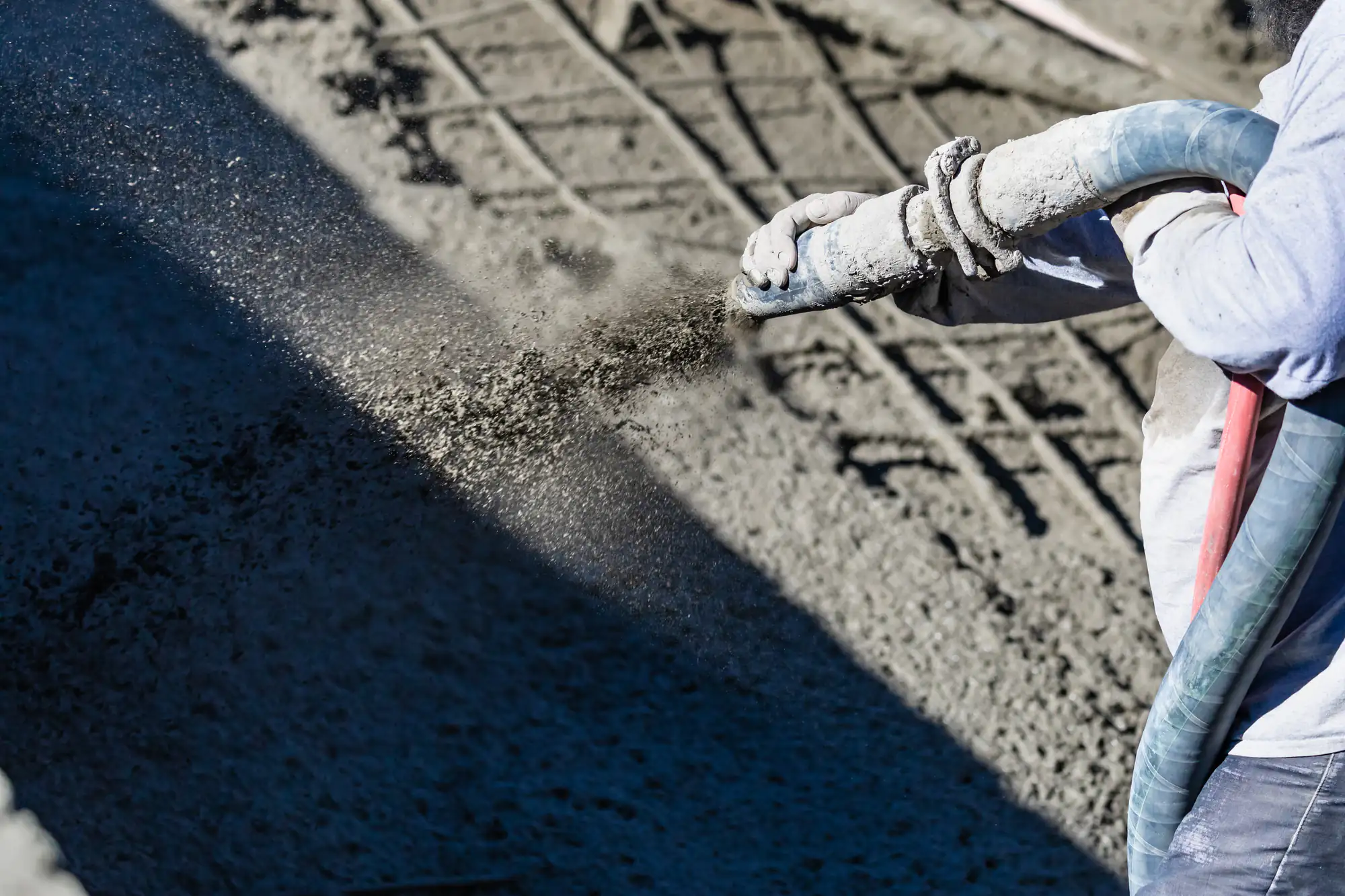
A gunite pool built on a rural South Georgia property is a different project than anything you’d find in a suburban neighborhood. Your lot is bigger, your soil is different, and your vision probably doesn’t fit in a manufacturer’s catalog. That’s exactly where gunite earns its place it gets built around your land, not the other way around.
Berrien County soil isn’t uniform. The USDA actually named a specific soil series after the Alapaha River poorly drained, slowly permeable ground that behaves differently than sandy or clay-heavy soil elsewhere in the state. A builder who doesn’t account for that is the reason pools crack, shift, and become expensive problems. When the shell is engineered for the actual conditions under your property, you get a pool that holds its structure for decades, not one that starts showing problems in year three.
And with South Georgia’s swimming season running from April through October nearly seven months a well-built pool here sees real, consistent use. That’s 200-plus days a year where your property becomes the place people want to be. For Alapaha landowners who’ve already invested in their land, a custom gunite pool is the outdoor amenity that makes the whole picture complete.
We’re based in Douglas about 25 miles up US 82 from Alapaha and we’ve been building pools in this part of Georgia for over 30 years. Not managing them, not overseeing subcontractors, but actually building them. That experience in South Georgia soil conditions, rural property layouts, and local permit processes isn’t something you can fake with a slick website.
Every pool we build is handled entirely by our own crew. No subcontractors, no strangers cycling through your property, no accountability gaps when something needs to be addressed. The same people who break ground are the same people finishing the job and starting up your equipment on the final day.
For Alapaha-area homeowners, that matters more than it might somewhere else. When you’re investing $75,000 to $150,000 on a property in Berrien County, you want to know exactly who’s doing the work and who to call if you ever need anything after.
It starts with a real site evaluation. Before any design gets finalized, we look at your specific property drainage patterns, soil conditions, setback requirements, and where your septic system sits if you’re on a rural parcel. A lot of Alapaha-area properties use septic rather than municipal sewer, and pool placement has to account for that from the beginning, not as an afterthought.
From there, we handle all permitting in-house. That includes the building permit, the electrical permit, and every required inspection through Berrien County. Georgia law also requires calling 811 at least 48 hours before any excavation begins the Town of Alapaha’s own guidance specifically calls this out and that’s handled before a single shovel touches your ground. You don’t track paperwork, schedule inspectors, or navigate the county building department. That’s done for you.
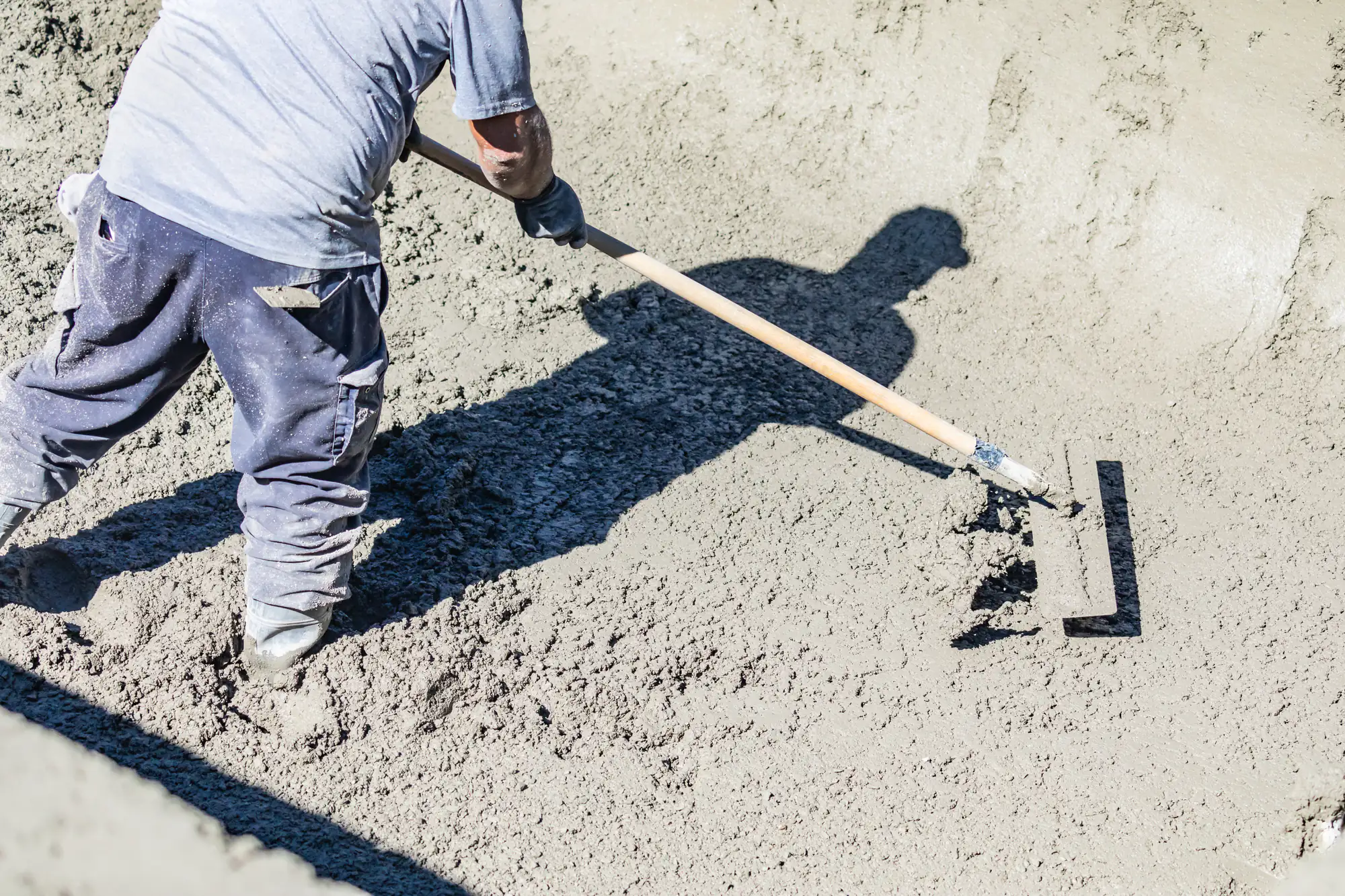
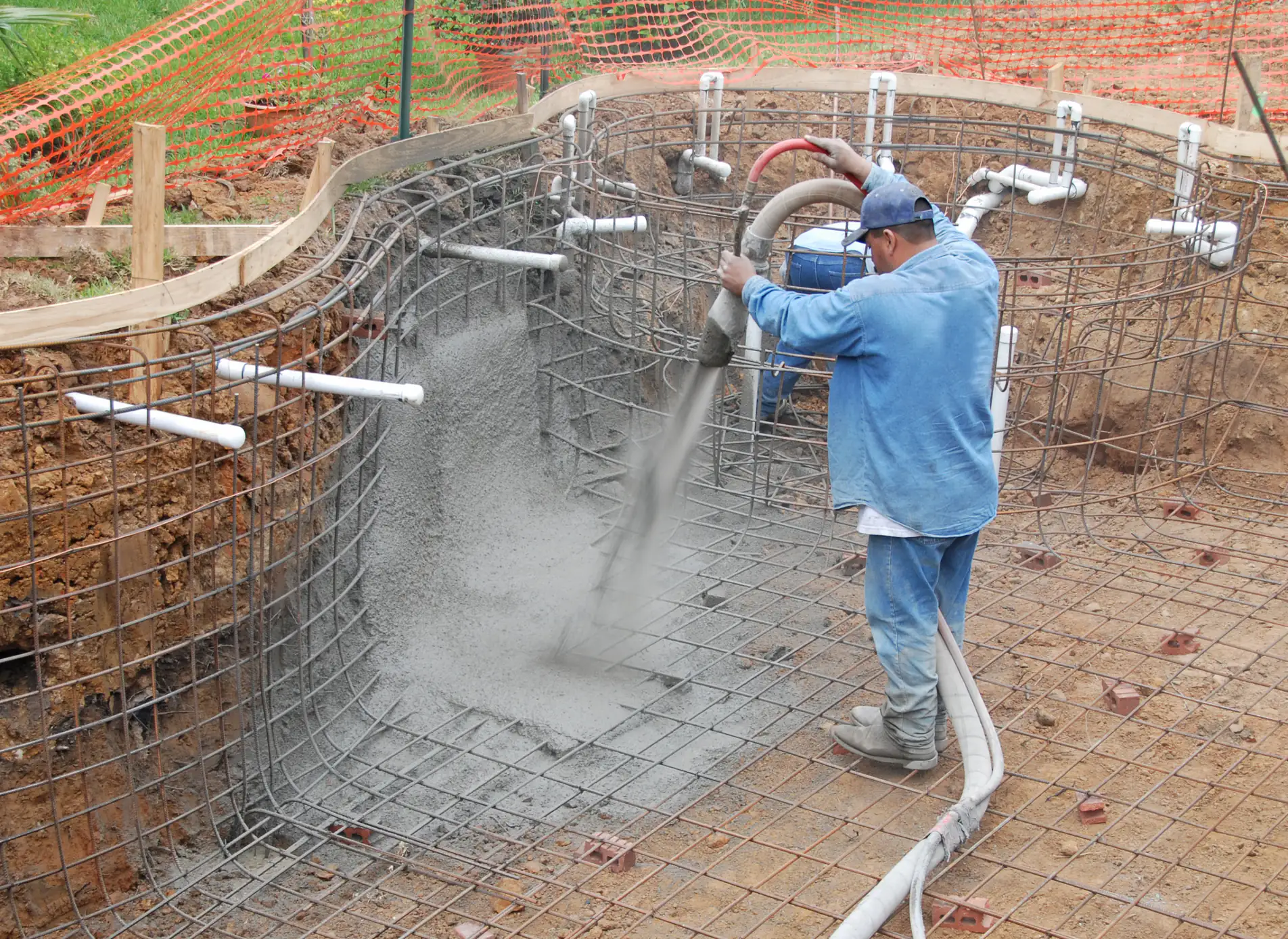
Once permits are in hand, construction moves through excavation, rebar framework, gunite application, curing, plumbing, electrical bonding and grounding, surface finishing, and decking. The honest timeline for all of that done correctly is three to six months. Most builders quote eight to twelve weeks and then spend the next six months explaining delays. We give you the real number upfront so you can plan around it. If you start in the fall, you’re swimming by spring.
Ready to get started?
When you build with us, the scope covers the full project 3D design renderings so you can see your pool before anything is built, soil-specific shell engineering, all excavation, rebar, gunite application, plumbing, NEC Article 680-compliant electrical bonding and grounding, surface finishing, and decking. Every phase, same team, one company.
For Alapaha landowners with larger rural properties, the design freedom that comes with gunite is a genuine advantage. Want a freeform shape that follows the natural contour of your land? A tanning ledge for the kids, a deep end for diving, a connected spa with a waterfall? None of that requires choosing from a fixed catalog. It gets drawn from scratch around your property and your vision.
We also service all major pool equipment brands Hayward, Pentair, Jandy, Sta-Rite, and Zodiac which means the relationship doesn’t end at startup. The same team that built your pool can service your equipment, balance your water, and handle anything that comes up down the road. In a community like Alapaha, where driving to a specialist in Tifton or Valdosta for routine service is a real inconvenience, having one company handle it all is worth more than it sounds.
Yes but only if the builder actually engineers for those conditions. The USDA has formally classified and named the “Alapaha series,” a specific soil type found throughout the Alapaha River corridor characterized by poor drainage and slow permeability. That kind of soil creates hydrostatic pressure challenges that a generic construction approach won’t account for. If the shell isn’t engineered with those drainage characteristics in mind, you’re setting up the exact cracking and structural problems that some builders use to argue against gunite in the first place.
A gunite pool built with proper soil-specific engineering the kind that accounts for what’s actually under your property in Berrien County is structurally sound for 30-plus years. The issue was never the material. It’s whether the builder did the homework before breaking ground.
The honest answer is three to six months from permit approval to final startup. That includes the full sequence permitting through Berrien County, excavation, rebar, gunite application and curing, plumbing, electrical, surface finishing, and all required inspections. Skipping or rushing any of those phases is how you end up with a pool that looks fine on day one and starts showing problems in year two.
Most builders quote eight to twelve weeks because it’s what homeowners want to hear. Then delays stack up and the timeline quietly doubles. If you want a pool ready for South Georgia’s April swimming season in time for the Alapaha area’s peak use months, the smart move is to start the process in the fall permit queues are shorter, our crews are more available, and you’re not competing with the spring rush that backs up every builder in the region.
Pool construction in Alapaha requires a building permit and an electrical permit before any work begins. Beyond that, Georgia law requires calling 811 at least 48 hours before any excavation the Town of Alapaha specifically references this requirement for all digging projects, and it’s not optional. Hitting an underground utility line during excavation creates serious safety risks, service outages, and potential legal liability.
Multiple inspections are also required at different phases of construction not just at the end. Georgia’s statewide pool code mandates a minimum 4-foot barrier around the pool area, self-closing and self-latching gates, and specific setback distances from property lines. If your property uses a septic system, which is common on rural Alapaha parcels, pool placement also has to account for required setback distances from your tank and drain field. We handle all permitting and inspection scheduling in-house you don’t touch a form or make a call to the county.
The cracking concern gets circulated a lot in this region, and it’s worth addressing directly. Cracking happens when a pool shell is underengineered for the actual soil conditions on the site thin application, rushed curing, or a builder who used the same approach they’d use on a flat suburban lot in a completely different part of the state. It is not an inherent flaw in gunite construction.
South Georgia’s soil including the poorly drained, slowly permeable ground documented in the USDA’s Alapaha soil series does require specific engineering. When the shell thickness, rebar layout, and drainage design account for what’s underneath your property, you get a structure that’s built to handle ground movement rather than fight it. We’ve been building pools in this soil environment for over 30 years. The engineering approach isn’t generic it’s specific to what we’ve seen, built, and maintained in this part of Georgia.
For a custom gunite pool in the South Georgia market, most residential builds fall in the $75,000 to $150,000 range depending on size, shape, features, and site conditions. A straightforward rectangular pool on a well-prepared site will come in lower. A freeform design with a connected spa, waterfall feature, custom decking, and tanning ledge will come in higher. The site evaluation at the start of the process gives you a real number based on your specific property not a ballpark pulled from a general price sheet.
For Alapaha landowners, it’s also worth thinking about this in terms of annual use. With nearly seven months of swimming season in South Georgia’s climate, a pool here doesn’t sit idle for eight months like it would in a northern state. That’s 200-plus days of use per year, and a well-built gunite pool that lasts 30-plus years changes the math on what the investment actually costs over time. Annual maintenance typically runs $2,700 to $4,000, and resurfacing on a quality build is needed every 10 to 15 years not every three to seven, which is the figure that applies to poorly built pools, not professionally engineered ones.
The core difference comes down to design freedom and fit. Fiberglass pools are manufactured in fixed shapes and sizes you choose from what’s available and fit your property around the pool. For a smaller suburban lot, that trade-off might be acceptable. For a rural Alapaha property with acreage, it often isn’t. Gunite is designed from scratch around your land, your layout, and your vision. Custom shapes, custom depths, custom features none of it is constrained by a manufacturer’s mold.
There’s also a durability argument worth understanding clearly. Some regional builders actively promote the idea that gunite pools are high-maintenance because of replastering costs and soil cracking. Those claims describe what happens with a poorly built pool not a properly engineered one. A quality gunite shell built for Berrien County’s soil conditions, with the right application thickness and curing time, is a 30-plus-year structure. Fiberglass shells, by contrast, can’t be resized, can’t be easily modified after installation, and may not fit the natural contour of a larger rural property. For landowners in and around Alapaha who want a pool that actually belongs on their property, gunite is the more practical long-term choice.