
Hear from Our Customers
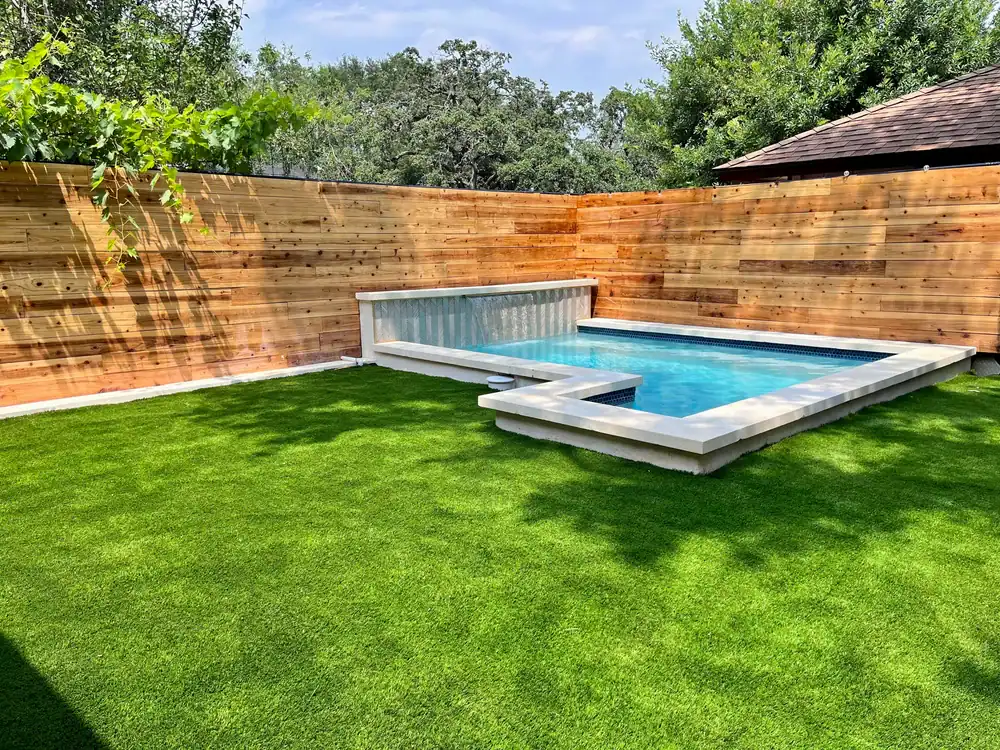
Most pool companies show you a catalog and ask you to pick. That doesn’t work when you’re dealing with Georgia’s clay soil, varying lot sizes around Alapaha, and specific ideas about how you want to use your backyard.
Custom gunite pool construction means the design accounts for your property’s drainage, soil composition, and how your family actually plans to use the space. You’re not adapting your vision to fit a template. The pool gets engineered for your specific site conditions.
That matters because concrete pools handle soil movement better than other materials. Georgia soil shifts with rain and temperature changes. Gunite construction gives you a structure that can handle that movement without cracking or requiring constant repairs. You get a pool that looks how you want it and holds up to the conditions where you live.
We’ve been building custom inground cement pools in Douglas County and surrounding areas for over 30 years. We’re licensed and insured, which matters more than it sounds like it should when you’re talking about excavating your property and managing permits through local building departments.
We’ve worked with the soil conditions around Alapaha long enough to know what works and what causes problems down the road. That experience shows up in how we evaluate your site, design the pool structure, and handle the construction process from permit to final inspection.
You’re not our first pool in this area. We know the local building departments, understand Georgia’s swimming pool code requirements, and have relationships that help move permits through without unnecessary delays.
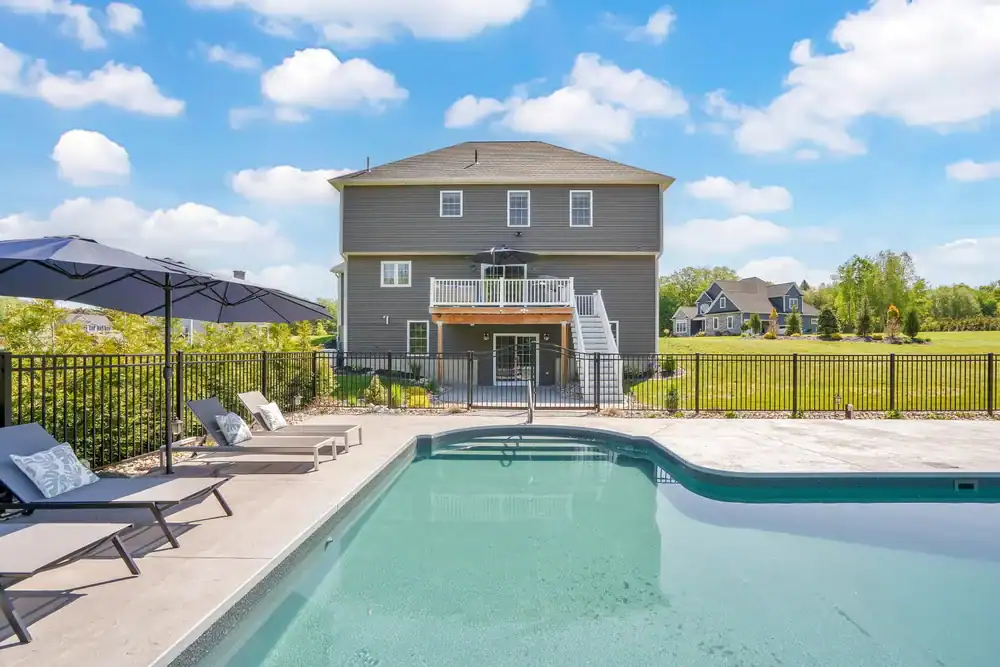
We start with a site evaluation at your property. This isn’t a sales pitch—it’s looking at your lot’s drainage, soil type, access for equipment, and any site-specific factors that affect design and construction. You tell us how you want to use the pool, and we talk through what’s realistic for your property.
Once you approve the design, we handle all permit applications with the local building department. Georgia requires building permits for all residential pools, and there are specific code requirements around barriers, drainage, and setbacks. We manage that process so you don’t have to figure out what the county needs.
Construction starts with excavation, followed by steel reinforcement installation, plumbing and electrical rough-in, and then the gunite application. After the concrete cures, we install your filtration system, finish the surface, and complete any decking or patio work. The timeline runs 8-12 weeks from permit approval to completion, depending on weather and design complexity.
You get training on your pool systems before we consider the job complete. That includes your filtration equipment, any automation features, and proper maintenance procedures to protect your investment.
Ready to get started?
Your project includes complete site evaluation, custom design that accounts for your lot’s specific conditions, all permit applications and approvals, professional excavation with proper equipment access, and steel reinforcement installation engineered for soil conditions around Alapaha, GA.
The gunite application creates your pool shell—this is shotcrete construction that forms a single, continuous concrete structure. We handle all plumbing installation for circulation, filtration, and any water features, plus electrical work for pumps, lighting, and controls. Your filtration system gets sized appropriately for your pool volume and includes equipment that makes sense for Georgia’s climate.
Surface finishing, coping installation, and any deck or patio work you’ve included in the design all happen before final inspection. We install required safety barriers that meet Georgia code—this isn’t optional, and it needs to be done right to pass inspection. You also get complete cleanup of your property and hands-on training for operating your new pool systems.
The goal is a finished backyard oasis that’s ready to use, not a project that drags on or leaves you figuring out equipment on your own.
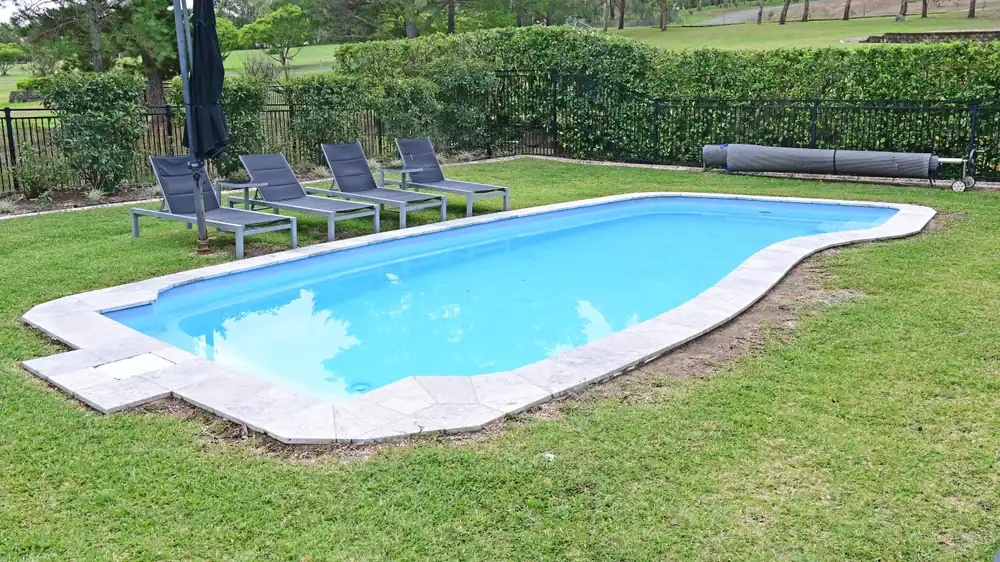
The construction timeline for custom gunite pools typically runs 8-12 weeks from permit approval to completion. That’s actual construction time—permit processing adds 2-4 weeks before we can start, depending on how busy the local building department is and whether your design requires any variances.
Weather affects the schedule more than most people expect. Summer storms in Georgia can delay excavation or concrete work, and we can’t pour gunite in freezing temperatures. Spring and fall usually offer the most predictable construction windows, though we build year-round when conditions allow.
Design complexity also impacts timeline. A simple rectangular pool with basic features moves faster than a freeform design with multiple levels, water features, and integrated spa. We give you a realistic timeline during the design phase based on what you’re actually building, not a generic estimate that doesn’t account for your specific project.
Gunite handles Georgia’s soil conditions better than other pool types. The concrete structure can flex slightly with soil movement without cracking, which matters when you’re dealing with clay soil that expands and contracts with moisture changes. Fiberglass shells are more rigid and can develop stress cracks when soil shifts. Vinyl liners don’t have structural issues, but they need replacement every 7-10 years.
Custom design is the other major factor. Gunite construction lets us build any shape, depth, or configuration that works for your property. Fiberglass pools come in pre-manufactured shapes—you’re limited to what’s available and what can physically be delivered to your site. That’s a real constraint on rural properties around Alapaha where access might be tight.
The upfront cost for gunite is higher than vinyl and comparable to quality fiberglass. But you’re building a permanent structure that can last 50+ years with proper maintenance, versus a pool that needs major component replacement within a decade. For most homeowners planning to stay in their property long-term, that math works out in gunite’s favor.
All residential swimming pools in Georgia require a building permit before construction starts. The state follows the International Swimming Pool and Spa Code, but your local building department in Alapaha may have additional requirements specific to the county.
The permit process includes submitting your pool design, site plan showing setbacks from property lines and structures, details on your barrier/fencing system, and specifications for electrical and plumbing work. The building department reviews everything to make sure it meets code before issuing the permit. This typically takes 2-4 weeks if your application is complete and doesn’t require any variances.
You’ll also need inspections at specific stages during construction—usually after steel installation, after plumbing rough-in, after electrical work, and a final inspection before you can fill and use the pool. We coordinate all of this as part of your project. Trying to build without permits or skipping inspections creates serious problems when you go to sell your property or if there’s ever an insurance claim related to the pool.
Custom gunite pools in South Georgia typically start around $50,000-$60,000 for a basic design and go up from there based on size, features, and site conditions. That’s a wide range because every property and design is different.
Site conditions affect cost significantly. If your lot requires extensive excavation due to elevation changes, has poor access that makes equipment delivery difficult, or needs additional drainage work, those factors add to the base price. Rocky soil costs more to excavate than standard Georgia clay. Properties that need retaining walls or significant grading work obviously run higher.
Design features drive the other major cost variables. A simple rectangular pool with basic finishes costs substantially less than a freeform design with a raised spa, water features, LED lighting, and high-end finishes. Adding a large patio area, outdoor kitchen, or fire features increases the total investment. We price projects based on what you’re actually building, not a per-square-foot estimate that doesn’t account for complexity. The best approach is getting a detailed quote based on your specific property and design goals.
Professionally installed inground pools typically increase home value by 5-7% in Georgia, though the actual return depends on your neighborhood and local market conditions. In areas where pools are common and expected, you’ll see stronger returns. In neighborhoods where few homes have pools, the value increase might be lower because you’re limiting your buyer pool to families specifically wanting that feature.
The quality of construction and overall backyard design affects value more than just having a pool. A well-designed custom pool with proper landscaping, quality decking, and good integration with your outdoor living space adds more value than a basic pool that looks like an afterthought. Buyers pay attention to the condition and quality of the installation—they can tell the difference between professional work and a budget installation that’s already showing problems.
Location matters too. Georgia’s warm climate makes pools usable most of the year, which increases their value compared to regions where pools only get used three months annually. Around Alapaha, where summer heat makes pools genuinely useful for family recreation and entertaining, you’re more likely to see strong value returns. The investment also improves your quality of life while you own the home, which has value beyond just resale considerations.
Gunite pools need regular chemical balancing, filtration system maintenance, and periodic surface care. Georgia’s warm, humid climate means your pool stays warmer longer into fall and heats up earlier in spring—that’s great for swimming but means algae can grow year-round if chemistry isn’t maintained properly. You’ll need to test and adjust pH, chlorine, and alkalinity weekly during swim season and every other week in winter.
Your filtration system should run daily, with filter cleaning or backwashing based on pressure readings. Cartridge filters need cleaning every 2-4 weeks during heavy use. Sand and DE filters need backwashing when pressure rises 8-10 PSI above the clean baseline. The pump, filter, and other equipment typically last 8-12 years before needing replacement, though quality equipment and proper maintenance extend that lifespan.
The plaster or aggregate surface will eventually need resurfacing—usually every 10-15 years depending on water chemistry maintenance and usage. Keeping your pH balanced prevents premature surface degradation. You’ll also want to brush the walls weekly and vacuum as needed to prevent staining and buildup. Most homeowners either handle basic maintenance themselves and hire professionals for equipment service, or they contract with a pool service company for complete maintenance. We train you on proper procedures when your pool is completed so you understand what’s involved.