
Hear from Our Customers
South Georgia summers are long, hot, and relentless and in Pavo, that season runs from April well into October. A well-built inground pool isn’t a luxury here. It’s one of the most practical investments you can make in a place where the heat index pushes past 100 degrees and you’ve got the yard space to do something real with it.
The soil in this part of Georgia is not forgiving. The clay-heavy ground in Thomas and Brooks counties expands when it’s wet and contracts when it dries and it does that cycle every single year. A pool shell that isn’t engineered for that movement will crack, shift, and cost you far more down the road than the original build. Concrete construction, done right, is built to handle exactly that kind of ground.
If you’ve looked at fiberglass as an option, here’s what actually happens in the Pavo area: the water table fed by the same system that runs through Okapilco Creek can cause a fiberglass shell to pop out of the ground after a wet South Georgia spring. That’s not a sales pitch against fiberglass. It’s what happens when the wrong product meets the wrong soil and the wrong water table. A concrete pool bonds with the earth. It doesn’t float on it.
We founded Deep Waters Pools in 2014 but the people behind it had already spent more than 30 years doing concrete, plumbing, and pool construction before the company ever existed. That’s not a marketing timeline. That’s what it looks like when tradespeople wait until they actually know what they’re doing before asking you to trust them with your property.
We’re based in Douglas, Georgia, which puts us firmly in the same South Georgia world as Pavo the same soil types, the same climate, the same county-level permit systems, and the same small-town communities where your reputation follows you everywhere. We’ve worked in rural communities across this region long enough to know that a job done wrong in a town of 600 people is not something you quietly move past.
When your property sits near the Thomas-Brooks county line in Pavo, you need a builder who already knows which permit office to call. We do.
It starts with a conversation about how you actually use your outdoor space not a catalog walkthrough. From there, we build a full 3D rendering of your pool design so you can see exactly what it will look like in your yard before a single shovel moves. Shape, depth, spa placement, patio layout all of it is visible and adjustable before anything is committed.
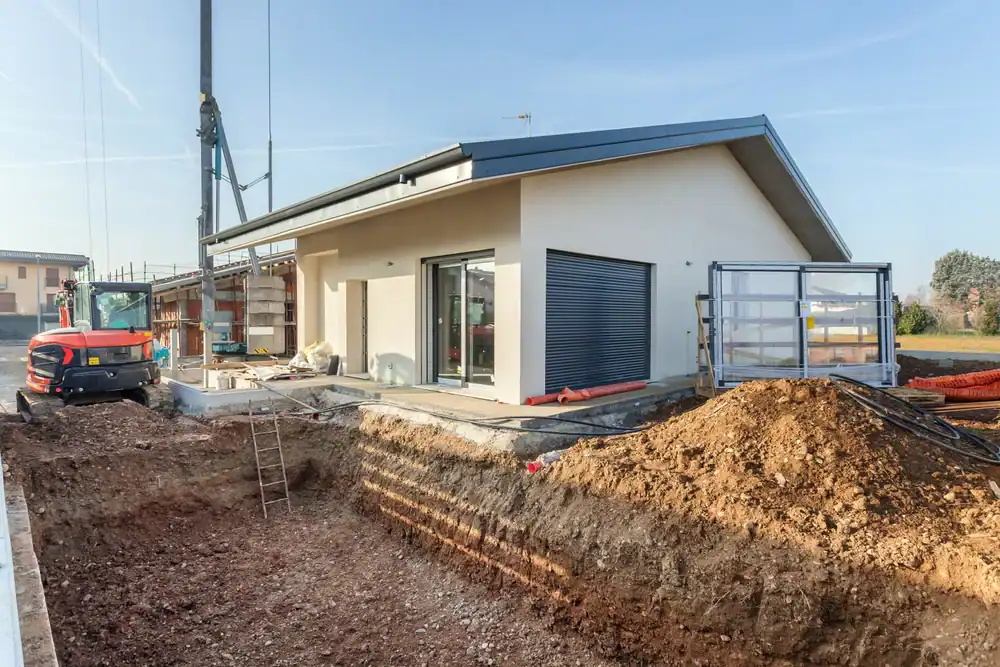
Once the design is locked in, permitting comes next. In Pavo, that means identifying which county governs your specific property Thomas or Brooks and filing with the right office. We handle that entire process, including boundary surveys and any environmental health approvals required. You don’t get handed a checklist. We take care of it.
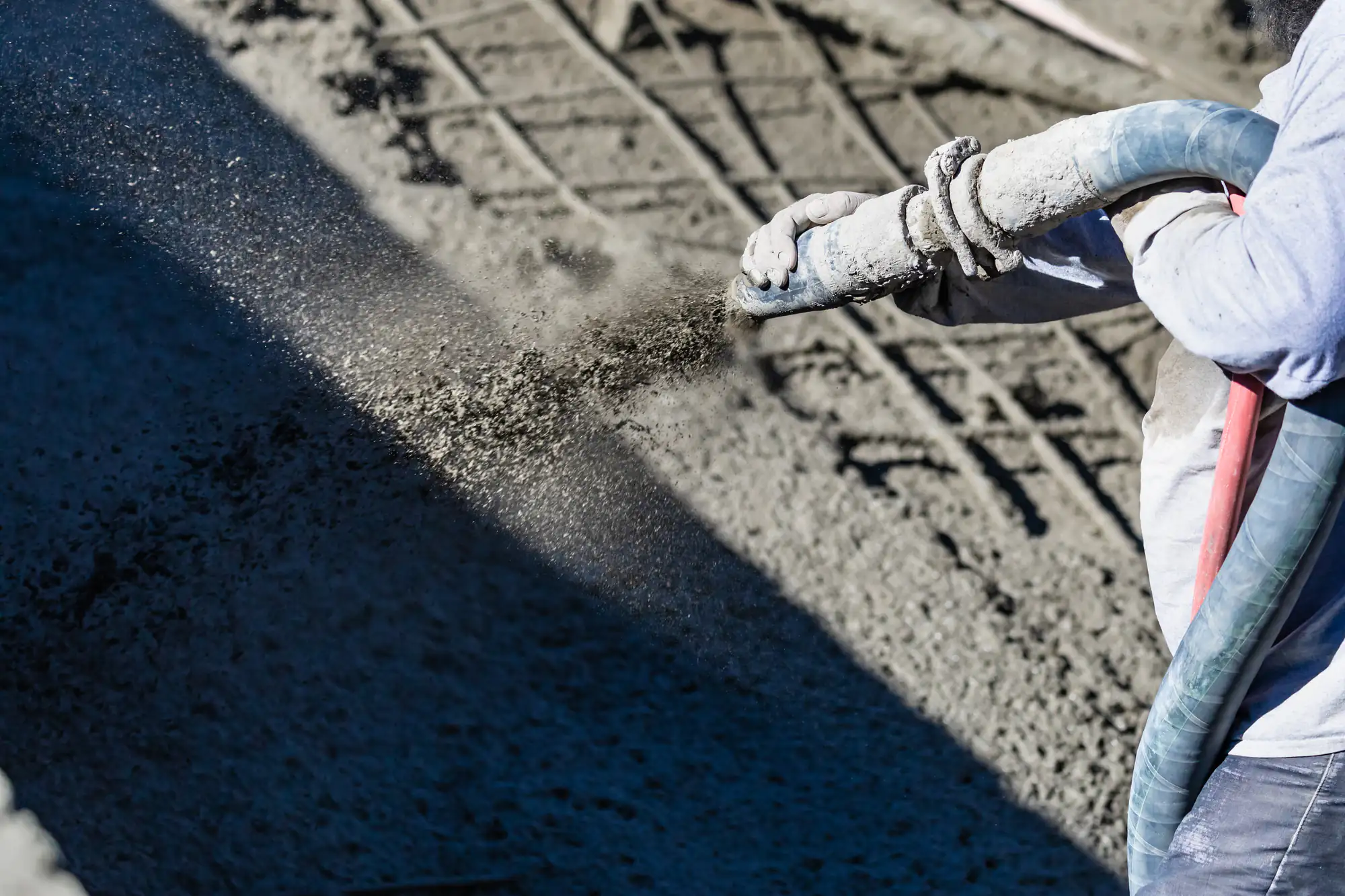
Excavation and construction follow the permit approval. Concrete pool construction in South Georgia requires careful timing around the rainy season, and we plan accordingly because pouring concrete in the wrong conditions affects how it cures and how long it holds. After the shell is complete, plumbing, electrical, decking, and your custom safety cover are all finished before the pool is ever filled. The safety cover is included standard not offered as an add-on at the end when you’re already committed.
Ready to get started?
Every pool we build is concrete no fiberglass shells, no vinyl liners. Concrete is permanent, fully customizable in shape and depth, and gets stronger over time. For properties in Thomas and Brooks counties where the soil moves with the seasons and the water table rises after heavy rain, it’s the only material that makes sense long-term.
The full scope of what you get includes custom inground pool design and construction, spa installation, patio design and build, and a custom-fitted safety cover sized to your exact pool shape all included as a standard part of the build. Permitting is handled start to finish, which in Pavo means navigating whichever county office Brooks County Development Services in Quitman or Thomas County’s building office applies to your property. That dual-county reality is something most out-of-area builders won’t even think about until they’re already behind on your timeline.
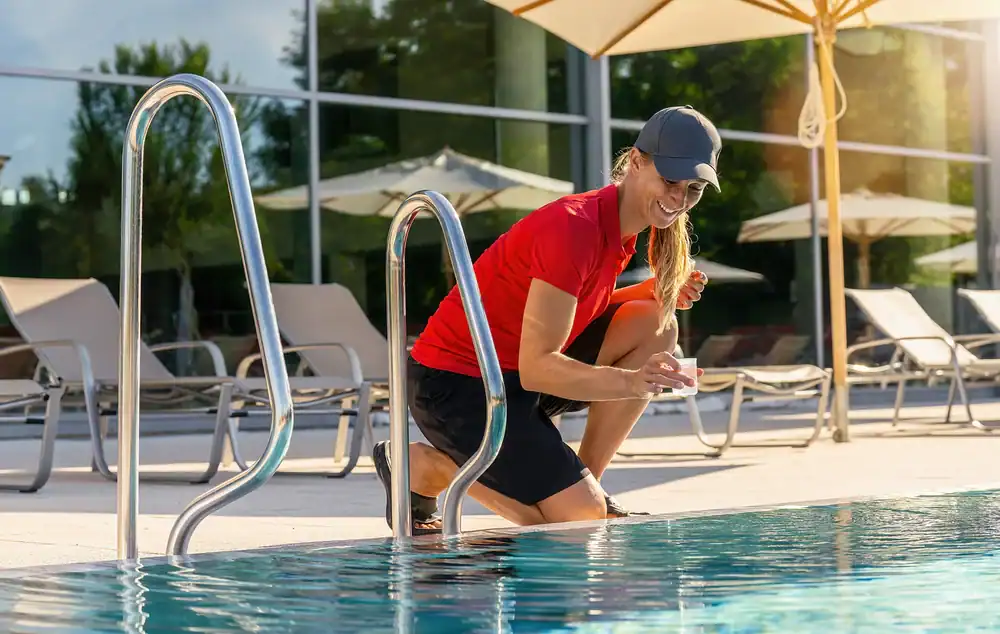
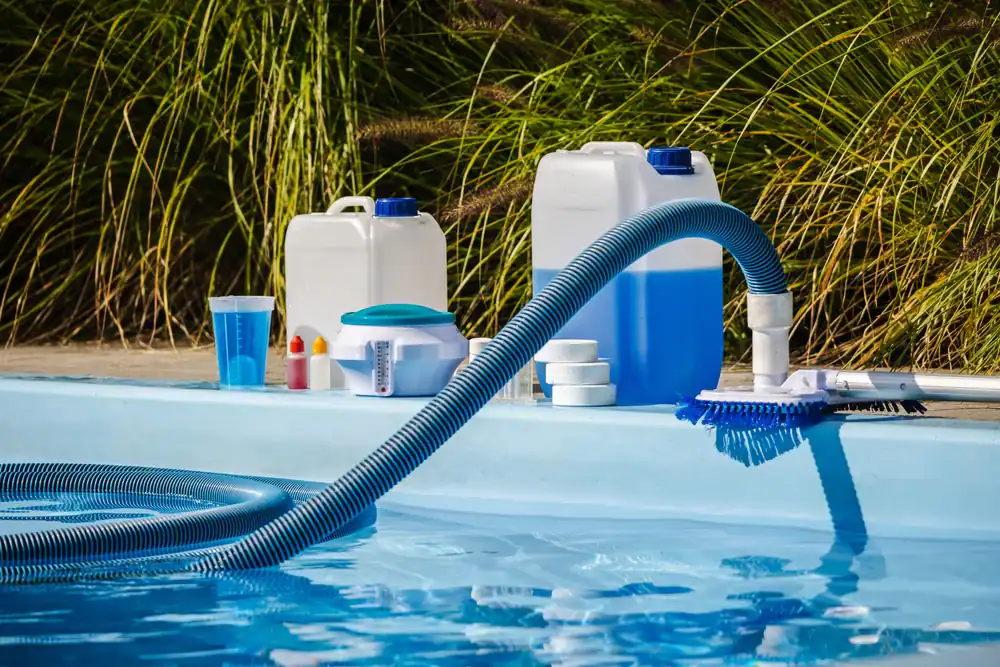
After the build, we offer weekly maintenance plans to keep your water balanced and your equipment running through every South Georgia summer. For homeowners commuting to Thomasville or Valdosta who want to come home to a pool that’s ready to use not one that needs an hour of work before anyone gets in that ongoing service is what turns the investment into something you actually enjoy.
Yes, and in Pavo the answer is more involved than it is in most towns. Because Pavo straddles the Thomas-Brooks county line, your permit requirement depends on exactly where your property sits. If you’re on the Brooks County side, your permit goes through Brooks County Development Services at 610 S Highland Road in Quitman. If your property falls in Thomas County, you’re working with a different office and a different set of forms and timelines.
This is one of the first things we identify when a Pavo homeowner reaches out because filing with the wrong county office doesn’t just slow things down, it can create real problems with inspections and final approval. Beyond the county permit, Georgia also requires compliance with state contractor licensing requirements for pool construction above certain contract thresholds. We handle all of it, including boundary surveys and any environmental health sign-offs, so you’re not left figuring out which office to call on your own.
Concrete inground pools in Georgia typically range from $70,000 to well over $150,000 depending on size, shape, features, and site conditions. That’s a wide range, and the honest reason for it is that no two properties are identical lot grade, soil conditions, access for excavation equipment, and what you want to include in the design all affect the final number.
What we commit to is transparent pricing. The number in your proposal is the number you pay. There are no square-footage add-ons priced after you’ve signed, no surprise change orders for work that should have been in the original scope. For a project of this size, that kind of clarity matters especially when you’re making a decision that will affect your property for decades. If you want a realistic ballpark for your specific property in the Pavo area, the best starting point is a design consultation where the actual scope can be assessed.
For most properties in Thomas and Brooks counties, yes and it comes down to two things: soil and water. The clay-heavy soils in this region expand when wet and contract when dry. That seasonal movement puts real stress on a pool shell, and concrete reinforced with steel is engineered to handle it. Fiberglass shells are manufactured off-site in a fixed shape and have no structural flexibility for soil that shifts.
The water table issue is equally important. The Pavo area sits within a watershed system that sees meaningful groundwater levels after heavy rain and through the wet spring season. Fiberglass pools are vulnerable to hydrostatic pressure meaning a rise in groundwater can literally push the shell upward out of the ground if the pool isn’t full or the engineering doesn’t account for it. Concrete pools bond with the surrounding earth and are not subject to the same risk. Beyond the structural argument, concrete also gives you complete freedom on shape, depth, and design a fiberglass shell comes in whatever sizes the manufacturer offers, and that’s what you get.
From signed contract to first swim, a custom concrete pool typically takes four to six months sometimes longer depending on permit timelines, weather, and the complexity of the design. In South Georgia, the rainy season is a real factor. Excavation and concrete work both require dry conditions to be done correctly, and a builder who rushes those stages to hit an arbitrary deadline is cutting corners that show up years later as cracks and water loss.
In Pavo specifically, the permit phase adds a layer that out-of-area builders often underestimate. Identifying the correct county office, submitting the right documentation, and scheduling inspections through either Brooks or Thomas County takes time and doing it right the first time is faster than correcting a filing error mid-project. The most common reason pool builds run long is a permit problem that could have been avoided. We handle that phase proactively, which keeps the overall timeline as tight as the process honestly allows.
Inground pools are documented to increase home values by 5 to 7 percent on average nationally, and that figure tends to be stronger in warm-climate markets where the pool is usable for most of the year. In Pavo, where the swimming season runs roughly six to seven months for an unheated pool and potentially year-round with a spa, the usability argument is strong.
On a home valued at $140,000 close to the Pavo median a 5 percent increase represents $7,000 in added value. A 10 to 15 percent increase, which is more common in warm Southern markets with strong outdoor living demand, adds significantly more. The more important factor is that a concrete pool is a permanent improvement to the land, not a depreciating accessory. A fiberglass shell or vinyl liner loses value over time and eventually needs replacement. A well-built concrete pool adds to the property and stays. For homeowners in the Pavo area who own acreage and plan to stay long-term, that distinction matters.
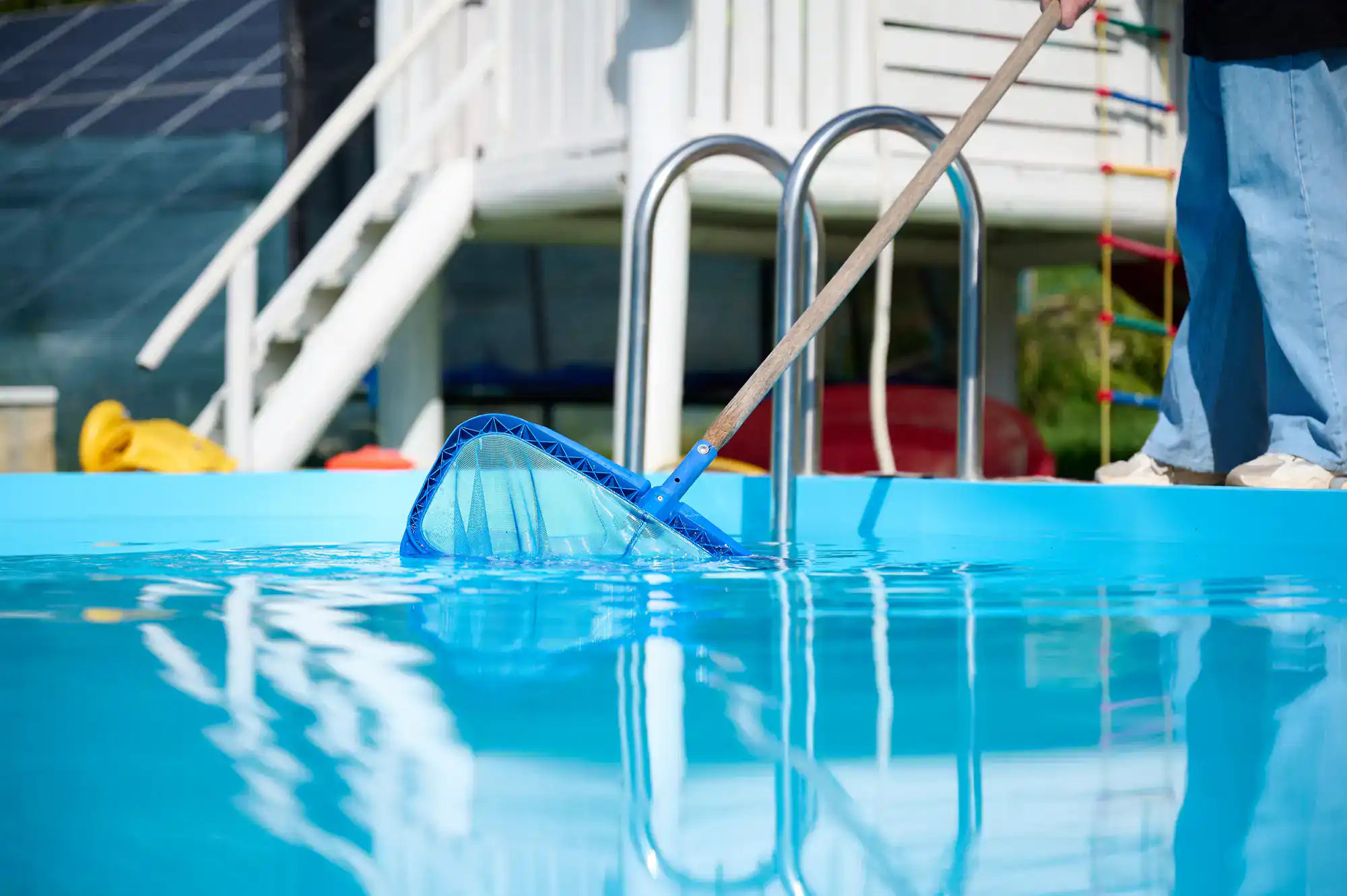
Yes. We offer weekly pool maintenance plans that cover water chemistry, equipment checks, and general upkeep through the season. For Pavo homeowners who are commuting out to Thomasville, Quitman, or down toward Valdosta for work, coming home to a pool that still needs an hour of maintenance before it’s swimmable defeats a lot of the point.
South Georgia’s heat and humidity are hard on pool chemistry. Water balance shifts faster in high temperatures, algae pressure is real from late spring through early fall, and equipment that isn’t monitored regularly tends to show problems at the worst possible time usually a holiday weekend in July. A weekly maintenance plan keeps the chemistry dialed in, catches equipment issues before they become expensive failures, and means the pool is ready when you are. It’s the difference between a pool that runs well for decades and one that becomes a recurring headache.