
Hear from Our Customers
Most pool problems don’t announce themselves. One week of central Georgia heat, a few afternoon thunderstorms, and chemistry that was fine on Monday can have your pool turning green by the weekend. That’s a typical July in Montrose. When your pool is on a consistent maintenance schedule, those problems get caught before they become expensive.
The homes in the 31065 ZIP code were mostly built in the 1980s and 1990s, which means a lot of pools in this area are carrying original or near-original equipment. Liners wear out. Heaters push past their design life. Pumps start working harder than they should. Weekly service isn’t just about keeping the water clear it’s about someone showing up who actually notices when something’s starting to go wrong before it fails completely.
For Montrose homeowners, that matters more than it might somewhere else. You’re not a short drive from a pool supply store or a service company. When something breaks in the middle of summer, you need a team that can handle it not one that shows up for maintenance and sends you to someone else for repairs.
We were founded in 2014, but the people behind Deep Waters Pools have been working in pools, plumbing, and concrete construction across South and Central Georgia for over 30 years. That’s not a marketing number it’s the reason our technicians can look at a pool and tell you what’s coming before it becomes a problem.
We’re family-owned and operate as one team. There’s no franchise structure, no rotating crew that doesn’t know your pool, and no call center standing between you and an answer. When Montrose homeowners call us, they reach the same people who do the work.
We serve communities throughout Central Georgia, including the Laurens County area, and we understand what pool ownership looks like out here rural properties, heavy tree canopy, summer weather that doesn’t let up, and equipment that’s been running since the Reagan administration. We show up, we do the work, and we tell you the truth about what your pool needs.
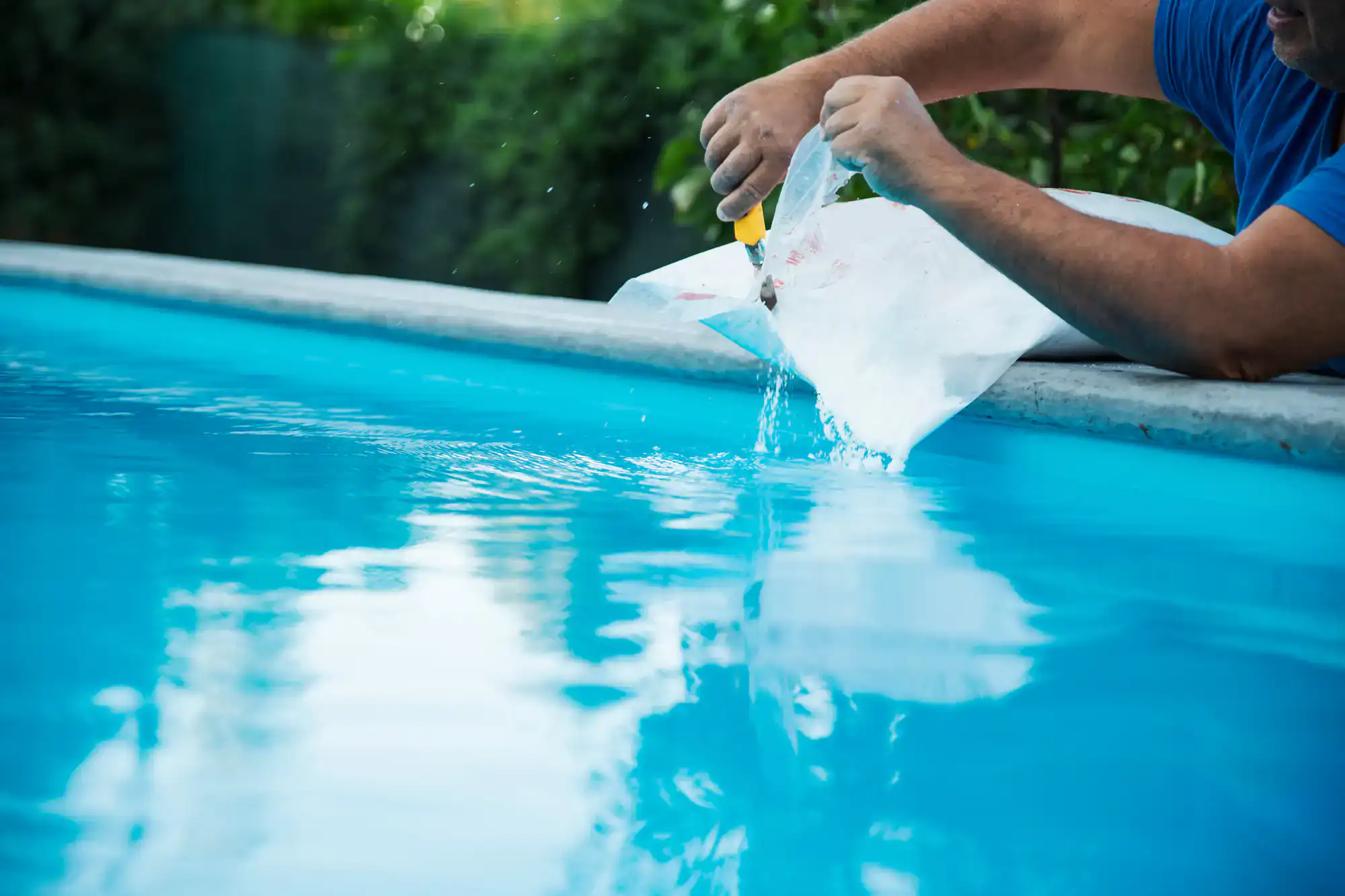
When we arrive at your property, the first thing we do is test the water. pH, chlorine, alkalinity, calcium hardness we check all of it, every visit. In central Georgia’s climate, those numbers can shift significantly between weekly visits, especially during the peak of summer when heat and afternoon storms are both working against your pool chemistry at the same time. We adjust on the spot, not at the next scheduled visit.
From there, we inspect the equipment. Pump pressure, filter condition, heater operation, and any visible signs of wear or developing issues. For homes in the Montrose area with older pools, this equipment check isn’t a formality it’s where we catch the things that become expensive if they’re ignored. A struggling pump seal or a liner showing early stress points is a manageable repair. The same problem three months later usually isn’t.
If something needs attention beyond routine maintenance a repair, a liner assessment, a heater inspection we tell you directly, explain what we’re seeing, and give you a clear picture of your options. No pressure, no upselling things you don’t need. Just an honest conversation about what your pool actually requires to stay in good shape through the season.
Ready to get started?
We handle the full range of pool services which matters a lot when you’re in a rural community like Montrose and the nearest alternative is a 15-mile drive to Dublin. Weekly pool maintenance keeps your water chemistry balanced and your equipment running through the season. Pool equipment repair covers Hayward, Pentair, Jandy, Sta-Rite, and Zodiac systems the brands most commonly found in homes built during the 1980s and 1990s, which is exactly the era most of the housing stock in the 31065 area comes from.
Leak detection is one of the more underestimated services we provide. A pool losing more than a half inch of water per day isn’t just evaporating it’s leaking, and in central Georgia’s soil conditions, an undetected leak can cause real structural damage over time. We locate the source and give you a clear repair plan before it becomes a bigger problem.
For pools with aging liners or equipment that’s reached the end of its useful life, we handle pool liner replacement and heater installation as well. A properly installed heater extends your usable season into the cooler months of spring and fall and with Laurens County’s shoulder seasons being some of the most comfortable time to actually use a pool, that’s worth considering. Everything we do is fully licensed and insured, and we handle the permitting process so you don’t have to navigate it on your own.

For most pool owners in the Montrose area, weekly maintenance is the right call not because it’s the most expensive option, but because central Georgia’s summer climate genuinely demands it. When you’re looking at 30 to 60 days per year above 90°F, combined with the humidity and afternoon thunderstorms that are common in Laurens County from June through August, pool chemistry doesn’t hold the way it does in cooler or drier climates. Chlorine burns off faster under intense UV, and a single heavy rain can dilute and destabilize a balance that was set just days before.
Bi-weekly service can work in the off-season spring and fall when temperatures are lower and the pool is under less stress. But during the core summer months, a week is a long time for chemistry to drift. By the time you can see algae forming, it’s already established, and remediation takes more time and chemicals than prevention would have. Weekly visits keep you ahead of that cycle instead of chasing it.
Every weekly visit starts with a full water chemistry test pH, free chlorine, total alkalinity, and calcium hardness. We adjust whatever’s out of range on the spot, because waiting until the next visit to correct a chemistry issue in a central Georgia summer is how pools end up green. After chemistry, we check the skimmer baskets, pump basket, and filter pressure to make sure water flow is where it should be.
We also do a visual equipment inspection on every visit not just when something looks obviously wrong. For pools in the Montrose area where equipment may have been running for 20 or 30 years, catching early signs of wear on a pump seal, a failing O-ring, or a filter that’s pushing past its service interval makes a real difference. The goal of every visit is to leave your pool in better condition than we found it and flag anything that needs attention before it turns into an unplanned repair bill.
The standard test is straightforward. Fill a bucket with pool water, set it on a pool step so it’s at the same temperature as the pool, and mark the water level in both the bucket and the pool. After 24 hours, compare how much each one dropped. If the pool dropped significantly more than the bucket, you have a leak not just evaporation.
In central Georgia’s summer heat, evaporation can account for a quarter to half an inch of water loss per day, which can make a real leak easy to dismiss. But if you’re adding water more than once or twice a week to keep levels up, that’s a sign worth taking seriously. For homes in the 31065 area with pools built in the 1980s or 1990s, aging plumbing fittings, worn liner seams, and deteriorating equipment seals are the most common sources. We locate the source and give you a clear repair plan before it becomes a bigger problem.
Most vinyl pool liners have a lifespan of 10 to 15 years under normal conditions, but central Georgia’s climate tends to accelerate that timeline. Intense UV exposure through the summer, chemical fluctuations caused by heat and heavy rain, and the occasional hard freeze that Laurens County does experience in winter all put additional stress on liner material over time. If your liner is fading significantly, showing cracks or tears, wrinkling along the walls, or if you’re consistently losing water without a clear equipment-side cause, those are all signs the liner is at or past the end of its service life.
For Montrose homeowners with pools installed in the 1980s or 1990s, a liner assessment is worth doing even if nothing looks obviously wrong. Liners that are 20-plus years old can be structurally compromised in ways that aren’t always visible until they fail. Replacing a liner proactively before it causes water loss or damage to the surrounding structure is almost always less expensive than dealing with the consequences of one that gives out mid-season.
For most Montrose homeowners, yes and the reason comes down to how central Georgia’s seasons actually work. The core summer months from June through August are hot enough that water temperature isn’t an issue. But May, September, and October are some of the most comfortable months of the year in Laurens County, and without a heater, pool water in those months can be too cold to use comfortably even when the air temperature is pleasant. A heater adds weeks to both ends of your usable season.
A properly sized and installed pool heater typically costs between $1,500 and $4,000 depending on the type and your pool’s volume, and with proper maintenance it should last 8 to 12 years. The key word is proper heaters that aren’t maintained regularly tend to fail in 3 to 5 years, which makes the installation cost feel a lot less worthwhile in hindsight. We handle both the installation and the ongoing maintenance, so the equipment you invest in actually lasts as long as it should.
The most important thing is full-service capability. In a rural area like Montrose, you don’t want a maintenance company that hands you off to someone else the moment a repair comes up. Look for a company that handles maintenance, equipment repair, leak detection, liner replacement, and heater installation under one roof. That continuity matters a team that already knows your pool’s history is going to diagnose problems faster and more accurately than a new set of eyes every time something goes wrong.
Beyond that, licensing and insurance are non-negotiable. Georgia requires a valid residential contractor license for pool work above $2,500, and any company that can’t confirm they’re licensed and insured is a liability risk on your property. Ask directly, and expect a straight answer. Experience with the specific conditions in central Georgia the summer heat, the clay soil, the aging housing stock common to the 31065 area is also worth asking about. A company that understands why pools behave the way they do in this climate is going to give you better service than one applying a one-size-fits-all approach from somewhere else.