
Hear from Our Customers
Most of the country gets four, maybe five months of swimming weather. In Unionville and the surrounding Tift County area, you’re looking at late March through October sometimes into November. That’s seven to eight months of real, usable pool time every year. A well-built gunite pool here doesn’t just make sense, it pays for itself in ways that a pool in northern Georgia simply can’t match.
The soil under your backyard matters more than most builders will tell you. Tift County sits on the Coastal Plain, where the dominant soil series is loamy marine sediment well-drained, but with specific bearing and drainage characteristics that affect how a pool shell needs to be engineered. A builder who treats every South Georgia county the same is not the same as one who understands the difference between Unionville’s Coastal Plain loam and the heavy clay soils further east. When the pool is designed and built for the actual ground it goes into, it doesn’t crack, it doesn’t shift, and it doesn’t give you problems five years down the road.
Gunite also gives you something fiberglass never can complete design freedom. Any shape, any depth, any feature. A tanning ledge, a spa, a beach entry, a waterfall all of it is possible because gunite is built on-site, around your specific backyard, not pulled from a manufacturer’s catalog. That’s a permanent, custom-engineered structure going into your property, and it adds real value to it.
We were founded in Douglas, GA in 2014 but our team had already spent more than 30 years in the field before we opened our doors. Concrete work, plumbing, custom pool construction across South Georgia’s range of soil conditions and county permit offices. That experience doesn’t live on a website. It lives in the rebar layout, the gunite thickness, and the plumbing design of every pool we build.
We serve Unionville and the surrounding Tift County area as a South Georgia specialist not a national franchise with a landing page, and not a Savannah company sending a crew down I-75. We know how Tift County’s Building and Permits Department works. We know what Environmental Health requires for pool-related site plans. We handle every permit and every inspection in-house, from the first application to the final sign-off, so you never have to manage a form or chase a county office.
Every phase of your build excavation, rebar, gunite, plumbing, electrical, decking is handled by our own team. No subcontractors. One crew, one standard, one point of accountability from start to finish.
It starts with a conversation about your backyard, your goals, and your budget not a sales pitch. Before anything else, we want to understand what you’re actually trying to build and whether the site can support it. From there, we put together a 3D design rendering so you can see exactly what your pool will look like before a single shovel breaks ground. No guessing, no surprises.
Once the design is locked in, we handle all permitting with Tift County the building permit through the county’s Building and Permits Department on Tift Avenue, the Environmental Health review, and the electrical permit required under NEC Article 680 for bonding and grounding. This step takes time, and it’s one of the main reasons realistic timelines in this market run three to six months. Builders who promise eight weeks are either skipping steps or setting you up for disappointment. We give you an honest window and we hit it.
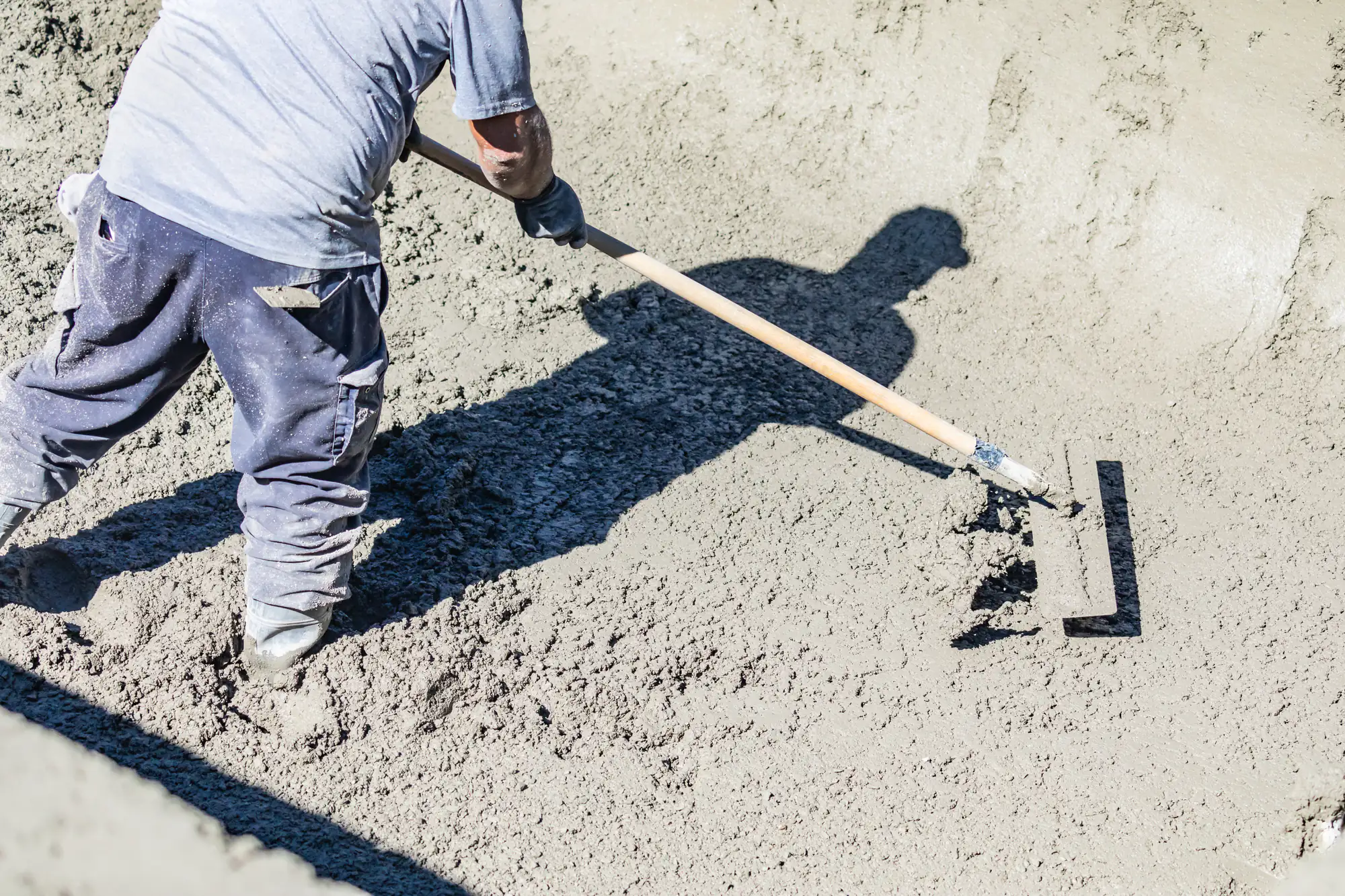
Construction moves in sequence: excavation, rebar installation, gunite application, curing, plumbing and equipment installation, electrical, interior finish, and final inspection. Each phase is completed by our own crew before the next begins. When it’s done, you’re not handed off to a separate maintenance company we service what we build, and we’re available for the life of your pool.
Ready to get started?
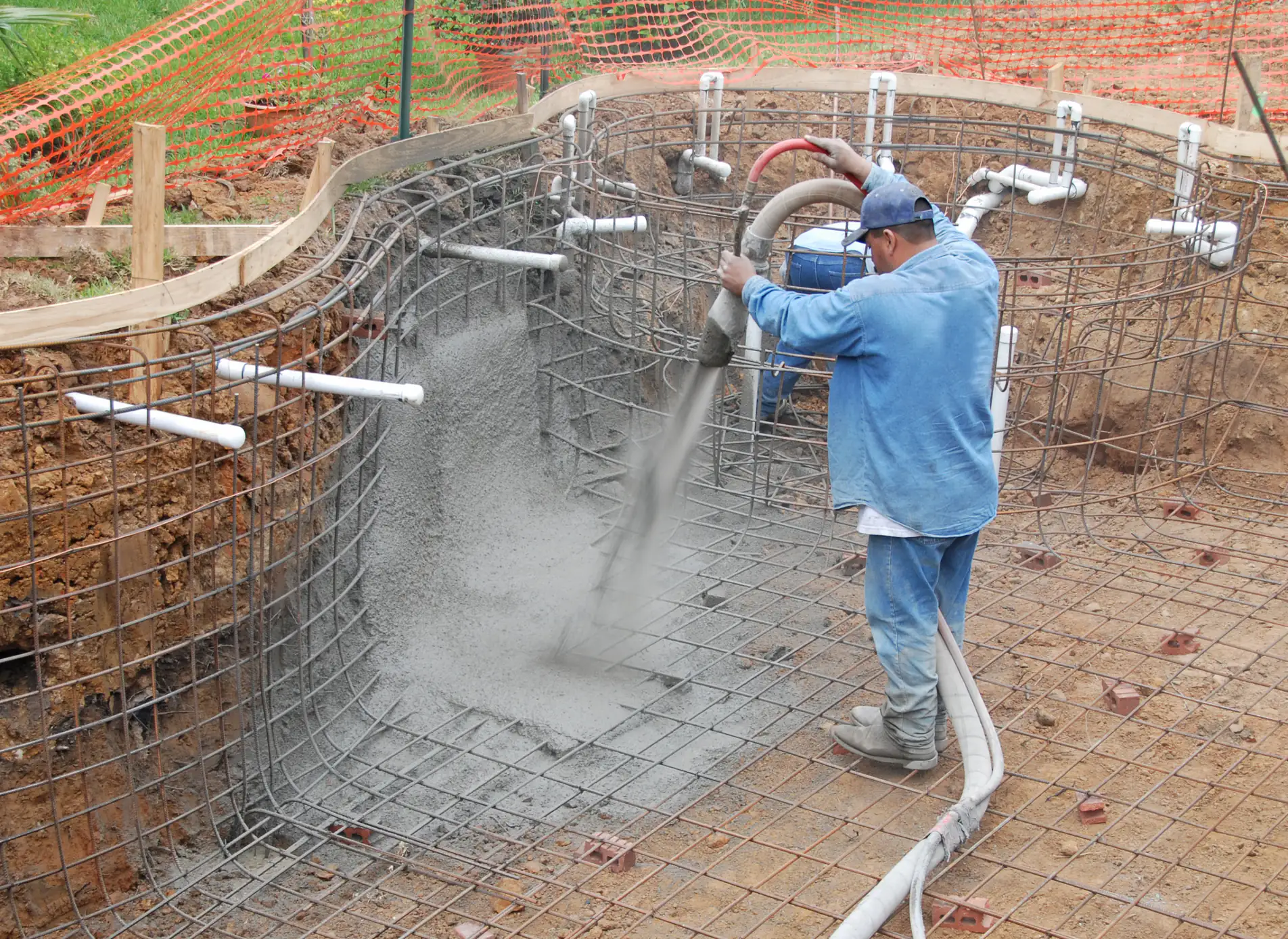
A gunite pool build with us covers every phase from ground to water. Excavation is handled with full awareness of Tift County’s Coastal Plain soil conditions the loamy, well-drained sediment that behaves differently than the clay-heavy ground further east. Rebar is installed and inspected before any gunite is applied. The gunite itself is applied by our own crew, not a subcontracted applicator, at the proper thickness and with the cure time it actually needs. This is where a lot of builders cut corners, and it’s exactly where we don’t.
Plumbing and electrical are done in-house, with full compliance to NEC Article 680 the federal code governing bonding and grounding for swimming pools. Equipment installation covers all major brands, including Hayward, Pentair, Jandy, Sta-Rite, and Zodiac. Deck construction is included, and finish selections are made with your input before work begins. Every step is permitted and inspected through the appropriate Tift County departments nothing is skipped, nothing is assumed.
We also offer ongoing maintenance and equipment service after the build is complete. If you’re in Unionville, Phillipsburg, Ty Ty, or anywhere in the Tift County area, you’re in our service territory and the same team that built your pool is the team that keeps it running.
In the South Georgia market, a professionally built gunite pool typically runs between $75,000 and $150,000, with most residential projects landing around $100,000 depending on size, site conditions, and the features you want included. A basic rectangular pool with standard equipment and a simple deck will come in lower. Add a spa, a tanning ledge, a waterfall, or a more complex shape, and the number moves up accordingly.
What drives cost in Unionville and Tift County specifically is a combination of site preparation, permitting, and design complexity. The Coastal Plain soil conditions here are generally favorable for pool construction, but every site is different lot grade, drainage patterns, and proximity to existing structures all affect excavation and engineering requirements. The honest answer is that you won’t know your exact number until someone has looked at your specific backyard and put together a real design. Anyone quoting you a firm price over the phone before seeing your property is guessing.
You’ve probably seen the argument that Southern soil shifts and cracks gunite pools. It’s a claim that circulates in this market and it describes what happens when a pool is built wrong, not what happens when it’s built right. Cracking is a construction problem, not a material problem. When the shell is engineered for the actual soil conditions of your site, properly reinforced with rebar, applied at the correct thickness, and given adequate cure time, a gunite pool doesn’t crack. It lasts for decades.
Fiberglass has its place, but it comes with real limitations. The shape you get is the shape the manufacturer made. Depth options are fixed. If the shell isn’t installed perfectly level, you’ll have structural problems that are expensive to fix. Gunite is built on your property, in the ground, designed around your backyard and the shell itself is a permanent concrete structure. In Unionville’s climate, where you’re using that pool seven to eight months a year, a gunite pool built correctly is the stronger long-term investment.
A realistic gunite pool construction timeline in Tift County is three to six months from signed contract to finished pool. That window accounts for permitting through Tift County’s Building and Permits Department, design finalization, excavation, rebar, gunite application and curing, plumbing, electrical, interior finish, and all required inspections. Some phases have fixed minimum timeframes gunite cure time, for example, cannot be rushed without compromising the integrity of the shell.
Builders who quote eight to twelve weeks are either working on a project with no complications, skipping steps, or setting an expectation they won’t meet. The most common complaint among pool buyers in this market isn’t the price it’s a contractor who promised a fast turnaround and delivered a half-finished pool months past the original date. If you want your pool ready for spring, the smartest move is to start the process in fall or early winter, when Tift County permit queues are shorter and construction crews have more availability.
Because Unionville is an unincorporated community, pool construction here falls under Tift County’s jurisdiction rather than a city building department. You’ll need a building permit through the Tift County Building and Permits Department at 225 Tift Avenue North in Tifton. You’ll also need sign-off from Tift County Environmental Health, which handles pool-related permits and inspections and requires a site plan showing pool placement relative to any septic system, wells, and structures on the property. Electrical work requires a separate permit and must comply with NEC Article 680, the federal code governing bonding and grounding for swimming pools.
Navigating multiple county departments, coordinating inspections at the right phases of construction, and making sure nothing is missed is a real administrative burden especially for a homeowner who has never built a pool before. We handle all of it. We file the applications, schedule the inspectors, and track every approval so construction doesn’t stall waiting on a form. You don’t have to learn the county’s process. That’s our job.
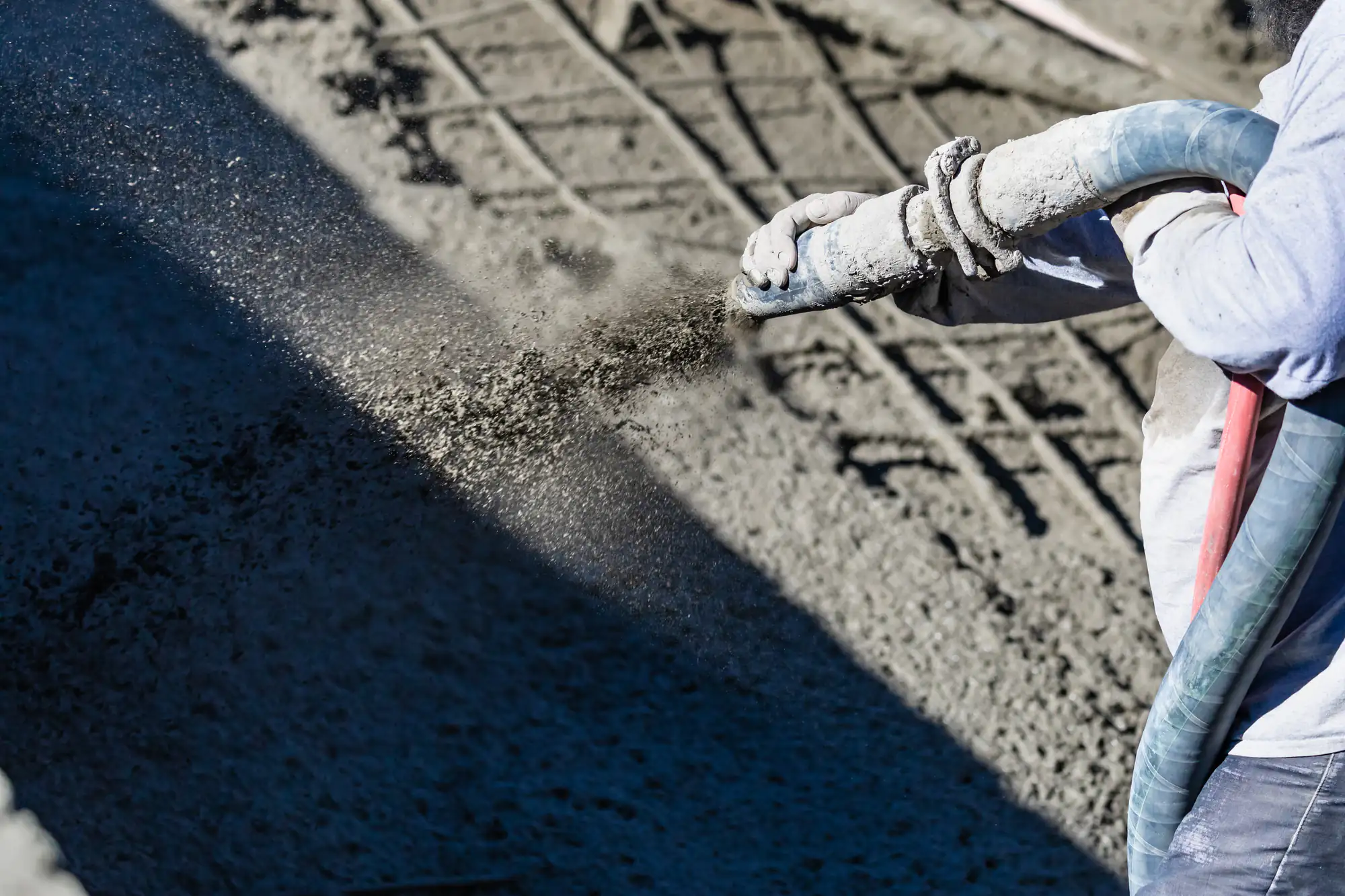
Gunite and shotcrete are both pneumatically applied concrete the difference is in how they’re mixed before application. Gunite is a dry-mix process where water is added at the nozzle during application. Shotcrete is a wet-mix process where the concrete is pre-mixed before it’s sprayed. Both methods produce a high-strength concrete shell when applied correctly, and both are used in professional pool construction throughout South Georgia.
What matters more than the label is who’s applying it and how. The strength of the finished shell depends on the water-to-cement ratio, the thickness of the application, the density of the rebar behind it, and the cure time allowed before the next phase begins. A skilled crew using either method will produce a durable shell. A rushed crew using either method will produce problems. When you’re evaluating pool builders, asking about their application method is less important than asking who actually does the work whether it’s their own crew or a subcontracted applicator they hired for the day.
Tift County has one of the longest swimming seasons in Georgia. The frost-free period here runs up to 310 days annually, and mean annual temperatures range from the mid-50s to the low 70s Fahrenheit. In practical terms, a pool in Unionville is usable from late March or early April through October and in mild years, into November. That’s seven to eight months of real swimming weather, which is nearly double what a homeowner in northern Georgia gets from the same investment.
Gunite handles this climate well. The concrete shell isn’t affected by South Georgia’s heat, humidity, or the wet-dry cycles that come with 40 to 68 inches of annual rainfall. The equipment runs more months per year here than in most U.S. markets, which makes quality equipment selection and proper electrical installation more important not less. A pool that’s built right for this climate, with the right equipment and a properly engineered shell, will run reliably through a long season year after year. That’s the return on investment argument for gunite in Unionville and it’s a strong one.