
Hear from Our Customers
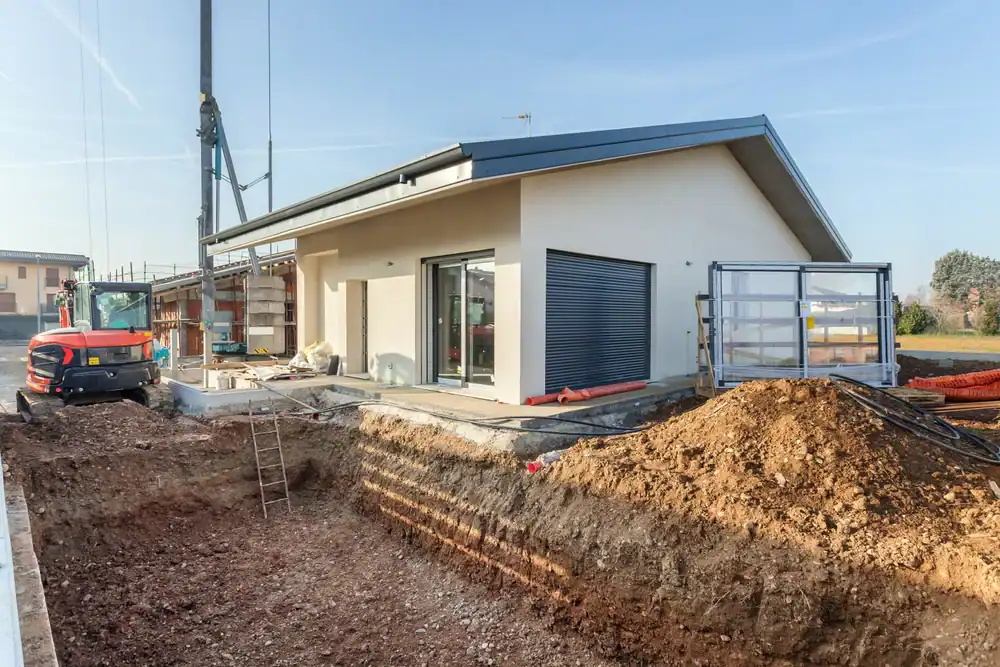
Laurens County soil is not forgiving of lazy construction. The flat-to-rolling terrain around Montrose that mix of sandy loam and clay-loam sitting in the Coastal Plain transition zone moves with moisture. It drains differently than red clay upland soil, and it behaves differently under a structure that’s meant to hold tens of thousands of gallons of water. A pool that wasn’t engineered for this specific ground will show you that within a few years.
Concrete is the only pool material that gets stronger over time. Fiberglass has a fixed shape you can never modify, and it can shift in the ground after a heavy Georgia rain. Vinyl liners need full replacement every seven to ten years a cost that never showed up in the original quote. When you build in concrete, you build once.
Middle Georgia’s swim season runs from April through October. That’s nearly seven months of real use every year, and a heated spa stretches it further. For a homeowner on a larger rural lot outside Dublin, a custom inground pool is not a luxury add-on it’s the most-used part of your property. Inground pools add an average of five to seven percent to home value, and in a market where you’re investing in land and privacy, that return compounds over time.
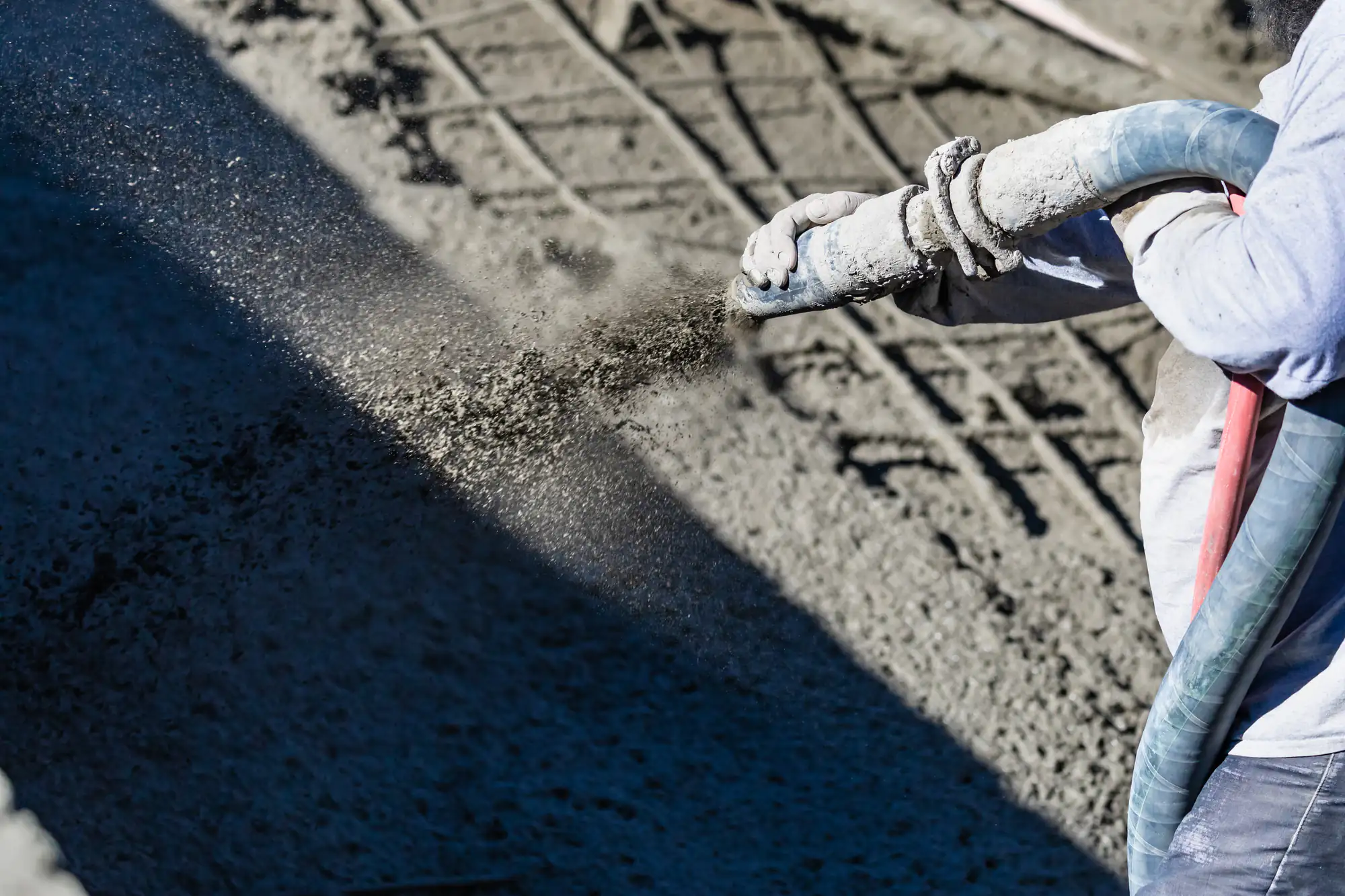
We started Deep Waters Pools in 2014 after spending more than three decades working in concrete, plumbing, and pool construction across Georgia. This wasn’t a career change it was a decision to do the work right after watching too many families in the Montrose area and surrounding Laurens County get burned by contractors who took deposits and disappeared or delivered something that cracked within a few seasons.
The Montrose area sits in a part of Georgia that doesn’t have a lot of pool builders paying close attention to it. Dublin has Mid-State Pools, which has been around since 1980 and sells vinyl, fiberglass, and gunite depending on what you ask for. We build in concrete only because that’s what we believe is right for Georgia soil, Georgia weather, and a homeowner who wants a pool that outlasts their mortgage.
We handle the full Laurens County permit process, including E-911 address verification, the county building permit, and environmental health review. You don’t chase paperwork. We do.
It starts with a conversation about your property and what you actually want. Lot size, how you use your outdoor space, whether you want a spa, a sun shelf, a patio surround all of that gets factored in before anything else. Larger rural lots in the Montrose area give you more design flexibility than most suburban markets, and we use that room intentionally.
From there, we build a 3D rendering of your pool in your actual backyard. You see the finished result before construction begins not a generic mockup, but your property, your pool, your layout. Once you’re locked in on the design, we take over the Laurens County permit process entirely. That means coordinating with the county Building Department and the Environmental Health office so the project doesn’t stall while you’re waiting on approvals you didn’t know you needed.
Construction on a residential inground concrete pool typically runs eight to sixteen weeks. If you want your pool ready for the May swim season, the time to start the process is late fall or early winter permits and engineering take time, and the builders who tell you otherwise are the ones who leave you with a hole in your yard in June. We give you a real timeline upfront, and we stick to it.
Ready to get started?
Every Deep Waters Pools project includes full permit handling, a 3D design rendering, reinforced steel framework engineered for your specific site, and a custom-fitted safety cover built to the exact dimensions of your pool. That last item is not an upsell it comes with every build because it should.
For Montrose homeowners, the site engineering piece matters more than most builders will admit. The drainage behavior of Laurens County’s sandy loam and clay-loam soils is different from upland Georgia, and the county’s significant annual rainfall Dublin averages close to fifty inches a year means water management under and around your pool has to be planned from the start, not corrected after the fact. We account for that in the design phase, not the repair phase.
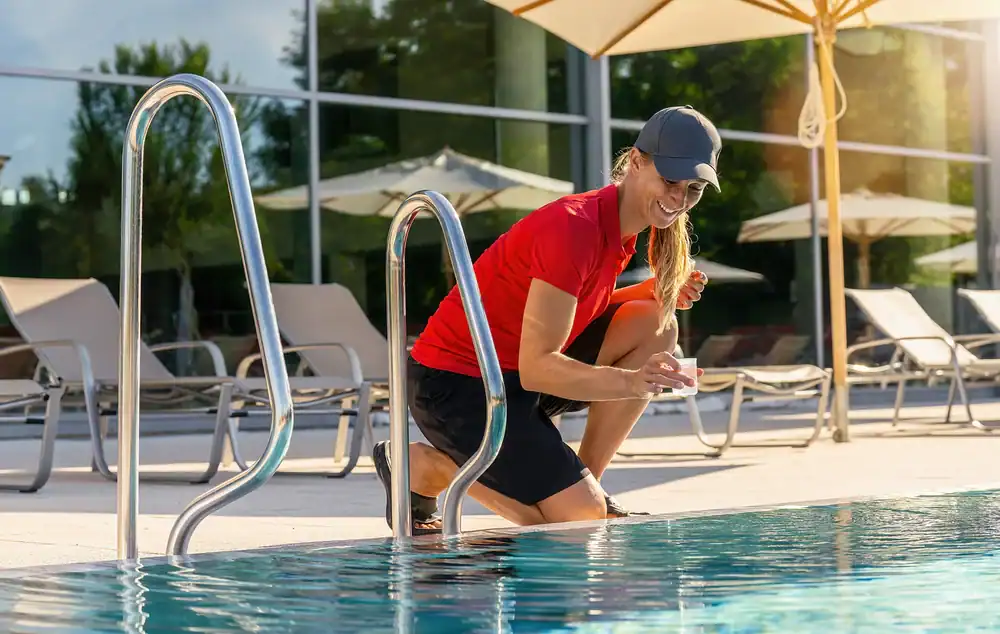
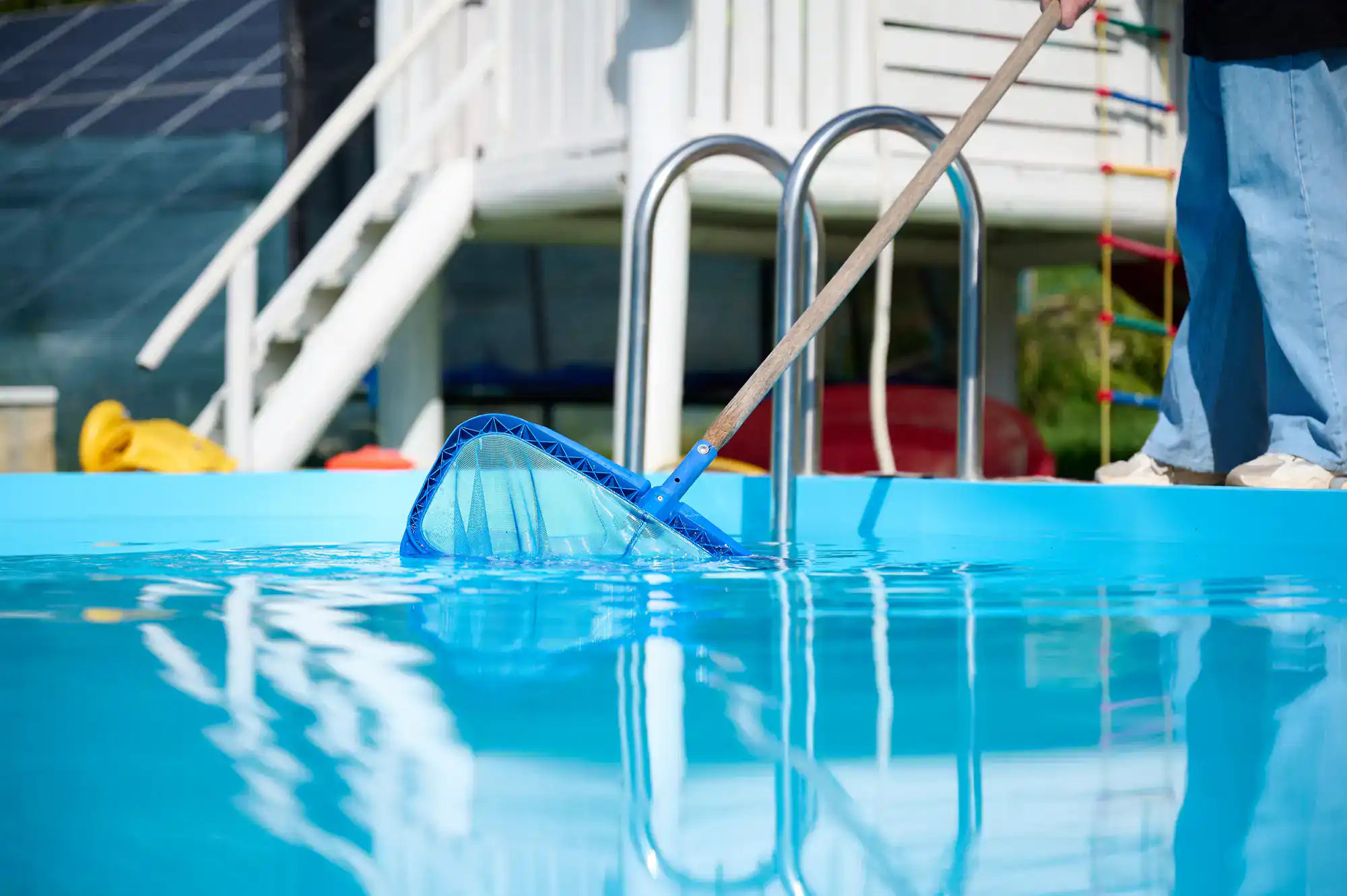
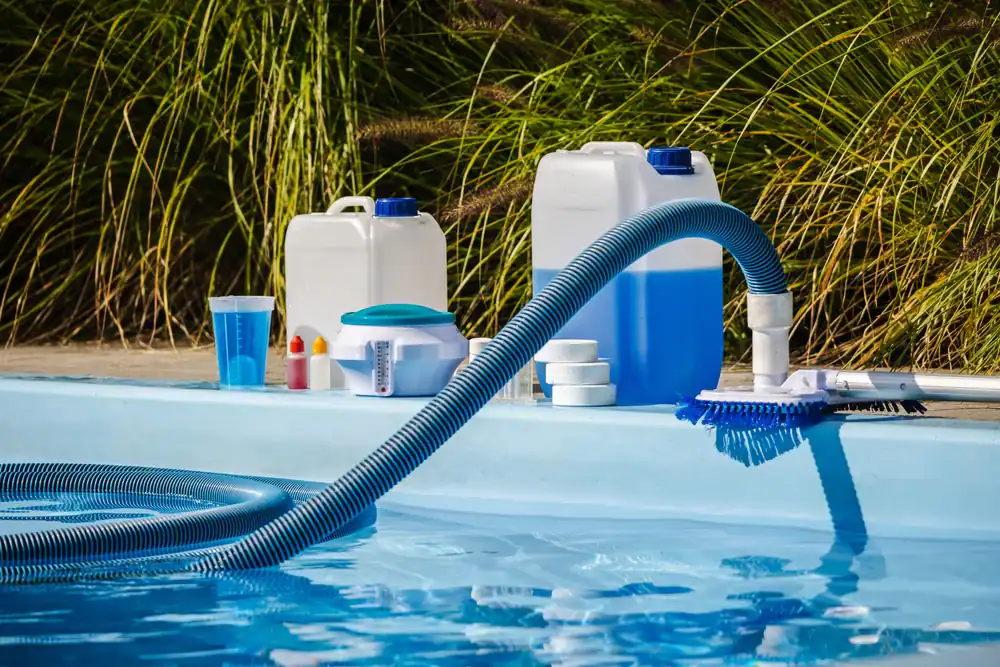
Beyond the pool itself, we build spas, patios, and full outdoor living spaces that extend what your backyard can do. And after construction, our weekly maintenance plans keep your water chemistry balanced and your equipment running through the entire swim season. One team builds it, the same team maintains it. No handoffs, no separate companies that don’t know how your pool was constructed.
Pool construction in Montrose falls under Laurens County jurisdiction, and the process has three distinct steps most homeowners don’t know about going in. First, you need E-911 address verification through the Laurens County E-911 Office that has to happen before a permit application is even accepted. Then you file a building permit application through the county Building Department. Finally, and this is the step that trips people up most often, you need environmental health review and approval through the Laurens County Environmental Health office.
Each of those steps involves a different county office, different timelines, and different documentation. If one gets submitted wrong or out of order, it can delay your project by weeks. We handle every step of this process for you we know what Laurens County requires, we know the sequence, and we manage all of it so you don’t have to figure it out on your own. You’ll know exactly where the project stands at every point, without spending your afternoons on hold with county offices.
For a custom inground concrete pool in Georgia, you’re generally looking at a range of $70,000 to $150,000 or more depending on size, shape, features, and site conditions. Pools with spas, water features, or full patio surrounds sit toward the higher end of that range. Basic custom builds with standard finishes come in lower. The honest answer is that no legitimate builder can give you a firm number without seeing your property and understanding what you want.
What you should watch for in Laurens County specifically is how a builder accounts for your site. The soil profiles around Montrose sandy loam and clay-loam on flat-to-rolling terrain require proper drainage planning and reinforced construction that some lower-priced bids skip entirely. A quote that looks competitive on paper can get expensive fast if the engineering wasn’t done right the first time. We give you transparent pricing before you sign anything, and the number we quote is the number you pay no scope creep, no square-foot add-ons after the contract is in place.
For most residential inground concrete pools, construction runs eight to sixteen weeks once permits are approved and the project is underway. Highly customized builds with spas, extensive patio work, or complex site conditions can take longer. The variable that most people underestimate is permit timing in Laurens County, the three-step permit process involving E-911 verification, the county building permit, and environmental health review adds meaningful lead time before a shovel ever touches your yard.
If your goal is a pool ready for Memorial Day weekend, you need to start the conversation in October or November at the latest. Buyers who reach out in April hoping for a June pool are almost always disappointed not because the construction itself takes that long, but because the pre-construction steps do. Starting early gives you the full swim season. Starting late means you’re watching your neighbors use their pools while yours is still being permitted. We walk you through the realistic timeline in the first conversation so there are no surprises on either end.
The short answer is that concrete is the only material that makes long-term sense for a Georgia homeowner and we’re not willing to build something we don’t believe in just because it’s easier to sell. Fiberglass pools come in fixed shapes that cannot be structurally modified after installation. They also have a documented history of shifting in the ground after heavy rain events, which is a real concern in middle Georgia where annual rainfall runs close to fifty inches. Once a fiberglass shell moves, you have a structural problem that no amount of maintenance fixes.
Vinyl liner pools look appealing at the quote stage because the upfront cost is lower. But the liner itself needs full replacement every seven to ten years, and that replacement cost typically several thousand dollars was never in the original number you agreed to. Over the life of the pool, vinyl becomes the more expensive option. Concrete gets stronger over time, can be reshaped or expanded, and is the only pool material genuinely designed to last for decades without a major structural overhaul. For a Montrose homeowner making a long-term property investment, that’s the only material worth building with.
On average, an inground pool adds five to seven percent to residential home value. The actual impact depends on the quality of the build, the features included, and how well the pool fits the property. In Montrose and the broader Laurens County area, where properties tend to sit on larger rural lots, a well-designed inground pool with a patio surround and spa transforms the usable character of your land in a way that carries real market value.
Georgia’s climate also strengthens the case. A pool in Minnesota gets used three months a year. In middle Georgia, you’re looking at April through October nearly seven months of real use annually, extended year-round if you add a heated spa. That consistent usability is what drives the value argument. A pool that sits unused half the year is a liability in the eyes of buyers. A pool in a climate where it’s genuinely part of your lifestyle is an asset. For a homeowner on a Laurens County property who plans to stay long-term, the ROI is in the living the resale value is just a bonus.
The most important thing to verify is licensure. Georgia requires pool contractors to hold licensure through the State Licensing Board for Residential and General Contractors for projects above certain contract values but there’s no uniform national standard, which means unlicensed operators can still quote jobs and nothing stops them from doing so. Ask any builder you’re considering for their license number and verify it through the Georgia Secretary of State’s office before you sign anything.
Beyond licensure, pay attention to how a builder handles the permit process. In Laurens County, pool construction requires three separate county approvals and a builder who hands you a checklist and tells you to figure it out is telling you something about how they’ll manage the rest of the project. Ask specifically whether they handle E-911 verification, the county building permit, and environmental health review, or whether that falls on you. Also ask for a written timeline with milestones and a transparent itemized quote. The builders who resist giving you those things in writing are the ones most likely to surprise you with cost overruns or delays mid-project. A contractor who has nothing to hide makes it easy to see everything upfront.