
Hear from Our Customers
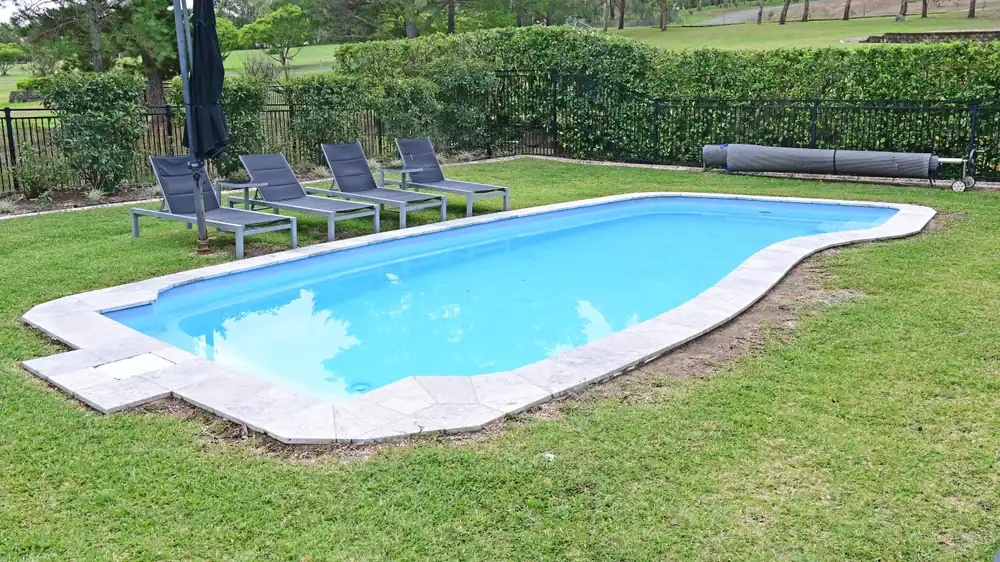
When you own a rural property in western Laurens County, your backyard is already an asset. A custom inground pool doesn’t just add something to look at it gives your family a reason to stay home, a place to gather, and a feature that adds real long-term value to the land you’ve invested in. That’s not a sales pitch. It’s what homeowners consistently say after the build is done.
Middle Georgia summers are long and genuinely hot. From late April through October, temperatures regularly climb into the upper 80s and 90s with humidity that makes outdoor heat feel more intense than the thermometer reads. For a family living along the US 80 corridor west of Dublin, a pool isn’t a luxury add-on it’s six months of real use every single year. That’s a meaningful return on the investment, not a seasonal novelty.
There’s also the property angle. Homes in the Montrose area sit on larger rural lots the kind of land that gives you actual placement options, room for decking, and space to design something that fits the way your property naturally sits. Concrete construction means no factory mold, no catalog shape, and no compromises. You get a pool that was designed for your specific lot, not a prefabricated shell dropped into a hole.
We’re a custom concrete pool contractor serving Southeast and Middle Georgia, including Laurens County and the communities along the US 80 corridor. We’ve built on rural residential properties across this region which means we already understand the soil conditions, the site variables, and the practical realities that come with building on the kind of land that Montrose homeowners own.
That matters more than most people realize. Middle Georgia’s clay and sandy loam soils affect drainage planning and excavation. Larger rural lots around Montrose often mean septic systems that constrain where you can dig, well water that requires planning for pool filling, and equipment access across more ground than a suburban build ever involves. These aren’t surprises for us. They’re standard considerations we plan around from day one.
We’re a locally accountable company. Our reputation is built on word of mouth in the same communities where we work and in a small town like Montrose, where neighbors talk and reputations travel fast, that accountability means something real.
It starts with a site consultation. We come out to your property, look at the land, understand how the lot sits, and talk through what you’re envisioning. For rural Montrose properties, that early site visit matters we’re looking at soil conditions, drainage patterns, proximity to any septic infrastructure, and how we’ll stage equipment access across a larger parcel. That’s the kind of planning that prevents problems later.
From there, we handle the permitting. Pool construction in Laurens County requires a building permit through the county’s Building Inspection Department, and we pull that permit in your name, schedule all required inspections, and make sure every phase of the build is documented and code-compliant. You don’t have to figure out the county process that’s our job.
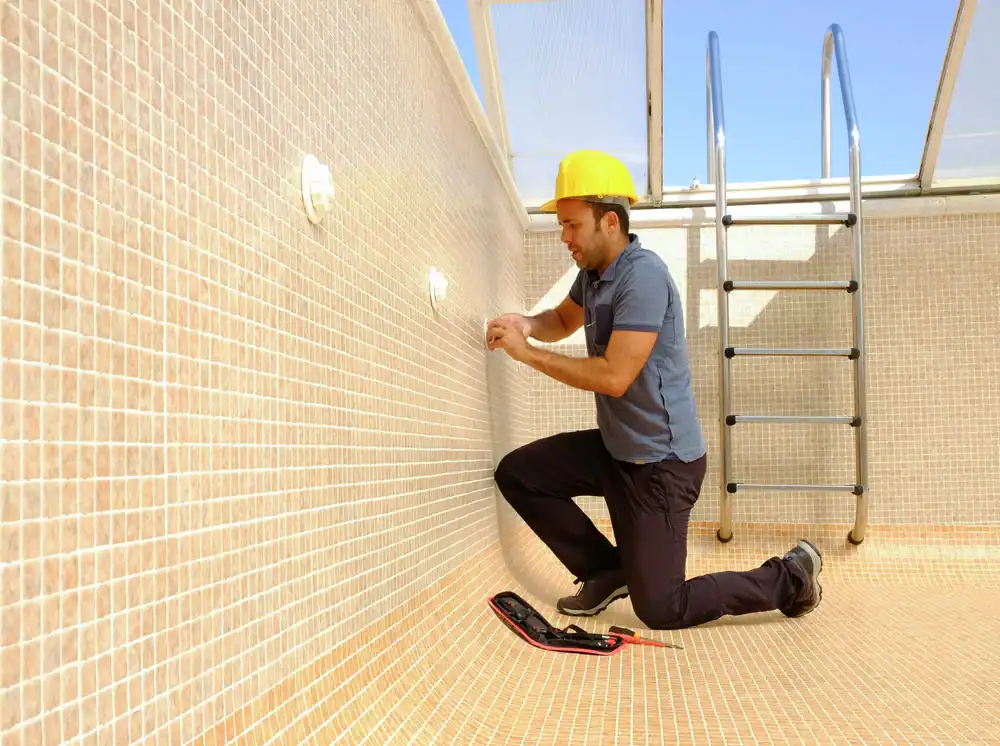
Construction follows a clear sequence: excavation, shell construction, plumbing and electrical, interior finishing, and decking. Payments are tied to specific milestones stages of completion you can see and verify before the next payment is due. No large upfront deposits, no ambiguity about where your money went. The best time to start this process in Middle Georgia is fall or early winter, so the pool is ready when the heat arrives in late spring. Homeowners who call in October swim by Memorial Day. Homeowners who call in March are usually looking at the following year.
Ready to get started?
Every pool we build is a custom concrete pool gunite or shotcrete construction, built from scratch to match your specific vision and your specific lot. No fiberglass shells, no vinyl liners, no catalog shapes. If you want a freeform pool that follows the natural contour of your land, a beach entry, a vanishing edge, or a pool and spa combination, concrete is the only material that makes those things possible without compromise.
Concrete pools built to proper structural standards last 30 to 50 years. The details that determine that lifespan rebar spacing and coverage, gunite thickness, hydraulic balance, plumbing sizing aren’t visible once the pool is finished. That’s exactly why the contractor you choose matters so much. We build to standards that exceed minimum code requirements because we understand that the pool we build today will be part of your property, and our reputation, for decades.
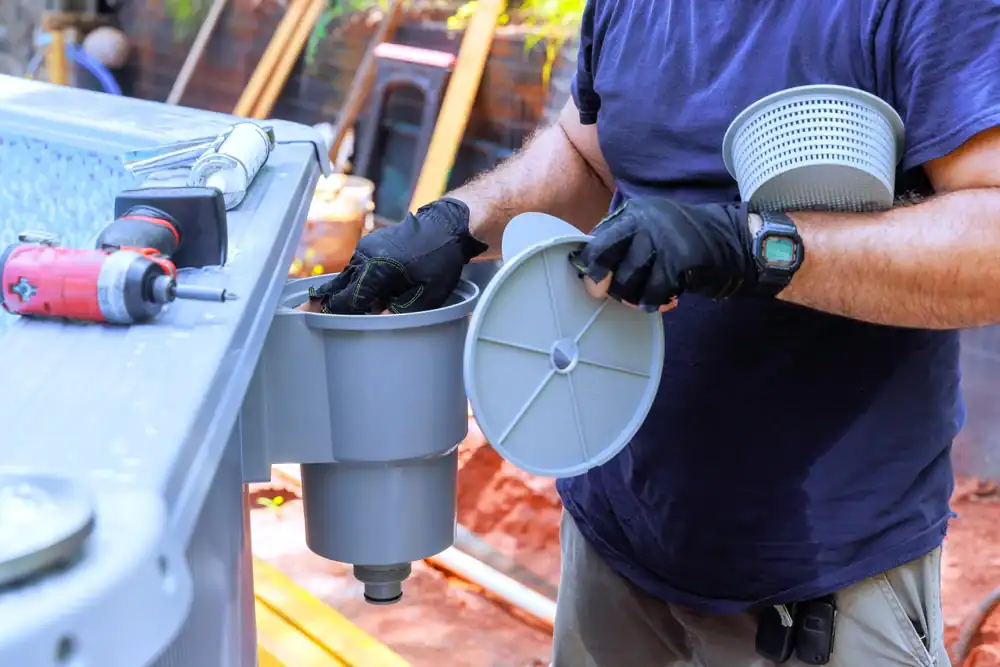
We also specify variable-speed pumps on every build. Compared to older single-speed equipment, variable-speed pumps reduce energy consumption by 50 to 75 percent a real difference in your monthly operating cost over the life of the pool. For a Laurens County homeowner thinking about long-term cost of ownership alongside the upfront investment, that’s worth understanding before you sign anything. The right equipment package isn’t an upsell. It’s what makes the pool less expensive and more enjoyable to own year after year.
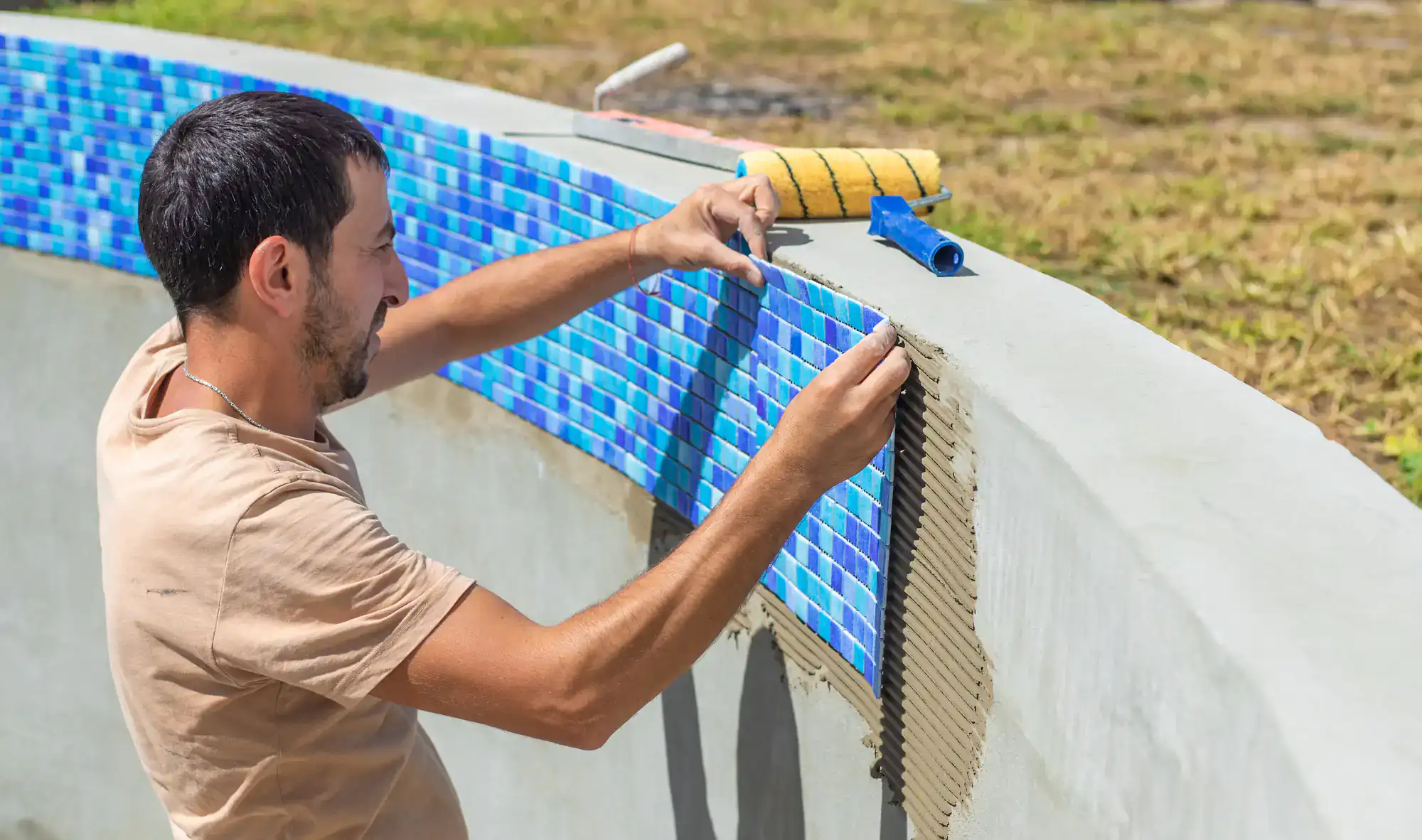
A custom concrete inground pool in the Laurens County area typically ranges from $50,000 to $100,000 or more depending on size, shape, depth, and features. Full backyard transformation projects where you’re adding decking, outdoor lighting, a spa, or other elements frequently run $125,000 to $175,000 or higher. These aren’t numbers meant to intimidate. They’re honest ranges that help you plan realistically.
What affects cost most is the scope of the build. A straightforward rectangular pool with standard decking sits at a different price point than a freeform design with a beach entry, attached spa, and custom coping. For Montrose homeowners on larger rural lots, the good news is that you typically have the space to build something genuinely impressive you’re not constrained by a tight suburban yard. The investment also returns real value: a well-built pool adds 50 to 70 percent of its cost to your home’s resale value, and the lifestyle return years of family use on property you already own is something most owners say they wish they’d done sooner.
The core difference is customization. Fiberglass pools are manufactured in a factory, which means you’re choosing from a set catalog of shapes and sizes. If your Montrose property has an irregular lot, a specific slope, or a design vision that doesn’t fit a standard mold, fiberglass can’t accommodate that. Concrete pools are built from scratch on your site, which means any shape, any size, any depth, and any configuration is possible beach entries, vanishing edges, attached spas, freeform designs that follow the natural contour of your land.
Durability is the other major difference. A properly built concrete pool lasts 30 to 50 years. Fiberglass pools typically last 15 to 25 years before the shell shows its age, and vinyl liner pools require liner replacement every 10 to 15 years. For a homeowner on a rural Middle Georgia property who is planning to stay long-term, concrete is the investment that holds up. The upfront cost is higher, but the per-year cost of ownership over the life of the pool is often lower and the finished product is genuinely yours, not a factory shape that happens to fit your yard.
Yes. Pool construction in Laurens County requires a building permit through the Laurens County Building Inspection Department. For properties within Montrose’s incorporated town limits, there may be both town and county considerations to navigate. Beyond the building permit, rural properties often involve additional steps land disturbance permits for excavation, setback verifications from property lines and structures, and coordination with utility providers for electrical service to pool equipment.
This is one of the most important reasons to hire a contractor who knows the local process. We pull permits in your name, schedule all required inspections, and make sure every phase of construction is documented and code-compliant before work moves forward. A contractor who suggests skipping permits is putting you at serious risk complications with your homeowner’s insurance, problems at resale, and liability for uninspected work that may not surface for years. We don’t cut that corner, and we’d encourage you to disqualify any contractor who suggests you should.
The best time to start is fall or early winter October through February. That window gives you time for the permit process, site preparation, and construction during the cooler months, so the pool is ready when Middle Georgia’s heat arrives in late spring. Homeowners who begin the process in October are typically swimming by Memorial Day. That’s the realistic timeline when you plan ahead.
The mistake most people make is waiting until spring. By March or April, quality contractors in the Middle Georgia region are already booked three to six months out. If you call in March hoping for a summer pool, you’re usually looking at the following year or you’re taking whoever is still available, which is a risk you don’t want to take on a project of this size. Middle Georgia’s mild winters are actually an advantage here. Unlike northern states where freeze-thaw conditions shut down construction for months, excavation and concrete work can proceed through most of the Laurens County winter without significant weather delays. That makes fall and winter the smart window, not a compromise.
Georgia requires pool contractors to hold a valid state contractor’s license, and that license is verifiable through the Georgia Secretary of State’s licensing board. When you’re evaluating any contractor for your Montrose property, ask for their license number directly and look it up yourself. A legitimate contractor will give you that information without hesitation. One who deflects, changes the subject, or tells you it’s not necessary is a contractor you should walk away from immediately.
Beyond the state license, look for contractors who carry general liability insurance and workers’ compensation coverage. If someone gets hurt on your property during construction and the contractor isn’t properly insured, that liability can fall on you. Ask for proof of insurance before any work begins not just a verbal assurance, but an actual certificate. In a rural community like Montrose where contractor options are more limited than in a larger city, it’s tempting to move quickly when you find someone who seems capable. Take the extra 20 minutes to verify credentials. It’s the most important due diligence you can do on a six-figure investment.
Yes, but the location of your septic system and drain field is one of the first things we look at during the site consultation. Excavation for a pool cannot occur within certain setback distances from septic infrastructure specific requirements vary by property and are governed by Laurens County and Georgia Department of Public Health guidelines. On most rural Montrose lots, this isn’t a dealbreaker. It’s a planning variable that affects where on your property the pool gets positioned.
The larger lot sizes that characterize properties in and around Montrose actually work in your favor here. When you have an acre or more to work with, there’s usually enough flexibility to site the pool in a location that clears the septic setbacks, captures the best sun exposure, and still works with the natural flow of your backyard. We identify all of this during the site visit before design work begins so you’re not discovering constraints after you’ve already committed to a layout. Properties on well water also need a plan for pool filling, which we factor into the project timeline from the start. These are the rural property realities we plan around every time, not complications that catch us off guard.