
Hear from Our Customers
Most Hahira homeowners don’t find out their pool has a problem until they’re already standing at the edge of it on a Saturday afternoon. By then, the water’s cloudy, the walls are slick, and the weekend plan is gone. Consistent, professional maintenance stops that from happening not by luck, but by staying ahead of what this climate actually does to a pool.
South Georgia heat accelerates chlorine burn-off faster than most people realize. In July, when Hahira’s heat index regularly climbs past 110°F, free chlorine can drop to unsafe levels within days of a service visit not weeks. Add in the afternoon thunderstorms that are practically a daily occurrence from June through August, and you’ve got rainfall diluting your chemicals and introducing organic material that feeds algae. A pool that was balanced on Monday can be a problem by Wednesday if nobody’s accounting for what the weather’s been doing.
That’s the difference between a service that shows up on a schedule and one that actually thinks about your pool between visits. When your water is consistently clear, your equipment is running the way it should, and you’re not spending your weekends troubleshooting chemistry, that’s what good pool maintenance looks like in Hahira.
Deep Waters Pools was founded in 2014 and is family-owned and operated out of South Georgia. Our ownership brings over 30 years of hands-on pool experience not just maintenance experience, but construction-level knowledge of how pools are built, how equipment works, and what actually causes problems over time. That background changes what a routine service visit looks like.
Hahira is a growing community, and a lot of the homes going up in subdivisions like McNeal Estates, Lawson Farms, and Grove Pointe are coming with brand-new pools and brand-new homeowners who are figuring out South Georgia’s climate for the first time. Whether you’ve had your pool for years or you’re just getting started, you deserve a service that understands what this region demands not one running through a checklist.
This is a family business, which means the people responsible for your pool have their name and their reputation directly behind the work. There’s no corporate buffer. If something’s off, you’ll hear about it and it’ll get handled.
Every visit starts with a full assessment of your water before anything gets added. pH, chlorine, alkalinity, calcium hardness, cyanuric acid all of it gets tested, because the starting point changes every single time. In Hahira’s climate, that’s especially true after a heavy rain event or a stretch of extreme heat. What your pool needed last week may not be what it needs today, and that’s exactly why the chemistry gets evaluated fresh on every visit rather than following a fixed formula.
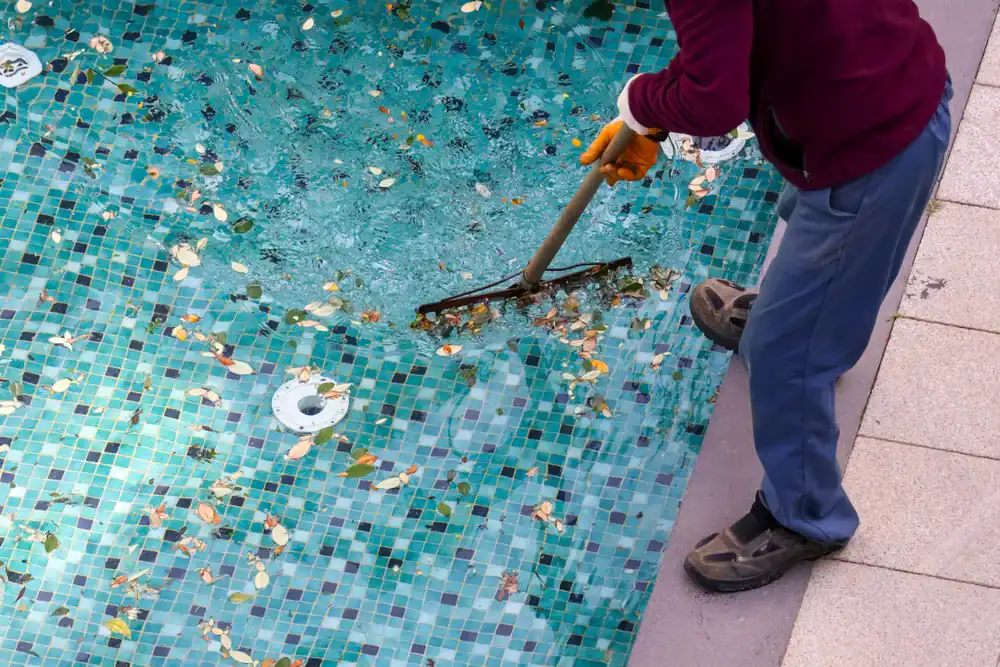
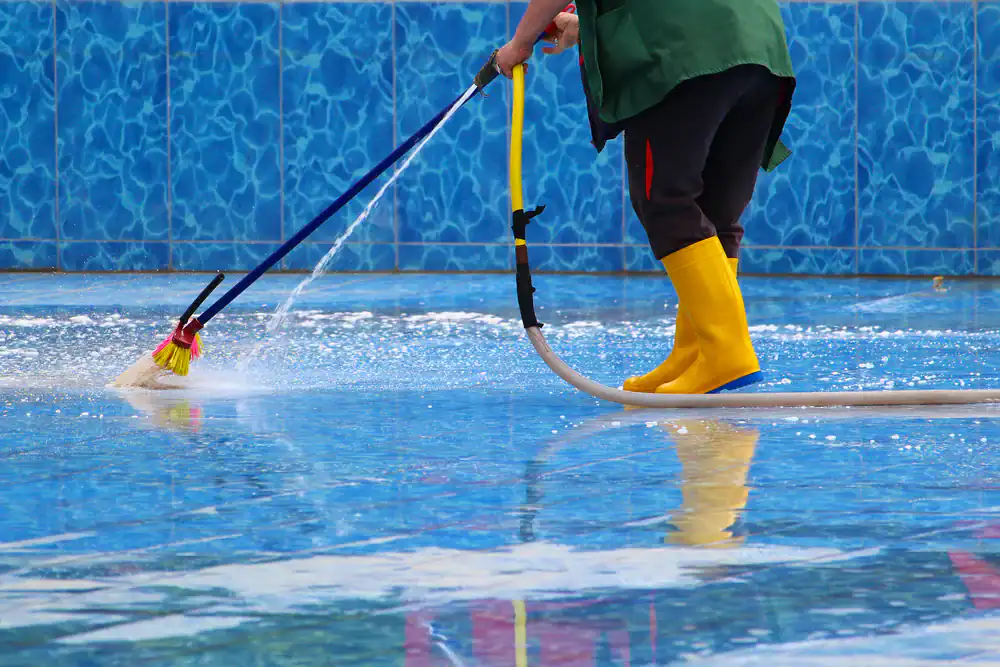
From there, we handle the physical work surface skimming, wall and step brushing, vacuuming the pool floor, and clearing out skimmer and pump baskets. These aren’t optional steps. Brushing the walls breaks up algae before it has a chance to take hold, and keeping baskets clear is what allows your equipment to do its job without strain. In the spring, when South Georgia’s pine pollen season is in full swing, debris loads in Hahira pools can be significant that organic material raises phosphate levels and feeds algae if it’s not removed consistently.
Once the water is balanced and the pool is clean, we do a visual inspection of your equipment. If something looks like it’s heading toward a problem a pump running louder than it should, a filter that needs attention you’ll know about it before it becomes an emergency. The goal is a pool that’s genuinely ready to use, not just one that looks okay from the outside.
Ready to get started?
Our pool cleaning service covers the full scope of what keeps a pool healthy water chemistry, physical cleaning, debris removal, and equipment monitoring, all in one visit. There’s no picking and choosing which parts of the job matter. In Lowndes County’s climate, skipping any one of those steps creates the conditions for the next problem.
Chemical balancing here isn’t a one-size formula. Hahira’s summer heat, UV exposure, and frequent rainfall mean the chemical demands on your pool shift week to week. Municipal water from the city’s supply system also has its own baseline chemistry that affects how your pool responds to treatment. Every adjustment we make is based on what’s actually in your water that day not what was there two weeks ago. That’s what keeps your pool consistently clear instead of swinging between good weeks and bad ones.
If your pool is already in rough shape green water, algae on the walls, chemistry that’s been off for a while we can address that directly. Green pool recovery is part of what we do, and it’s done the right way: testing first, correcting pH before any shock treatment, brushing all surfaces, and following up to make sure it holds. For new homeowners in Hahira’s growing subdivisions, that kind of full-service capability means you’re not managing multiple vendors or waiting on callbacks from separate companies when something needs attention.
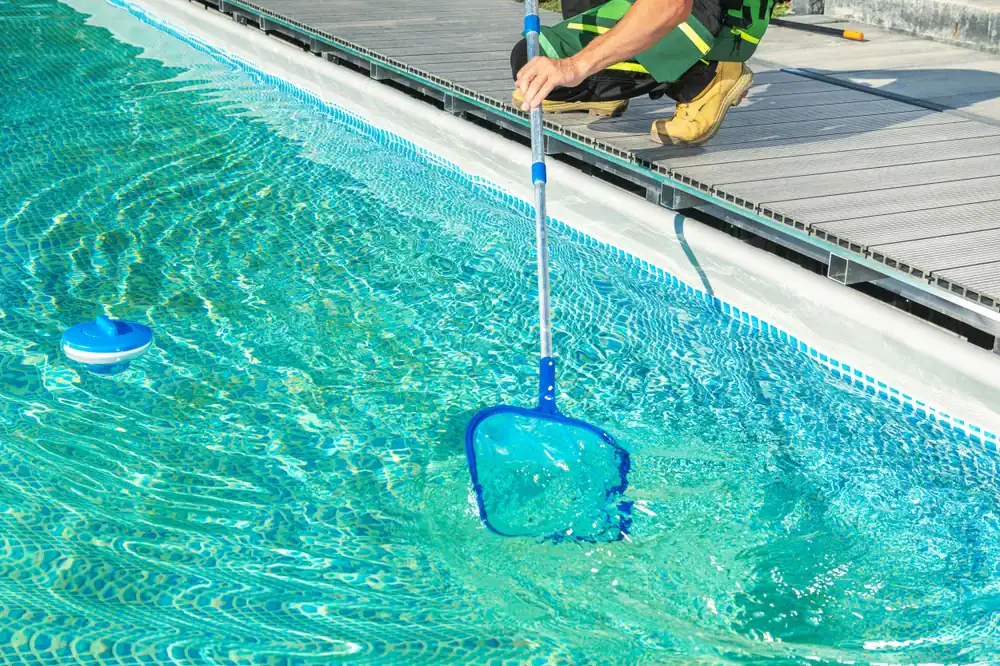
For most Hahira homeowners, weekly service is the right call from late April through September and honestly, it’s not overkill. When your heat index is regularly above 110°F and afternoon thunderstorms are a near-daily event in summer, a pool can go from balanced to problematic in a matter of days. Free chlorine degrades faster in extreme heat, rainfall dilutes your chemicals, and organic debris from storms introduces phosphates that feed algae. Bi-weekly service can work during the cooler months when the pool sees less use and the weather is more stable, but during peak season in South Georgia, a week is a long time to leave pool chemistry unmonitored. The cost of a missed week is often a green pool recovery which costs more than the visits you skipped.
Yes and this is one of the most common misconceptions among pool owners in this area. Full winterization, the kind where you drain lines and plug returns, is rarely necessary in Hahira because temperatures don’t get cold enough for long enough to freeze your plumbing. But that mild winter climate also means your pool doesn’t go dormant. Algae can grow in water as cool as 50°F, and Hahira temperatures dip below that threshold for roughly 69 days a year not enough to shut the pool down, but enough to let problems build quietly if the chemistry isn’t maintained. A pool that goes unserviced from November through March will almost always need significant remediation before it’s swim-ready in spring. Staying on a reduced winter maintenance schedule is far less expensive than starting from scratch when the weather warms up.
This is usually a chemistry sequencing problem, not a product problem. The most common mistake is adding shock to water that has an improper pH level chlorine-based shock loses most of its effectiveness when pH is too high, which means you’re spending money on chemicals that aren’t doing the job. The second issue is incomplete brushing. Algae attaches to pool surfaces, and if you’re only treating the water without physically breaking up the colonies on the walls and floor, the algae survives the treatment and comes back within days. In Hahira’s summer heat, that cycle can repeat quickly. We test first, correct pH before any shock is applied, brush all surfaces thoroughly, and follow up to confirm the treatment held. That’s what breaks the cycle instead of just managing it temporarily.
A standard maintenance visit covers water testing and full chemical balancing pH, chlorine, alkalinity, calcium hardness, and cyanuric acid along with surface skimming, wall and step brushing, vacuuming the pool floor, and emptying skimmer and pump baskets. Equipment also gets a visual inspection during every visit. In Hahira specifically, spring visits include attention to pollen and organic debris loads that are heavier here than in many other parts of the state South Georgia’s pine pollen season runs roughly March through May and can significantly raise phosphate levels in pool water if debris isn’t cleared consistently. Nothing about the visit is on autopilot. The chemical adjustments are made based on that day’s water test, not a fixed formula applied regardless of what the weather has been doing.
South Georgia’s pool environment is genuinely different from most of the country, and it catches a lot of new residents off guard. The heat is more intense, the UV exposure is higher, and the summer storm pattern is more aggressive than what most people are used to all of which affects how quickly your pool chemistry shifts between service visits. Free chlorine burns off faster here than in cooler climates, and a single heavy rainstorm can throw off your pH and alkalinity enough to create algae conditions within 24 hours. If you’re coming from a northern state where pools are closed for winter, you’ll also want to know that Hahira pools stay active most of the year and need consistent maintenance even in the cooler months. Getting set up with a reliable service early rather than waiting until something goes wrong is the move that saves you the most time and money in the long run.
This is the right question to ask, and the fact that you’re asking it means you’ve probably heard a story or two. The most common complaint in the pool service industry isn’t bad chemistry it’s inconsistency. Technicians who skip visits without notice, or who show up but rush through the job, are a real problem in this market. With a family-owned operation like Deep Waters Pools, the accountability structure is different. There’s no corporate layer between you and the people doing the work the business’s reputation is directly tied to what happens at your property on every single visit. You should also expect clear communication after each visit: what was done, what was found, and whether anything needs attention. If a service can’t tell you what happened during a visit, that’s your answer.