
Hear from Our Customers
You’re not looking for a cookie-cutter pool that looks like every other one in the neighborhood. You want something designed for how your family actually uses the yard—whether that’s weekend gatherings, a place for the kids to burn energy after school, or just somewhere to decompress after a long week.
A custom inground cement pool gives you that flexibility. It fits your lot, your budget, and your vision. No templates. No compromises on the features that matter to you.
And because we’re building with concrete, you’re getting a structure that handles South Georgia’s red clay soil and weather swings without cracking or shifting. That means fewer repairs down the road and a pool that still looks good in ten years. You’ll spend more time enjoying it and less time fixing it.
Deep Waters Pools was built on more than 30 years of hands-on experience in concrete, plumbing, and custom pool construction. We’re licensed, insured, and based right here in South Georgia, so we understand what works in Pridgen yards and what doesn’t.
We’re not a national franchise sending crews from out of state. We know the soil conditions, the permit requirements, and the weather patterns that affect your project timeline. That local knowledge makes a difference when you’re excavating red clay or planning drainage around your property.
You’ll work with builders who’ve seen hundreds of projects from start to finish. We handle the permits, manage the timeline, and keep you informed through every phase. No surprises. No runarounds.
We start with a site visit to your property in Pridgen. We’ll look at your yard layout, soil conditions, drainage, and any obstacles that might affect the design or construction. Then we’ll sit down and talk through what you’re looking for—size, shape, features, budget.
Once the design is finalized, we handle the permit process. That includes submitting plans, coordinating inspections, and making sure everything meets Georgia’s building codes and safety requirements. Depending on the complexity, permits can take a few weeks, but we manage that timeline so you don’t have to chase down paperwork.
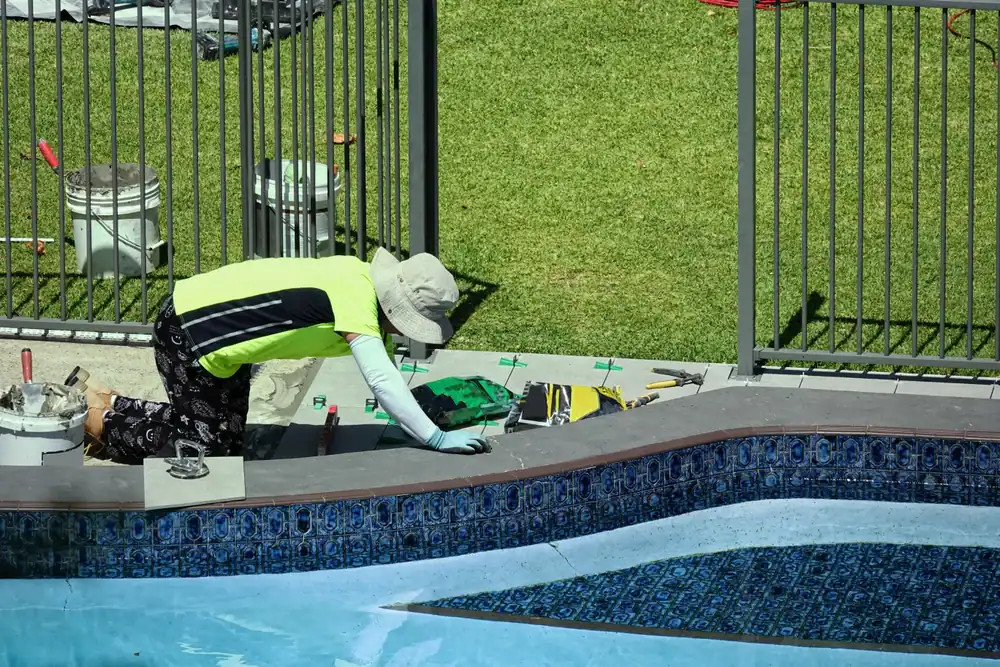
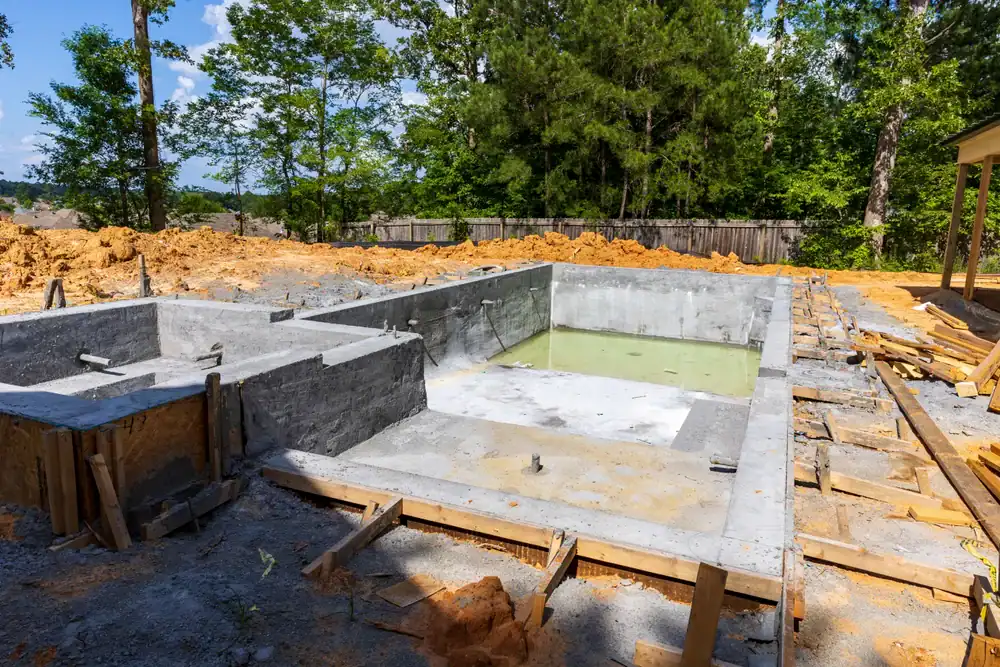
After permits are approved, we move into excavation and construction. Most custom pool projects take 8 to 12 weeks from this point, depending on weather and site conditions. We’ll keep you updated as we move through each phase—excavation, plumbing, steel installation, concrete application, and finishing.
When the pool is complete, we walk you through the equipment, water chemistry, and maintenance basics. You’ll know how to operate everything before we leave, and you’ll have our contact info if questions come up later.
Ready to get started?
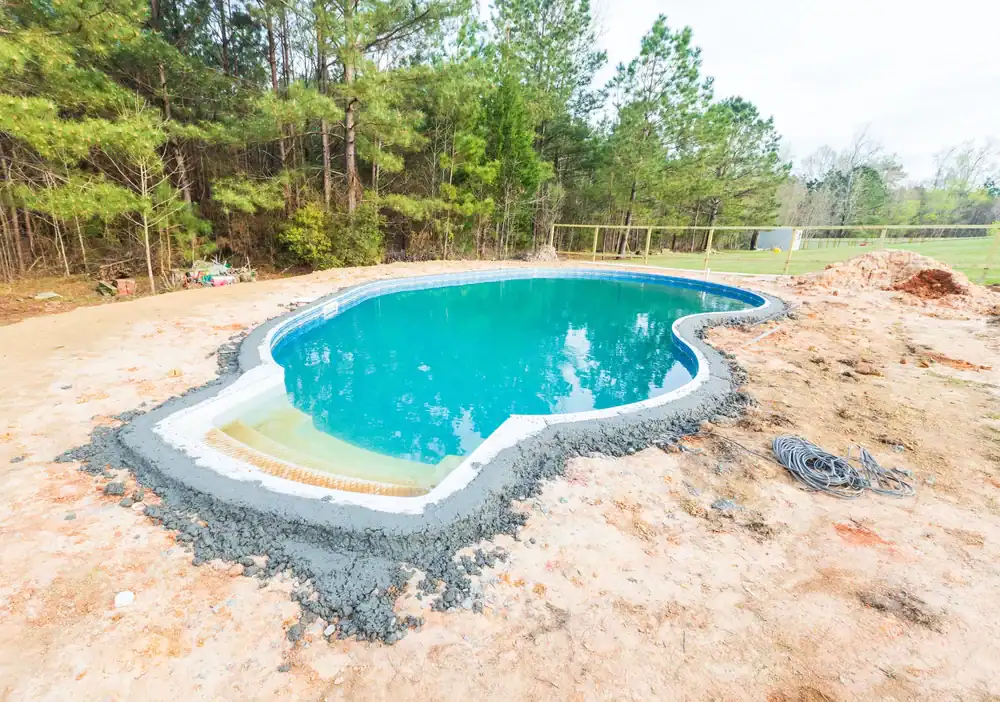
Every project starts with a custom design. We’re not pulling from a catalog of pre-set shapes. Your pool is drawn specifically for your property and your preferences. If you want a tanning ledge, built-in seating, or integrated lighting, we design it into the structure from the beginning.
We use concrete construction—either shotcrete or gunite depending on the project—because it’s the most durable option for South Georgia. Concrete handles soil movement better than fiberglass and gives you complete freedom on shape and depth. It’s also the material that holds up best against our climate, from heavy spring rains to summer heat.
You’ll also get full permit management, site prep, excavation, plumbing, steel reinforcement, concrete application, and finishing work. We coordinate inspections, handle backfill and grading, and make sure your yard is cleaned up when the job is done. If you’re adding a patio, spa, or other features, we can integrate those into the project as well.
Because we’re a licensed pool contractor in Georgia, you’re covered from a liability and workmanship standpoint. That’s not just a formality—it means we’re accountable to state standards and you’re protected if anything goes wrong.
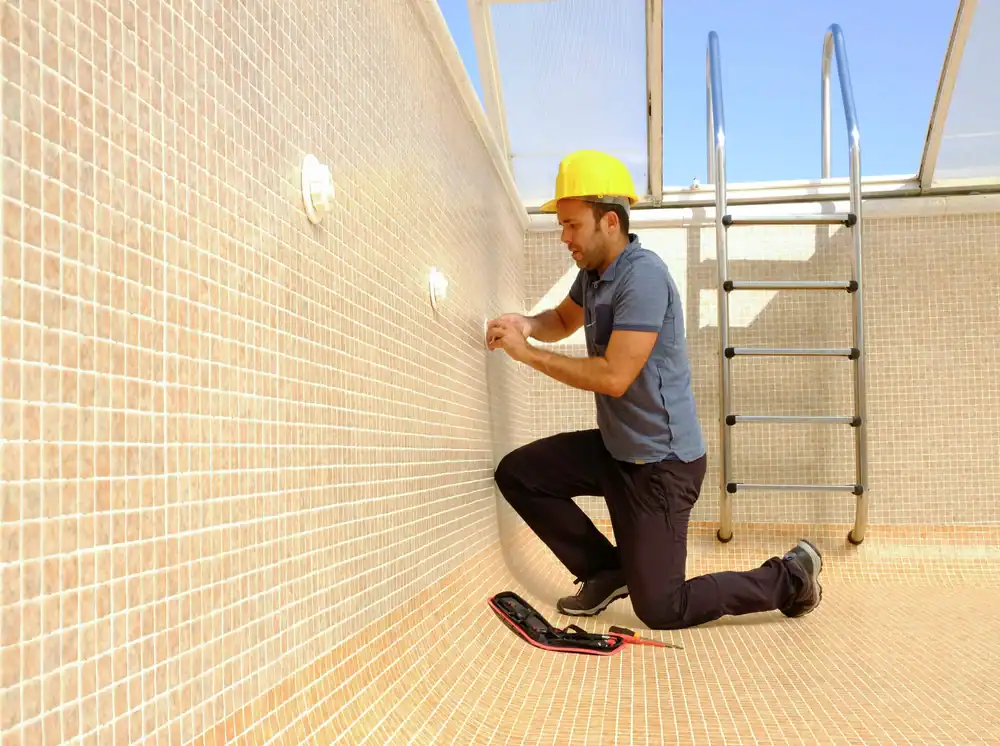
Most custom inground pools take 8 to 12 weeks from the time permits are approved to the day you can use the pool. That timeline assumes normal weather and no major site complications like rock or unexpected drainage issues.
The permit process happens before construction starts and usually adds another 2 to 4 weeks depending on the county and whether your plans need revisions. We handle that entire process, so it doesn’t require much from you beyond signing off on the design.
Weather plays a bigger role than most people expect. Heavy rain can delay excavation and concrete work. Extreme heat affects how quickly concrete cures. Cold snaps can halt certain phases entirely. We build buffer time into the schedule and keep you updated if delays happen, but it’s something to plan for if you’re trying to have the pool ready by a specific date.
Concrete gives you complete design flexibility. Fiberglass pools come in pre-manufactured shells, so you’re limited to whatever shapes and sizes the manufacturer offers. With concrete, we can build any shape, depth, or feature configuration you want. If your yard has an unusual layout or you want something specific like a beach entry or swim-up bar, concrete is the only way to do it.
Concrete also handles South Georgia’s soil conditions better. Pridgen sits on red clay, which doesn’t drain as well as sandy soil and can shift with heavy rain. Concrete pools are reinforced with steel and engineered to handle that movement. Fiberglass shells can crack or shift if the ground settles unevenly.
Durability is another factor. A properly built concrete pool lasts decades with basic maintenance. The surface can be resurfaced if it wears down over time, but the structure itself is permanent. Fiberglass can fade, stain, or develop surface issues that are harder to repair. If you’re planning to stay in your home long-term, concrete is the better investment.
Every residential pool in Georgia requires a building permit. The process starts with submitting site plans, pool design drawings, and equipment specs to your local building department. They’ll review the plans to make sure everything meets state codes, zoning requirements, and safety standards.
Georgia also requires specific safety barriers around pools—usually a fence with self-closing gates or a pool cover that meets code. Those details have to be included in the permit application. If your property is in a subdivision with an HOA, you may need approval from them as well before the county will issue the permit.
We handle the entire permit process for you. That includes preparing the drawings, submitting the application, coordinating with inspectors, and addressing any revisions they request. Once the permit is approved, we schedule inspections at key phases of construction—usually after plumbing, after steel installation, and before the final backfill. You don’t need to be present for those inspections, but we’ll let you know when they’re happening and what the inspector said.
Cost depends on size, features, site conditions, and how much additional work is needed beyond the pool itself. A basic custom concrete pool typically starts in the mid-five-figure range, but that number moves up quickly if you’re adding things like spas, waterfalls, custom lighting, or extensive patio work.
Site conditions also affect cost. If your yard has poor drainage, rock, or steep grades, that adds to the excavation and prep work. If access to your backyard is tight, we may need smaller equipment or more labor to get the job done. Those aren’t things we can estimate accurately without seeing the property.
We provide a detailed estimate that breaks down all costs before you commit to anything. That includes materials, labor, permits, and any site-specific work we anticipate. We don’t lowball the number to win the job and then hit you with change orders later. If something unexpected comes up during construction, we’ll talk through it with you before moving forward. The goal is to give you a realistic number upfront so you can make an informed decision.
Changing the design after construction starts. Once we’ve excavated and started plumbing, modifications get expensive fast. Moving a step location, adjusting the depth, or adding a feature that wasn’t in the original plan can trigger delays and extra costs because we have to redo work that’s already been completed.
That’s why we spend time upfront making sure the design is exactly what you want. We’ll walk you through the layout, talk through how you’ll use the pool, and make sure all the features you’re considering are included in the plan before we break ground. It’s easier to make changes on paper than it is to make them in the middle of construction.
The other common mistake is underestimating how weather affects the timeline. People assume construction will move at a steady pace, but rain, heat, and cold all slow things down. If you’re planning a pool for a specific event or season, build in extra time. We’ll do everything we can to stay on schedule, but Mother Nature doesn’t always cooperate, and rushing concrete work to meet a deadline usually leads to problems later.
We don’t offer ongoing maintenance services, but we’ll train you on everything you need to know before we leave. That includes how to operate your pump and filter, how to test and balance water chemistry, and what to watch for as the pool settles in during the first few weeks.
Most pool maintenance is straightforward once you understand the basics. You’ll need to test the water a couple times a week, add chemicals as needed, and clean the skimmer and filter regularly. In South Georgia, pollen and rain can throw your water balance off quickly, so staying on top of it makes a big difference.
If you’d rather hire someone to handle maintenance, there are plenty of local pool service companies that can take care of it for you. We can point you toward a few options if you want recommendations. Our focus is on building a pool that’s easy to maintain and giving you the knowledge to manage it yourself if that’s what you prefer.