
Hear from Our Customers
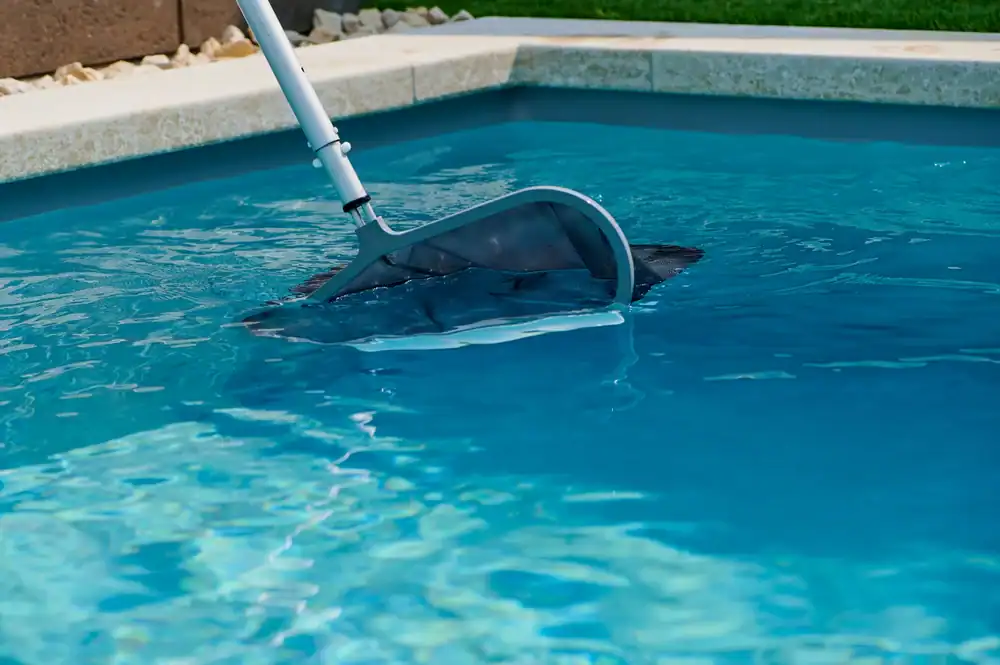
A pool that’s consistently maintained doesn’t just look better it costs less to own. Equipment lasts longer. Chemical problems get caught before they turn into a full drain-and-refill situation. And you’re not scrambling every time something stops working right before the weekend.
In Pridgen, that matters more than most places. South Georgia summers push your pool hard we’re talking 70 to 80 days a year above 90°F, with overnight lows that barely drop. The water doesn’t get a break, and neither does your equipment. Add in the afternoon thunderstorms that roll through June, July, and August, and your chemistry is getting knocked around constantly. That’s not a once-in-a-while problem. That’s your pool’s reality from April through October.
The soil out here adds another layer. Coffee County’s clay-heavy subsoil shifts with the seasons wet and expanded in the rainy months, contracted when it dries out. That movement puts pressure on pool walls and plumbing connections over time. Properties near the Ocmulgee River corridor deal with higher water table conditions on top of that. A pool that’s being watched by someone who understands those local conditions is a pool that holds up. One that isn’t tends to develop problems that are expensive to fix and hard to trace back to the source.
We’re based in Douglas the Coffee County seat, roughly 15 to 20 minutes from Pridgen on US 441. That’s not a detail we throw in to sound local. It means we work with Coffee County Code Enforcement on every permitted project, we know what this county’s ground does to a pool over 10 and 20 years, and when something goes wrong for a Pridgen homeowner, we can actually get there.
Our company launched in 2014, but our founder came in with more than 30 years of hands-on work in concrete, plumbing, and pool construction before that. That kind of background changes how you diagnose a problem. It’s the difference between treating what’s visible and understanding what caused it.
We’re family-owned, founder-operated, and we build exclusively in cement because in Coffee County’s shifting clay soil, it’s the material that holds. We also handle the full permit process through Coffee County Code Enforcement, from boundary surveys to final sign-off, so you don’t have to figure that out on your own.
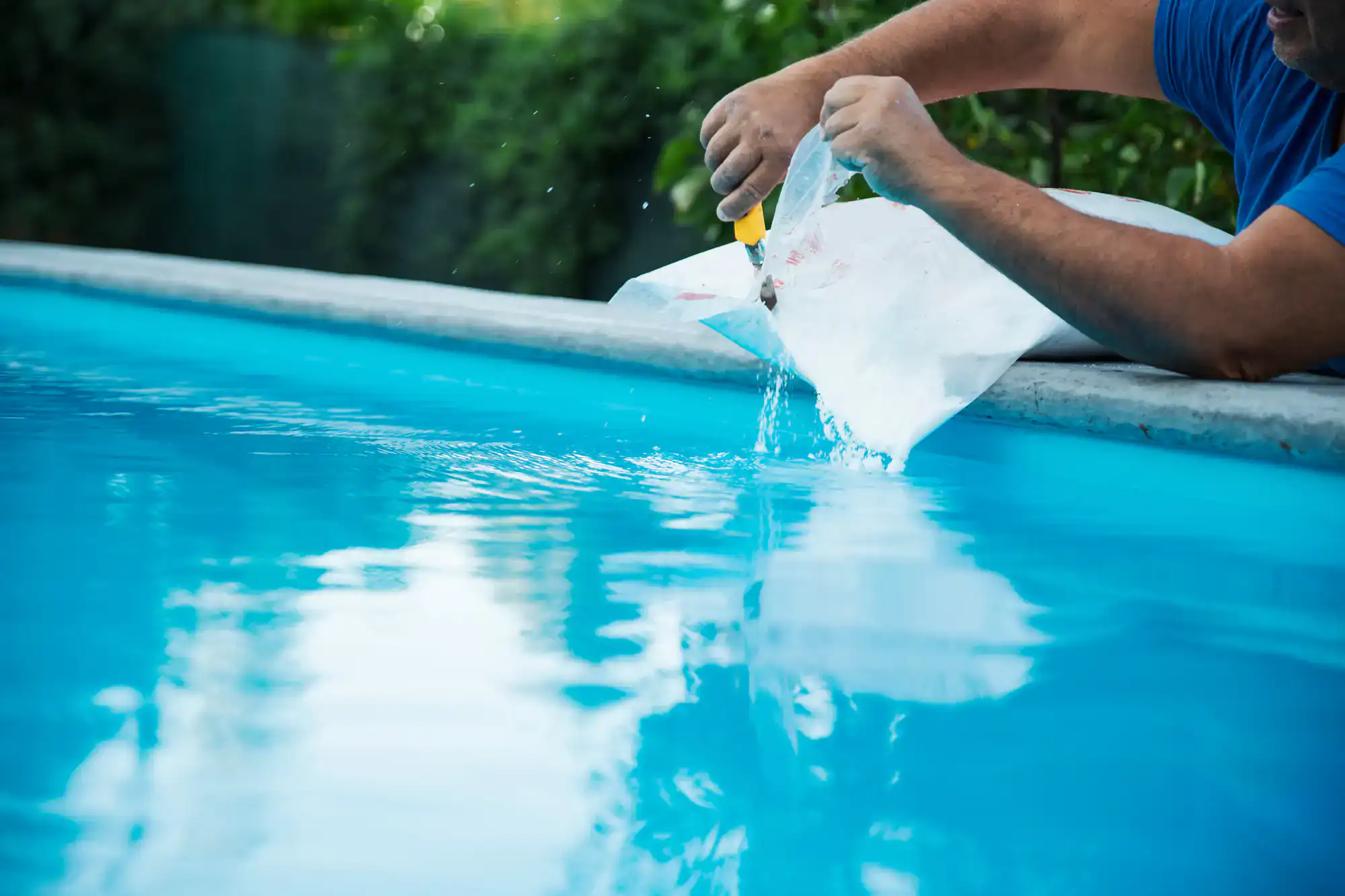
It starts with understanding what you’re dealing with. Whether you’re calling about weekly maintenance, a piece of equipment that stopped working, a liner that’s seen better days, or a pool that’s losing water faster than it should we ask the right questions upfront so we’re not guessing when we show up.
From there, we assess the situation in person. For equipment repair, that means testing the full system not just the part that’s visibly broken. For leak detection, we use professional methods to locate the source accurately, because in the Ocmulgee River corridor area near Pridgen, a leak that goes undetected doesn’t just waste water. It can erode the surrounding ground and create structural issues that are a lot more expensive than the detection would have been. For liner replacement, we measure carefully and select material that fits the pool correctly because a liner that’s off by even a little wrinkles, pulls, and fails early.
If your project requires a permit through Coffee County Code Enforcement, we handle that completely. That includes the site plan, setback documentation, and coordination with the county office at 912-393-7170. You don’t have to navigate that process we’ve done it enough times that it’s just part of how we work. Once the job is done, we walk you through what was completed and what to watch for going forward.
Ready to get started?
Pool equipment repair covers the full system pumps, filters, heaters, plumbing connections, and electrical components. When one part of the system is struggling, it usually affects the rest, and we look at the whole picture rather than just swapping out the piece that failed.
Weekly pool maintenance in Pridgen means something specific given the climate. We’re testing and adjusting chemistry after every significant rain event, managing the algae pressure that comes with a seven-month swim season, and keeping equipment performance on our radar so small issues don’t become expensive ones. Georgia’s spring pollen season alone heavy pine and oak deposits across Coffee County creates consistent chemical disruption that requires real attention, not a quick glance and a bill.
Leak detection uses professional equipment to find the source accurately, which matters especially on Pridgen properties near Mill Creek or the river corridor where soil sensitivity is higher. Pool liner replacement is measured and installed to builder standards inground liner replacement typically runs $1,200 to $7,800 depending on size and complexity, and doing it right the first time is what determines whether it lasts 5 years or 15. Heater installation is done to manufacturer specs, with correct gas line sizing and proper startup procedures a properly installed heater lasts 8 to 12 years; one that’s rushed or improperly sized often doesn’t make it past 5. Total heater installation generally runs $1,600 to $5,200 depending on the unit and setup.

Yes. Because Pridgen is in an unincorporated area of Coffee County, all swimming pool construction requires a permit through Coffee County Code Enforcement. That office handles new construction permits, swimming pool permits, and related approvals you can reach them at 912-393-7170. The permit process involves submitting a site plan that shows property boundaries, setback distances, and the pool’s location on the lot.
It also typically requires separate mechanical or gas permits if you’re installing a heater. Georgia state law requires a valid residential contractor license for any pool work exceeding $2,500, so if you’re vetting contractors, that’s worth confirming upfront. We handle the entire permit process for every Pridgen project boundary surveys, site plans, county office coordination, and final inspection. You don’t have to figure out what Coffee County requires or when to submit what. That’s already part of how we work.
Weekly service is the right call for most pools in this climate, and South Georgia’s conditions are a big reason why. When you’re seeing 90°F or higher on 70 to 80 days per year with overnight lows staying in the upper 60s algae pressure is constant, not seasonal. Every significant afternoon thunderstorm that rolls through Coffee County in July or August dilutes your chemical concentrations and introduces organic debris. If you’re only checking the water every two or three weeks, you’re almost always playing catch-up.
Beyond chemistry, weekly maintenance gives you consistent eyes on equipment performance. Pumps, filters, and heaters that are running hard through a seven-month season develop wear patterns that are easy to catch early and expensive to ignore. A pool that’s checked regularly costs less to maintain over time than one that only gets attention when something is visibly wrong.
Professional leak detection uses pressure testing and specialized equipment to isolate where water is escaping whether that’s through the shell, a plumbing line, or a fitting. It’s not guesswork. The goal is to find the exact source so the repair addresses the actual problem, not just the most obvious symptom.
Cost-wise, professional leak detection typically runs around $300, though complex inground pools can reach $1,000 depending on the situation. That number is worth keeping in perspective: an undetected leak can run your water bill up significantly, erode surrounding soil, and create structural damage that costs far more to fix than early detection would have. For properties near the Ocmulgee River corridor in Pridgen, where soil water sensitivity is higher, a slow leak can do real damage before it becomes visible. Catching it early is almost always the less expensive path.
Small punctures and isolated tears can often be patched, but there are signs that point toward full replacement. Widespread wrinkling means the liner has lost its elasticity and won’t hold its shape properly anymore. Fading and brittleness, especially after years of South Georgia sun exposure, indicate the material has broken down and is more likely to tear than hold a patch. If you’re finding multiple leak points in different areas, you’re patching a liner that’s past its useful life.
Inground liner replacement typically runs $1,200 to $7,800 depending on the pool’s size and configuration. The range is wide because the measurement and installation process varies significantly a liner that’s measured off even slightly will wrinkle, pull away from the walls, and fail early. The installation quality determines how long the liner actually lasts. A liner done right should give you 10 to 15 years. One that’s rushed or imprecisely measured often doesn’t make it to 5.
The right heater depends on your pool size, how you use it, and whether you’re trying to extend the season into cooler months or just take the edge off on cooler spring evenings. Gas heaters heat water fastest and work well regardless of air temperature, which matters when you’re trying to use the pool in October or on a cooler April morning. Heat pumps are more energy-efficient for sustained use but require warmer ambient air to operate effectively which is actually a reasonable fit for South Georgia’s climate given how long the warm season runs.
Installation typically totals $1,600 to $5,200, covering the unit and labor. That range reflects real variation in equipment size, gas line requirements, and site-specific setup. A heater that’s properly installed correct gas line sizing, right electrical connections, proper startup procedure should last 8 to 12 years. One that’s undersized for the pool, improperly vented, or rushed through startup often fails well before that. Getting the installation right from day one is where the long-term value comes from.
Yes and the distance is worth spelling out. We’re based at 1380 Baker Hwy in Douglas, which is the Coffee County seat. Pridgen sits in northern Coffee County along the US 441 and State Route 31 corridor, putting it roughly 15 to 20 minutes from our location. That’s not a regional company stretching its territory to pick up an extra stop. That’s the same county, the same roads, the same Code Enforcement office we work with on every permitted project.
For a Pridgen homeowner, that proximity means faster response when something goes wrong, genuine familiarity with local conditions, and a company that’s accountable to the same community it serves. We’re not driving in from Tifton or Valdosta and learning your area as we go. Coffee County is where we’re based, where we’ve built pools, and where we’ve been doing this work for over a decade. That’s a different kind of reliability than a company that lists your town in a service area dropdown.