Hear from Our Customers
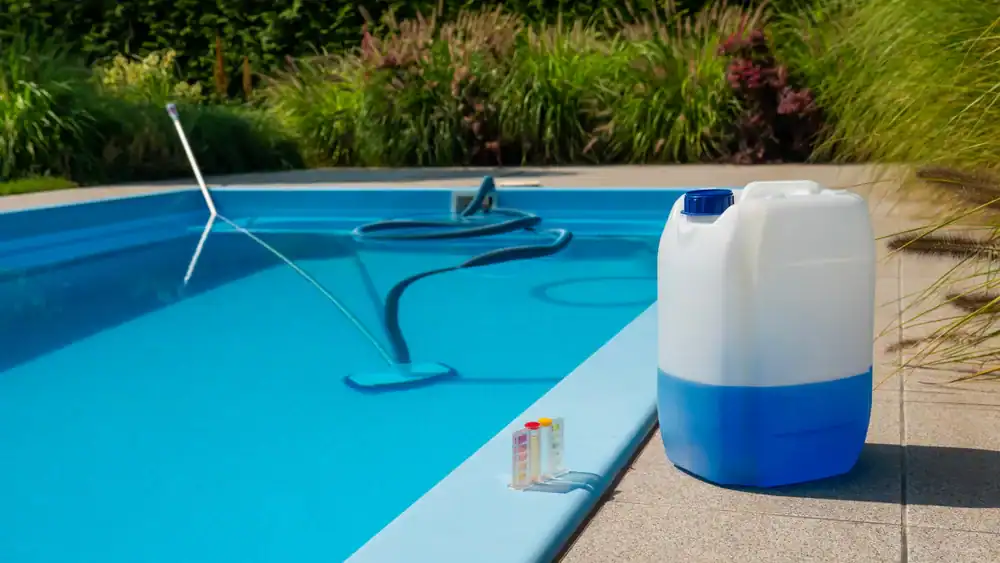
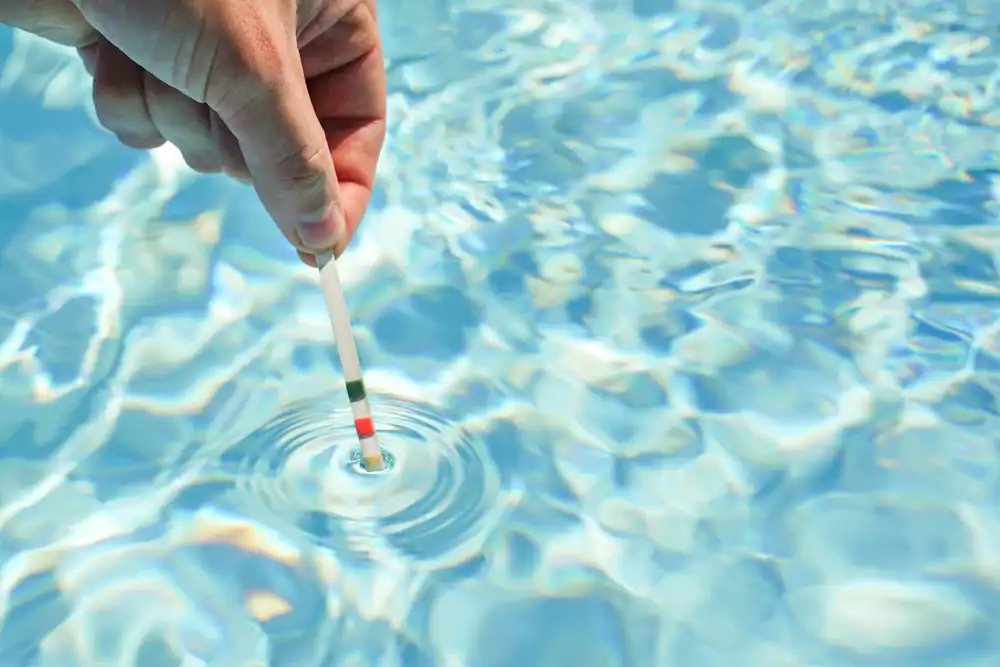
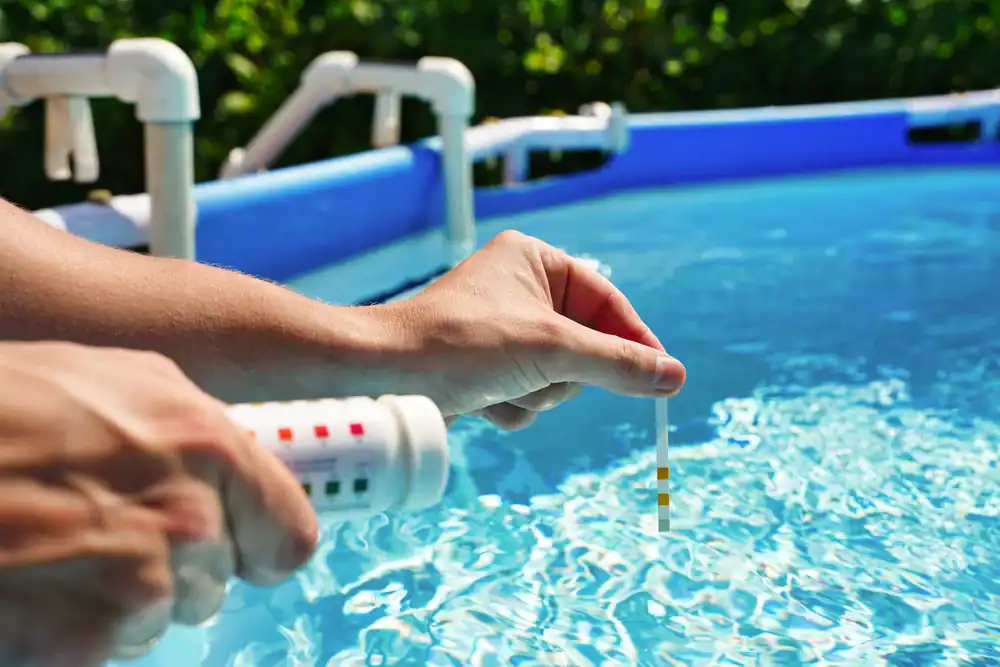
Most pool problems don’t start with the wrong chemical they start with not knowing what’s actually going on in the water. A cloudy pool, a green tint, skin irritation after a swim these aren’t random. They’re symptoms of chemistry that’s out of range in ways a basic test strip will never show you. When you get a precise, professional reading, you stop guessing and start fixing.
Nashville’s climate makes this especially important. July and August temperatures regularly hit the low-to-mid 90s here, and that kind of sustained heat accelerates algae growth and burns through chlorine faster than most people expect. A pool that tested fine Monday morning can be showing signs of trouble by Wednesday. That’s not a product failure that’s South Georgia summer doing what it does.
If you’re filling or topping off your pool with well water which is common across unincorporated Berrien County you’ve got another layer to deal with. Well water in this area often carries elevated iron and calcium that directly affect your pool’s chemistry and surface. Iron causes staining. High calcium leads to scaling. Neither shows up reliably on a test strip. Professional digital testing covers these parameters, which means you actually know what you’re working with instead of treating symptoms that keep coming back.
We’re based in Douglas, GA the Coffee County seat, right next door to Berrien County and Nashville. That’s not a coincidence. Coffee County and Berrien County have been connected since Berrien was carved from Coffee back in 1856, and the same relationship holds today. When Nashville residents call Deep Waters Pools, they’re calling a neighbor who knows this area the heat, the well water, the pollen seasons, the long pool calendar that runs from April clear through October.
Our experience goes back over 30 years. That means decades of managing gunite and shotcrete pool chemistry across South Georgia the same pool surface types most common in custom-built pools throughout Nashville and the surrounding region. This isn’t a franchise operation or a retail store running free tests to sell chemicals. We’re a licensed, insured pool company that treats water testing as a professional diagnostic service, not a traffic driver.
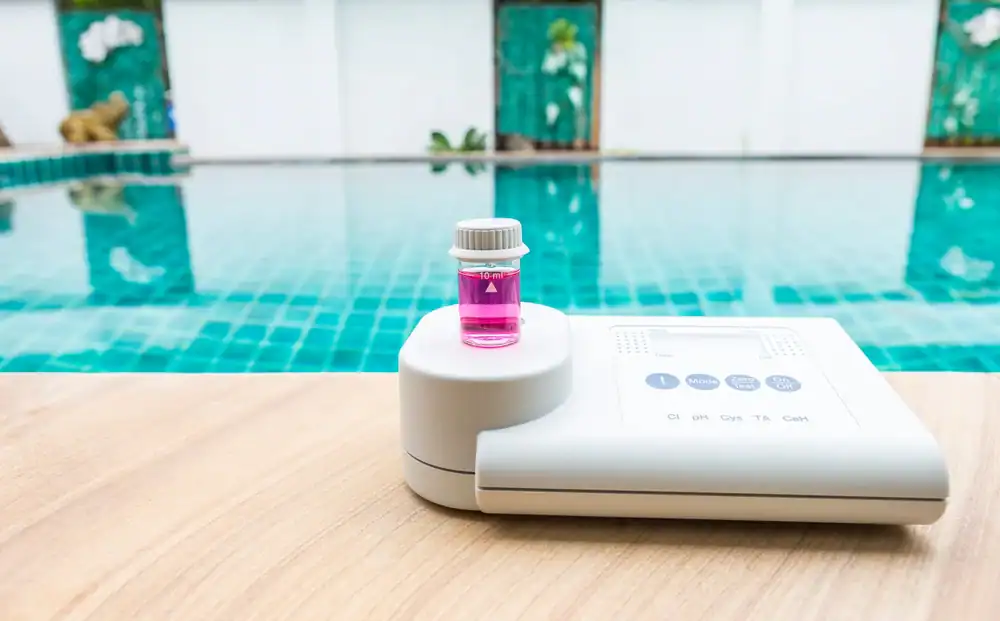
It starts with a complete digital water analysis not a color-matching test strip, not a visual check. Digital testing equipment produces precise readings across every parameter that matters: free chlorine, total chlorine, combined chlorine, pH, total alkalinity, calcium hardness, cyanuric acid, total dissolved solids, and metals. Every number, documented. Nothing estimated.
From there, you get a plain-language breakdown of what’s in range, what’s off, and why it matters. If your pH is sitting above 7.8 which happens constantly in Nashville’s summer heat and after the afternoon thunderstorms that roll through Berrien County from May through September your chlorine is losing roughly half its sanitizing power even if the reading looks normal. That’s the kind of detail that changes how you treat your pool, and it’s exactly what a professional test surfaces.
Once the full picture is clear, you get a specific correction plan. Not “add more shock and see what happens.” An actual plan, based on actual numbers, that addresses the root cause. If metals from well water are behind your staining, that gets addressed directly. If cyanuric acid has built up over a long South Georgia swim season and is neutralizing your chlorine, that gets flagged too. You leave knowing what’s wrong, why it’s wrong, and what it takes to fix it for real.
Ready to get started?
A professional water test from Deep Waters Pools isn’t a single number on a strip. It’s a complete chemistry profile and in a place like Nashville, where the pool season runs long and the environmental variables stack up, that completeness is what makes the difference.
The full analysis covers free chlorine and total chlorine, which together reveal whether you have combined chlorine the chloramines responsible for that harsh chemical smell and eye irritation that people mistakenly blame on too much chlorine. It covers pH level balancing, total alkalinity, and calcium hardness testing, which together determine whether your water is corrosive, scaling, or balanced. Corrosive water eats pool plaster and corrodes equipment quietly over a single season. Scaling water clouds up, clogs filters, and leaves white deposits on surfaces. Both are preventable when you know your numbers.
Cyanuric acid is tested too critical for Nashville’s outdoor pools, where intense UV exposure can destroy unprotected chlorine in a matter of hours on a clear summer day. Total dissolved solids and metals round out the panel, which is especially relevant for Berrien County pool owners using private well water. Iron and calcium from groundwater sources don’t announce themselves they show up as stains, scale, and chemistry problems that don’t respond to standard treatments. Testing for them isn’t optional. It’s just what thorough looks like.
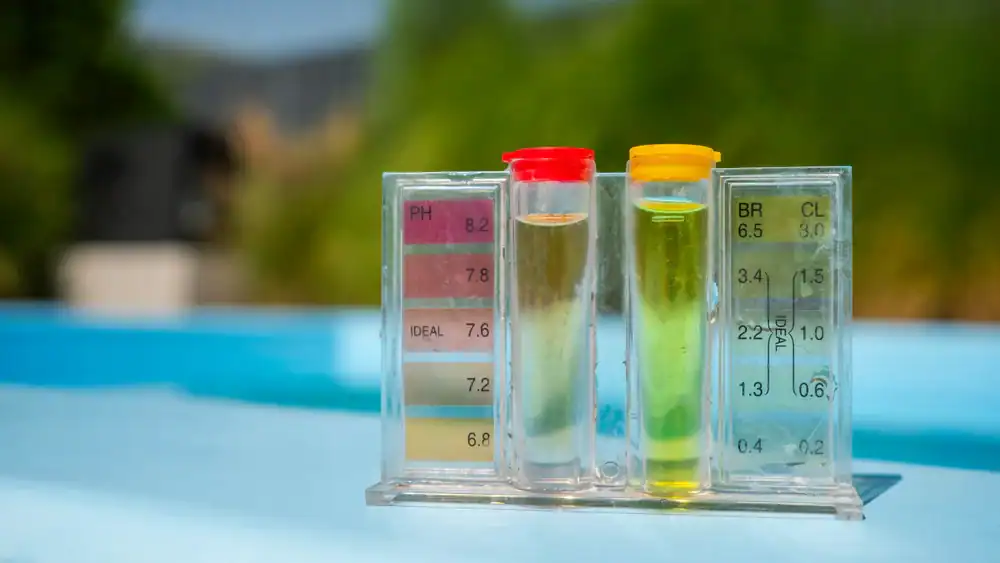
In most parts of the country, testing every week or two is considered standard. In Nashville, the honest answer is that South Georgia’s summer conditions compress that timeline significantly. When temperatures are pushing into the 90s and afternoon thunderstorms are rolling through Berrien County multiple times a week, your pool chemistry can shift meaningfully within 24 to 48 hours. Rain dilutes chemicals and drops pH. Heat accelerates chlorine burn-off and algae growth. What looked balanced on Friday can be a problem by Sunday.
For most Nashville pool owners, a professional test at the start of the season, after any significant rain event, and at least once mid-season gives you a reliable baseline and catches problems before they become expensive. If you’re managing an older gunite pool or filling with well water from a private source, more frequent professional testing is worth it those variables add unpredictability that basic at-home strips aren’t equipped to catch.
This is one of the most common frustrations pool owners run into, and the cause is almost always one of two things or both. The first is pH drift. When your pool’s pH climbs above 7.8, chlorine loses a significant portion of its ability to sanitize. The reading might show 2 or 3 ppm of chlorine, which looks fine, but at that pH level it’s barely doing anything. The second culprit is cyanuric acid saturation. Cyanuric acid is added to outdoor pools to protect chlorine from UV degradation, which is essential in South Georgia’s sun. But when CYA levels get too high which happens gradually over a long swim season it locks up your chlorine and makes it functionally ineffective.
Neither of these problems shows up clearly on a basic test strip. A professional digital test gives you the precise readings needed to identify which issue you’re actually dealing with, so the fix addresses the real problem instead of just adding more product to water that can’t use it.
The free water test you can get at a local pool supply counter is designed as a retail service you bring in a water sample, they run it through their system, and you walk out with a recommendation to buy something. That’s not a knock on anyone; it’s just what that service is built to do. The test itself is often limited in scope, and the result is framed around what products are available in that store.
A professional digital water analysis is a diagnostic tool, not a sales funnel. It produces precise, multi-decimal-point readings across every parameter including metals, total dissolved solids, and combined chlorine that a retail test either skips or measures too roughly to act on. You get the full picture of what’s in your water, a clear explanation of what each number means, and a correction plan built around your specific pool. If you’ve already gone the free test route and still have a pool that won’t cooperate, the gap between those two types of testing is probably exactly what you’re experiencing.
Counterintuitively, a strong chlorine smell usually means you don’t have enough active chlorine not too much. That sharp, eye-burning odor is caused by chloramines, also called combined chlorine. Chloramines form when chlorine reacts with organic contaminants in the water: body oils, sweat, sunscreen, and the organic debris that blows into pools constantly during Berrien County’s pollen seasons and summer months. Once chlorine binds to those contaminants, it stops sanitizing and starts producing that harsh smell.
The fix isn’t to add less chlorine it’s to shock the pool to break apart the chloramines and restore a healthy level of free chlorine. But to do that correctly, you need to know your actual free chlorine versus total chlorine readings, which is exactly what a professional test provides. A precise combined chlorine reading tells you how significant the problem is and how much shock is actually needed to resolve it, rather than guessing and potentially overdoing it.
Yes, and it’s a bigger deal than most people realize. A significant portion of residential properties in unincorporated Berrien County and the Nashville area rely on private well water, and that water behaves very differently in a pool than treated municipal water. Well water in South Georgia frequently carries elevated levels of iron, calcium, and other dissolved minerals that don’t exist at the same concentrations in city-treated water.
Iron is the most visible problem it causes the brownish or rust-colored staining that shows up on pool walls, floors, and around fittings. High calcium pushes your calcium hardness above safe levels, which leads to white scaling on surfaces and inside equipment. Both of these issues are invisible in the water itself until they’ve already caused damage, and neither shows up reliably on a standard test strip. Professional testing that includes metals and total dissolved solids is the only way to catch these problems early before you’re dealing with stained plaster or a clogged filter that should have been preventable.
Calcium hardness is one of the most overlooked parameters in pool chemistry, and it’s one of the most damaging when it’s out of range in either direction. The target range for most pools is 200 to 400 ppm. Below that, the water becomes aggressive it starts pulling calcium from wherever it can find it, which in a gunite or shotcrete pool means it starts pulling from the plaster itself. That process, called etching, deteriorates your pool’s surface over time and is expensive to repair. Above 400 ppm, you get the opposite problem: calcium precipitates out of the water and forms white scale deposits on surfaces, tile lines, and inside your equipment.
For Nashville-area pool owners, this matters on both ends. If you’re filling with well water that’s already high in calcium, you may be starting the season above safe levels before you’ve even added a single chemical. If you’re on city water and topping off frequently through a long South Georgia swim season, TDS and hardness levels can creep up gradually without any obvious warning sign. A professional calcium hardness test gives you an exact number so you can correct it precisely not estimate it and hope for the best.
Other Services we provide in Nashville