Pool maintenance in South Georgia isn't like anywhere else. Here's what Coffee County pool owners actually need to know to keep their water clean and their equipment running.
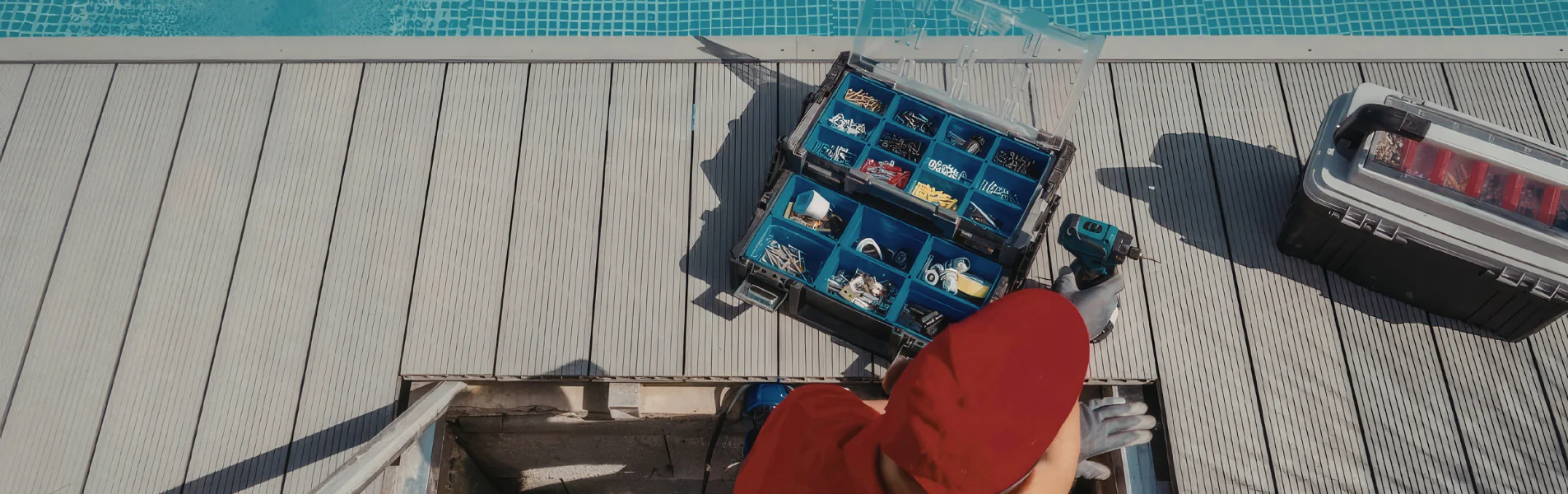
If you own a pool in Coffee County, you already know that summer here is not forgiving. The heat settles in hard by June and doesn’t let up until October. Afternoon storms roll through and dump two inches of rain on a pool you just balanced that morning. And pollen season? Anyone who’s walked outside in March knows what that yellow-green film looks like on every surface in sight — including the water.
Pool maintenance in South Georgia is genuinely harder than in most parts of the country. This guide explains why, what it actually takes to stay ahead of it, and what to look for if you’re thinking about getting some help.
Most pool care advice you’ll find online was written for somewhere else. The schedules, the chemical dosages, the “just shock it once a month” guidance — it assumes a climate that doesn’t exist in Coffee County. What works in Ohio or Arizona simply doesn’t translate here.
South Georgia’s humid subtropical climate means your pool is fighting on multiple fronts at once. High temperatures accelerate chlorine burn-off faster than the label on the bottle accounts for. Humidity creates the warm, moist conditions that algae thrive in. And the sheer length of the swim season — roughly eight to nine months in this part of Georgia — means your equipment runs harder and longer than it would almost anywhere north of Tennessee.
The result is a pool that needs more consistent attention, not less. Understanding why is the first step toward actually staying on top of it.
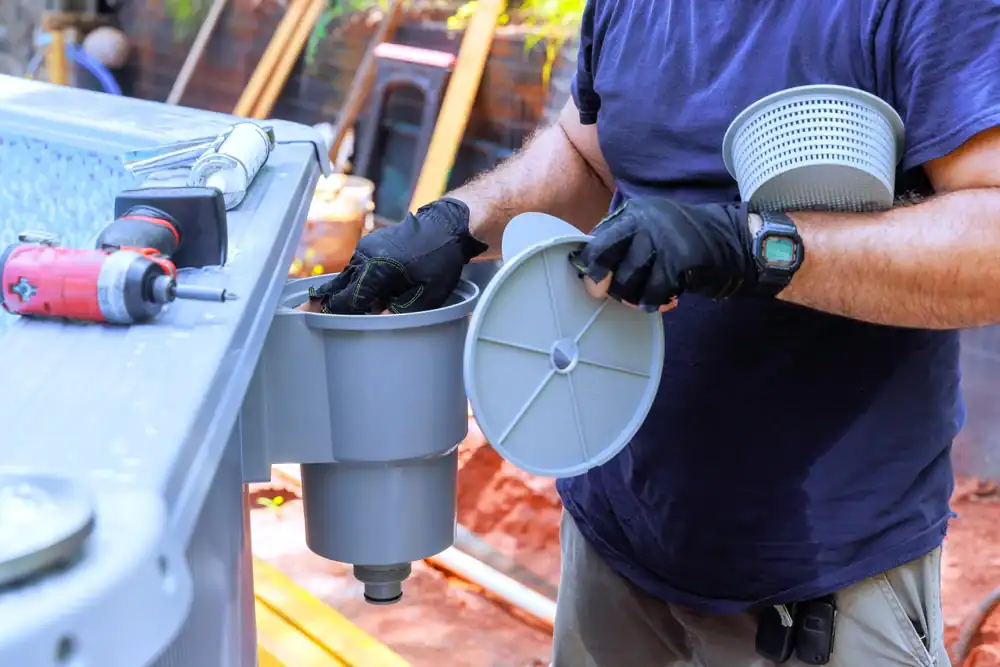
Most pool owners expect to deal with heat and chlorine. Fewer are prepared for what pollen and rain actually do to pool water in Coffee County.
Starting in late February and running through May, Coffee County gets hit with one of the most intense pollen seasons in Georgia. Pine, oak, and grass pollen blanket every outdoor surface — and your pool is no exception. That yellow-green film isn’t just cosmetic. Pollen introduces phosphates into the water, and phosphates are essentially fertilizer for algae. Even a well-balanced pool can start trending green during heavy pollen weeks if the filter isn’t cleaned frequently and the chemistry isn’t adjusted to compensate.
Then summer arrives and the pattern shifts. Afternoons in Coffee County from June through August follow a familiar rhythm: clear mornings, building clouds, and a thunderstorm by mid-afternoon. A single heavy rain can dilute carefully balanced pool water overnight. It drops the pH, washes in nitrates and organic debris from the yard, and resets chemistry you spent time and money dialing in. If you’re testing once a week on a fixed schedule, you may not catch the shift until the damage is visible.
The other piece of this is UV exposure. South Georgia’s summer sun is intense, and UV degrades chlorine faster than most people realize. Combined with high bather load during peak swim season, it’s not unusual for a pool to burn through its chlorine in two to three days rather than the five to seven days you might expect in a cooler climate. That’s why pools here need more frequent monitoring — not because something is wrong, but because the climate demands it.
When these factors stack up — pollen in spring, daily storms in summer, heavy UV all season — pool chemistry becomes a moving target. Staying ahead of it requires testing more than chlorine alone. pH, alkalinity, calcium hardness, cyanuric acid (stabilizer), and total dissolved solids all interact, and letting any one of them drift creates problems that chlorine alone can’t fix.
Skipping a week of pool maintenance in January is usually fine. Skipping two weeks in July is a different situation entirely.
When temperatures climb above 80°F and free chlorine drops below 1.0 parts per million, algae spores can double every 24 hours. That’s not an exaggeration — it’s basic biology accelerated by South Georgia’s heat. A pool that looks slightly hazy on a Tuesday can be visibly green by Thursday, and fully green by the weekend. At that point, you’re no longer doing routine maintenance. You’re doing a recovery.
A green pool recovery isn’t just an afternoon project. It typically involves multiple rounds of heavy chemical treatment, extended pump run times, brushing and vacuuming, and several days of waiting for the water to clear. Depending on how far gone the pool is, professional recovery can cost anywhere from $300 to $800 or more in chemicals and labor — and that’s before addressing any equipment issues that may have developed while the pool was neglected.
The other risk that doesn’t get talked about enough is equipment wear. Pumps and filters work harder when water quality is poor. Running a pump through algae-laden water with a clogged filter puts stress on components that are already working overtime in South Georgia’s summer heat. Preventable equipment failures — the kind that show up as a broken pump or a filter that needs replacement — often trace back to periods of neglected water chemistry.
This is the part of pool ownership that catches people off guard. The pool looks fine until it suddenly doesn’t, and by then the fix is significantly more expensive than consistent maintenance would have been. In a climate like Coffee County’s, staying ahead of the curve isn’t optional — it’s just how pools work here.
Want live answers?
Connect with a Deep Waters Pools expert for fast, friendly support.
When people ask about professional pool maintenance, they usually want to know two things: what’s actually included, and whether it’s worth the cost compared to doing it themselves.
The honest answer to the first question is that it depends on the provider. A thorough weekly service covers water testing across all five chemistry parameters, chemical adjustment, skimming, brushing, vacuuming, and equipment inspection. A less thorough one involves showing up, adding chlorine, and leaving. The difference between the two is the difference between a pool that stays consistently clear and one that keeps giving you problems.
Most pool owners in Coffee County spend around $87 a month on chemicals alone when they’re managing their own pool. Add in test kits, equipment, and the time it takes to do it right, and the gap between DIY and professional service narrows considerably.
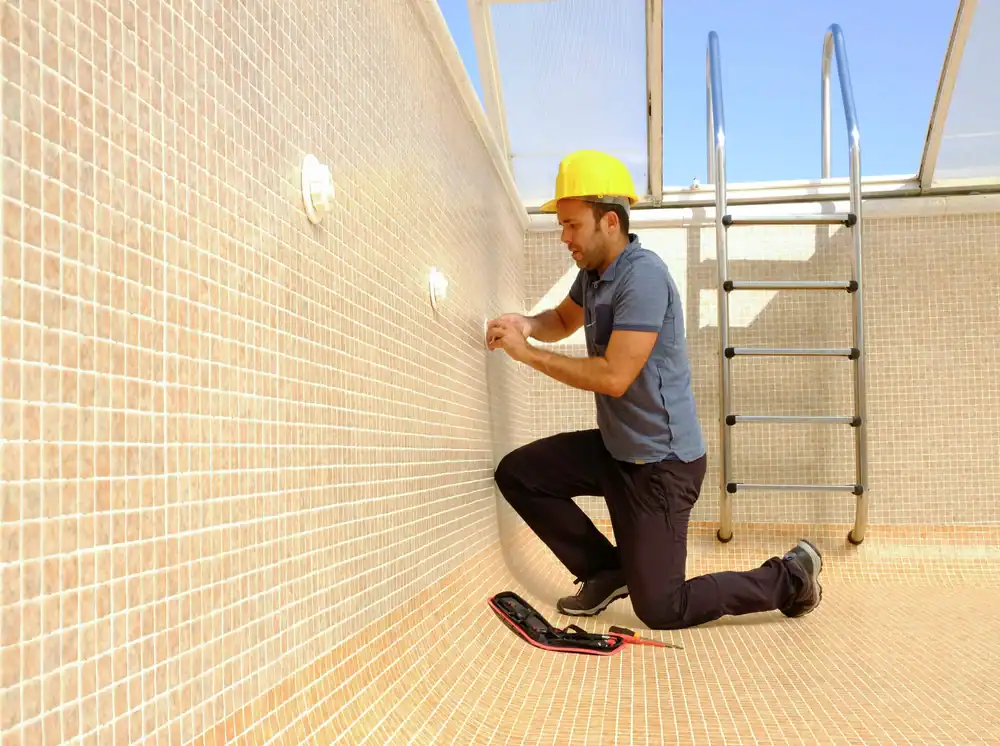
A proper weekly pool maintenance visit isn’t a quick stop. For a pool in Coffee County, it should account for everything the local climate throws at the water between visits.
Water testing comes first — and it should cover more than just chlorine. pH needs to sit between 7.2 and 7.6 for the water to be comfortable to swim in and for chlorine to actually work. Total alkalinity acts as a buffer that keeps pH stable. Calcium hardness affects how the water interacts with your pool’s surfaces and equipment. Cyanuric acid (stabilizer) protects chlorine from burning off too quickly under South Georgia’s sun, but too much of it creates “chlorine lock” — a condition where chlorine reads fine on a test but isn’t actually sanitizing the water. All five parameters need to be checked and adjusted together, not in isolation.
After chemistry, a thorough service includes skimming the surface, brushing the walls and floor, and vacuuming debris that’s settled. During pollen season in Coffee County, this step matters more than usual — pollen accumulates fast, and leaving it sitting in the water feeds algae. Filter inspection and cleaning rounds out the visit, because a clogged filter can’t circulate water properly no matter how well the chemistry is balanced.
Equipment inspection is the piece that gets overlooked most often in lower-quality service agreements. Checking pump function, inspecting valves and jets, looking at heater operation, and catching early signs of wear — this is what separates reactive maintenance from preventive maintenance. A technician who notices a pump running louder than usual or a filter pressure reading that’s off can flag a problem before it becomes a failure. In a climate where equipment runs as hard as it does in South Georgia, that kind of early detection is worth a great deal.
Ideally, after every visit, you should know what was found and what was done. Not a generic “pool was serviced” notification — actual information about your water chemistry, what was adjusted, and whether anything needs attention. If a service provider can’t tell you what they did, that’s worth paying attention to.
This is one of the most common questions we hear from pool owners in Coffee County — and the answer is more nuanced than a simple yes or no.
Unlike pools in Tennessee, the Carolinas, or anywhere north of the Georgia state line, pools in Coffee County do not need to be fully winterized. You’re not draining the water, blowing out the lines, or covering the pool for six months. The climate here simply doesn’t require it, and most Coffee County pools are swimmable well into November. Some families use theirs year-round.
That said, scaling back your maintenance schedule in the cooler months is reasonable — and it’s one of the advantages of owning a pool in South Georgia. Algae growth slows significantly when water temperatures drop below 60°F, chlorine lasts longer without intense UV exposure, and the overall chemical demand decreases. A pool that needed weekly attention in July might be manageable on a biweekly schedule in December.
What you don’t want to do is stop monitoring altogether. South Georgia does see occasional cold snaps, and while hard freezes are uncommon in Coffee County, they happen. Equipment that isn’t checked during a cold stretch — particularly heaters, pumps, and exposed plumbing — can sustain damage that shows up as a costly repair when you’re ready to ramp up for spring. A brief freeze event in January is exactly the kind of thing that catches people off guard after a mild fall.
Spring startup is the other reason to stay engaged through winter. A pool that’s been lightly maintained through the cooler months is significantly easier to bring back to peak condition in March than one that’s been left completely on its own. By the time pollen season hits Coffee County in full force, you want your chemistry dialed in and your filter clean — not scrambling to catch up while algae is already getting a foothold.
The extended swim season is genuinely one of the best things about owning a pool in South Georgia. Getting the most out of it means treating year-round care as a sliding scale, not an on-off switch.
Pool ownership in Coffee County is genuinely rewarding — eight or nine months of a backyard you actually want to be in is hard to put a price on. But the climate that makes that possible is also the climate that makes consistent maintenance non-negotiable. The heat, the pollen, the afternoon storms, the long season — they don’t let up, and a pool that’s left to manage itself in South Georgia usually makes that clear pretty quickly.
What you’re looking for in a service provider is straightforward: someone who knows this climate, tests the water properly, communicates what they find, and shows up consistently. Experience matters here more than it does in markets where pool care is easier.
If you’re dealing with a pool that keeps turning green, equipment that’s acting up, or a maintenance routine that’s eating your weekends, we’ve been working in Coffee County and the surrounding South Georgia area for over a decade — with more than 30 years of hands-on experience behind us. Reach out and we can talk through what your pool actually needs.
Summary:
Share: