
Hear from Our Customers
When your pool is getting real attention on a consistent schedule, you stop thinking about it. You just use it. No green tint on a Friday afternoon. No foam on the surface after a week of thunderstorms. No mystery smell that makes you wonder what’s actually in the water your kids are swimming in. That’s what routine pool maintenance is supposed to deliver and for most Relee homeowners, it’s what’s been missing.
Living out here in the wiregrass, your pool deals with things that suburban pools in bigger cities just don’t. Every spring, longleaf pines dump pollen by the pound and it doesn’t just float on the surface. It works into your filter, throws off your chemistry, and coats your skimmer basket in a layer of yellow-green paste that can clog completely in a single day. Add in the pine needles and organic debris that fall year-round, and you’ve got tannins slowly staining your pool shell while quietly pulling your pH in the wrong direction.
Then there’s the heat. Coffee County summers push 95 degrees with humidity that barely breaks overnight. At those temperatures, chlorine burns off faster than most people realize. Algae doesn’t need much of an opening 24 to 48 hours of imbalanced water in July is enough to start a bloom. Weekly professional service in Relee isn’t a luxury out here. It’s the only way to stay ahead of what this climate does to pool water between visits.
We’re based in Douglas, right on Baker Highway the same county seat that Relee residents already drive to for work, groceries, and everything else. This isn’t a regional chain reaching into Coffee County from Atlanta or Savannah. We’re a local business with deep roots in this specific area, built on over 30 years of hands-on work in concrete, plumbing, and pool construction before we formally established Deep Waters Pools in 2014.
That kind of background matters when you’re maintaining pools in Relee and the surrounding wiregrass. Understanding how the local water behaves, how the soil and surrounding tree cover affect chemistry, and what this climate demands from a filtration system that knowledge doesn’t come from a certification course. It comes from decades of hands-on work in this region, watching how the same environmental pressures play out year after year.
We started Deep Waters specifically because too many Coffee County families were getting burned by contractors who didn’t show up, didn’t explain their pricing, and didn’t do what they said they would. That’s still the standard every maintenance visit is held to show up, do the job right, and be straight about what we found.
Every service visit starts with a full read of where your pool is that day not where it was last week. Water gets tested for chlorine, pH, alkalinity, and stabilizer levels before anything gets added. In South Georgia’s climate, those numbers shift fast, especially after the afternoon thunderstorms that roll through Coffee County almost daily from June through September. Rainwater dilutes your chemistry and introduces phosphates from runoff, so what looked balanced on Monday can be meaningfully off by Wednesday. Testing first means treating accurately not just dumping the same amount of chemical every visit regardless of what the water actually needs.
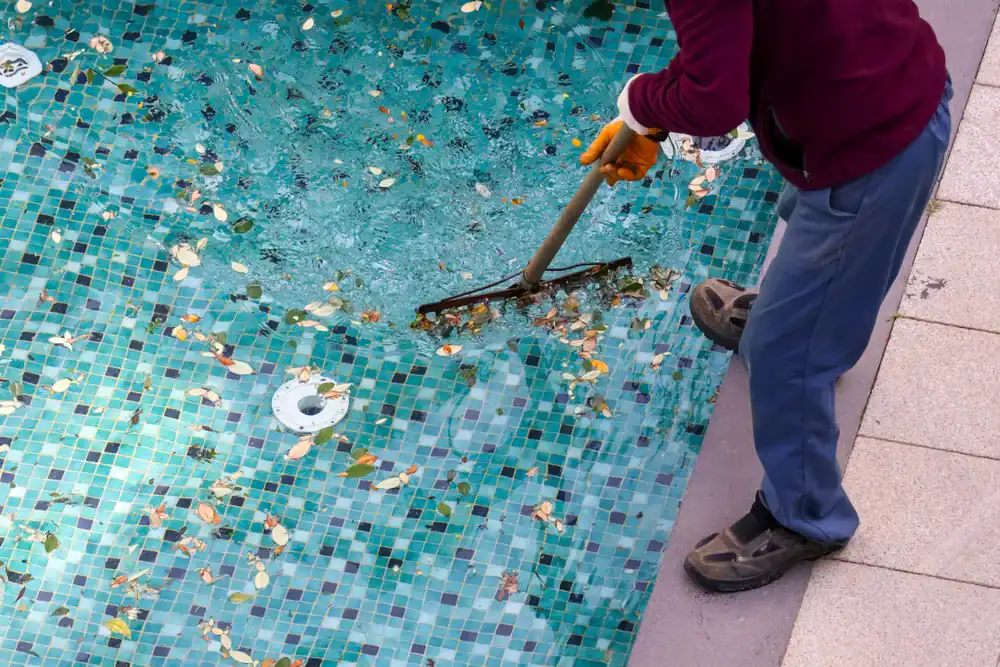
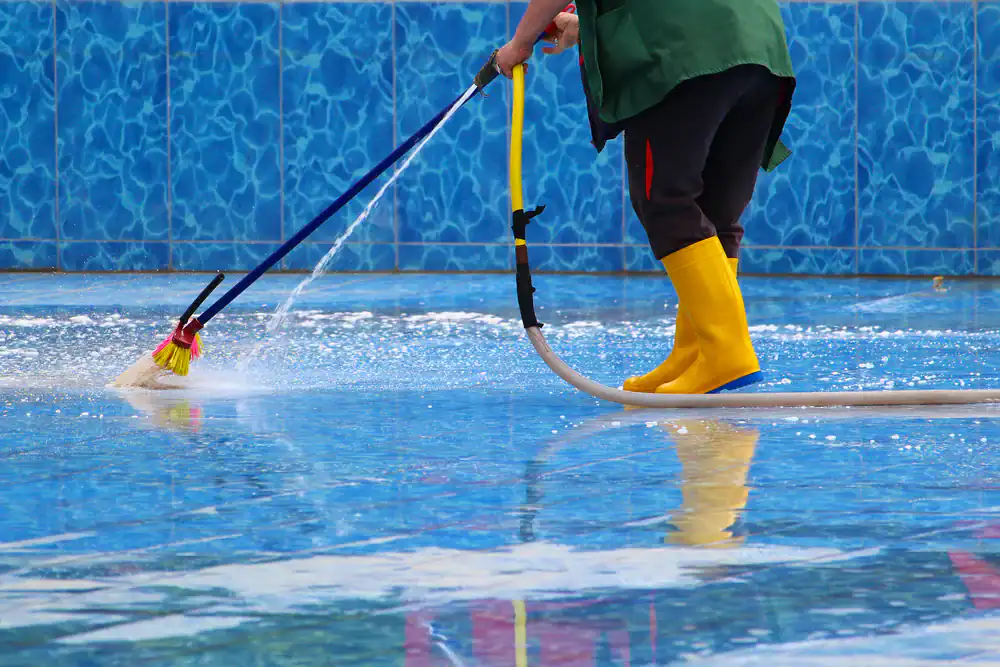
From there, every visit covers skimming the surface, brushing the walls and floor, vacuuming debris from the bottom, and cleaning out the skimmer and pump baskets. In a Relee backyard surrounded by longleaf pines, those baskets aren’t on a weekly schedule they can fill in a single day during peak pollen events or after a wind storm. A full basket cuts water flow to your pump, and a pump working without adequate flow overheats and eventually fails. Catching that before it becomes a repair bill is part of what consistent service actually does.
After the chemical treatment is dialed in and the physical cleaning is done, you get a straightforward report on what was found and what to watch for. No jargon, no upsell pressure just honest information about where your pool stands and whether anything needs attention before the next visit.
Ready to get started?
Routine weekly maintenance covers the full scope water testing and chemical balancing, surface skimming, wall and floor brushing, vacuuming, skimmer basket cleaning, pump basket cleaning, and filter backwashing when needed. Chemical balancing isn’t just about keeping the water clear. Chlorine levels that are too low let bacteria establish. Levels that are too high corrode your equipment and irritate skin and eyes. Getting that balance right consistently in a climate where heat and rain are constantly working against you is the core of what professional pool maintenance actually delivers.
Beyond the weekly work, seasonal pool care matters in Coffee County even if the winters here are mild compared to northern Georgia. A proper spring opening sets the chemistry baseline for your entire swimming season, especially after a winter’s worth of pine debris and organic matter has accumulated in the water. A proper fall service protects your equipment through whatever cold snaps come through and the region isn’t freeze-proof, as anyone who’s been here long enough knows. Skipping that seasonal attention is one of the more common ways pool owners end up with equipment damage they didn’t see coming.
If something shows up during a routine visit that looks like a bigger issue a crack, a struggling pump, a filter that isn’t performing we have the construction background to assess it accurately. You’ll get a straight answer about what it is, not a repair estimate built around what’s most profitable to replace.
For most pool owners in Relee, weekly service is the right call and the South Georgia climate is the main reason. With summer highs near 95 degrees and near-daily afternoon thunderstorms from June through September, your pool chemistry is under constant pressure. Chlorine degrades faster in extreme heat, and heavy rain events dilute your chemical balance and introduce phosphates that feed algae growth. A pool that’s balanced on Monday can be measurably off by Wednesday after two solid storms roll through.
The surrounding environment adds another layer. Longleaf pine pollen events in late winter and spring can overwhelm a skimmer basket in a single day. Pine needles and organic debris fall year-round and introduce tannins that affect both water chemistry and surface staining. Bi-weekly service might work in a climate-controlled environment with minimal debris load but out here in Relee’s wiregrass landscape, a week is already a long time to leave a pool unattended during the swimming season.
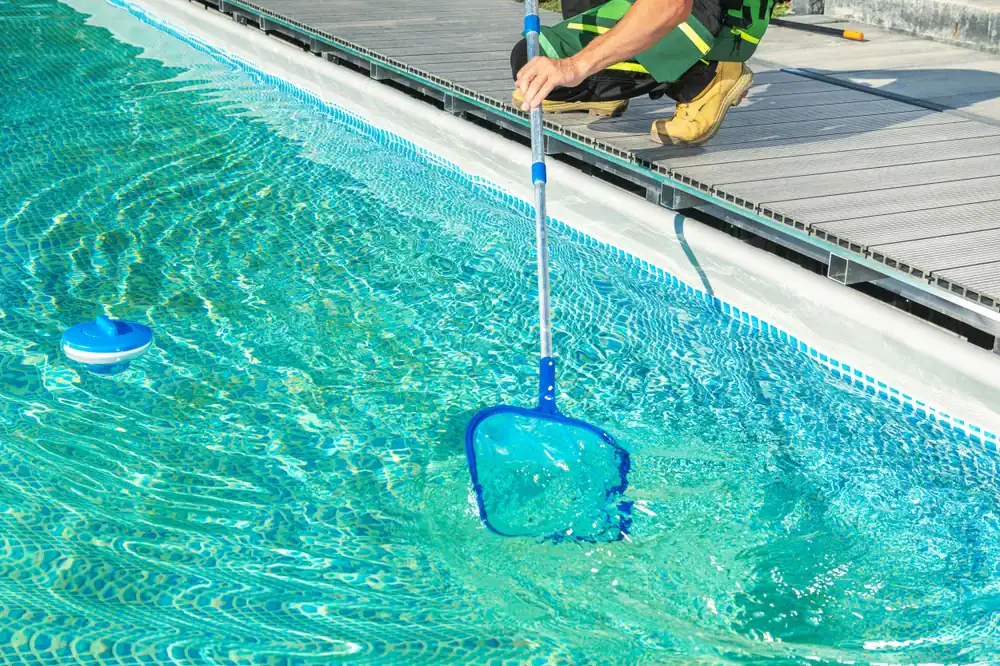
A proper service visit covers more ground than most people expect. It starts with water testing checking chlorine, pH, total alkalinity, and stabilizer levels before anything gets added to the pool. That baseline reading is what determines what the water actually needs that day, not what it needed last week. From there, the physical cleaning covers skimming the surface, brushing the walls and floor, vacuuming debris from the bottom, and cleaning out both the skimmer basket and the pump basket.
Filter maintenance is part of the picture too. Backwashing the filter when needed keeps your circulation system running efficiently, which matters a lot in a rural Coffee County setting where debris loads from surrounding trees can stress the system faster than it would in a more open suburban yard. After everything is done, you should know what was found, what was treated, and whether anything needs a closer look before the next visit. If you’re not getting that kind of reporting from your current service, you’re not getting full service.
Yes and it’s one of the more underappreciated maintenance issues for pool owners in the Relee area. The longleaf pines that define the wiregrass landscape around Coffee County release enormous amounts of pollen every spring, typically from late February through April. During peak events, it accumulates on the water surface fast enough to turn the pool a murky yellow-green within hours. Beyond the visual, that pollen load stresses your filter and can overwhelm a skimmer basket completely in a single day.
Pine needles are a different problem. They sink, decompose, and release tannins into the water organic compounds that gradually stain pool surfaces and consistently pull your pH downward. Left unmanaged, tannin staining can work into plaster and concrete surfaces over time and become difficult to reverse. Regular debris removal and consistent pH monitoring are the practical answer. It’s not a dramatic fix it’s just consistent attention to what the environment around your pool is putting into it every week.
For weekly full-service maintenance, most residential pool owners nationally pay somewhere between $350 and $1,050 per month depending on pool size, condition, and what’s included. One-time cleaning visits typically run $90 to $270. Those are national benchmarks local pricing in a rural South Georgia market like Coffee County may vary, and the best way to get an accurate number for your specific pool is to call and describe what you’re working with.
What’s worth factoring in is what deferred maintenance costs. A neglected pool in Coffee County’s summer heat can develop a full algae bloom within 48 hours of a chemistry imbalance. Algae remediation the chemical treatment, shock, brushing, and multiple service visits needed to clear a green pool runs significantly more than the cost of the routine service that would have prevented it. Equipment damage from clogged skimmer baskets or improper chemical levels adds up fast too. Regular professional maintenance is almost always the more affordable path when you look at the full picture.
Coffee County winters are mild enough that most residential pools stay open year-round, or close for only a short period. But “mild” doesn’t mean maintenance-free. Even in winter, organic debris continues to accumulate pine needles, leaves, and other material from the surrounding landscape keep falling into the pool regardless of the season. Without regular attention, that debris decomposes, introduces tannins, and creates water chemistry problems that carry into spring.
The other consideration is equipment protection. The Coffee County area isn’t freeze-proof unexpected cold snaps do occur, and pool plumbing and pump equipment can be damaged if systems aren’t properly managed heading into colder months. A proper fall service visit that checks equipment, adjusts chemistry for lower usage, and addresses any issues before winter is a straightforward way to protect your investment. When the first warm weekend of April rolls around and the family wants to swim, you want the pool ready not a remediation project.
Clear water isn’t the same as safe water that’s one of the most important things to understand about pool chemistry. A pool can look perfectly clean and still have chlorine levels too low to neutralize bacteria, or pH levels so far off that the water is causing skin and eye irritation without anyone realizing why. In Coffee County’s summer heat, chlorine degrades faster than it does in cooler climates, which means a pool that was properly balanced earlier in the week can be out of safe range by the weekend if it hasn’t been checked.
Professional water testing at every service visit takes the guesswork out of it. Chlorine, pH, total alkalinity, and stabilizer levels all get checked and adjusted based on actual readings not assumptions. For families in Relee with kids who are in the pool regularly through a six-month swimming season, that consistency is what keeps the water genuinely safe, not just visually clear. If you’re currently managing chemistry yourself and relying on test strips alone, it’s worth knowing that strips have a meaningful margin of error compared to professional liquid testing kits. Getting accurate readings matters more than most people realize until something goes wrong.