Building a backyard pool in Coffee County, GA takes 8-12 weeks after permits—but the real timeline depends on factors most builders won't mention upfront.
Most custom inground pool projects in Coffee County, GA take 8 to 12 weeks from the day permits are approved to the day you’re filling it with water. That’s the construction phase. But if someone quotes you that timeline without mentioning permits, design work, or potential delays, you’re not getting the full picture.
The complete timeline from your first design meeting to your first cannonball can stretch 4 to 6 months, sometimes longer depending on the season and how quickly your design comes together. That’s not a worst-case scenario. That’s realistic planning that accounts for how pool construction works in Georgia.
Here’s what separates a smooth project from one that drags on: understanding what happens during each phase and where delays typically show up. The contractors who promise you the shortest timelines are often the ones who leave out the complications until you’re already committed.
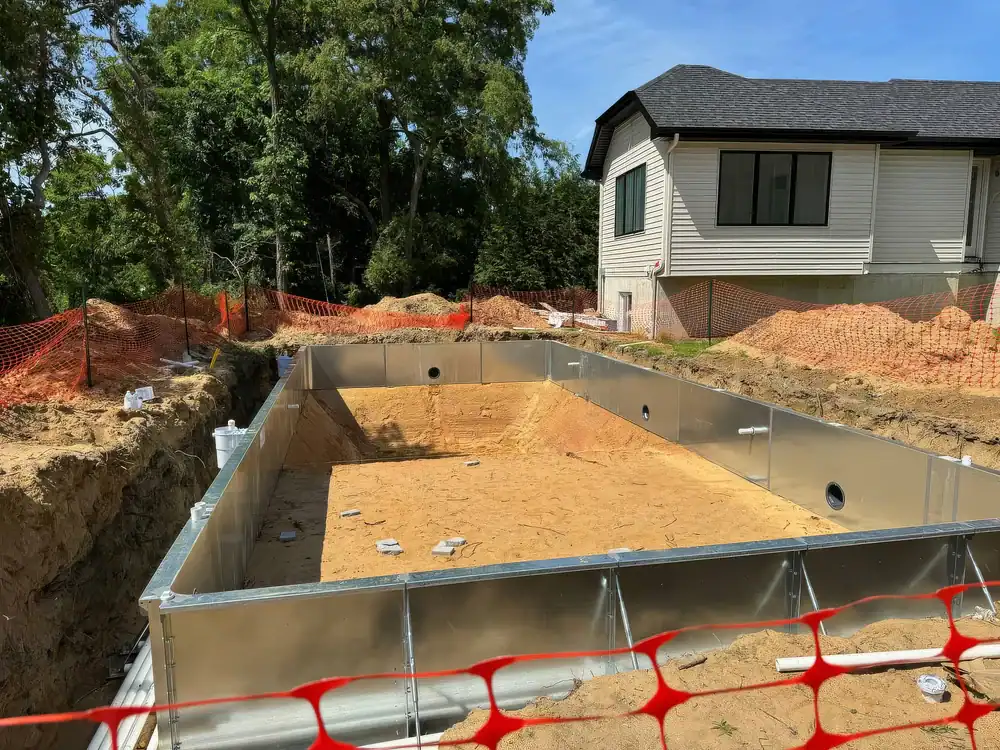
Before anyone digs a single shovelful of dirt, you’re looking at design work and permit approvals. This phase alone can take 3 to 8 weeks, and it’s completely out of your contractor’s control once the paperwork hits the county office.
Pool design typically takes 1 to 4 weeks depending on how custom you’re going. A simple rectangular pool with standard features moves faster than a freeform design with a spa, tanning ledge, and custom water features. Each revision, each “let’s try it this way” conversation, adds time. That’s not a bad thing if it means you end up with a pool you want, but it’s time that needs to be in your mental timeline.
Then comes the permit process. Coffee County, GA, like most Georgia municipalities, requires permits for inground pool construction. The county needs to review your plans, confirm setbacks, verify that everything meets code, and schedule inspections. This process typically takes 2 to 6 weeks, sometimes faster if you’re lucky with timing, sometimes slower if the building department is backed up with other projects.
We submit permit applications early, even while you’re finalizing design details, to keep things moving. We also know local building officials, understand what Coffee County, GA specifically looks for, and can navigate the process without the back-and-forth that inexperienced builders face. That local knowledge can shave weeks off your timeline.
Weather plays a role here too, though not in the way you’d think. Starting your design and permitting process in winter means construction can begin as soon as the ground thaws and conditions are right. Wait until April to start planning, and you’re competing with every other homeowner who had the same idea, which slows down both contractor availability and permit processing.
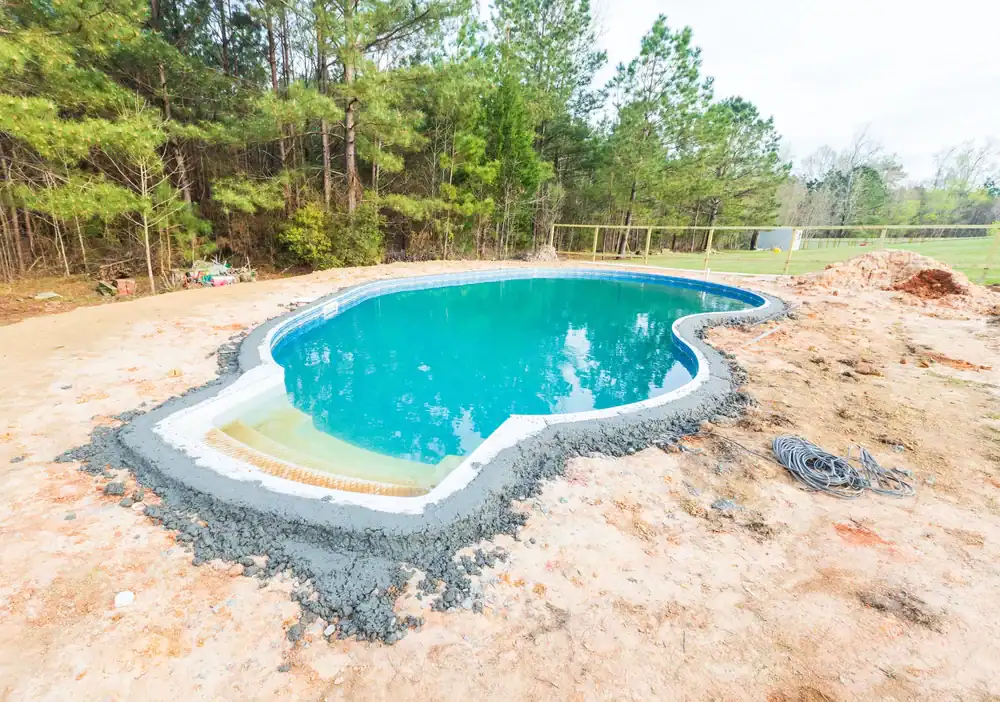
Once permits are in hand and your contractor schedules your project, the physical work moves through predictable phases. Excavation comes first, and it’s the most dramatic day of the entire process. Heavy machinery shows up, your backyard gets torn up, and within 1 to 3 days you’ve got a giant hole where your pool will be.
Excavation can hit delays if your property has unexpected underground obstacles—old septic lines, rock formations, or unstable soil that needs extra prep work. In Coffee County, GA, soil conditions vary quite a bit from property to property. Clay-heavy soil expands when wet, sandy soil can collapse during excavation, and both require experienced contractors who know how to handle Georgia’s ground conditions. That’s why concrete pools work so well here—they’re engineered to handle soil movement that would crack other pool types.
After excavation comes steel installation, which takes about 2 to 3 days. This is the framework that gives your pool its structural strength. Then plumbing and electrical work, another 3 to 5 days depending on complexity. Every water feature, every light, every return line gets roughed in during this phase.
Next is the gunite or shotcrete application, where your pool shell actually takes shape. This happens in one day, but then the concrete needs to cure for about a week before the next phase can begin. You’ll see water pooling at the bottom during curing—that’s normal, and it gets pumped out before finishing work starts.
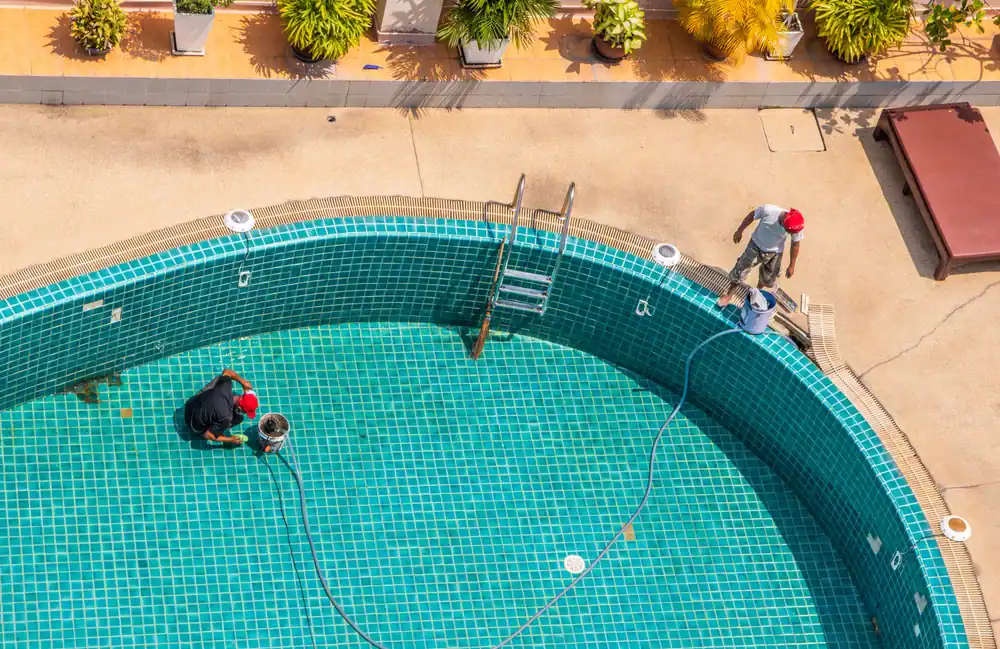
Tile and coping installation comes next, taking 3 to 5 days depending on your design. This is where your pool starts looking like a pool instead of a concrete hole. Then comes decking, which can take anywhere from 3 days to 2 weeks depending on the material and size of your deck area.
Finally, the interior finish gets applied—plaster, aggregate, or whatever surface you’ve chosen. This takes 1 to 2 days, followed by filling the pool and starting up all the equipment. Your contractor will balance the water chemistry, test all the systems, and walk you through maintenance before handing over the keys to your new backyard.
Want live answers?
Connect with a Deep Waters Pools expert for fast, friendly support.
Even with the best planning, delays happen. Weather is the biggest wildcard in any outdoor construction project, and in Georgia, weather can change your timeline in ways that ripple through the entire schedule.
Rain doesn’t just delay work on your pool. It delays work on every pool under construction in the area, which means your contractor’s crews get backed up across multiple projects. One rainy week can push your timeline back two weeks once you account for the domino effect. That’s not an excuse—it’s the reality of outdoor construction.
Material availability has also become a factor in recent years. PVC for plumbing, special pool equipment, custom tiles—if something’s on backorder, your project waits. Experienced contractors order materials well in advance and have relationships with suppliers who can prioritize their projects, but even the best planning can’t always prevent supply chain hiccups.
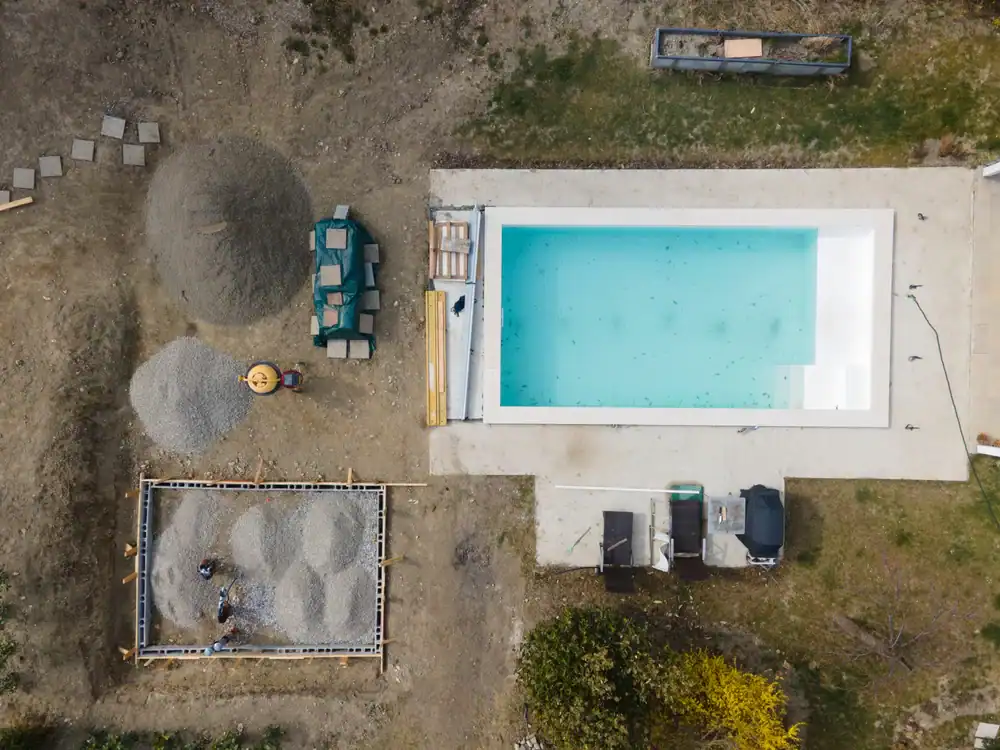
Georgia weather is unpredictable, and pool construction is particularly vulnerable to it. You can’t excavate in heavy rain because the soil becomes unstable. You can’t pour concrete in freezing temperatures because it won’t cure properly. You can’t apply plaster in extreme heat because it dries too fast and cracks.
Spring and fall are typically the best seasons for pool construction in Coffee County, GA because temperatures are moderate and rainfall is more predictable. Summer construction works, but afternoon thunderstorms can interrupt work schedules. Winter construction is possible during mild stretches, but you’re gambling on weather conditions staying favorable.
Here’s what most people don’t realize: weather delays don’t just pause your project, they shuffle your contractor’s entire schedule. Rain stops work on your pool for three days. Your contractor has other projects scheduled behind yours. When work resumes, they might need to finish critical phases on those other projects before returning to yours, especially if those projects are further along and weather-sensitive.
Contractors who handle this well build buffer time into their schedules and communicate clearly when delays happen. They don’t disappear for two weeks and then show up with excuses. They keep you informed, adjust timelines realistically, and make sure you know what’s happening and why.
Seasonal timing matters for another reason: contractor availability. Want your pool done by Memorial Day so you can host that pool party you’ve been planning? You need to start the process in winter. Waiting until March or April means you’re competing with everyone else who wants a summer pool, and good contractors book up fast. You might get squeezed into a schedule, or you might be looking at a timeline that pushes into late summer or fall.
Not all pool contractors work at the same pace, and not all of them are honest about timelines. Some will promise you the moon to get your signature, then drag the project out for months while juggling too many jobs at once. Others are realistic upfront about how long things take and then deliver on that timeline.
Experience matters more than you might think. A contractor who’s been building pools in Coffee County, GA for decades knows which suppliers deliver on time, which subcontractors show up when scheduled, and how to navigate local permitting without delays. We’ve built relationships with inspectors, know what Coffee County, GA specifically requires, and can anticipate problems before they become delays.
Inexperienced builders, or those new to the area, learn on your dime. They submit incomplete permit applications that get kicked back. They order the wrong materials. They underestimate how long phases take. Suddenly your 10-week project is stretching into 16 weeks with no clear end in sight.
The best way to gauge a contractor’s reliability? Ask about their current projects. How many pools are they building simultaneously? How do they handle scheduling when weather causes delays? What’s their communication process when problems arise? Contractors who are vague about these questions or promise everything will be perfect are waving red flags.
You also want to know about their workforce. Do they employ their own crews, or do they subcontract everything? Subcontracting isn’t inherently bad, but it adds coordination complexity. When your contractor is waiting on a plumber who’s juggling five other jobs, your project sits idle. Contractors with in-house teams or long-term relationships with reliable subs keep projects moving.
Here’s a reality check: the cheapest bid is often cheap for a reason. Maybe they’re underbidding to get work and planning to cut corners later. Maybe they’re inexperienced and don’t know what things actually cost. Maybe they’re overbooked and your project will sit half-finished while they chase other jobs. Price matters, but it shouldn’t be your only consideration when you’re investing $40,000 to $60,000 in your backyard.
Building a pool in Coffee County, GA takes 8 to 12 weeks of actual construction after permits are approved, but the complete timeline from initial design to swimming is typically 4 to 6 months. That’s the honest answer, the one that accounts for design, permits, weather, and the reality of how construction works.
The contractors who deliver on time are the ones who are realistic upfront, experienced with local conditions, and transparent about what can go wrong. We don’t promise you the shortest timeline—we promise you an accurate one. And when next summer rolls around and you’re hosting that backyard pool party you’ve been dreaming about, you’ll be glad you worked with someone who understood what it really takes.
If you’re ready to start planning your backyard pool and want straight answers about timelines, costs, and what to expect, Deep Waters Pools brings over 30 years of hands-on experience to every project in Coffee County, GA. No false promises, no disappearing acts—just quality construction and honest communication from start to finish.
Summary:
Share: