
Hear from Our Customers
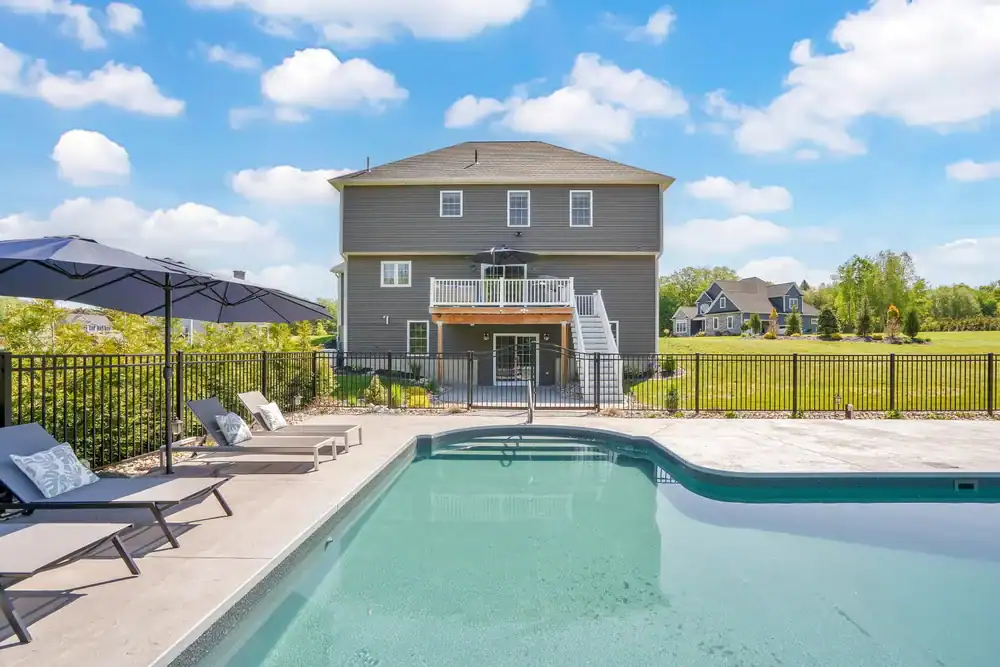
A neglected pool in South Georgia doesn’t just look bad it costs you. Between the pine pollen that rolls through Coffee County every spring and the afternoon thunderstorms that hit all summer long, your water chemistry can shift fast. When nobody’s checking it consistently, you end up dumping extra chemicals, fighting algae, or worse running equipment that’s quietly burning itself out.
When your pool is on a real maintenance schedule, you stop reacting and start enjoying it. The water stays balanced. The equipment gets checked before something breaks. And because your pool is in active use from April through October in this climate, that consistency actually matters six or more months of heavy use is a long time for problems to compound if nobody’s paying attention.
For Lotts residents specifically, there’s another layer most people don’t think about. Properties out here rely on private wells and septic systems, not city infrastructure. A slow pool leak going undetected for a season doesn’t show up on a water bill it shows up as saturated soil, chemistry that won’t hold, and eventually structural damage. Staying ahead of that with regular professional service is what separates a pool that lasts 30 years from one that becomes a problem.
We opened Deep Waters Pools in 2014 in Douglas, GA but our founder didn’t start learning the trade that year. He came in with over three decades of hands-on experience in concrete, plumbing, and pool construction, much of it right here in Coffee County. The wiregrass region’s sandy loam soils, the groundwater influence from the Floridan Aquifer, the way a South Georgia summer pushes equipment harder than most people expect none of that is new to us.
We’re a family-owned, founder-operated company. That means when something goes wrong, you’re not navigating a call center or waiting on a regional manager. You’re reaching the person accountable for the work. For Lotts homeowners who’ve been burned by contractors who showed up once and disappeared, that accountability is the whole point.
We build exclusively in cement, shotcrete, and gunite not fiberglass because we know what this ground does to cheaper materials over time. And we handle every permit ourselves, including the environmental health approvals that come with Coffee County’s septic-served properties.
It starts with understanding what you’re working with. Whether you’re calling about weekly maintenance, a piece of equipment that’s acting up, or a liner that’s seen better days, the first step is always an honest assessment not a sales pitch. We look at the full system before recommending anything, because a pump that’s failing is often telling you something about filtration pressure or plumbing restriction, not just the pump itself.
From there, the work gets done in the right order. If it’s a repair, we diagnose the root cause and fix it not just the symptom. If it’s a new heater installation, we size the unit correctly for your pool volume, handle the gas line and electrical connections to code, and walk you through startup so you know what normal looks like. If it’s a liner replacement, we measure precisely, select the right material for South Georgia’s UV exposure and long swim season, and install it without the wrinkles or air pockets that lead to early failure.
For anything involving new construction or major structural work in Lotts, we pull the Coffee County building permit, coordinate with environmental health on the septic clearance, and schedule every inspection ourselves. You don’t have to learn how the county process works we’ve already done it.
Ready to get started?
Pool equipment repair out here isn’t the same as it is in a suburb with three pool companies on the same street. When your pump goes out on an August afternoon in Lotts, you need someone who can actually get there not someone routing from two counties away. We service pumps, motors, filters, heaters, plumbing, and electrical bonding as a system, not as isolated parts. That’s how we catch the real problem instead of just replacing the piece that broke first.
Weekly pool maintenance through us means consistent water testing and chemical balancing, filtration checks, equipment inspection, and a written record of what was done every visit. During pollen season which hits Coffee County hard from late February through April that service frequency is what keeps your pool swimmable instead of green. After summer storms, it’s what keeps your chemistry from crashing.
Leak detection uses pressure testing and ultrasonic equipment to find what you can’t see. The average cost runs around $300, and it’s worth every dollar compared to what an undetected leak does to your shell, your soil, and your water bill over a season. Pool liner replacement runs $1,200 to $7,800 depending on size and material, and heater installation typically lands between $1,600 and $5,200 all in. We quote everything upfront no surprises when the invoice comes.

Yes and not as an afterthought. We’re based on Baker Highway in Douglas, which is the county seat of Coffee County, the same county Lotts is in. We’re not dispatching from Tifton or routing through a regional hub. For most Lotts residents, we’re the closest qualified, licensed pool service company available.
That matters in a practical way. When something breaks mid-summer and you need someone fast, proximity is real. We know the roads, we know the county building office, and we’ve worked on properties throughout Coffee County for years. If you’ve been searching for pool services near Lotts and coming up empty, that’s because most companies with a digital presence aren’t local we are.
For most pools in this area, weekly service is the right call and the South Georgia climate is the main reason. Coffee County’s swim season runs roughly April through October, which means your pool is in active use for six or more months of the year. That’s a long time for chemistry to drift, equipment to wear, and debris to accumulate without someone checking it consistently.
The pine forests around Lotts make it worse during pollen season. From late February through April, the pollen load coming off those trees can overwhelm a filter and throw off your water balance in a matter of days. Add in the frequent afternoon thunderstorms that roll through all summer, and you’ve got a pool that needs more attention than the national averages suggest. Weekly professional maintenance isn’t a luxury in this climate it’s what keeps the pool functional and the equipment running for the long haul.
The standard test is simple: fill a bucket with pool water, set it on a step so it’s partially submerged, and mark both the bucket water level and the pool water level. After 24 hours, compare them. If the pool dropped more than the bucket, you’ve got a leak not just evaporation.
In Lotts and the surrounding Coffee County area, this matters more than people realize. Because most properties out here are on private wells rather than city water, a slow leak doesn’t show up on a monthly utility bill the way it would in town. It shows up as soil saturation around the pool, chemistry that won’t hold no matter how much you add, or eventually visible settling or cracking. We use pressure testing and ultrasonic equipment to locate the source precisely including leaks in underground plumbing that a visual inspection would never catch. Catching it early is always cheaper than dealing with what it causes.
A proper heater installation involves more than dropping a unit in and connecting it. The heater has to be correctly sized for your pool’s volume undersizing it means it runs constantly without ever reaching temperature, which burns it out fast. The gas line has to be properly sized for the BTU load. Electrical connections have to meet code. And the unit has to be positioned with correct clearances for ventilation and serviceability.
Done right, a pool heater lasts 8 to 12 years. Done wrong or installed by someone who skipped steps you’re looking at 3 to 5 years before it fails, sometimes less. In Coffee County, where evening temperatures in April, September, and October can drop enough to make an unheated pool uncomfortable, a heater is what lets you actually use the shoulder seasons you’re paying to maintain all year. We install to manufacturer specs, handle the startup procedure, and make sure you understand what normal operation looks like before we leave.
Most inground pool liners last 10 to 15 years under normal conditions, but South Georgia’s extended swim season and UV exposure can shorten that timeline. If you’re seeing visible fading, wrinkling, tears, or if you’re losing water consistently and leak detection rules out plumbing, the liner is usually the next place to look.
The cost for inground liner replacement runs $1,200 to $7,800 depending on the size of the pool and the material you choose. That’s a wide range, and the difference comes down to liner thickness, finish quality, and the complexity of the installation. In Lotts, where pools sit in sandy loam soil with groundwater influence from the Floridan Aquifer, getting the installation right matters a liner that isn’t seated and sealed correctly will fail early regardless of how good the material is. We measure precisely, select the right spec for your pool and this climate, and install it to last.
For new pool construction, yes a building permit through Coffee County is required. Because Lotts is an unincorporated community, there’s no municipal government handling this locally. Everything runs through the Coffee County building and development department in Douglas. And because virtually every residential property in Lotts is served by a private septic system rather than municipal sewer, environmental health has to sign off on the pool’s location before the building permit can even be issued. That’s a step a lot of contractors from outside the area don’t know to plan for, and it’s one that can stall a project by weeks if it catches you off guard.
For repair work, liner replacement, and equipment installation, permits are typically not required but the work still needs to be done by someone licensed to do it. Georgia requires a valid residential contractor license for pool work over $2,500. We’re licensed and insured, and we handle all permitting coordination ourselves on projects that require it. You don’t need to learn how Coffee County’s process works we already know it.