Your pool needs different care throughout the year. Learn how seasonal pool services in Coffee County, GA protect your investment and save you money on repairs.
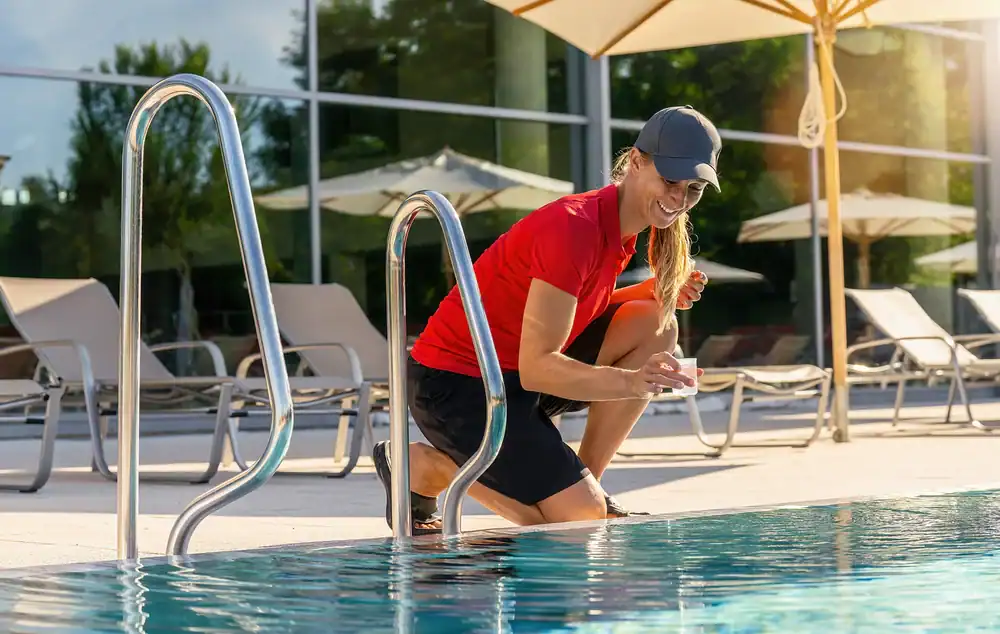
Seasonal pool services cover the critical transitions your pool goes through each year. We’re talking about winterization in fall, spring opening, and the preventative maintenance that keeps everything running between those bookends.
Georgia’s climate sits in an interesting zone. You’re not dealing with Minnesota winters, but you’re also not in Florida where pools stay open year-round without much adjustment. Coffee County, GA gets cold enough to risk freeze damage but warm enough that some pool owners try to skip winterization altogether. That middle ground is exactly where problems happen.
The winterization process protects your equipment when temperatures drop. Spring pool opening gets your water swim-ready after months of sitting dormant. Chemical balancing throughout the year keeps your water safe and your surfaces intact. Equipment inspection catches small problems before they become expensive ones. Each of these services has a specific job, and skipping any of them puts your pool at risk.
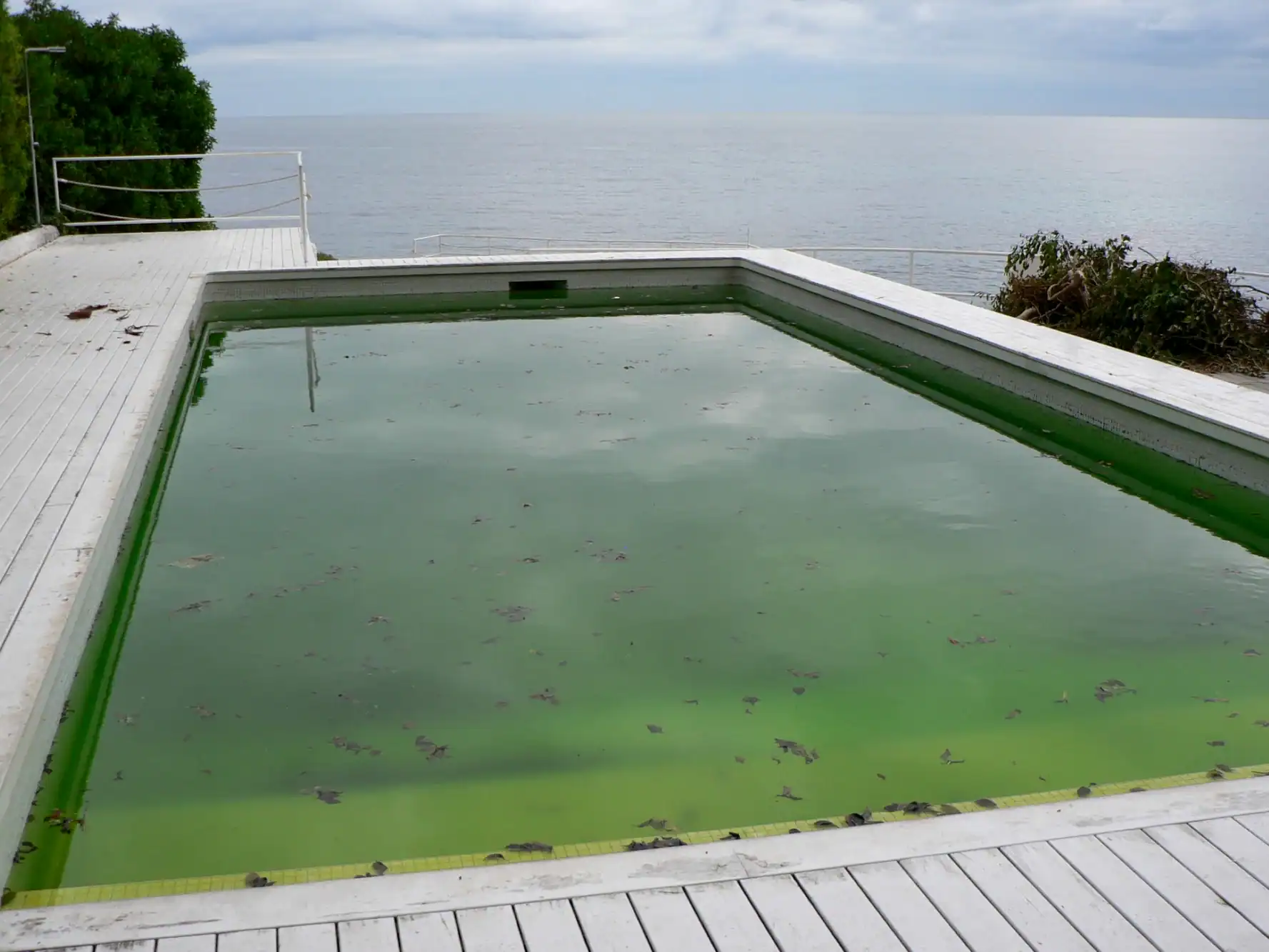
Winterization isn’t about draining your pool and walking away. It’s a methodical process that prepares your entire system for cold weather without causing damage.
The process starts with a deep clean. You can’t winterize a dirty pool—debris left sitting for months creates stains and algae problems that are harder to fix in spring. Your pool gets thoroughly vacuumed, walls get brushed, and the waterline gets scrubbed clean.
Chemical balancing comes next. Your water chemistry needs to be in a specific range before winter hits. The pH gets adjusted to between 7.2 and 7.8, alkalinity gets balanced, and calcium hardness gets checked. These aren’t arbitrary numbers—they’re the levels that prevent your pool surfaces from etching or scaling while the water sits still for months.
Then comes equipment protection. In Coffee County, GA, you’re dealing with occasional freezes that can crack pipes and damage pumps if water gets trapped inside. The winterization process includes lowering your water level below the skimmer line—usually about four to six inches. This prevents water from freezing in your plumbing lines. Drain plugs get removed from your pump, filter, and heater so any remaining water can escape instead of expanding and cracking components.
Winterizing chemicals get added to prevent algae growth and maintain water quality while your pool isn’t circulating. These aren’t the same chemicals you use during swim season—they’re formulated to work in cold, stagnant water over long periods.
Finally, your pool gets covered. A proper winter cover keeps debris out, blocks sunlight that would fuel algae growth, and provides an extra layer of safety. The cover also needs to be secured correctly—a cover that sags or collects water creates more problems than it solves.
Some Coffee County, GA pool owners ask whether they really need full winterization since the weather doesn’t stay freezing for long. Here’s the reality: even one hard freeze can cause thousands of dollars in equipment damage. Georgia’s unpredictable winter weather makes protection more important, not less. You might have a 50-degree day followed by a 25-degree night, and that’s exactly when unprotected equipment fails.
Spring pool opening is more than just pulling off the cover and jumping in. It’s the process of bringing your pool back to life after months of dormancy, and doing it wrong can waste weeks of good swimming weather.
The timing matters in Coffee County, GA. You want to open your pool when daytime temperatures consistently stay above 70 degrees, which typically happens in late March to early April around here. Open too early and you’re maintaining a pool nobody’s using. Wait too long and you’re fighting algae blooms in warm, stagnant water.
The opening process starts with removing and cleaning your winter cover. Any debris or standing water on top of the cover needs to be cleared before you remove it—otherwise all that dirt ends up in your pool. The cover itself gets cleaned, dried, and stored properly so it’s ready for next winter.
Next comes the inspection. Your equipment has been sitting unused for months, and this is when you find out if anything was damaged over winter. Pumps get checked for cracks or leaks. Filters get inspected. Heaters get tested. Plumbing lines get examined for freeze damage. Finding these problems now, before you need the pool, gives you time to fix them without losing swim days.
Drain plugs and fittings that were removed during winterization get reinstalled. Your water level gets raised back to the proper height—halfway up the skimmer opening. The circulation system gets restarted, and you’ll run it for several hours to get water moving through the system again.
Chemical balancing at opening is critical. Your water has been sitting for months, and even with winterizing chemicals, the balance has shifted. Everything gets tested—pH, alkalinity, calcium hardness, chlorine levels. Most pools need a shock treatment at opening to kill any bacteria or algae spores that developed over winter. This isn’t optional—it’s the difference between clear water in a few days versus green water that takes weeks to fix.
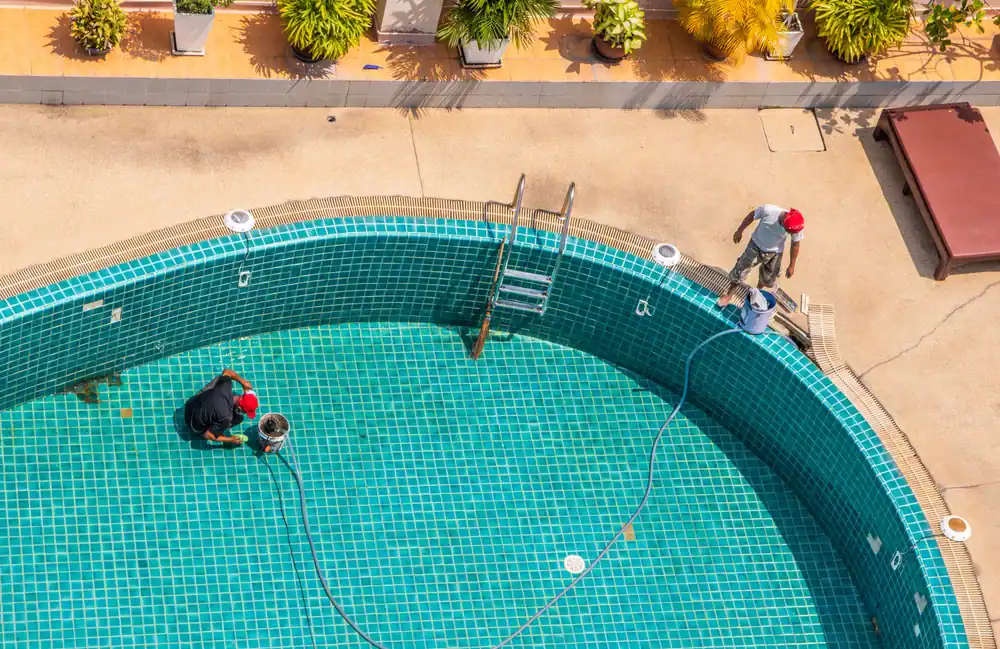
Your pool also gets a thorough cleaning at opening. Walls and floors get brushed to remove any film or early algae growth. The entire pool gets vacuumed. Filters get cleaned or backwashed so they’re working at full capacity.
The goal of a proper spring opening is to have your pool swim-ready within a few days, not a few weeks. When done correctly, you’re testing water chemistry, making small adjustments, and swimming by the weekend. When done poorly—or skipped entirely—you’re dealing with cloudy water, algae problems, and equipment that doesn’t work right because nobody checked it before turning everything on.
Coffee County, GA pool owners who try to DIY their spring opening often run into the same issues. They skip the shock treatment to save money and end up with algae. They don’t inspect equipment and discover their pump is leaking only after they’ve already filled the pool. They rush the process and spend the next month troubleshooting problems that could have been prevented with a proper opening.
Want live answers?
Connect with a Deep Waters Pools expert for fast, friendly support.
Winterization and spring opening get most of the attention, but what happens between those bookends matters just as much. Your pool needs consistent attention during the months you’re actually using it.
Chemical balancing isn’t a one-time thing. Your water chemistry shifts constantly based on weather, usage, and what gets introduced to the pool. Rain dilutes your chemicals. Hot sun burns off chlorine. Swimmers introduce oils, sweat, and other contaminants. Every few days, your water chemistry is different than it was before.
Proper chemical balancing means testing regularly and adjusting as needed. You’re monitoring pH levels to keep water comfortable and prevent equipment corrosion. You’re checking chlorine to ensure the water is actually sanitized. You’re watching alkalinity because it stabilizes pH and prevents wild swings. You’re testing calcium hardness to avoid scaling on surfaces or corrosion of metal components.
Equipment inspection during the season catches problems while they’re still small. A pump that’s making a slightly different noise might just need lubrication now, but ignore it and you’re replacing the entire motor in a month. A filter with rising pressure might need cleaning now, but let it go and you’re dealing with poor circulation and cloudy water.
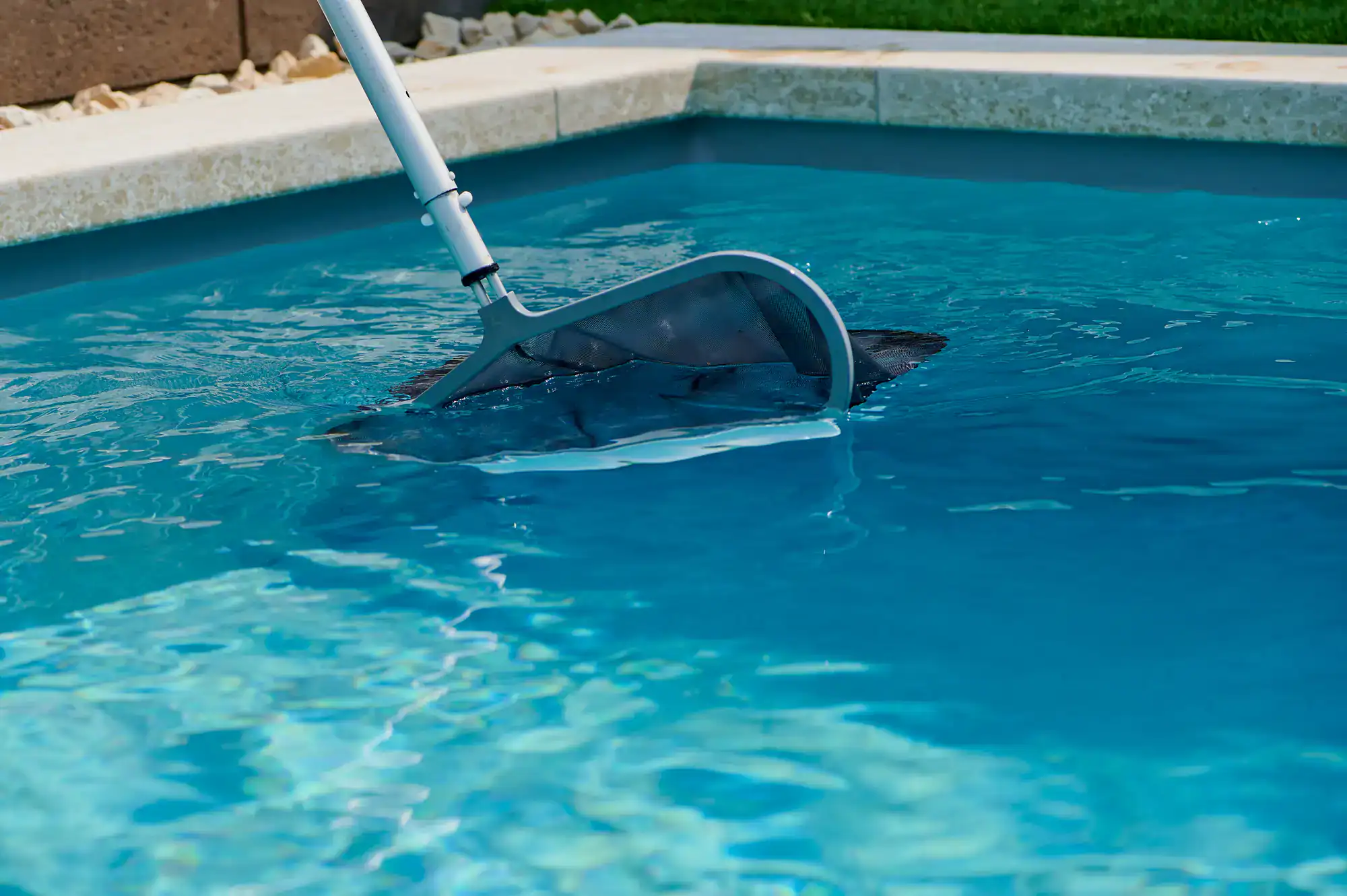
Preventative maintenance is the difference between small fixes and major repairs. It’s the practice of addressing issues before they become problems, and it’s significantly cheaper than the alternative.
Consider your pool pump. It’s running several hours a day, moving thousands of gallons of water through your system. Regular inspection catches things like worn seals, loose connections, or bearings that are starting to fail. Fix these issues early and you’re spending a couple hundred dollars. Ignore them until the pump fails completely and you’re looking at a thousand-dollar replacement plus the cost of all the water chemistry problems that developed while your circulation was down.
The same logic applies to every component of your pool system. Filters that get cleaned regularly last longer and work more efficiently. Heaters that get inspected annually don’t fail in the middle of a pool party. Plumbing connections that get checked don’t develop leaks that waste water and damage your deck.
Preventative maintenance also improves efficiency, which saves money on your utility bills. A clean filter doesn’t make your pump work as hard. Properly balanced water doesn’t require as many corrective chemicals. Equipment that’s maintained runs more efficiently than equipment that’s neglected.
The cost difference is substantial. Regular seasonal services might run you fifteen hundred to two thousand dollars a year depending on your pool size and what services you need. Compare that to a single equipment failure—a pump replacement, a heater repair, a filter system overhaul—which can easily cost two to three thousand dollars. Add in the water chemistry problems that develop when equipment isn’t working right, and you’re spending more money to fix problems than you would have spent preventing them.
Coffee County, GA pool owners often ask whether they can handle preventative maintenance themselves. Some of it, sure. You can skim debris, brush walls, and test water chemistry. But equipment inspection requires knowing what you’re looking at. Chemical balancing requires understanding how different factors interact. Seasonal transitions require experience with Georgia’s specific climate challenges.
The hidden cost of DIY maintenance is the mistakes you don’t know you’re making. You might think your water chemistry is fine because it looks clear, but your pH has been too low for months and it’s slowly etching your plaster. You might not realize your filter pressure is creeping up because you don’t know what normal looks like for your system. You might skip winterization because last winter was mild, and this year’s cold snap cracks your pump housing.
Equipment inspection isn’t just a quick glance at your pool equipment. It’s a systematic check of every component that keeps your pool running, and it should happen at least twice a year—once before you open for the season and once before you close.
Your pump gets inspected first because it’s the heart of your circulation system. The inspection checks for any cracks in the housing, which can develop from freeze damage or just age. Seals get examined for wear—a seal that’s starting to fail will leak, and leaks waste water while reducing pump efficiency. The motor gets checked for unusual sounds or vibrations that indicate bearing problems. Electrical connections get inspected to make sure nothing’s loose or corroded.
Your filter system needs attention too. The pressure gauge gets checked to see if your filter is working in the normal range or if pressure is building up, which means it’s time for cleaning. The filter housing gets inspected for cracks or damage. If you have a cartridge filter, the cartridges get pulled and examined for tears or excessive wear. Sand filters get checked to make sure the sand doesn’t need replacement. DE filters get inspected to ensure the grids are intact.
Heaters require their own inspection process. Burners get checked for corrosion or blockage. Heat exchangers get examined for scale buildup that reduces efficiency. Thermostats get tested to make sure they’re reading accurately. Gas connections get checked for leaks if you have a gas heater. Electrical components get inspected on electric heaters.
Your plumbing system gets a visual inspection looking for leaks, cracks, or signs of stress. Connections get checked to make sure nothing’s coming loose. Valves get tested to ensure they’re opening and closing properly. Skimmers and return jets get examined to make sure they’re not cracked or clogged.
The automation system, if you have one, gets tested to verify all the controls are working correctly. Timers get checked to make sure they’re keeping accurate time and turning equipment on and off when they should. Salt systems get inspected to ensure the cell isn’t scaled up or failing.
Even your pool surfaces get included in a thorough inspection. The waterline gets checked for staining or scale buildup. Pool walls get examined for cracks or areas where the finish is deteriorating. Tile and coping get inspected for loose pieces that could become safety hazards.
What you’re looking for during equipment inspection is anything that’s not normal. A small leak now becomes a major leak later. A pump that’s running slightly hot now fails completely next month. A filter with rising pressure now gives you cloudy water that won’t clear up next week.
The benefit of professional equipment inspection is experience. Someone who inspects pool equipment every day knows what normal wear looks like versus what’s a developing problem. They know which issues need immediate attention and which ones can wait. They know how Georgia’s climate affects different components and what to watch for in Coffee County, GA specifically.
Your pool is one of the biggest investments in your property. Seasonal pool services are how you protect that investment from Georgia’s weather, from equipment wear, and from the problems that develop when pools don’t get the care they need.
Winterization protects your equipment when temperatures drop. Spring opening gets you swimming faster with fewer problems. Chemical balancing keeps your water safe and your surfaces intact. Equipment inspection catches small issues before they become expensive repairs. Preventative maintenance throughout the season keeps everything running efficiently.
The cost of seasonal services is significantly less than the cost of repairs from neglect. More importantly, it’s about having a pool that’s ready when you want to use it, not one that’s constantly giving you problems. If you’re ready to protect your pool investment with professional seasonal services here in Coffee County, GA, we have the experience and local knowledge to keep your pool in top condition year-round.
Summary:
Share: