Building a pool in Georgia clay isn't like building anywhere else. Here's what Coffee County, GA homeowners wish they knew before construction started.
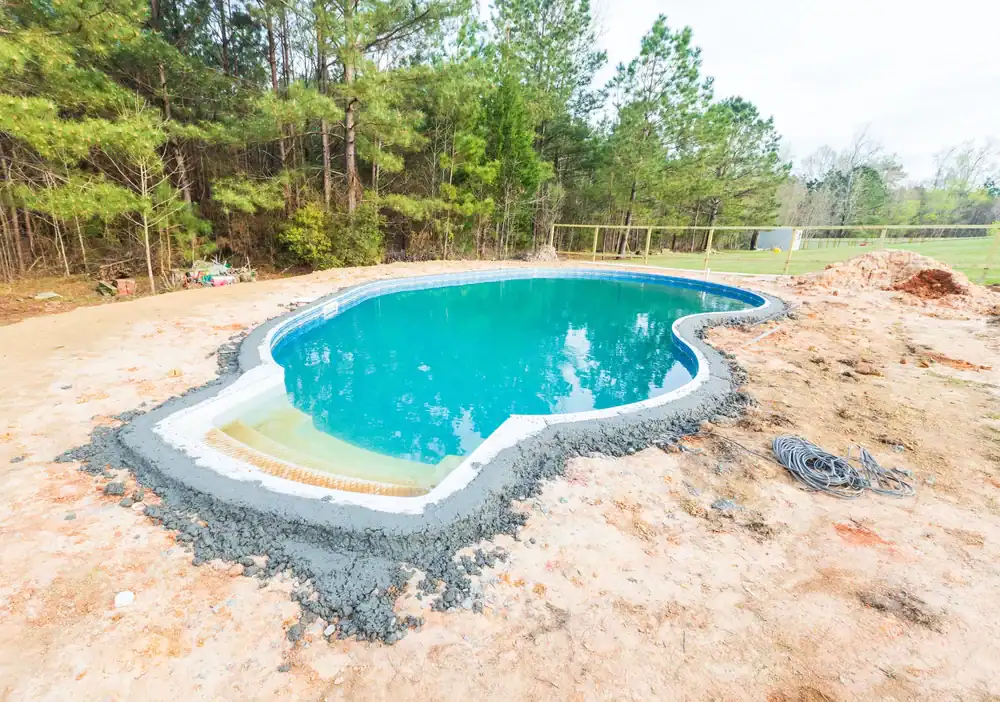
Georgia clay isn’t just dirt. It’s expansive soil, which means it absorbs water like a sponge and swells. When it dries out, it shrinks. That constant movement creates pressure on anything sitting in or on it—including your pool.
Most pool construction methods that work fine in sandy or stable soil can fail here. A pool shell that isn’t engineered for this kind of ground movement can crack at the seams, develop leaks, or even shift over time. In extreme cases, hydrostatic pressure from groundwater can actually lift a pool out of the ground.
That’s why the construction method matters more here than almost anywhere else. Concrete pools—specifically gunite or shotcrete—are the standard in Georgia because they can be reinforced to move as a single unit. Fiberglass and vinyl liner pools can work, but they require extra precautions during installation to account for soil behavior.
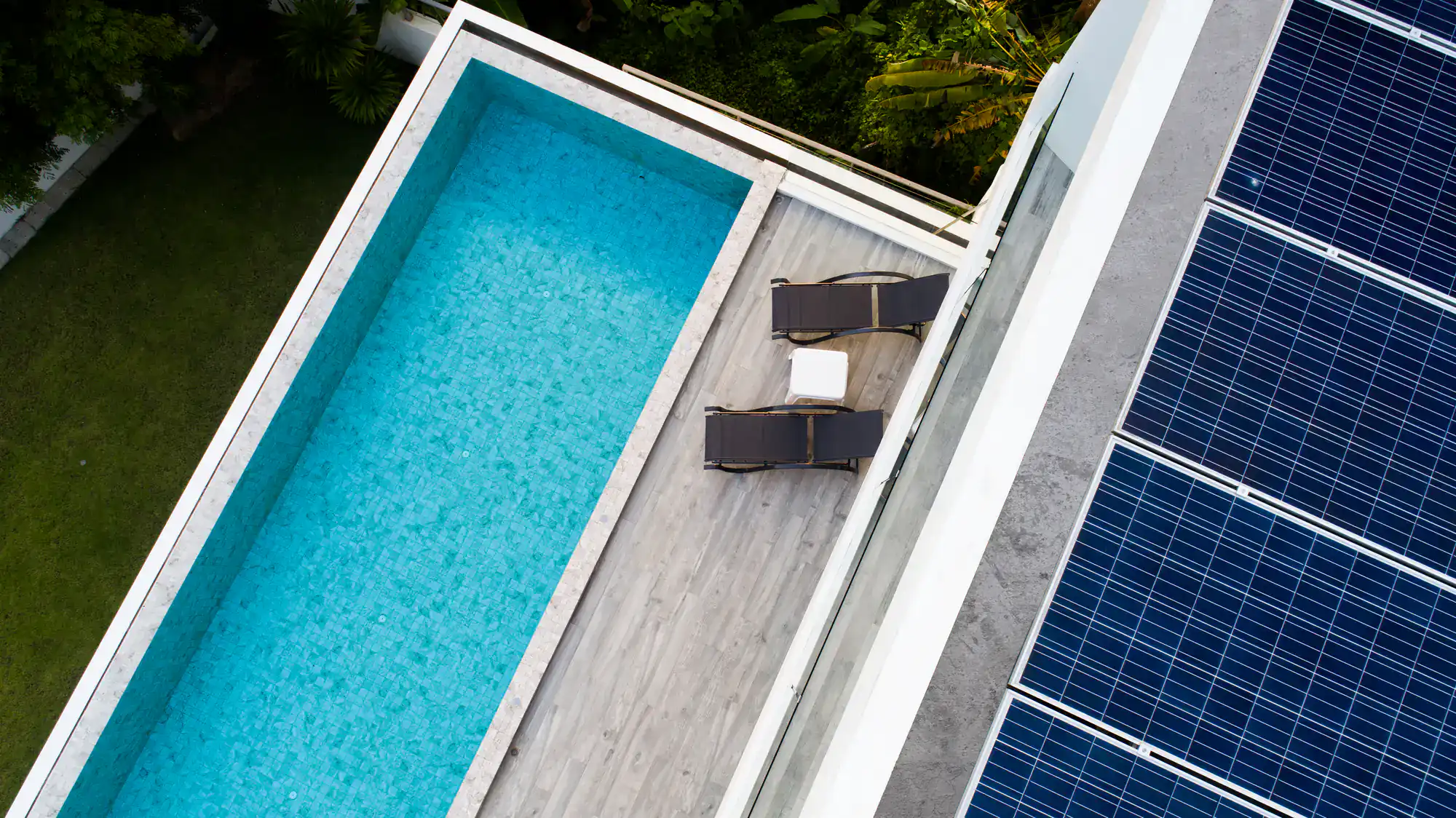
Expansive clay doesn’t just sit there. It reacts to moisture. After a heavy rain, the soil swells. During a dry summer, it contracts. If your pool wasn’t built to handle that, you’ll see the effects within a few years—sometimes sooner.
Cracks are the most common issue. They usually start small, along the bond beam or at the corners where the walls meet the floor. Over time, those cracks widen. Water seeps out, which makes the surrounding clay swell even more, which puts more pressure on the shell. It’s a cycle that gets worse if it’s not addressed early.
Then there’s the “hinge crack” problem. This happens when shallow features like sun shelves or attached spas sit in the active zone of the soil—the top few feet where moisture fluctuates the most. These features can move at a different rate than the deeper pool shell, causing cracks where they connect. Water leaks into the ground, the clay swells, and in severe cases, the entire pool can heave upward.
Deck cracking is another telltale sign. If the concrete around your pool starts lifting or cracking in sections, it’s usually because the clay underneath is expanding. This is why isolation joints—those intentional gaps between the pool coping and the deck—are so important. Without them, the deck and pool push against each other as the soil moves, and something has to give.
Not every pool in Georgia clay will have these problems. But every pool in Georgia clay is at risk if it wasn’t built with these conditions in mind. That’s the difference between a pool that lasts decades and one that becomes a problem within five years.
The good news? These issues are preventable. Proper site evaluation, the right construction methods, and experienced builders who know how to work with Georgia soil can eliminate most of these risks. It’s not about luck. It’s about doing it right from the start.
If a builder tells you Georgia clay isn’t a big deal, that’s your first red flag. It is a big deal, and how they handle it determines if your pool lasts or becomes a problem.
The process should start with a site evaluation. That means looking at your specific yard—not just assuming the soil is the same as the lot next door. Soil conditions can vary dramatically even within a small area. Some spots have native clay, others have fill dirt, and some have rock just below the surface. Each scenario requires a different approach.
Once we understand what we’re working with, experienced builders adjust their methods. For concrete pools in expansive clay, that usually means adding extra steel reinforcement to the shell so it can move as a single unit rather than cracking in sections. It might also mean digging deeper for certain features to get below the active zone where the soil fluctuates the most.
Moisture management is another critical piece. Good builders install proper drainage around the pool to keep water from pooling near the shell. We also use the right backfill material—typically gravel or sand rather than clay—to allow water to drain away instead of sitting against the pool walls.
Then there’s the bond beam and deck connection. The pool coping needs to be completely separated from the surrounding deck with an isolation joint. This allows the deck and pool to move independently as the soil shifts, preventing pressure buildup that leads to cracking.
Some builders take shortcuts. They skip the extra reinforcement. They backfill with whatever dirt came out of the hole. They pour the deck right up against the coping without an isolation joint. These shortcuts save them time and money, but they cost you in the long run.
Here’s what to ask any builder you’re considering: How do you handle expansive clay? What reinforcement do you use? How do you manage drainage? What’s your backfill material? If they can’t give you clear answers, keep looking.
The right builder won’t just dig a hole and spray concrete. We engineer the pool for your specific site conditions. That’s what separates a pool that works from one that doesn’t.
Want live answers?
Connect with a Deep Waters Pools expert for fast, friendly support.
Let’s talk about what this actually costs and how long it takes, because most estimates you’ll find online don’t account for local variables.
In Coffee County, GA, custom inground pool construction typically runs between $35,000 and $65,000. That’s for a standard concrete pool with basic features. If you want a spa, water features, custom lighting, or elaborate landscaping, expect to add $10,000 to $30,000 or more. The final number depends on size, features, and—this is important—what your soil conditions require.
If your yard has challenging soil, rock, or drainage issues, that can add to the cost. It’s not a markup. It’s the reality of dealing with what’s underground. Responsible builders will inspect your site and give you an honest assessment before locking in a price.
Timeline-wise, most projects take 8 to 12 weeks from permit approval to completion. Weather plays a role—Georgia’s summer storms can delay concrete work. So can permit processing times, which vary by county. A good builder builds buffer time into the schedule so you’re not left wondering when your pool will be finished.
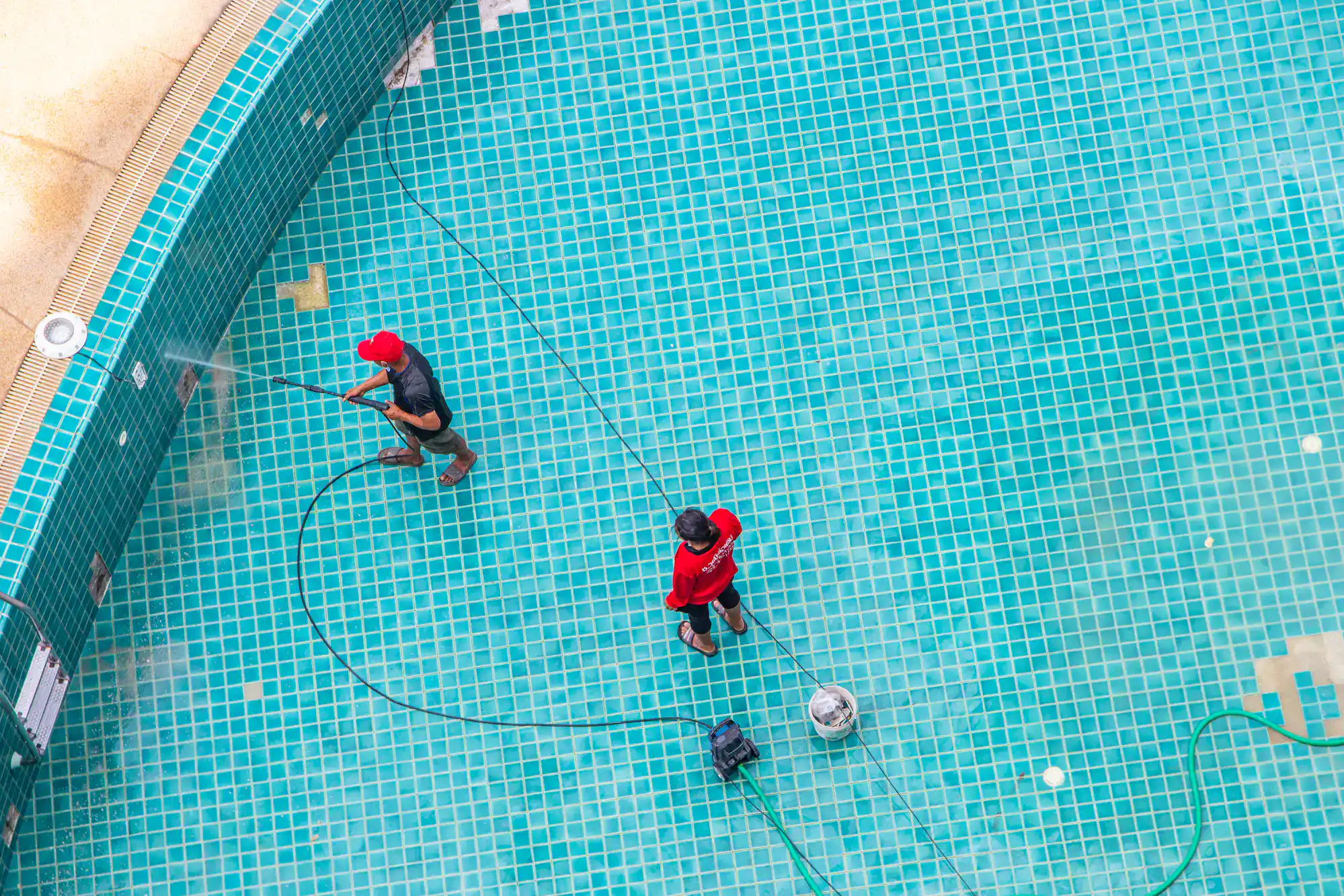
Size is the obvious one. A larger pool requires more excavation, more materials, and more labor. But size alone doesn’t tell the whole story.
Soil conditions can swing your cost significantly. If you’ve got stable soil and good drainage, construction is straightforward. If you’ve got expansive clay, high water table, or rock that needs to be broken up and hauled away, those challenges add time and equipment costs. Some builders include a “rock clause” in their contracts, meaning you’ll pay extra if rock is encountered during excavation. Make sure you understand what’s included in your quote and what isn’t.
Design complexity matters too. A simple rectangular pool is faster and cheaper to build than a freeform design with multiple levels, a beach entry, and an attached spa. Custom pool design features like swim-up bars, grottos, or infinity edges require additional engineering and labor.
The type of finish you choose affects cost as well. Standard plaster is the most affordable option, but it needs to be resurfaced every 10 to 15 years. Aggregate finishes like pebble or quartz cost more upfront but last longer and require less maintenance. It’s a trade-off between initial investment and long-term durability.
Equipment quality is another variable. Cheap pumps and filters save money now but cost more in energy bills and repairs later. Eco-friendly variable-speed pumps cost more upfront but can cut your operating costs by hundreds of dollars per year. Same goes for heaters, automation systems, and lighting.
Then there’s everything around the pool. Decking, landscaping, fencing, and outdoor living features can easily match or exceed the cost of the pool itself. If you’re planning an outdoor kitchen, fire pit, or covered patio, factor those into your budget from the start. It’s almost always more cost-effective to do these projects together rather than coming back later to add them.
One more thing: permits and inspections. In Georgia, you need permits for pool construction, and those come with fees. Your builder should handle this process, but make sure it’s included in your contract. Some builders quote the pool cost separately from permit fees, which can surprise homeowners when the final bill arrives.
The bottom line: get a detailed, written estimate that breaks down exactly what’s included. Ask about potential additional costs related to soil conditions, rock removal, or design changes. The more transparent your builder is upfront, the fewer surprises you’ll have later.
You can’t just dig a hole and fill it with water. Georgia has specific requirements for residential pools, and Coffee County, GA has its own local codes on top of state regulations.
Every inground pool in Georgia requires a building permit before construction starts. That permit process involves submitting site plans, engineering drawings, and proof that your pool will meet safety codes. Processing times vary, but expect 4 to 6 weeks in most cases. Your builder should handle this entire process—if they’re asking you to pull permits yourself, that’s a red flag.
Safety barriers are non-negotiable. Georgia requires all residential pools to have barriers at least 48 inches high surrounding the entire pool area. Gates must be self-closing and self-latching, with latches positioned at least 54 inches above the ground. This isn’t optional. Inspectors will check, and if your barriers don’t meet code, you won’t pass final inspection.
If your property is on a septic system, there are additional requirements. The pool can’t be built too close to your septic tank or drain field, and you’ll need approval from the health department before construction begins. This is another reason why site evaluation matters—your builder needs to know where your septic system is located and design the pool accordingly.
Electrical work must be done by a licensed electrician and meet National Electrical Code standards. Pool equipment needs to be properly bonded and grounded to prevent electrical hazards. Again, inspectors will verify this before you can fill your pool.
Drainage is another inspection point. Your pool needs to drain away from your home’s foundation and your neighbor’s property. If your yard doesn’t naturally slope away from the pool, your builder may need to install additional drainage solutions.
The inspection process typically involves multiple visits: one after excavation, one after steel installation, one after plumbing and electrical rough-in, and a final inspection before you can use the pool. Each inspection needs to pass before the next phase of construction can proceed. This is why experienced local builders are worth their weight in gold—we know exactly what inspectors are looking for and build to pass the first time.
One last thing: homeowner’s association rules. If you live in an HOA community, check your covenants before you start planning. Some HOAs have restrictions on pool size, location, fencing style, or even whether pools are allowed at all. Get written approval from your HOA before you sign a contract with a builder. Otherwise, you could end up in a situation where you’ve paid for a pool that violates your neighborhood rules.
Building a pool in Georgia clay isn’t the same as building one in Florida sand or Texas limestone. The soil here demands a different approach, and homeowners who understand that from the beginning avoid the problems that others face years later.
The key is choosing a builder who has actual experience with Georgia soil conditions—not just someone who’s built pools before, but someone who’s built them here and knows what works. That experience shows up in how we evaluate your site, what construction methods we use, and how we handle the details that prevent problems down the road.
If you’re ready to move forward with pool construction in Coffee County, GA, start with a conversation. Ask questions. Get multiple opinions. Make sure you understand what you’re getting and what it will take to build it right. We’ve been building pools in South Georgia for over a decade, and we’ve seen what works and what doesn’t when it comes to Georgia clay. From initial pool design through ongoing pool services , we’d be happy to walk you through what your specific project would involve.
Summary:
Share: