
Hear from Our Customers
You stop worrying about it. That’s the honest answer. You stop checking the water every other day, stop guessing whether the chlorine is right, and stop dreading what you’ll find after a week of thunderstorms rolls through. In a Coffee County summer, that peace of mind is worth more than most people realize until they’ve actually had it.
South Georgia’s heat does things to pool water that most homeowners underestimate. The UV index alone can burn through your chlorine fast enough that a pool that looked fine on Monday is showing algae by Wednesday. Add in the pine needles and oak pollen that come with living in the Wiregrass region around Huffer, and your skimmer basket is working overtime just to keep up. When that debris sits and the chemistry drifts, you’re not just looking at a cloudy pool you’re looking at a pump that’s under stress and a repair bill that didn’t have to happen.
Consistent, professional maintenance short-circuits all of that. Your water stays balanced, your equipment runs the way it’s supposed to, and your pool is actually usable during the months you paid to have it. For Huffer homeowners who’ve invested in their property and their outdoor space, that’s what this service is really about protecting what you already have.
We’ve been based out of Douglas since 2014 right on Baker Highway, which puts us closer to Huffer than most pool companies you’ll find. Our founder’s experience in concrete, plumbing, and pool construction goes back more than 30 years. That history matters because when we show up to maintain your pool, we’re not guessing at what’s in front of us. We’ve built pools throughout Coffee County, including in and around Huffer. We know the water, the soil, and the conditions that come with this specific part of South Georgia.
We started this company because local families were getting burned by contractors who made promises and didn’t keep them. That’s still what drives how we operate. Every visit comes with a clear report of what was done, what was found, and what if anything needs your attention. No black box. No surprises on your bill. Just straightforward service from a company that actually knows this county.

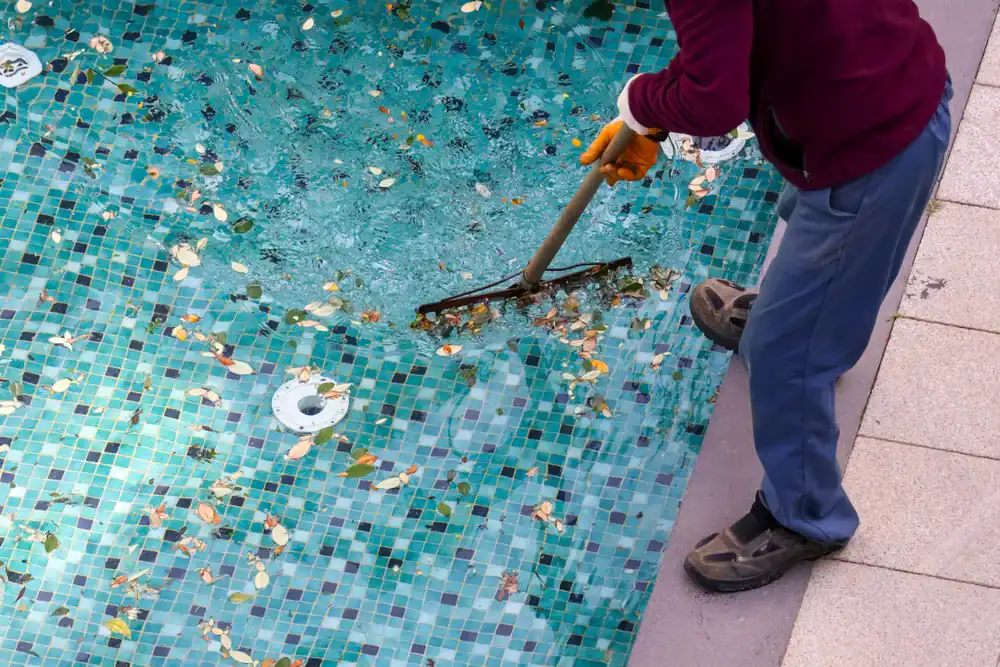
When we arrive, the first thing we do is assess what the past week has done to your pool. In Huffer and throughout Coffee County, that usually means checking for debris load from the surrounding pine and hardwood trees, evaluating water clarity, and pulling the skimmer and pump baskets before anything else. A clogged basket in South Georgia’s summer heat isn’t just an inconvenience it’s the beginning of a pump failure if it’s left alone.
From there, we test your water chemistry and make the adjustments needed to bring it back into balance. pH, free chlorine, alkalinity, stabilizer we’re checking all of it, not just dumping chlorine and calling it done. If your pool has had a heavy rain event, which is common here from June through August, we account for the dilution that comes with it and rebalance accordingly. Every chemical adjustment gets logged so you always know exactly where your water stands.
Once the chemistry is handled, we brush the walls and floor, skim the surface, and do a visual inspection of your equipment pump, filter, and any visible plumbing. If something looks like it’s heading toward a problem, we’ll tell you before it becomes one. At the end of every visit, you get a written summary of what was done. That’s the whole process, every time.
Ready to get started?
Routine maintenance is the foundation of everything we do. That means showing up on schedule, treating your pool the way it actually needs to be treated in South Georgia’s climate, and not cutting corners because it’s the fifth stop of the day. For Huffer homeowners, routine service includes debris removal, skimmer basket cleaning, surface skimming, brushing, and a full chemical balancing check every visit, not just when it looks bad.
Chemical balancing in this region requires more attention than most people expect. The combination of intense summer heat, high UV exposure, and frequent afternoon thunderstorms means your water chemistry can shift significantly between visits. We test and adjust chlorine levels, pH, alkalinity, and stabilizer on every call. If your pool has been sitting through a stretch of 95-degree days, we know what that does to the water and we come prepared for it.
We also handle seasonal pool care for homeowners who want their pool properly opened in spring and protected before winter. Coffee County winters are mild, but occasional cold snaps can damage plumbing and equipment that hasn’t been prepped. Spring openings after a proper seasonal close are faster, cleaner, and far less likely to start with a green pool that needs a full remediation before anyone can swim. Whether you need weekly service, a one-time cleanup, or seasonal support, the work is the same done right, documented, and built around what your pool actually needs.
For most homeowners in Huffer and throughout Coffee County, weekly service is the right call during the summer months and that’s not an upsell, it’s just what South Georgia’s climate demands. The heat and UV intensity here burn through chlorine faster than in cooler climates, and algae can establish itself in as little as 48 to 72 hours in warm, unbalanced water. By the time your pool looks green, you’re already past the point where a quick fix works.
During the spring pollen season, which hits hard in the Wiregrass region with pine and oak pollen coating everything, more frequent attention may be needed to keep your filtration system from being overwhelmed. In the fall and winter, when temperatures drop and pool use slows down, you may be able to stretch to biweekly service depending on your pool’s size and tree coverage. We’ll give you an honest recommendation based on your specific setup not a one-size-fits-all schedule.
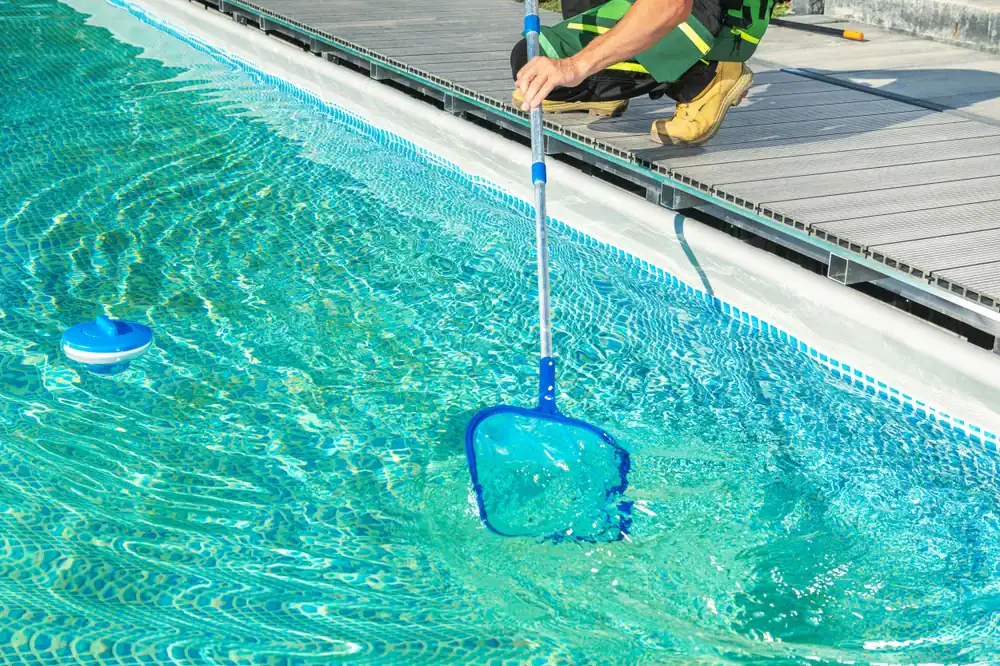
Every visit covers the full picture not just the surface. We clean out your skimmer and pump baskets, skim the water surface, brush the walls and floor, and test your water chemistry across all the key measurements: free chlorine, pH, total alkalinity, and stabilizer. If adjustments are needed, we make them on the spot. We also do a visual inspection of your equipment to catch anything that looks like it’s trending toward a problem before it becomes one.
What you get at the end of every visit is a written service report what was done, what was found, and what (if anything) needs follow-up. That documentation matters for two reasons: it keeps you informed about your pool’s condition, and it creates a record over time that helps identify patterns before they become expensive. In a rural area like Huffer where getting a repair crew out quickly isn’t always guaranteed, catching issues early is worth a lot.
Yes, and it happens more often than most homeowners realize. When a heavy thunderstorm rolls through Coffee County which is common from June through August it can dump enough water into your pool to meaningfully dilute your chemical levels. Chlorine concentration drops, pH can shift, and if the storm carries in a lot of organic debris, you’re also feeding the conditions that algae needs to take hold.
The fix isn’t complicated, but it does require testing after a significant rain event and rebalancing accordingly. If you’re on a weekly service schedule and a major storm hits mid-week, it’s worth knowing that your pool may need attention sooner than your next scheduled visit. We track weather patterns in the area and communicate proactively when conditions suggest your pool needs an earlier check. That’s the kind of local awareness you don’t get from a company that’s dispatching from three counties away.
The most common early sign is reduced water flow you’ll notice the return jets pushing less water than usual, or the skimmer not pulling debris the way it should. In Coffee County’s summer, where debris load from longleaf pines and hardwoods is constant, a clogged basket or a filter that hasn’t been backwashed on schedule is the most frequent culprit. Left alone, that reduced flow puts sustained stress on the pump motor, and pump replacements typically run anywhere from $500 to $1,500 depending on the unit.
Other signs include the pump running louder than normal, water that stays cloudy even after chemical treatment, or a filter pressure gauge reading higher than its normal range. These aren’t emergencies yet, but they’re signals that something needs attention. During every maintenance visit, we do a visual inspection of your equipment specifically to catch these indicators early. If we see something that concerns us, we tell you directly what it is, what it means, and what your options are.
That’s a fair question, and the honest answer is yes but not for the reason most people expect. Pool chemistry doesn’t pause because you’re not swimming. In a Coffee County summer, your water is being hit by UV, heat, debris, and the occasional afternoon storm whether anyone gets in it or not. Algae doesn’t check your weekend schedule before it starts growing, and a pump basket that fills up with pine needles on a Tuesday doesn’t wait until Saturday to cause problems.
The cost of consistent weekly maintenance is almost always less than the cost of a single remediation visit after a pool has gone green, which typically runs $200 to $500 and requires waiting several days before the water is safe to swim in again. For a homeowner in Huffer who only has the weekend to actually enjoy their pool, showing up on Saturday to a green or cloudy pool is a frustrating waste. Weekly service means your pool is ready when you are which is the whole point of having it.
Yes, and it’s one of the more practical services we offer for Coffee County homeowners. South Georgia winters are mild compared to most of the country, but that doesn’t mean your pool equipment is immune to cold snaps. When temperatures drop into the low 30s which does happen in Coffee County, even if it doesn’t last long plumbing lines and equipment that haven’t been properly prepared can sustain freeze damage that requires repair before the pool can be used again.
A proper seasonal close protects your investment through winter so that when spring arrives and you’re ready to open back up, you’re not starting from scratch. Spring openings after a correct close are faster, cleaner, and far less likely to involve a pool full of green water that needs days of treatment before it’s swimmable. We time our seasonal services around Coffee County’s actual weather patterns, not a generic calendar because the right time to open or close a pool in Huffer isn’t the same as it is in Atlanta or Savannah.