
Hear from Our Customers
You get a backyard that works for the way people actually live in Douglas. That means a pool that’s ready by late March and still going strong in October or November seven to eight months of real use out of something you invested in once. Not a seasonal novelty. A daily part of your life.
Coffee County’s soil is not forgiving. The expansive clay that runs through this area swells when it’s wet and contracts when it dries, and that cycle puts stress on anything built into the ground. Cement is the only pool material that handles that movement without cracking, popping, or failing. Fiberglass pools have been documented lifting out of the ground during South Georgia’s heavy rain events when the water table rises fast and hydrostatic pressure builds underneath. This is a known failure mode in Douglas and the surrounding region.
A properly built cement pool gets stronger over time. It’s also one of the most effective upgrades you can make to a Coffee County property. In warm-climate markets like Georgia, professionally installed inground pools add an average of 7% to home value. On a $200,000 home, that’s $14,000 in added equity before you factor in a single afternoon swim.
We operate out of 1380 Baker Hwy in Douglas not a regional office, not a satellite location. This is where the business lives. The same road as the Walmart Distribution Center, in the heart of Coffee County. When you call, you’re talking to someone who knows your street.
Our builders have been working in this specific soil for over 30 years. We know how the clay behaves near the 206 corridor, how drainage runs on the west side of Douglas, and what it takes to build a foundation that won’t shift five years down the road. That’s not something you learn from a manual. It comes from decades of boots in Coffee County dirt.
This is a family-owned business built entirely on local reputation. In a city of roughly 11,700 people where the hospital, the college, and the neighborhood church all overlap in the same social circles that reputation is everything. Every project we take on in this community is a direct reflection of who we are here.
It starts with your property, not a catalog. We look at your specific lot, your drainage situation, your soil conditions, and what you actually want to use the pool for. From there, the design gets built around your space not around six fiberglass molds somebody else already decided on. Whether you’re on a wooded lot off SR 206 or a flat parcel outside Nicholls, the process starts with what’s actually there.
Permitting comes next, and this is where a lot of contractors leave homeowners stranded. Pool construction in Douglas means navigating two separate offices depending on where your property sits the City of Douglas Building Inspections and Permits Division for city-limit properties, and Coffee County Code Enforcement for county properties. We handle all of it. You don’t have to figure out which office applies to you or track down the right forms. That gets done for you, start to finish.
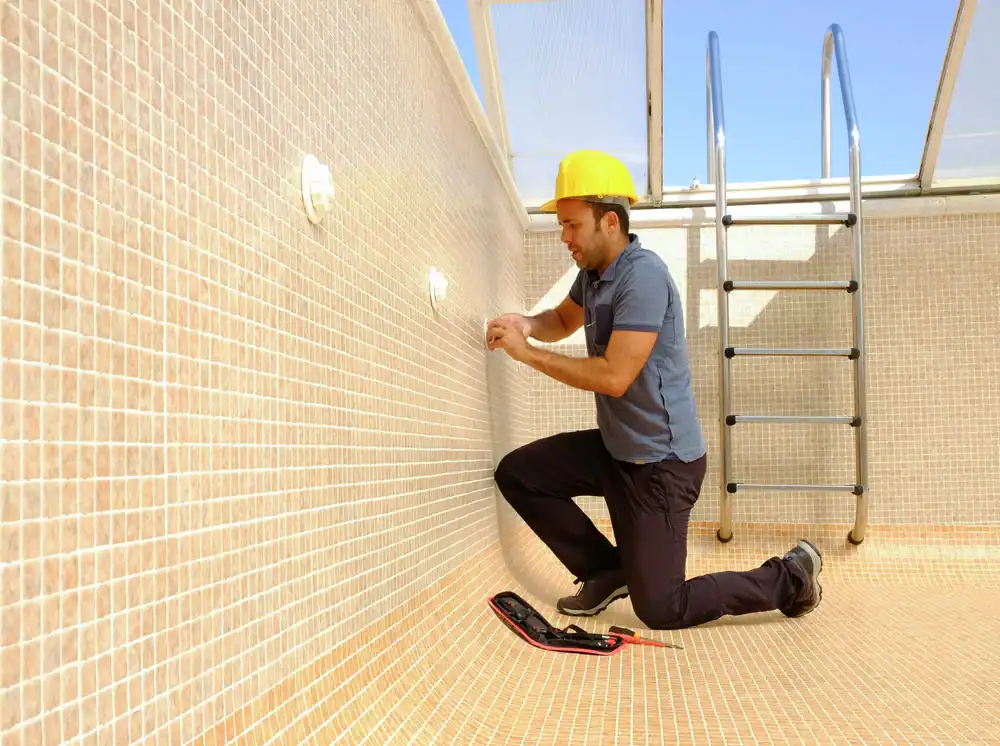
Once permits are approved, construction moves in a clear sequence: excavation, foundation engineering specific to your soil conditions, steel and concrete work, plumbing, equipment installation, and finish. The biggest planning mistake Douglas homeowners make is waiting until April to start. If you want to be swimming by Memorial Day, the conversation needs to happen in January or February. Every week of delay at the start of the process is a week of swim season you don’t get back.
Ready to get started?
Every pool we build is cement not fiberglass, not vinyl. That’s a deliberate choice, and it matters more in Coffee County than almost anywhere else. Vinyl liner pools need a full replacement every seven to ten years, typically running $4,000 to $6,000 each time. The lower upfront cost disappears fast. Cement pools don’t have that problem. They’re built once, maintained properly, and they outlast the house if you let them.
Our full-service model covers design, permitting, construction, and a final walkthrough so you know exactly how your equipment works before we leave the property. For homeowners in the Golf and Country Club area, on multi-acre rural parcels, or in newer developments like Old Bell Lake Subdivision north of Douglas, the design starts from scratch every time. No two properties are the same, and no two pools should be either.
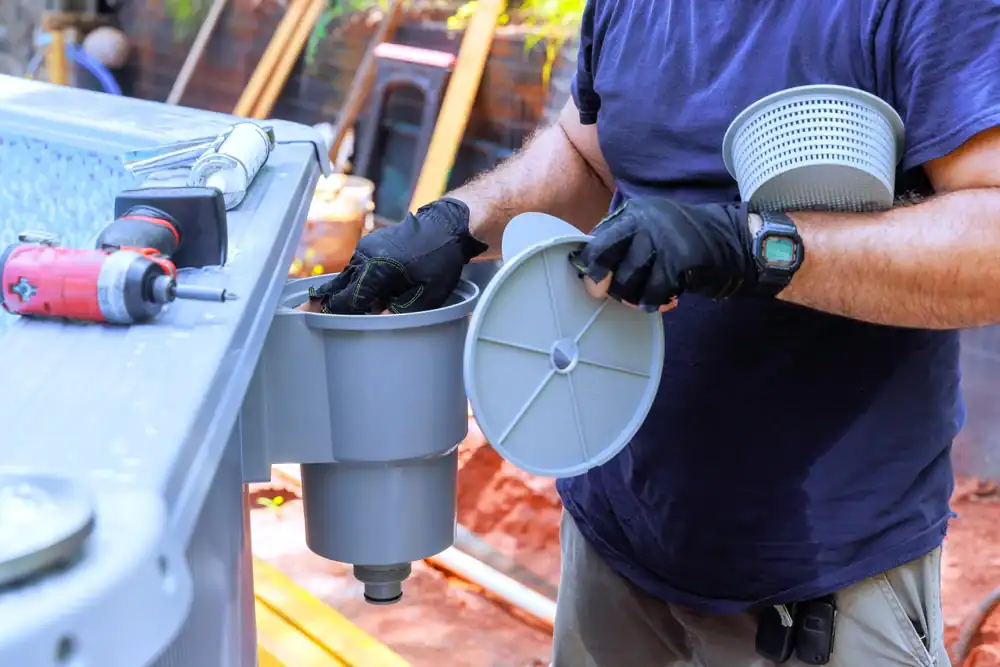
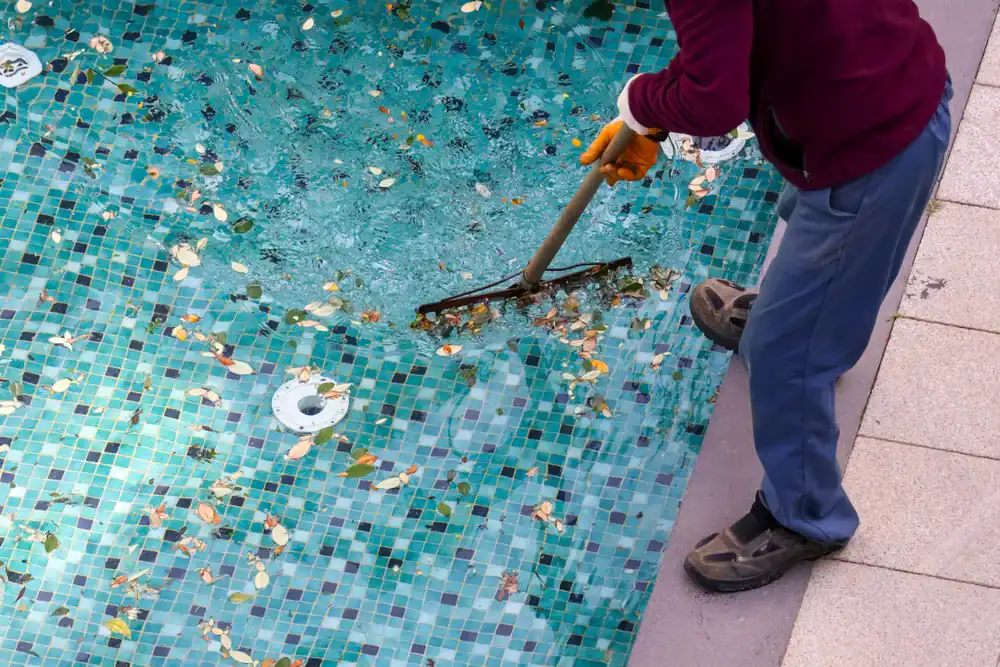
After the build, we offer free professional pool water testing and ongoing weekly maintenance plans. That ongoing relationship matters in a town that’s 45 miles from the nearest interstate you want the people who built your pool to be the ones maintaining it, not a third-party service that’s never seen your equipment before. The company that poured your concrete is the same one that shows up every week.
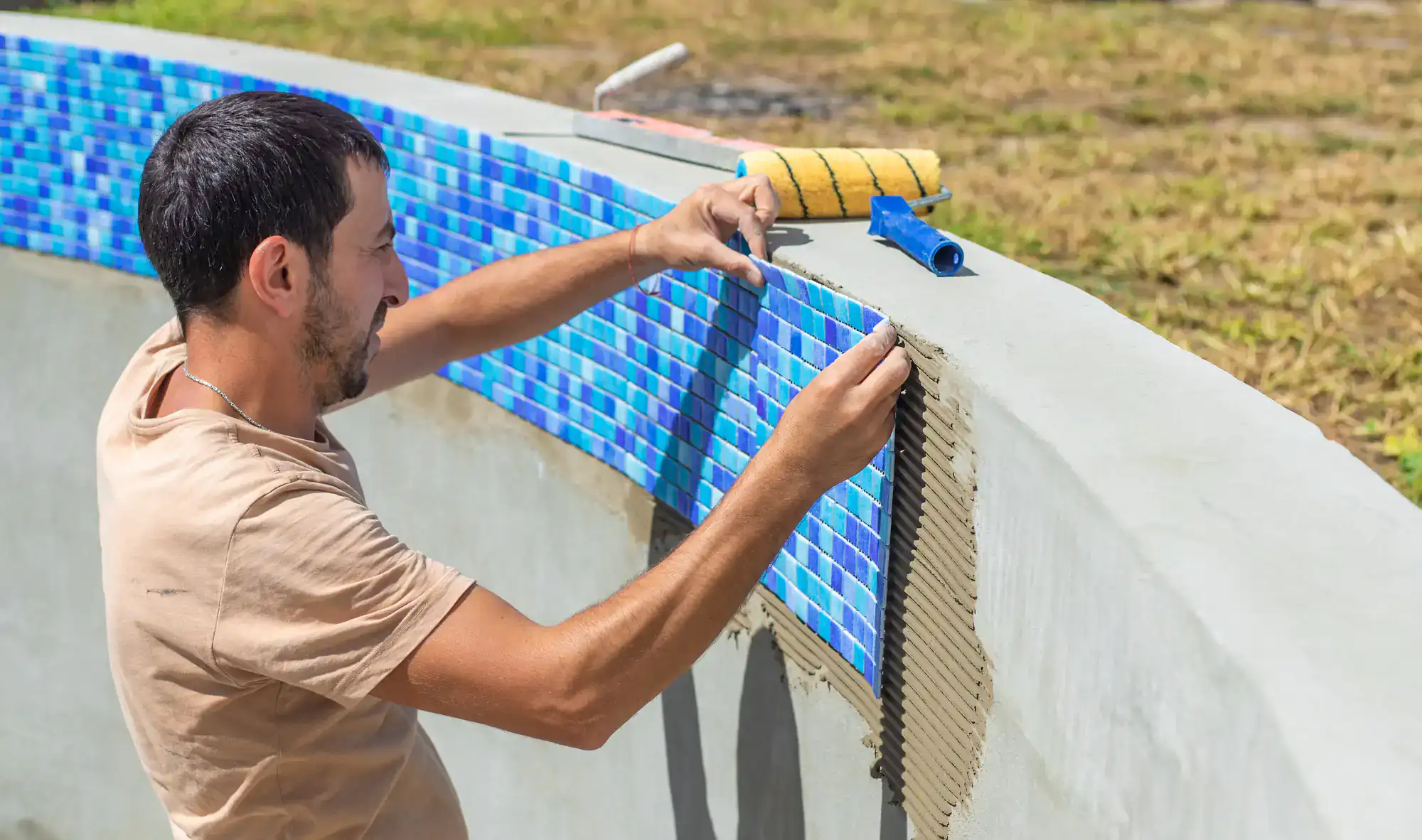
Yes, and the process depends on where your property sits. If you’re within Douglas city limits, your permit goes through the City of Douglas Building Inspections and Permits Division, which enforces International Code Council building standards along with local ordinances. If your property is in the unincorporated parts of Coffee County, the permit is handled by Coffee County Code Enforcement.
The distinction matters because the two offices have different processes, different timelines, and different requirements. A lot of homeowners in Douglas don’t know which one applies to them until they’re already mid-project. We handle all permitting as part of the build so you’re never left figuring out which office to call or whether your plans meet the right code. It gets done correctly the first time, which keeps the project moving on schedule.
From the time you sign a contract to the day you’re in the water, a realistic timeline for a custom inground cement pool in Douglas runs roughly 10 to 16 weeks, depending on design complexity, soil conditions on your specific property, and how quickly permits move through the relevant office.
The most common reason timelines stretch is late starts. Homeowners who begin the conversation in April are often looking at a late-summer or fall completion. If your goal is to be swimming by early summer, you need to be having this conversation in January or February. Douglas gets seven to eight months of real swim season late March through October or November and every week of delay at the front end is a week of that season you don’t get back. Start early, and the timeline works in your favor.
Coffee County’s soil is a mix of sandy loam and expansive clay. That clay is the issue. It absorbs moisture and swells, then dries out and contracts and that cycle puts constant pressure on anything built into the ground. Georgia’s building codes specifically require that pool foundations be engineered to handle expansive soils with a plasticity index of 15 or greater, because standard plans often aren’t enough.
A contractor who hasn’t built in this specific soil profile is going to design to a generic standard. That might look fine at the final inspection. Three to five years later, when the pool starts shifting or cracking, the contractor is long gone. We’ve built in Coffee County soil for over 30 years. The foundation engineering we use isn’t pulled from a template it’s based on decades of watching how this specific ground behaves through South Georgia’s wet and dry cycles.
The biggest practical difference in South Georgia comes down to what happens when the ground gets saturated. Fiberglass pools are hollow shells. When heavy rain raises the water table fast which happens regularly in this part of Georgia hydrostatic pressure can push a fiberglass pool up and out of the ground. It’s a documented failure mode, and it’s more common in flat coastal plain areas like Coffee County than in higher-elevation parts of the state.
Cement pools don’t have that vulnerability. They’re built into the ground as a structural system, not dropped in as a shell. They’re also fully customizable any shape, any depth, any feature rather than being limited to whatever molds a manufacturer offers. And while the upfront cost of cement is higher than vinyl liner, vinyl liner pools require complete liner replacement every seven to ten years at $4,000 to $6,000 per replacement. Over a 30-year period, the math on vinyl liner isn’t what it looks like at signing.
In warm-climate markets like Georgia, yes professionally installed inground pools add an average of 7% to home value. On a $200,000 home in Douglas, that’s roughly $14,000 in added equity. The key word is “professionally installed.” A poorly built pool, or one with structural issues from bad soil engineering, doesn’t add value it creates a liability that shows up in inspection reports and scares buyers off.
Douglas’s real estate market is active. New construction is happening in developments like Old Bell Lake Subdivision north of town on the SR 206 corridor, and established properties in areas like the Golf and Country Club neighborhood are competing for buyers who have options. A well-built inground cement pool is one of the most effective ways to set a property apart in that market especially when most comparable homes don’t have one. The lifestyle argument is just as real: seven to eight months of swim season means this isn’t a luxury you use twice a year.
We handle ongoing maintenance directly no handoff to a third-party service company. We offer free professional pool water testing and weekly maintenance plans, and the people maintaining your pool are the same people who built it. That matters more in Douglas than it might in a larger city, because you’re 45 miles from the nearest interstate and your options for finding a qualified replacement service on short notice are limited.
When the company that built your pool is also the one maintaining it, we already know your equipment, your plumbing layout, your water chemistry baseline, and how your pool was engineered for your specific property. There’s no learning curve, no guesswork, and no situation where a maintenance tech is staring at your equipment trying to figure out how it was set up. For homeowners who want a long-term relationship with someone accountable not just a builder who hands you a packet and disappears that ongoing availability is a meaningful part of what we offer.