
Hear from Our Customers
You get your weekends back. That’s the short version. The longer version is that you stop spending Saturday mornings testing water, cleaning skimmer baskets, and wondering why the pool still looks off and you start actually using it.
In Douglas, that matters more than most places. When the temperature is sitting in the low 90s from June through September and humidity peaks above 73% in August, chlorine burns off faster than most homeowners expect. A pool that’s balanced on Monday can be growing algae by Thursday if nobody’s watching it. This isn’t hypothetical it’s what South Georgia’s climate does to pool water. Weekly professional maintenance is the only way to stay ahead of it.
There’s also the investment side of this. A custom inground pool in Coffee County represents real money money most families didn’t spend lightly. Skipping routine care doesn’t save you anything. It just delays the cost and makes it bigger. Algae remediation, pump burnout from clogged baskets, chemistry damage to plaster these happen when maintenance gets pushed off. Keeping your pool clean consistently is how you protect what you already paid for.
We’re based at 1380 Baker Highway in Douglas not a regional franchise that lists Coffee County as a service area, but a locally owned business whose trucks leave from this town every morning. We were founded in 2014 by someone with over 30 years of hands-on experience in concrete, plumbing, and custom pool construction, all of it in South Georgia.
That background matters for maintenance. When you’ve spent decades building pools in Douglas and the surrounding area working with local water chemistry, local soil, and the specific demands of a South Georgia climate you don’t show up to a service call guessing. You already know what these pools need and what goes wrong when they don’t get it.
We started specifically because families in this area were being let down by contractors who overpromised and underdelivered. That’s still the standard we hold ourselves to show up, do the job right, and be straight about what you found and what it costs. No surprises.
Every maintenance visit starts with a full water chemistry test not a glance at the water and a handful of chlorine tabs. pH, alkalinity, sanitizer levels, and calcium hardness all get checked and adjusted before anything else happens. In Douglas, where summer rainstorms can dump significant rainfall and throw off your pool’s chemistry in a single afternoon, this step isn’t optional. It’s the foundation of everything else.
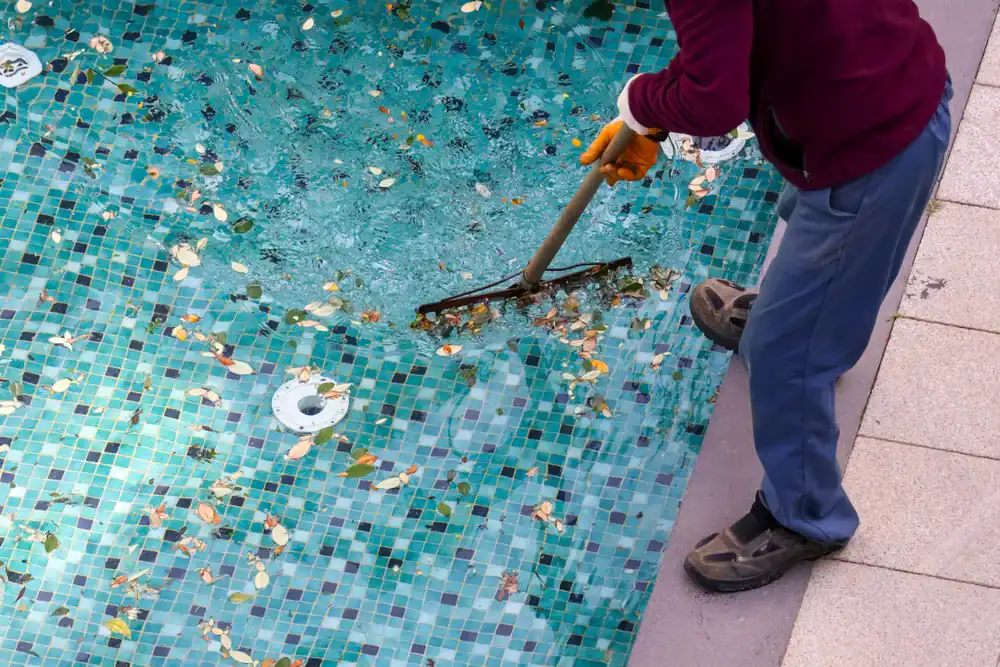
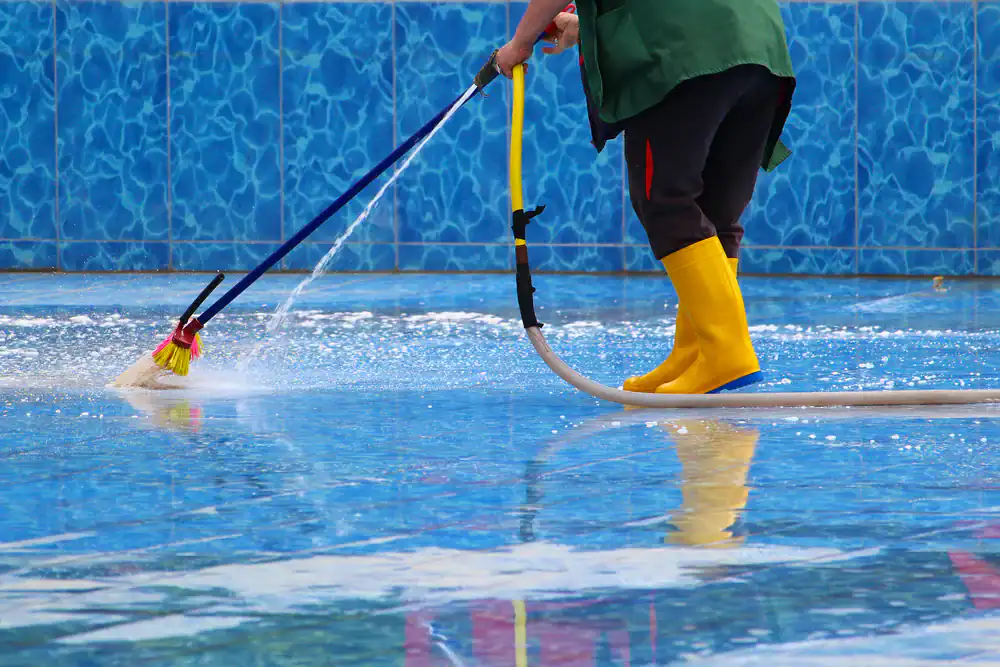
From there, the physical cleaning gets done skimming the surface, brushing the walls, vacuuming the floor, and clearing out the skimmer and pump baskets. That last part gets skipped more often than it should by other services. A clogged skimmer basket restricts water flow, puts strain on your pump, and can lead to equipment failure that costs several hundred to over a thousand dollars to fix. It takes a few minutes to do it right. We do it every time.
The visit wraps with an equipment check looking at the pump, filter, and any visible plumbing for anything that looks off. If something needs attention, you hear about it while it’s still a small problem, not after it’s become a repair bill. Seasonal care pool opening in the spring and proper preparation heading into the cooler months follows the same principle: do it right the first time so there’s nothing to undo later.
Ready to get started?
Our routine maintenance covers the full scope of what your pool needs on a weekly or recurring basis water chemistry testing and balancing, surface skimming, wall and floor brushing, vacuuming, skimmer basket cleaning, pump basket clearing, and a basic equipment inspection every visit. Nothing gets skipped because it seems minor. In a South Georgia summer, minor things become major ones quickly.
Chemical balancing goes beyond just keeping the water clear. Properly balanced water protects your plaster, your equipment, and anyone swimming in it. Douglas gets around 50 inches of rain annually, with the heaviest rainfall hitting during the same months your pool sees the most use. Every significant rain event dilutes your chemicals and shifts your pH which means chemistry maintenance in Coffee County requires more attention than it would in a drier climate. We account for that in how we approach every service visit.
Seasonal pool care is also part of what we offer spring opening to get your pool swim-ready after the cooler months, and fall preparation to make sure your equipment is protected before any cold snaps arrive. While Coffee County winters are mild compared to northern Georgia, occasional freezes do happen, and improperly prepared plumbing and equipment can sustain real damage. Handling it correctly on the front end is always less expensive than dealing with the aftermath.
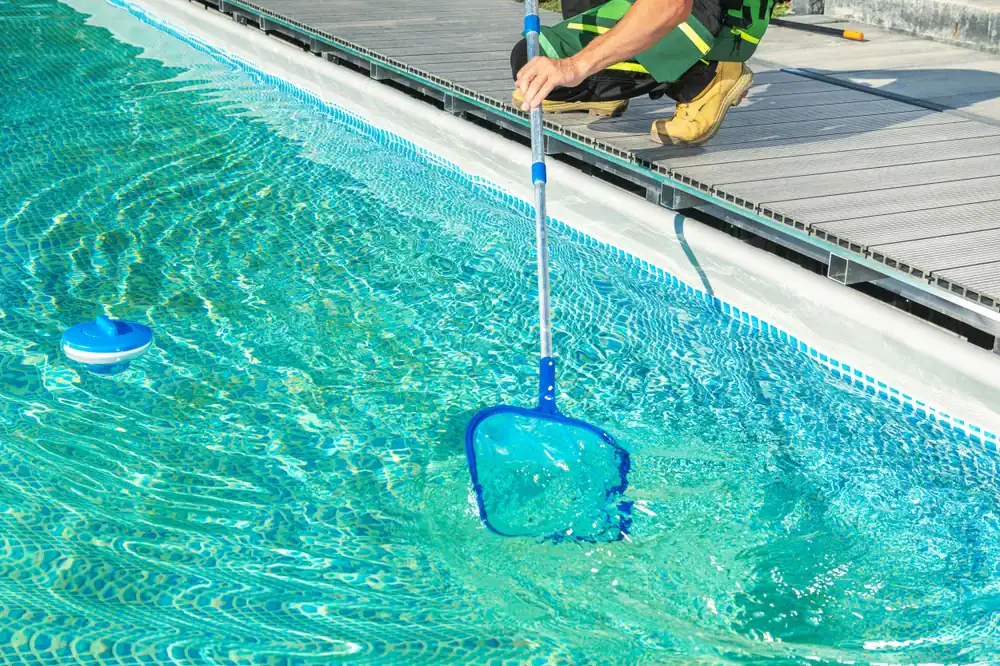
For most homeowners in Douglas, weekly service is the right call from roughly April through October. South Georgia’s heat and humidity create conditions where algae can establish itself in just a few days if chlorine levels drop. During the summer months, when temperatures are regularly in the low 90s and humidity peaks above 70%, your pool’s chemistry shifts faster than it would in a cooler or drier climate. Weekly visits keep that chemistry stable and catch problems before they turn into something that requires a full remediation.
Some homeowners with smaller pools or lower usage opt for every-other-week service during the shoulder months early spring or late fall when temperatures are milder and the pool isn’t being used as heavily. That can work, but it requires close monitoring between visits. If you’re not testing the water yourself in between, bi-weekly service in a Douglas summer is a risk. A green pool in July is not a quick fix.
A proper maintenance visit covers water chemistry testing and balancing, surface skimming, brushing the walls and floor, vacuuming, cleaning the skimmer baskets, clearing the pump basket, and a visual check of your equipment. That’s the baseline every visit, not just the first one.
The chemistry piece is where a lot of pool service companies cut corners. Testing the water takes time, and adjusting it properly takes more. But if your pH, alkalinity, and sanitizer levels aren’t where they need to be, everything else on that list is just cosmetic. You can have a pool that looks clear and still have water that’s out of balance enough to irritate skin, damage plaster, or allow bacterial growth. In Douglas’s climate high heat, heavy summer rainfall, long swim season getting the chemistry right isn’t a bonus feature. It’s the whole point.
Yes more than most homeowners realize until they’ve dealt with it once. Algae growth accelerates in warm, humid conditions, and Douglas checks both of those boxes from roughly May through September. When chlorine levels drop even briefly algae can take hold within 24 to 48 hours under peak summer conditions. Once it’s established, you’re not just dealing with a green pool. You’re looking at a shock treatment, possible filter cleaning, brushing, and potentially multiple follow-up visits before the water is clear again. That process can cost significantly more than several months of routine maintenance.
The other factor specific to this area is rainfall. Heavy summer storms are common in Coffee County, and every significant rain event dilutes your sanitizer levels and introduces organic material that feeds algae growth. Pools that are properly maintained on a consistent schedule handle this much better than pools that are serviced sporadically. Staying ahead of it is always easier and cheaper than cleaning it up after.
Not in the same intensive way that pools in northern states require, but you shouldn’t skip it entirely either. Coffee County winters are generally mild, and many Douglas homeowners use their pools well into the fall. That said, cold snaps do occur, and when temperatures drop below freezing even briefly unprotected plumbing and equipment can sustain real damage. A cracked pipe or a failed pump seal in January is an avoidable repair if the pool was properly prepared heading into the cooler months.
What seasonal pool care looks like in Douglas is less about full winterization and more about reducing chemical load, protecting equipment from occasional freezes, and making sure the pool is in a stable condition while it’s not being used as heavily. Done right, it also means your spring opening is straightforward you’re not dealing with a pool that sat neglected for three months. It comes back clean and ready instead of requiring a full remediation before the first warm weekend of April.
More than most people expect. Douglas receives around 50 inches of rain annually, and a significant portion of that falls during the summer the same months your pool is getting the most use. When heavy rain hits, it dilutes your chlorine, shifts your pH, and introduces organic debris, pollen, and runoff that your filtration system then has to handle. After a substantial storm, a pool that was properly balanced the day before can have chemistry that’s noticeably off.
This is one of the reasons that weekly professional maintenance in Coffee County isn’t just about keeping the water looking clear it’s about staying on top of a chemistry baseline that gets disrupted regularly by the local climate. If your pool is only being serviced every two weeks during summer storm season, there’s a real window where the water can drift into conditions that allow algae or bacteria to develop. Consistent, scheduled service accounts for this. Sporadic service doesn’t.
We’re based in Douglas, we’ve built pools in Coffee County, and we’ve been working in South Georgia’s specific conditions for over 30 years. That’s not a generic claim it means the people servicing your pool already understand your local water chemistry, the impact of the region’s rainfall patterns, and what South Georgia’s heat cycle does to pool equipment over time. A company driving in from outside the area is working from a general playbook. We’re working from experience that’s specific to this place.
There’s also the accountability that comes with being a neighbor. We operate out of 1380 Baker Highway the same road most Douglas residents drive every day. When a local business has its name and reputation tied to this community, the standard for showing up, doing the job right, and being honest about what was found is different than it is for a service provider with no real stake here.